
Getting into Google AI Overviews isn’t a ranking problem anymore. It’s a citation problem, and citations come from a completely different set of signals than the ones your rank tracker was built to watch.
That’s what AEO tools solve. They show whether AI engines are mentioning you at all, and what’s driving those answer engines to pick a competitor over you instead.
Some are dedicated AEO platforms built for answer engine optimization from the ground up. Others are SEO suites with AI visibility bolted on. Here are 20 worth knowing, starting with the one that gets you the actual citations instead of just reporting that you’re missing them.
Link building cheat sheet
Respona
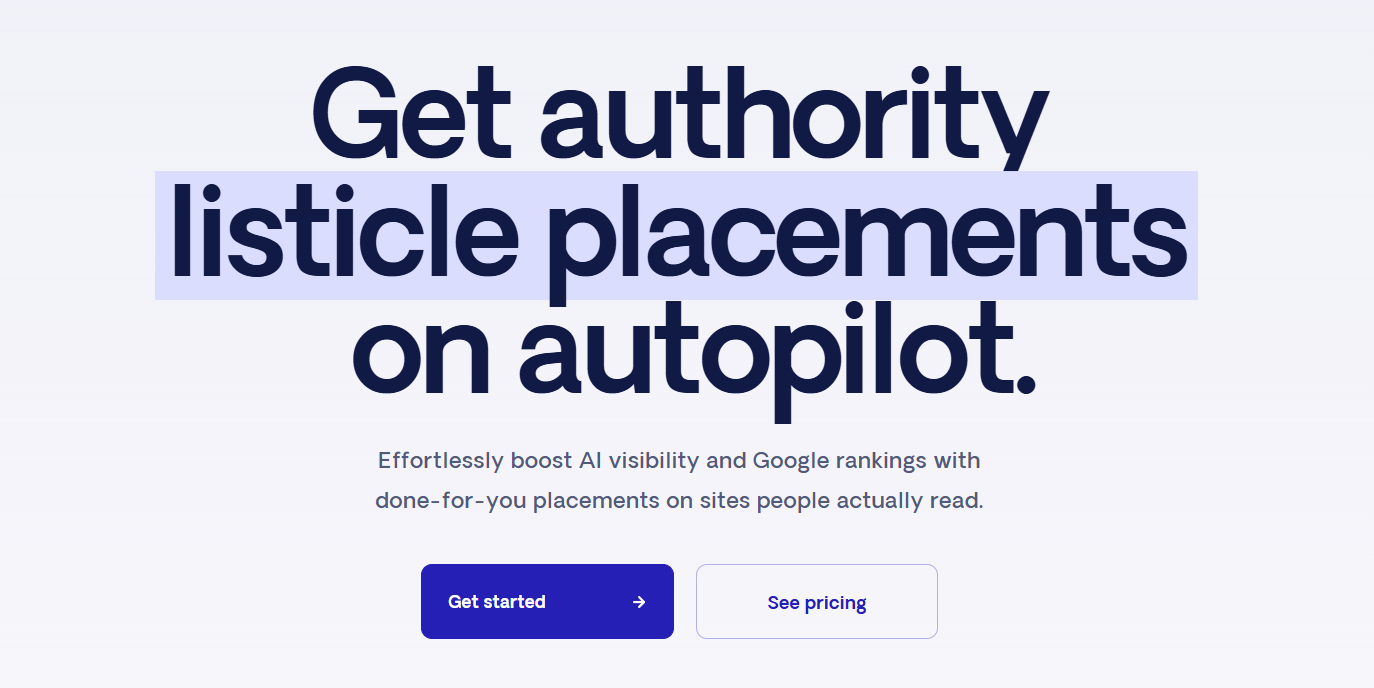
Every tool on this list can tell you whether an AI system mentioned you. None of the monitoring platforms can make that mention happen.
That’s the gap Respona closes, and it’s why it leads this list instead of just appearing on it.
Respona is a done-for-you link building service with a bundled AI visibility tracker built in, and the tracker isn’t an afterthought bolted onto a link building product. It’s a real AEO tool in its own right.
You hand over the prompts and pages you want cited for, and it runs them across six answer engines: ChatGPT, Perplexity, Google AI Overviews, Google AI Mode, Gemini, and Claude.
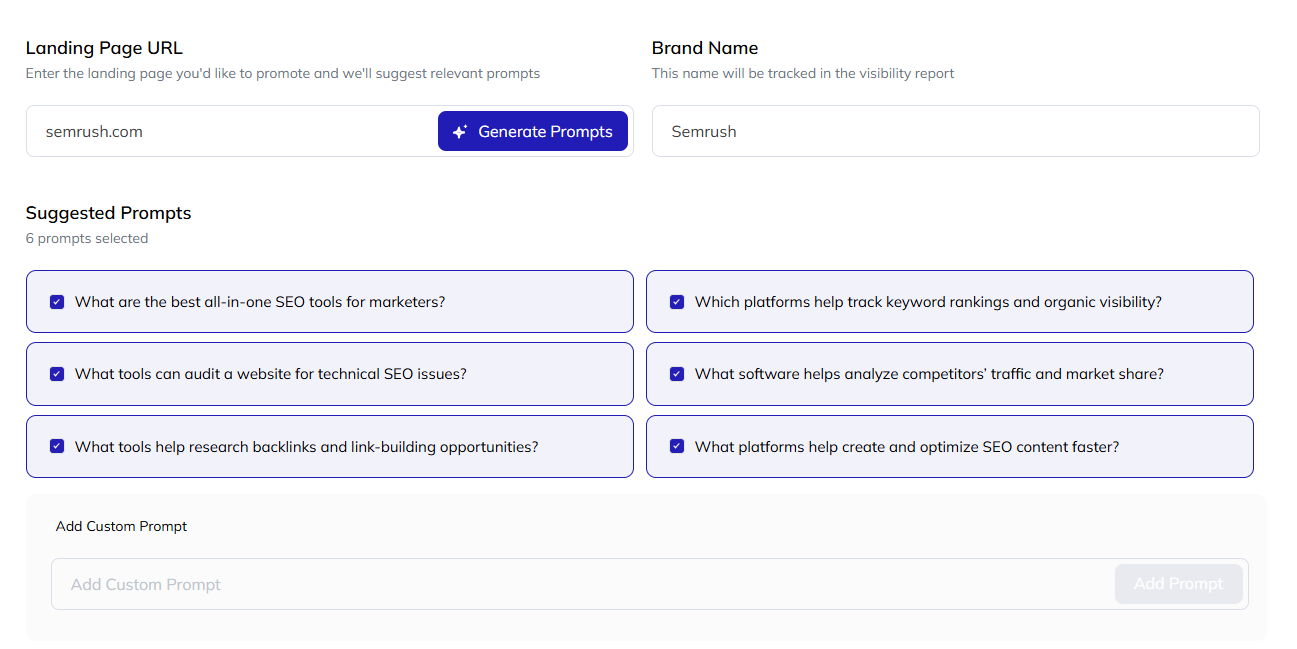
From there it builds a prompt-based action plan, the lead feature that turns raw AI insights into a specific list of the articles already earning citations for your target queries, plus the similar sites worth pitching next.
That’s the monitoring half most AEO tools on this list stop at.
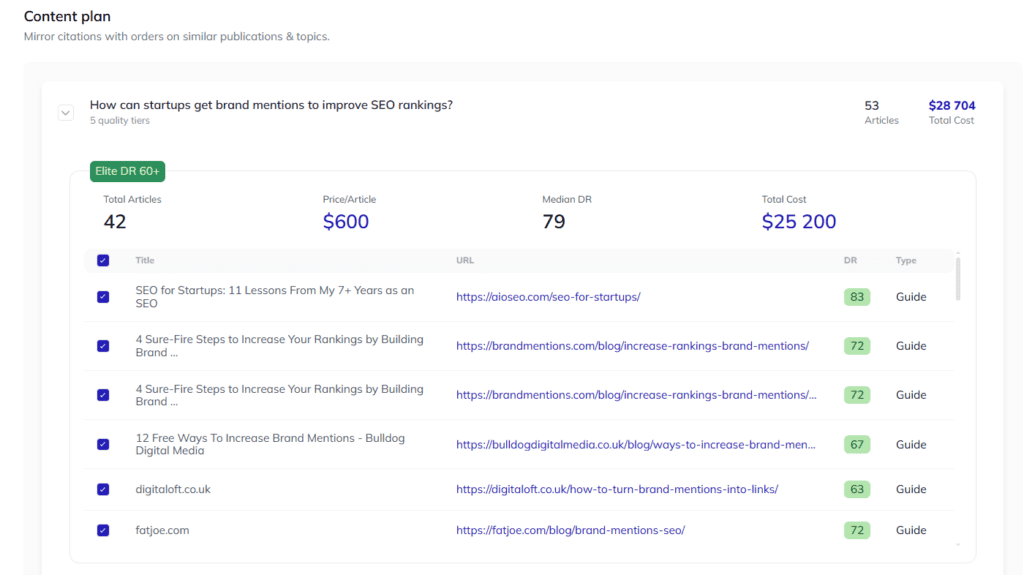
The other half is the actual outreach, and it’s the part that makes Respona different from everything else here. Structured brand mentions on third-party pages are what Google AI Overview and every other AI engine actually pull their citations from, not your own site copy.
So Respona’s team finds the sites already getting cited for your target prompts, tracks down the right contact at each one, pitches a real collaboration, and follows up until it lands.
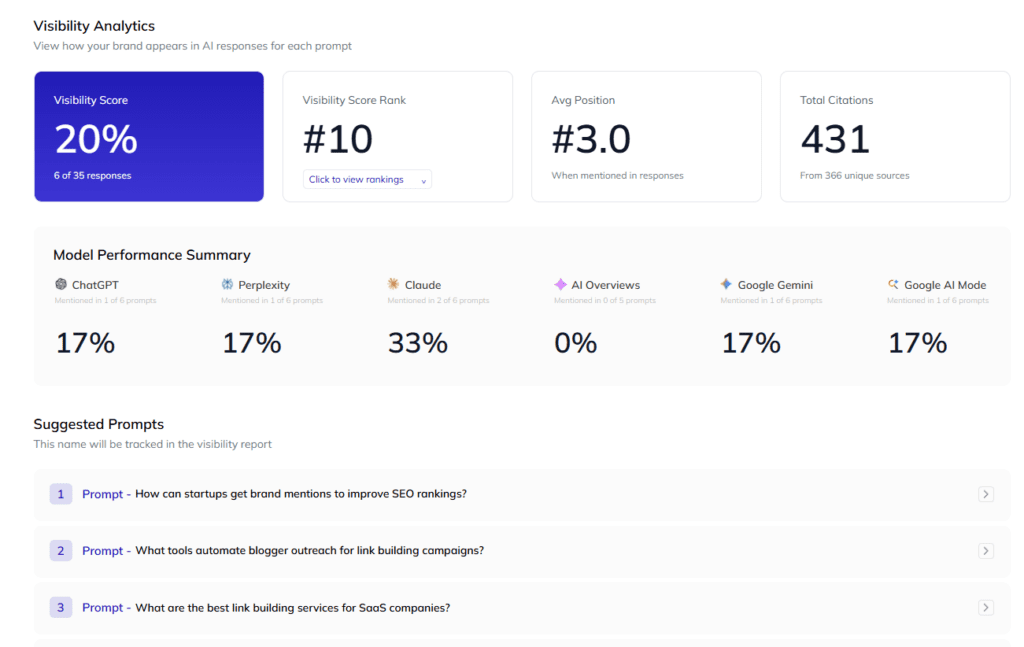
Every placement is a genuine editorial mention, not a directory listing, on a page that’s already part of the content these AI systems trust.
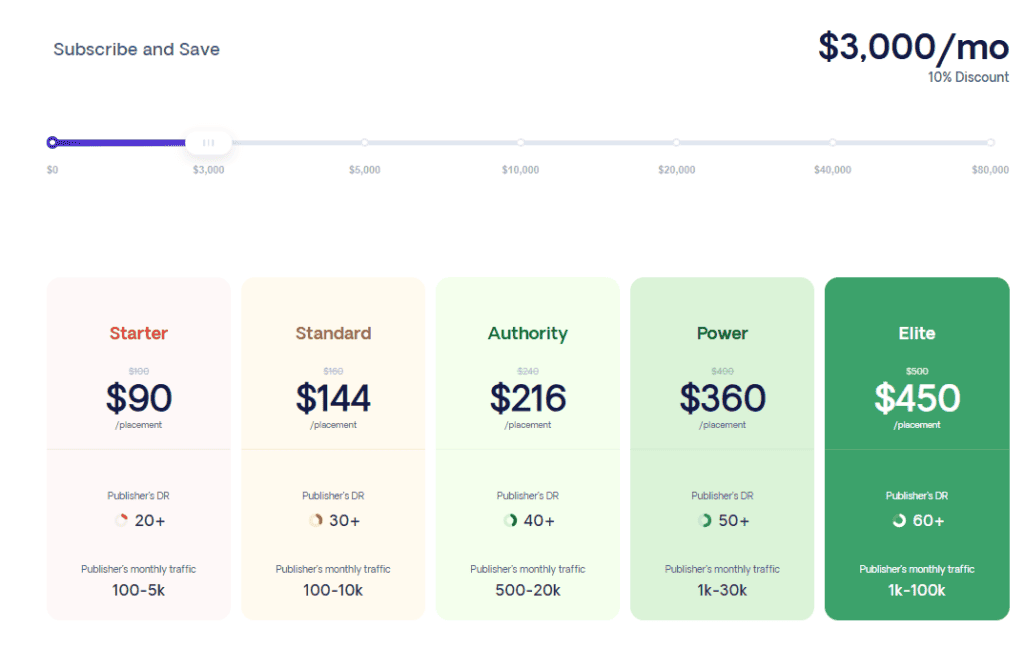
Pricing runs pay-per-placement, somewhere between $100 and $500 per link depending on the site, with no retainer required.
OpusClip is the clearest verified example of what this looks like in practice: real citations earned through real outreach, tracked across all six engines instead of guessed at.
If every other tool here is a dashboard, this is the AEO tool that acts on what the dashboard shows you.
AirOps
AirOps pairs AI visibility tracking with a content production engine, so the citation gaps it finds get turned into shipped pages instead of sitting in a report.
Its Insights dashboard tracks citations, mentions, and share of voice across ChatGPT, Gemini, Perplexity, and Google AI Overviews, and its Action Grids prioritize which pages to refresh based on how they’re performing across major AI platforms.
The workflow layer, powered by an AI agent called Quill, drafts and publishes the fixes directly to your CMS. It’s built for content teams already running an answer engine optimization program who need the execution layer, not for someone just starting to measure AI visibility.
Brandlight
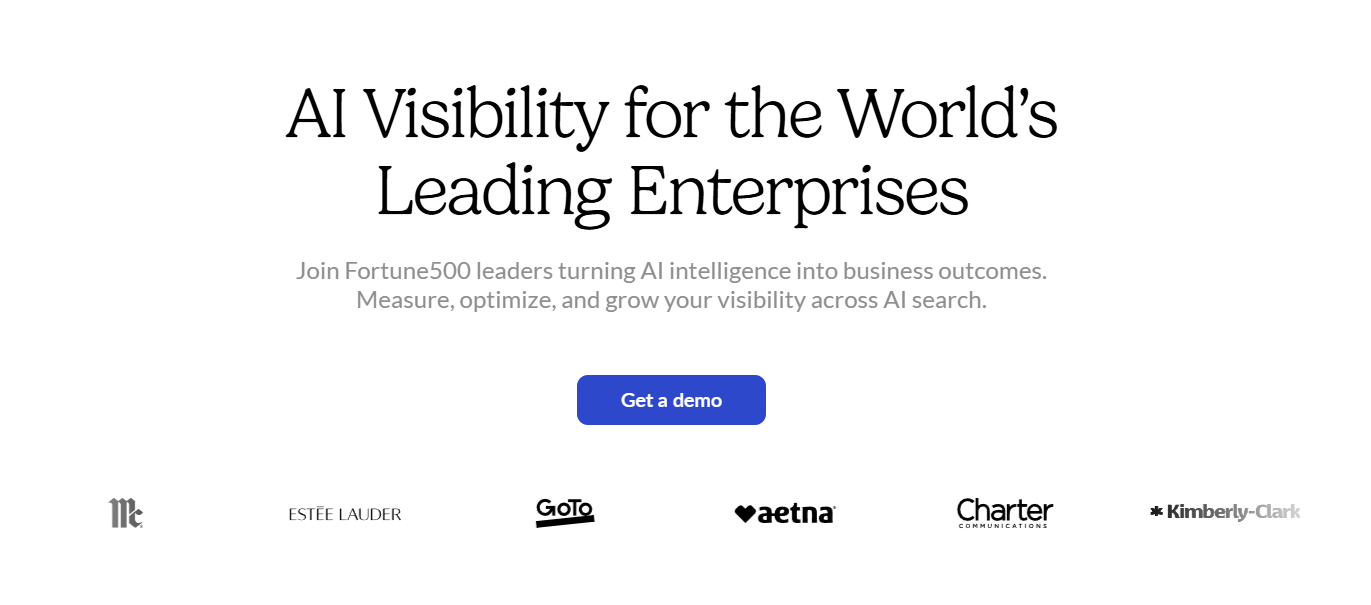
Brandlight is an enterprise AI visibility platform built for brands with a lot riding on how AI engines describe them. It covers 11 AI engines, tracks every AI citation alongside sentiment, and can identify which AI crawlers and bots are actually accessing your site versus which ones are being blocked without your knowledge.
It’s SOC 2 Type II compliant and built for global, multi-region brands, which shows in both the pricing and the white-glove onboarding.
This one’s for Fortune 500 marketing teams treating AI visibility as its own budget line, not a scrappy first tool.
Evertune
Evertune positions itself as an AI marketing intelligence platform rather than a pure monitoring tool, and it’s one of the more thorough generative engine optimization options on this list.
It combines direct model access, daily AI answer data, and a large consumer panel to show not just whether AI mentions your brand, but why AI models describe you the way they do.
The AI Brand Index and Word Association features are the standout pieces here, tracking sentiment and language patterns across ChatGPT, Claude, Gemini, and Perplexity.
It’s priced for enterprise budgets, but the depth of brand perception data is hard to find anywhere else on this list.
ZipTie.dev
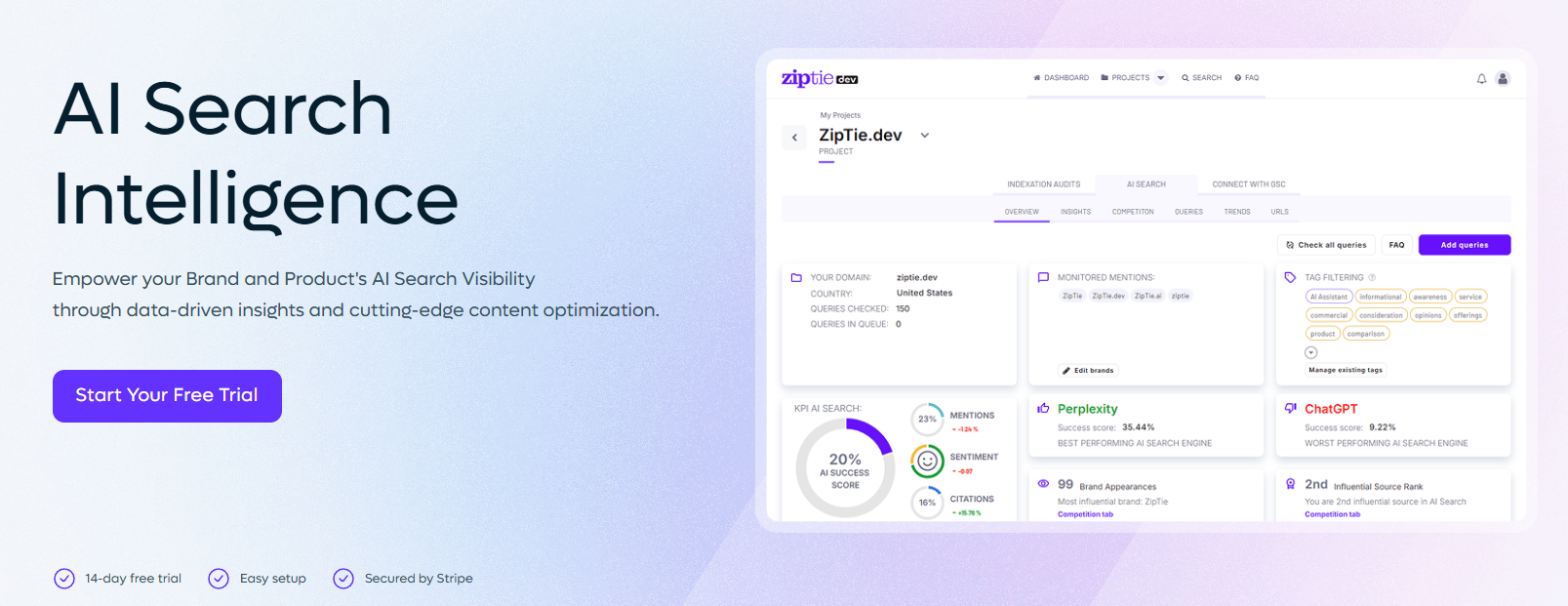
ZipTie.dev was built by the team behind Onely, a technical SEO agency, and that practitioner background shows in how it’s put together. It tracks Google AI Overviews, ChatGPT, and Perplexity, then pairs that monitoring with a content optimization module that tells you specifically what’s missing from a page instead of just flagging that you weren’t cited.
Most tools in this price range only monitor. ZipTie.dev is one of the few answer engine optimization tools that also tells you what to fix, which matters if you’re the one doing the fixing.
LLMrefs
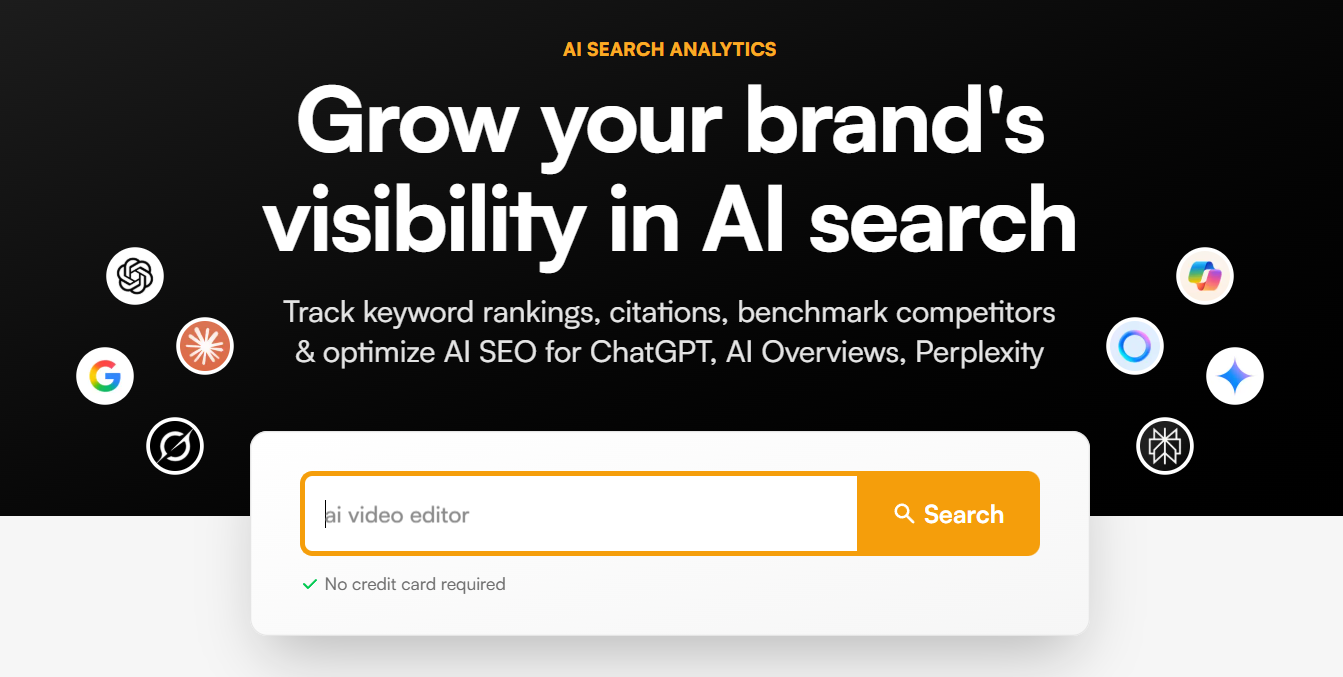
LLMrefs is the budget option among AEO tools on this list, and it doesn’t pretend otherwise. At a flat monthly rate, it tracks brand mentions across ChatGPT, Google AI Overviews, Perplexity, Gemini, and several smaller engines, with a simplified visibility score and straightforward competitor benchmarking.
The tradeoff for the price is depth. You get keyword-level tracking rather than prompt-level diagnostics on your AI answers, which is fine for a first read on where you stand but thinner if you need to know exactly which query triggered a citation.
Rankscale
Rankscale runs on a credit-based system instead of a flat monthly cap, so you pay for what you actually track rather than an arbitrary prompt ceiling. It covers 17 or more AI engines, including some of the less common ones like Mistral and DeepSeek, alongside the usual ChatGPT, Gemini, and Perplexity.
Its page audits break down AI readiness across 200-plus factors across the AI platforms it covers, and it connects to Google Search Console and Google Analytics directly, so your AI visibility data sits next to your regular organic traffic instead of living in a separate silo.
Geneo
Geneo tracks brand mentions and rankings across ChatGPT, Perplexity, and Google AI Overviews, with white-label dashboards built specifically for agencies managing several client accounts at once. Sentiment tracking, competitor benchmarking, and a Brand Visibility Score are the core pieces.
It’s narrower on engine coverage than some of the bigger AEO platforms here, but the agency-first packaging, credit-based pricing, and real-time query simulation make it a reasonable starting point if you’re building out an AEO service line for clients.
Writesonic
Writesonic bolted a GEO module onto its existing AI writing platform, so the pitch is monitoring and content creation in one place. It tracks AI visibility across 10 or more platforms, including ChatGPT, Google AI Overviews, and Claude, and pairs that with an Action Center that scans your indexed content for specific optimization opportunities.
The AI visibility features sit behind Writesonic’s higher-priced tier, so if content generation isn’t already something you want from this tool, the entry price for answer engine optimization and AI search monitoring alone runs steeper than most dedicated trackers on this list.
SE Ranking
SE Ranking folds AI visibility tracking into its existing SEO suite rather than selling it as a separate product, which matters if you’re already running rank tracking, keyword research, and site audits through SE Ranking. Its AI Search Toolkit covers ChatGPT, Perplexity, Gemini, AI Mode, and Google AI Overviews, six AI engines in total, with source analysis showing exactly which domains got pulled into a given AI Overview.
The upside is one login instead of a second subscription. The tradeoff is that the AI-specific features are still newer than the tool’s core SEO functionality.
Rankability
Rankability was built by the team behind Gotch SEO as an all-in-one operating system for agencies, and it’s one of the few AEO tools that treats answer engine optimization as just another line item alongside keyword research, content creation, and rank tracking rather than standing alone.
It monitors AI engines including ChatGPT, Google AI Overviews and AI Mode, Gemini, Perplexity, Claude, and a few less common ones, with a unified score that blends traditional rankings and AI citations into one number.
It’s built for agencies that want one platform and one client report covering both sides of search.
Conductor
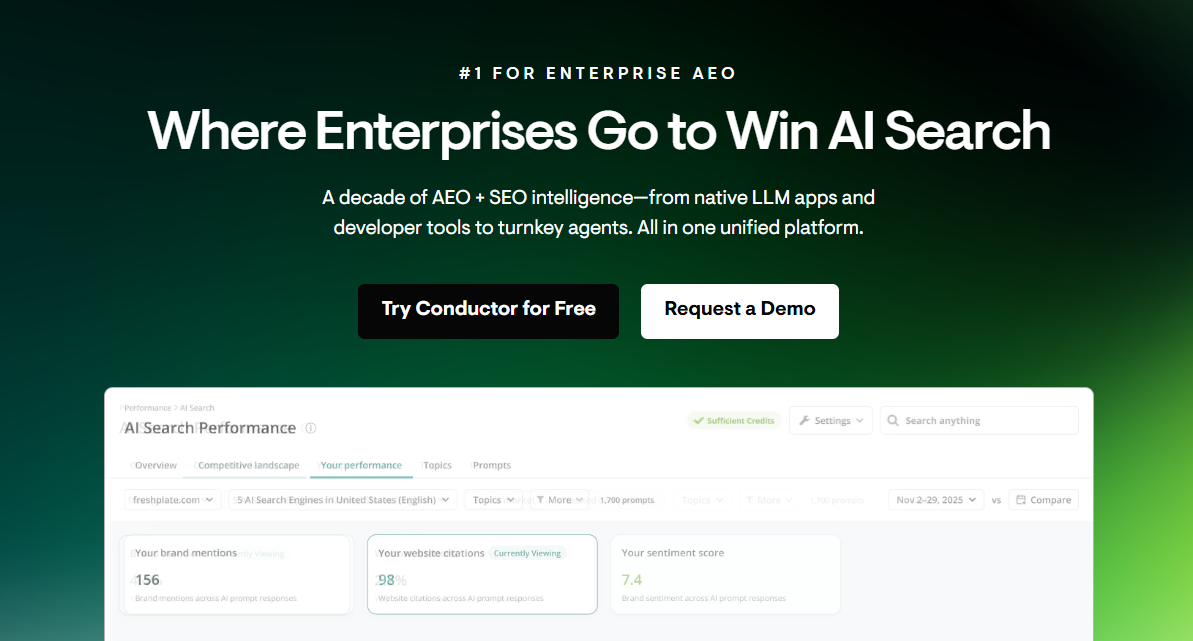
Conductor is an enterprise SEO platform that treats AEO as an extension of the data it already has, pulling in your analytics, Search Console, and keyword rankings to give AEO recommendations that are tied to what’s actually driving your traffic rather than starting from a blank slate.
It tracks visibility across ChatGPT, Perplexity, and Google AI Overviews, two of the AI platforms most enterprise teams care about first, with topical authority mapping and technical SEO checks built in.
seoClarity
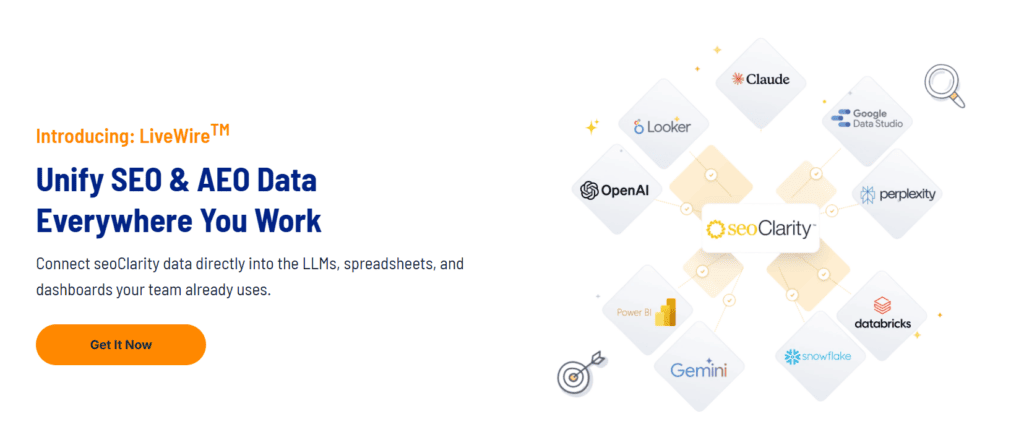
seoClarity’s ArcAI module tracks every AI citation and mention in AI search, researches which prompts and questions are driving demand in your category, and layers sentiment analysis on top of standard visibility tracking. It’s part of a larger enterprise SEO platform, so AI visibility data sits next to your existing keyword and technical SEO work instead of living in a separate tool.
The API access lets you pull AI search visibility data directly into your own dashboards, which matters more the bigger your reporting stack gets.
Nightwatch
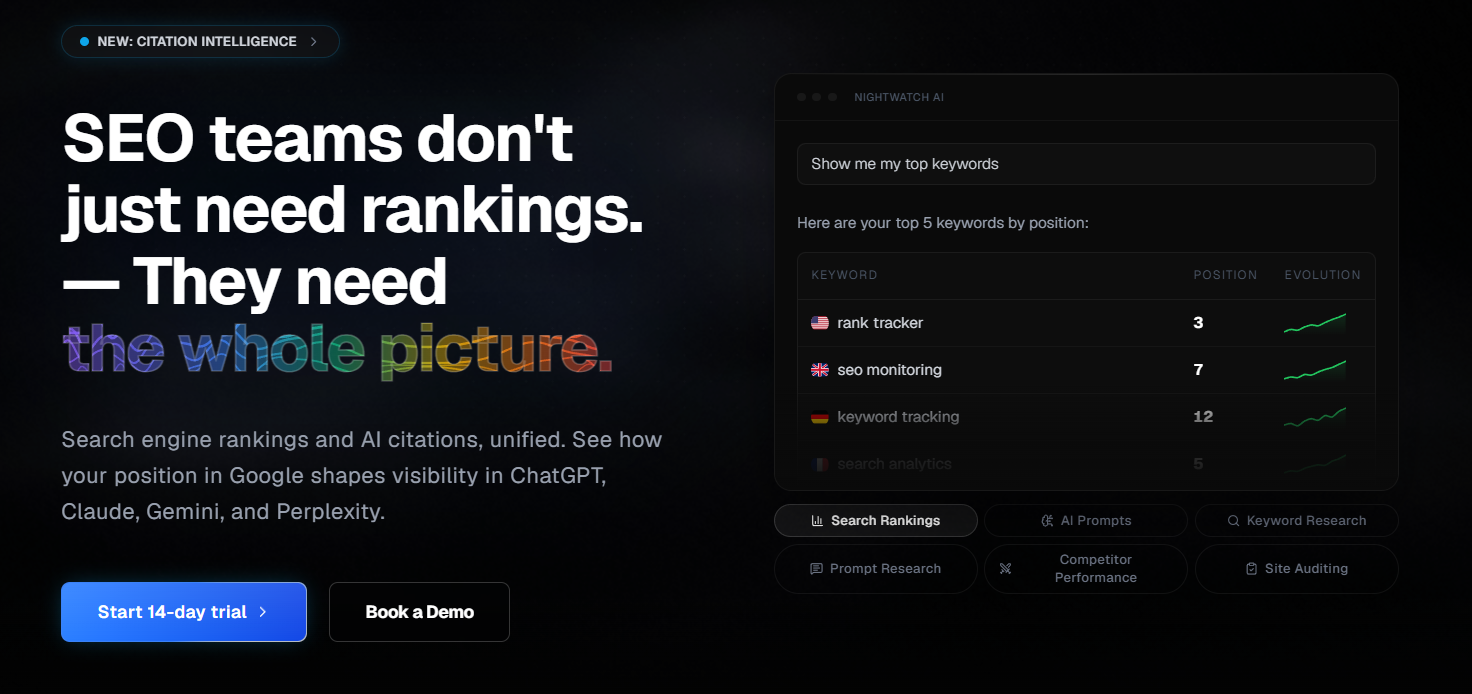
Nightwatch is a rank tracker first, and its AI visibility features layer on top of that core product rather than replacing it. It tracks ChatGPT, Claude, Gemini, and Perplexity, alongside traditional Google, Bing, and YouTube rankings, and it’s one of the few tools that also tracks the real-time web searches AI systems run behind the scenes to generate an answer.
If your main job is still traditional rank tracking and you want AI visibility as an add-on rather than switching to one of the dedicated AEO tools on this list, this is a reasonable way to get both without paying for two separate platforms.
HubSpot AI Search Grader
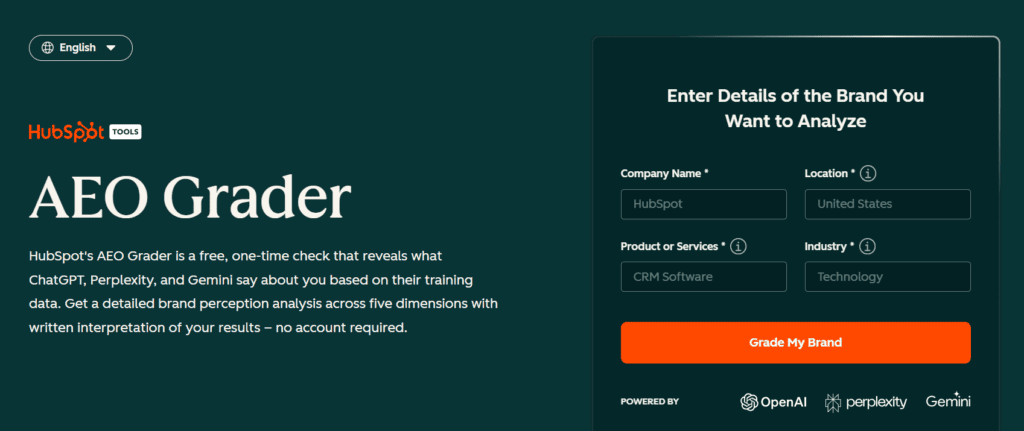
HubSpot AEO is a free, one-time scan that grades your brand’s presence across ChatGPT, Perplexity, and Gemini, scoring things like schema, FAQ markup, and E-E-A-T signals out of 100 as part of a broader answer engine optimization workflow.
It’s not a tracking tool you’d run daily, it’s a starting-point audit that shows you where the gaps are before you commit to a paid AEO platform.
For a quick baseline read on how AI-ready your content is, HubSpot AEO is hard to beat on price. It won’t match a paid AI assistant tracker’s Meta AI-level model coverage, but that was never the point of a free grader.
BrightEdge
BrightEdge’s AI Catalyst module extends its existing enterprise SEO platform to track brand presence across Google AI Overviews, ChatGPT, and Perplexity, the three AI engines it prioritizes, using its DataMind machine learning layer to pull out customer prompts and competitive intelligence at scale. It’s built for Fortune 500 marketing teams already running BrightEdge for traditional search.
The tradeoff is that AI Catalyst comes bundled inside a large, expensive suite rather than as a standalone purchase, so it makes the most sense if you’re already a BrightEdge customer.
Quattr
Quattr bills itself as execution-led rather than monitoring-only, and the product backs that up. It tracks AI visibility across Google AI Overviews, ChatGPT, Perplexity, Gemini, and Copilot, then connects those insights to actual deployed fixes through CMS integrations, automated internal linking, and technical SEO changes, tied back to real Google Search Console and Google Analytics data.
It’s aimed at mid-market and enterprise teams that want one of the more execution-focused AEO tools on the market to close the loop between finding a gap and shipping the fix.
Moz Pro
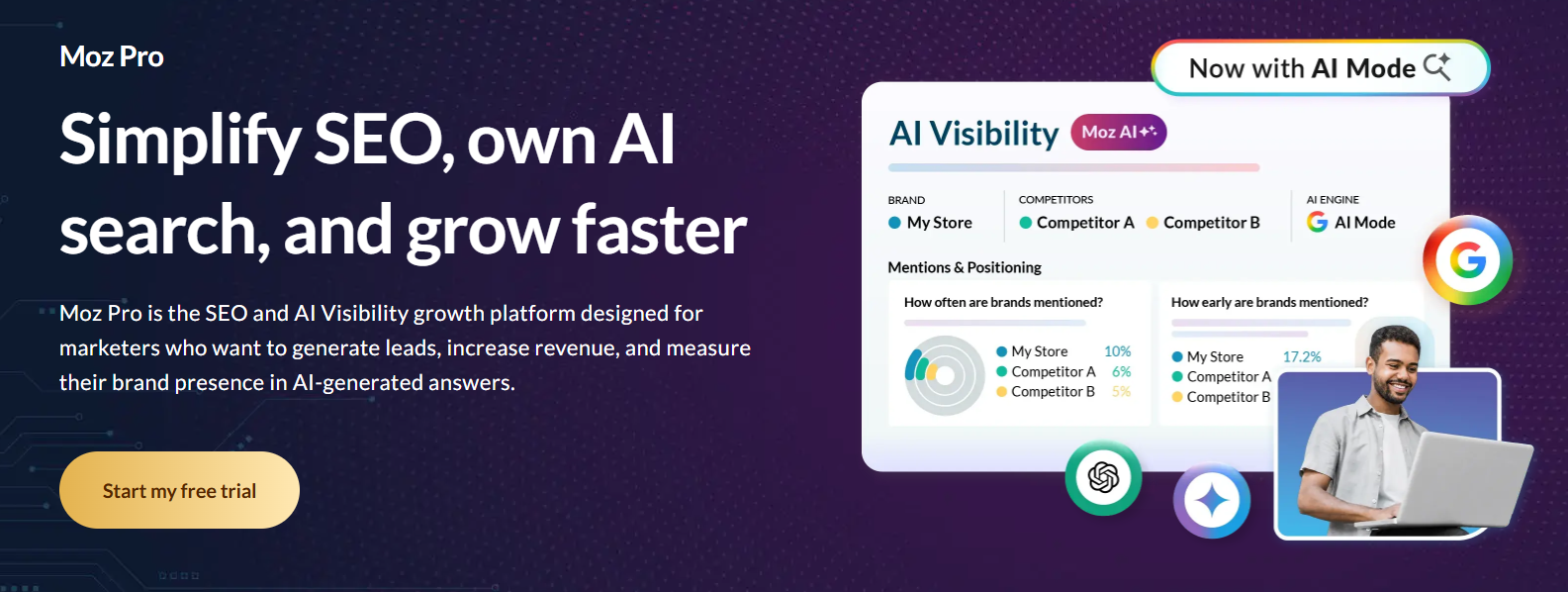
Moz Pro is a long-standing SEO suite covering keyword research, site audits, and backlink analysis, with AI visibility features layered on more recently than most of the dedicated platforms on this list. It’s a reasonable option if your team already lives inside Moz Pro for core SEO work and wants a first look at AI search visibility without adding another subscription.
It won’t match the depth of a purpose-built AEO tool, but it covers the basics.
SISTRIX
SISTRIX has tracked Google visibility since 2008, and its Prompt Tracker extends that same visibility index into AI search, monitoring custom prompts daily across ChatGPT, Perplexity, and Google AI Overviews with sentiment analysis on the AI answers it captures built in. It sits inside the broader SISTRIX SEO suite rather than as a separate product.
It’s a solid fit if SISTRIX’s Visibility Index is already how your team reports on search performance and you want AI visibility tracked the same way.
Similarweb
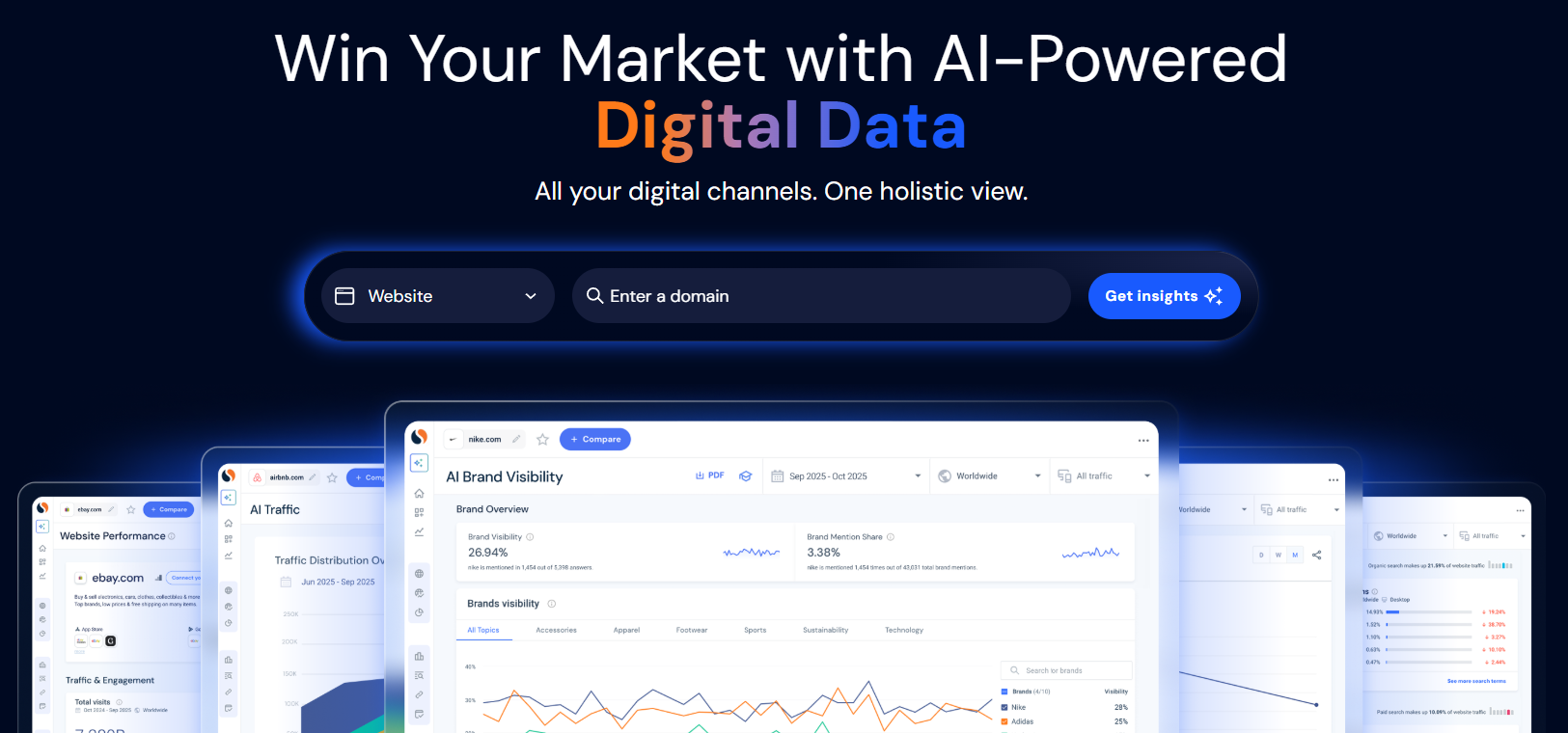
Similarweb’s AI Search Intelligence toolkit covers two different things: AI Brand Visibility, which shows how often AI engines mention and cite you across ChatGPT, Gemini, Perplexity, and Google AI Mode, and AI Traffic, which shows the actual referral traffic those mentions generate. That second piece is the one most other tools on this list don’t have.
Google Search Console lumps AI Overview impressions in with regular organic impressions, so Similarweb’s separate traffic view is useful if you want to know whether a citation from one of these AI models is actually sending anyone to your site.
Link building cheat sheet
Now Over to You
Twenty AEO tools, two very different jobs. Most of what’s on this list monitors: it tells you whether AI systems are mentioning you and how you stack up against competitors on the answer engine optimization front. A smaller handful of AEO tools actually closes the loop and gets you cited in the first place.
Track your AI search visibility with any of the monitoring AEO tools above. Then build the actual citations with Respona.
Frequently Asked Questions (FAQ)
What is answer engine optimization?
Answer engine optimization, or AEO, is the practice of getting your brand mentioned and cited inside AI-generated answers instead of just ranked on a traditional search engine results page. It covers everything from schema and E-E-A-T signals on your own site to earning mentions on the third-party pages AI engines actually pull citations from.
What’s the best AEO tool for a small team versus an enterprise brand?
For a small team just getting started, HubSpot’s free grader or a lower-cost tracker like LLMrefs gives you a baseline reading without much commitment, and if you already pay for Semrush, its AI Visibility Toolkit add-on is worth activating before buying anything new.
For an enterprise brand managing AI visibility across regions and business units, a platform like Brandlight, Evertune, or Conductor is built for that scale of governance and reporting.
How is this different from tools like Scrunch AI or Otterly AI?
Scrunch AI and Otterly AI are both dedicated AI visibility monitors, similar in spirit to several tools on this list, tracking brand mentions and sentiment across AI engines.
If you’ve already tried Scrunch AI or already pay for Otterly AI, you’ll recognize the category, the tools featured here just cover a mix of standalone AEO platforms and SEO suites with AI visibility added on, so you’ll see some overlap in what they measure, just packaged differently.
Is Ahrefs Brand Radar worth using alongside a dedicated AEO tool?
Ahrefs Brand Radar is a solid option if you’re already inside the Ahrefs ecosystem and want a first look at AI citations without adding a new subscription.
Brand Radar plays the same role Semrush AI Visibility or Goodie AI plays for teams already committed to those platforms, useful as a starting point, but most teams serious about AEO eventually add a more specialized AEO tool alongside Ahrefs Brand Radar.
Do I still need structured data if I’m using an AEO tool?
Yes. An AEO tool tells you whether you’re showing up in AI answers, it doesn’t replace the schema and technical groundwork that helps an AI system actually parse your page in the first place. Think of the tool as the AI tracker and that groundwork as what makes the tracking worth doing.
Can these tools get me into Google AI Overviews specifically, or just ChatGPT and other AI chatbot answers?
Most of the tools on this list track Google AI Overviews and AI Mode alongside ChatGPT, Perplexity, and other AI answer engines, so you’re not limited to one platform.
A few, like SE Ranking and Rankscale, lean especially hard on Google’s AI Overview features and AI Mode coverage if that’s your main priority.
How is HubSpot’s free tool different from a full AEO platform?
It’s a one-time snapshot, not ongoing AI visibility tracking. It’s useful as an initial gut check, giving you optimization guidance on where your schema and content might be falling short, but it won’t show you AI mentions changing week over week the way a dedicated AI tracker or AEO platform will.