

Reviews are one of the most powerful trust signals you have. People read them before they buy, and increasingly, so do AI engines when they decide which brands to recommend. So getting more of them, and managing the ones you have, is worth taking seriously.
That’s where review management software comes in.
The right platform helps you request reviews, respond to them, monitor what people are saying, and turn all that customer feedback into something useful. Whether you care most about google reviews, online reviews on third-party sites, or your broader reputation, there’s a tool built for it.
But review management isn’t just about collecting stars.
It’s about the whole picture: your reputation across the web, the feedback you gather, and even the roundups and listicles that mention you, which function as reviews in their own right.
So this list covers a range, from a tool that lands you in those “top 10” placements to platforms built for multi-location review management at scale.
Let’s get into it.

Link building cheat sheet
Respona – Best for Landing “Top 10” Listicle and Roundup Placements
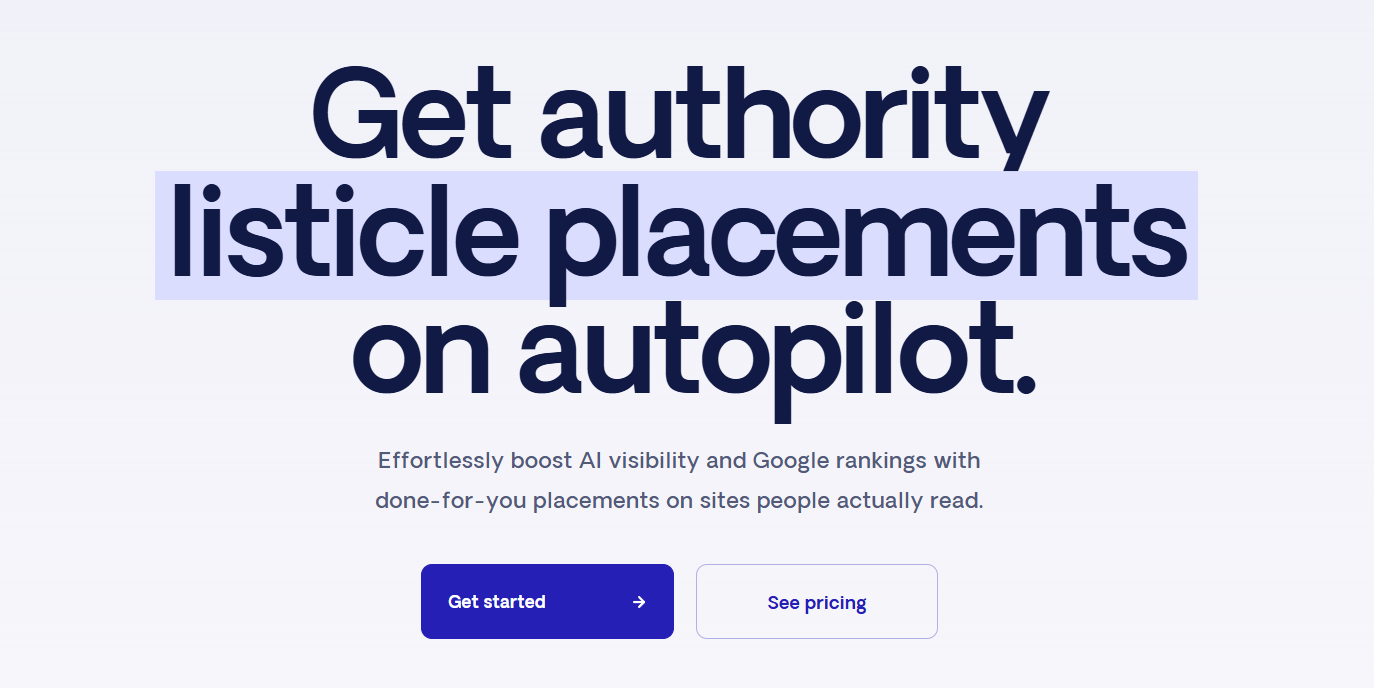
Let’s start with a different kind of review management.
When someone searches “best tools for X” and lands on a roundup that features you, that listing works exactly like a review: a third party vouching for you in front of a potential customer.
Respona is the tool for earning those placements.
To be clear, Respona isn’t a star-collection platform like the others on this list. It’s a done-for-you link building service that gets your brand featured in the articles, listicles, and roundups people (and AI engines) read as recommendations.
You place an order with your target URL and the AI prompts you want to get cited for, and its team runs the outreach to land you in those pieces.
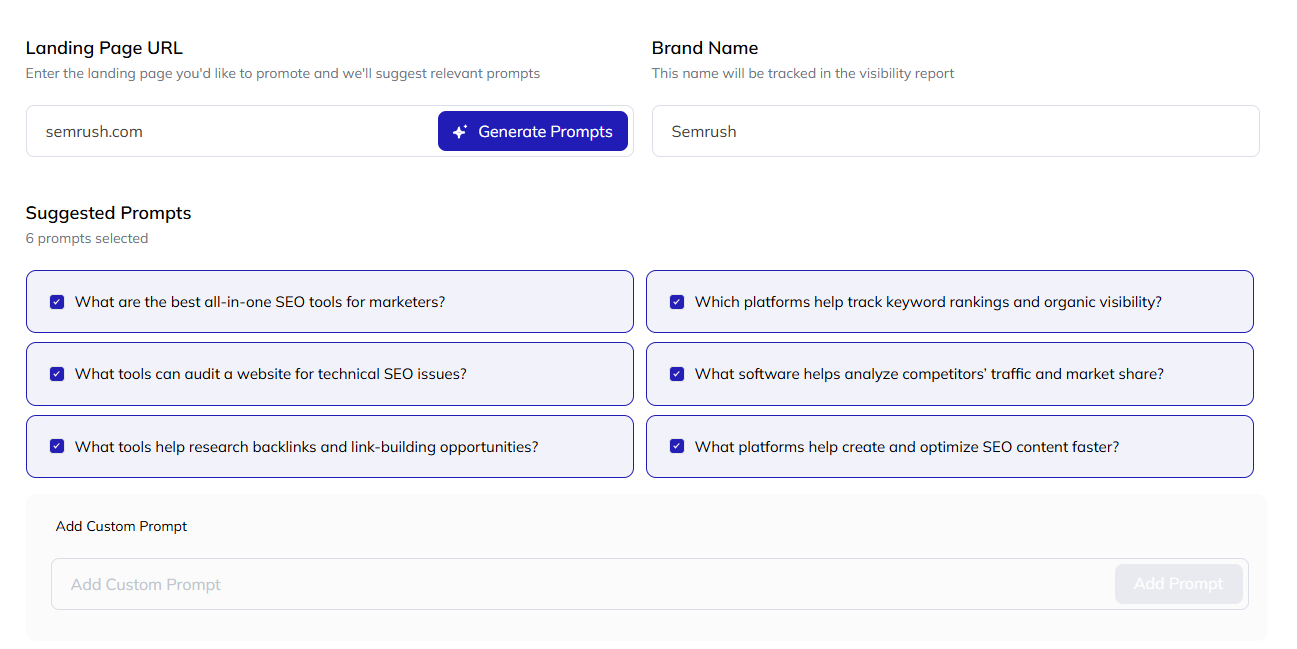
Those placements do double duty.
They drive the same trust that reviews do, and because AI answer engines pull heavily from third-party articles, they also grow your visibility across ChatGPT, Perplexity, Google AI Overviews, Gemini, Claude, and Microsoft Copilot.
The built-in tracker gives you clear analytics on where you show up, and those analytics update as your placements land.
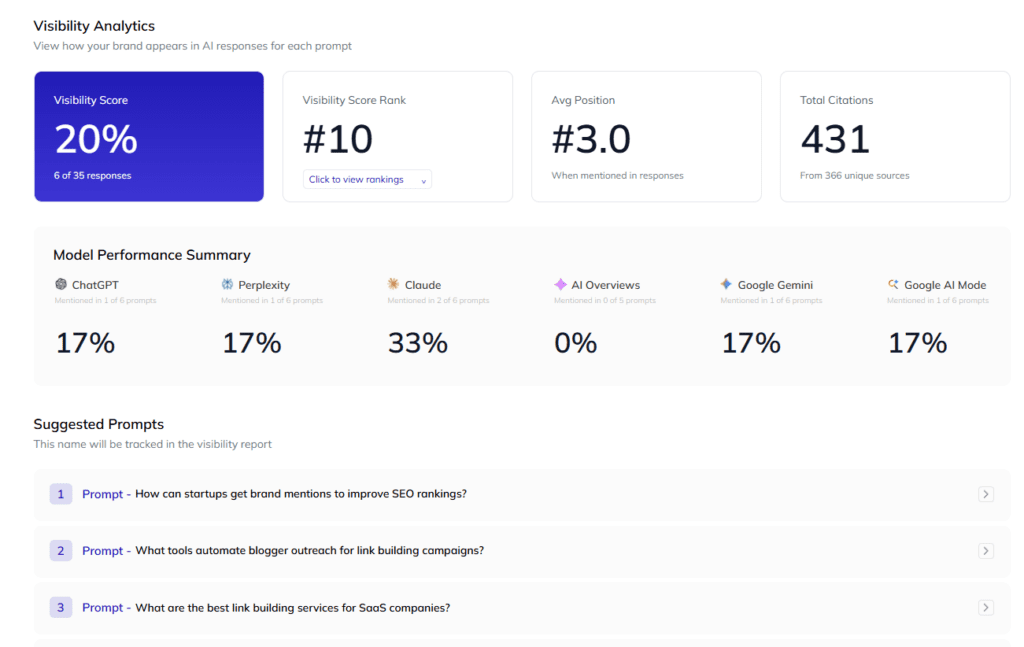
Pricing is pay-per-placement with no retainer, and around 80% of customers are agencies.
If “getting new reviews” includes the roundup placements buyers trust most, Respona is where to start.
Birdeye – Best for Multi-Location Businesses Managing Reviews at Scale

Birdeye is one of the best-known names in review management software, and it shines for businesses running many locations at once.
If you’ve got dozens or hundreds of storefronts, managing reviews for each one manually is a nightmare, and this platform is built to solve exactly that.
From a single dashboard, you can handle review generation, responses, and monitoring across every location, with analytics that roll up into one view.
It pulls in google reviews and reviews from other sites, helps you send review requests automatically, and gives you a read on your reputation location by location.
It also centralizes the customer feedback each location gathers, so review collection never happens in a vacuum.
The review volume it can help you generate at scale is its real strength, and it’s routinely named among the best review management software for enterprises. For franchises and multi-location brands, it’s a strong pick.
Podium – Best for Collecting Reviews via Text and SMS
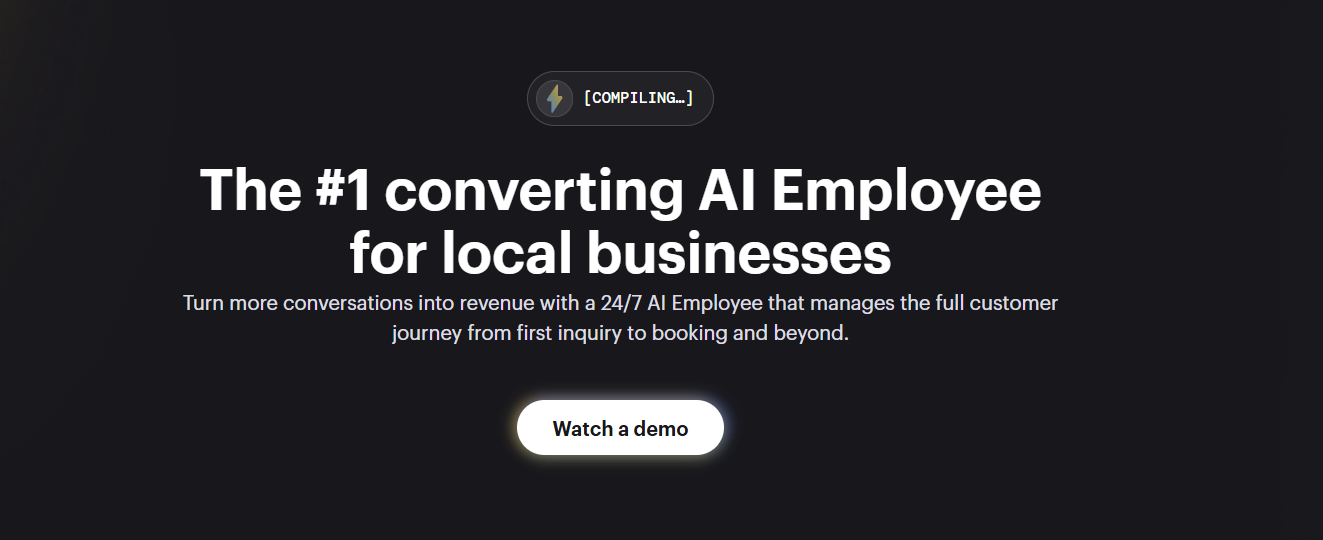
Podium’s big idea is simple: people respond to texts far more than emails, so it collects reviews over SMS.
That one insight makes it a genuinely effective tool for getting more reviews out of the customers you already have.
After a purchase or a service, Podium sends automated review requests by text with a direct link, removing nearly all the friction.
Fewer clicks means more completed customer reviews. Beyond the ask, it doubles as a customer interaction hub, with messaging, payments, and follow-ups on one platform, and it organizes the customer feedback that comes back.
If your customers are the kind who’ll tap a text link but never open a review-request email, Podium is built for you.
Trustpilot – Best for Building a Public, Trust-Driven Review Profile
Trustpilot is less a private tool and more a public review platform where your reputation lives out in the open. For ecommerce and consumer brands, a strong Trustpilot profile has become a genuine trust marker that shoppers look for before buying.
It’s built around collecting and displaying online reviews at scale, with tools to invite customers, respond publicly, and show off your rating on your own site. It also has systems to flag fake reviews, which keeps the whole thing credible.
Its analytics show you how your online reviews trend over time. Because so much of the customer experience now starts with “let me check their Trustpilot,” having an active, well-managed presence there directly shapes your reputation with new buyers.
Yotpo – Best for Ecommerce Product Reviews and User-Generated Content
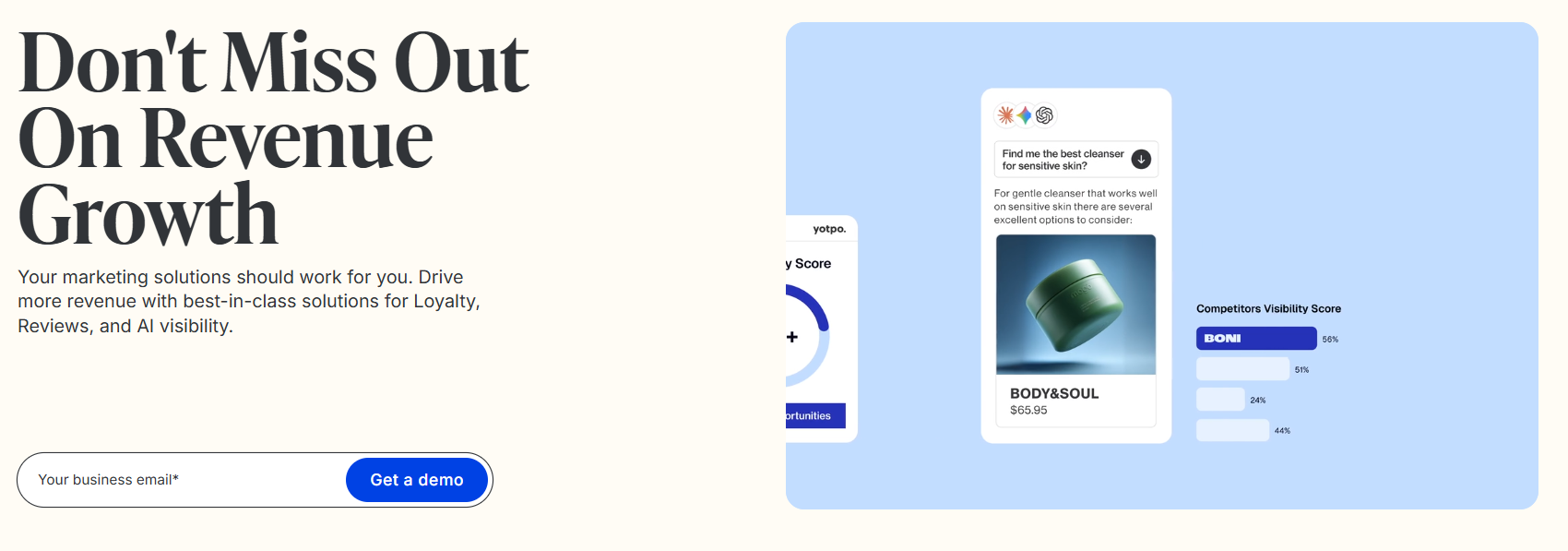
Yotpo is built for online stores, with a heavy focus on product-level customer reviews and user-generated content. If you sell physical products, the reviews attached to each item matter enormously, and Yotpo specializes in gathering and showing them off.
Its review collection tools request reviews after purchase, and its review widget displays them right on your product pages, complete with photos and ratings customers submit. Those positive reviews sitting on the product page are often the final nudge a shopper needs.
Its review collection tools also gather the customer feedback behind each rating, and even a single strong positive review on a product page can tip a purchase. It ties into loyalty and SMS features too, so the reviews feed a broader ecommerce marketing motion rather than sitting in a silo.
NiceJob – Best for Automated Review Requests on Autopilot
NiceJob does one thing extremely well: it puts review generation on autopilot for small businesses. Set it up once, and it keeps asking your customers for reviews without you lifting a finger.
It automatically sends review requests after a job or sale, follows up with people who don’t respond, and funnels the resulting customer feedback to the sites that matter most for you.
It gives you simple analytics on what’s working, and channels every bit of customer feedback somewhere useful. For a busy small business owner who knows they should be asking for reviews but never gets around to it, this review management software takes the whole task off your plate. Simple, focused, and effective.
Grade.us – Best for Agencies Running White-Label Review Campaigns
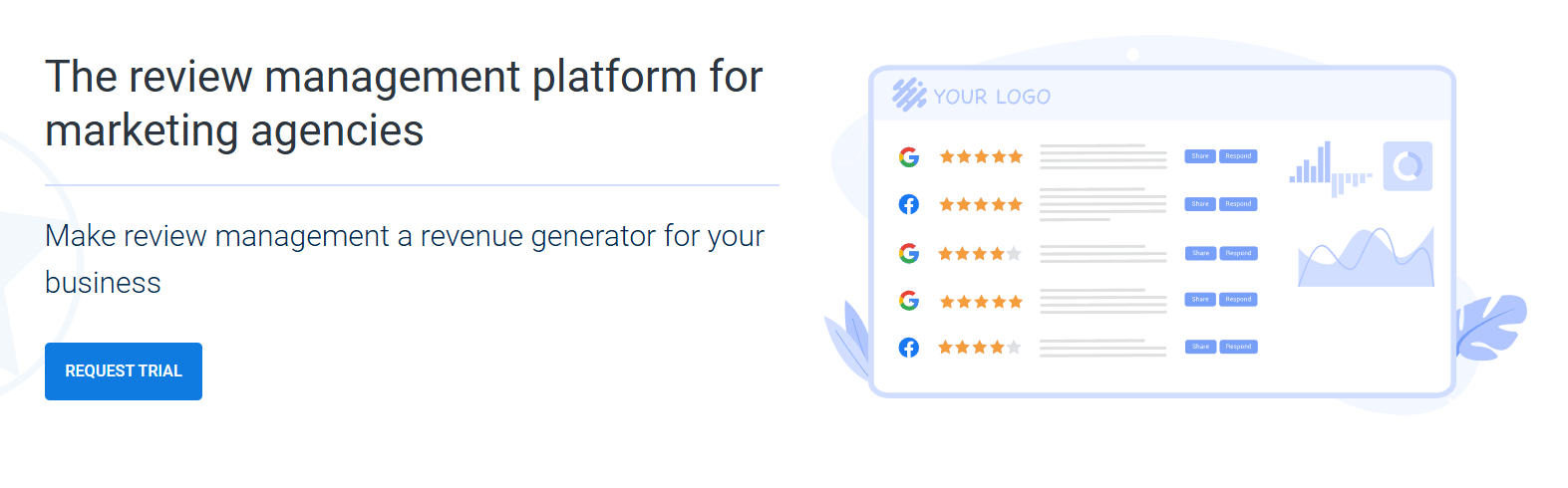
Grade.us is built with agencies in mind. If you manage reviews on behalf of clients, its white-label platform lets you run campaigns under your own brand rather than a vendor’s.
It handles review monitoring across the major sites, routes happy customers to leave public reviews, and gives you the review response and reporting tools you need to show clients their results.
The analytics and client-ready reports are the selling point here, since agencies live and die by proving value, and its customer support is geared toward agency workflows. Everything runs on one white-label platform. If reviews are a service you resell, this is the management tool designed for that model.
Reputation – Best for Enterprise Reputation Management
Reputation (the company is literally named that) is enterprise-grade reputation management software, built for big brands that need to track sentiment across thousands of touchpoints. This is the heavyweight option on the list.
It goes well beyond collecting reviews, using sentiment analysis to read the mood across reviews, surveys, and social, then turning it into actionable insights leadership can act on.
Its sentiment analysis and analytics tie customer feedback and customer experience data back to business outcomes, which is exactly what enterprise teams need to justify the spend. That depth of sentiment analysis is rare at this scale.
For a large organization managing reputation across many markets and channels, this is the serious pick.
GatherUp – Best for Local Businesses Tying Reviews to Local SEO
GatherUp is a favorite for local businesses because it connects your reviews directly to local search performance. For a business that lives on “near me” searches, a solid google review management tool is the whole game, and GatherUp is built around it.
It handles review generation and requests, then helps you get those reviews onto Google and other local sites where they boost your local rankings.
The platform also gathers customer feedback you can act on, pulls in your online reviews from across the local web, and turns your best reviews into content for your site.
If your growth depends on showing up in local search, tying your reviews to that goal (the way GatherUp does) makes a real difference.
Broadly – Best for Local Service Businesses
Broadly rounds out the list, built for local service businesses like home services, clinics, and contractors. It focuses on helping these smaller, service-based companies collect reviews and manage customer feedback without a lot of overhead.
It sends automated requests after a job, makes it easy for customers to leave a review on their Google listing, and bundles in messaging and follow-up tools to keep the whole customer relationship warm.
It pulls together the customer feedback each job generates and gives you simple analytics to track it.
As a review management platform goes, it’s approachable and priced for smaller operators rather than enterprises. For a plumber, dentist, or landscaper who wants more reviews without a steep learning curve, Broadly fits nicely.
Link building cheat sheet
Now Over to You
So there’s your rundown of the ten best review management tools, each strong for a different kind of business, from local service shops to enterprise brands.
The honest takeaway is that “review management” means different things depending on your goals. If yours include earning the “top 10” roundup placements that work like reviews and grow your reputation across both Google and AI answers, that’s where we come in.
Place your first order and our team will land you in the listicles and roundups your buyers actually read.
Frequently Asked Questions (FAQ)
What’s the difference between review management and reputation management?
Review management is the narrower task of collecting, responding to, and monitoring reviews.
Reputation management, sometimes called online review management when it centers on reviews, is broader: it covers your entire online image, including reviews, brand mentions, and press.
A good reputation management tool usually includes review features, but the reverse isn’t always true, so pick based on how wide your needs are.
How do I get more google reviews specifically?
Ask, consistently and at the right moment. The best google review management software sends a request right after a positive customer interaction, when goodwill is highest.
Make it a one-tap experience, follow up once with people who don’t respond, and never buy fake reviews, since a single customer review earned honestly is worth more than ten fake ones, and Google actively removes the fakes.
Can these tools help with negative reviews?
Yes. Most include review monitoring that alerts you the moment a negative review lands, so you can respond quickly and professionally.
A fast, genuine review response often turns an unhappy customer around and shows everyone else you actually care. You can’t (and shouldn’t try to) erase every bad review, but managing them well protects your reputation.
Which tool is best for a small business on a budget?
For most small businesses, a focused option like NiceJob or Broadly gives you review requests on autopilot without enterprise pricing.
If you want the widest set of tools and don’t mind comparing a few, it’s worth reading a SocialPilot review alongside these too, since the right management tool really depends on your review volume and which review site matters most to you.
Do reviews actually affect my search rankings?
They do, especially locally. Reviews are a ranking signal for local search, and the ability to manage Google listings and gather steady, positive reviews helps you show up in the map pack.
Beyond rankings, reviews shape the customer experience before someone even visits your site, and they increasingly influence what AI engines say about you.
What features should I look for in review management software?
Prioritize easy review requests, solid monitoring and alerts, a clean way to handle review response, and reporting with genuine analytics and actionable insights rather than vanity numbers.
A standout feature to look for is automation, since the tools that quietly keep asking for reviews and gathering customer feedback in the background are the ones that actually move your review volume.
Strong customer support and good customer engagement features round out a platform worth paying for, and responsive customer support matters most on the day something goes wrong.