
Google is sending fewer clicks than it used to.
Not because people stopped searching, but because they’re getting the answer without leaving the page.
Between Google AI overview, featured snippet boxes, People Also Ask, and even voice search, the search result itself is now the destination.
That’s what zero click searches are.
And yeah, they can kill website traffic.
But they also control what users see, trust, and buy.
If your brand shows up in a zero click search for something like “best SEO tools” or “top agencies for SaaS,” you don’t need the click. You’re already influencing the decision.
In this guide, we’ll break down how zero click searches work, when content matters, when links matter more, and how to use link building to actually show up where it counts.
Key Takeaways:
- Zero click searches happen when users get an answer directly in Google search without clicking through
- AI search, featured snippets, and People Also Ask boxes are the main drivers of zero click results
- For informational queries, structured content increases your chances of being the answer
- For commercial queries, third-party sites matter more than your own page
- Listicle placements are one of the most effective ways to rank in zero click searches
- Links and brand mentions improve search visibility across search engines and AI systems
- Zero click doesn’t mean zero value, it means fewer clicks but more influence over users

Link building cheat sheet
What Are Zero Click Searches?
A zero click search happens when someone types a query into Google search and gets what they need without clicking anything.
The answer is already there.
It might come from a featured snippet, a People Also Ask box, a knowledge panel, or a Google AI overview. Sometimes it’s just a direct answer box sitting at the top of the page.
All of these are designed to do the same thing.
Keep users on the search engine.
That’s why zero click searches lead to fewer clicks and lower website traffic, even when your content is technically ranking.
But focusing only on the click misses the point.
Because even without a click, the user still sees something. They read the answer. They see the brand. And that shapes what they do next.
This matters a lot more for commercial queries.
If someone searches something like “best CRM for startups” and your brand shows up in that answer, you’re already part of the decision.
You don’t need to win the click to win the user.
How Do Zero Click Searches Work?
Most zero click searches aren’t powered by anything new.
They’re just built on top of Google search.
Google looks at the top search results, pulls pieces of content from those pages, and turns them into an answer directly on the SERP. Whether it’s a featured snippet, People Also Ask, or a Google AI overview, the process is pretty similar.
It starts with what already ranks.
If your page isn’t in those top results, it’s very unlikely to be used. These systems don’t go digging through the entire web. They rely on content Google already trusts.
From there, it depends on the search intent.
For informational queries, Google is looking for something clean it can extract. A definition, a short explanation, a list. That’s why structured content works so well. It gives the system something it can lift and turn into an answer.
For commercial queries, the logic shifts.
Instead of relying only on your page, Google looks across multiple sources. Listicles, directories, review sites. Places where different options are already being compared.
That’s where most of the “best tools” and “top services” answers come from.
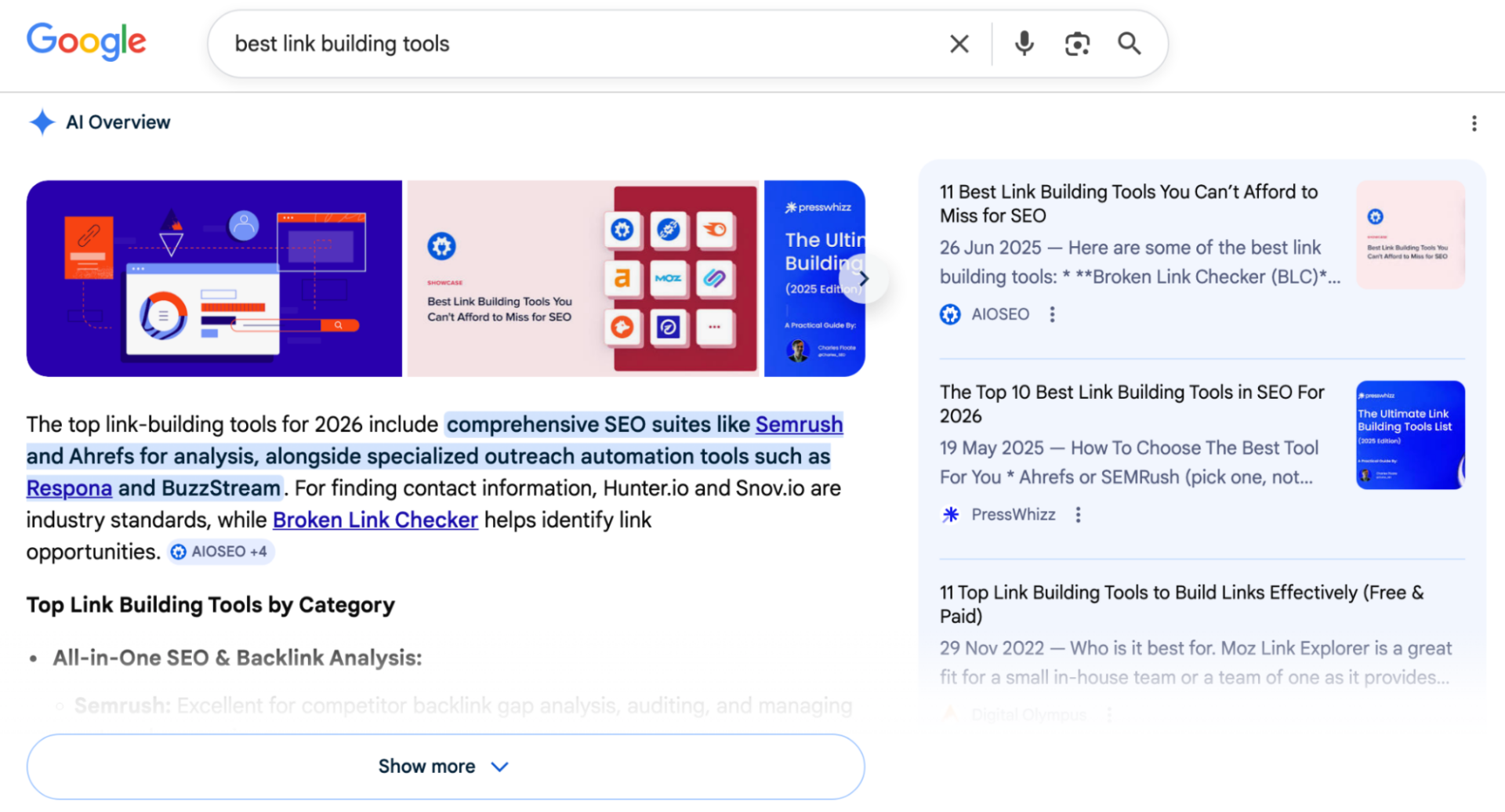
So you end up with two different paths.
If the query is informational, your own content matters most. You need to structure it so it can be pulled into a direct answer.
If the query is commercial, your presence across other sites matters more. The more often your brand shows up in those third-party pages, the more likely it is to be included.
Either way, the rule is the same.
You don’t get picked unless you’re already visible.
Optimize On-Page Content
For informational zero click searches, your own content is what gets pulled.
So it needs to be easy to extract.
That usually means answering the query immediately under a heading. No long intros, no buildup. Just give the answer in a clean, direct way, then expand below if needed.
Keep sections short.
A paragraph that clearly answers a question has a much higher chance of being used in a featured snippet or Google AI overview than a long block of text.
Formatting matters a lot for parsing.
Use headings, lists, and simple structure so Google can quickly understand what each section is about. This is basic search engine optimization, but it matters more here because the system is looking for something it can lift without rewriting.
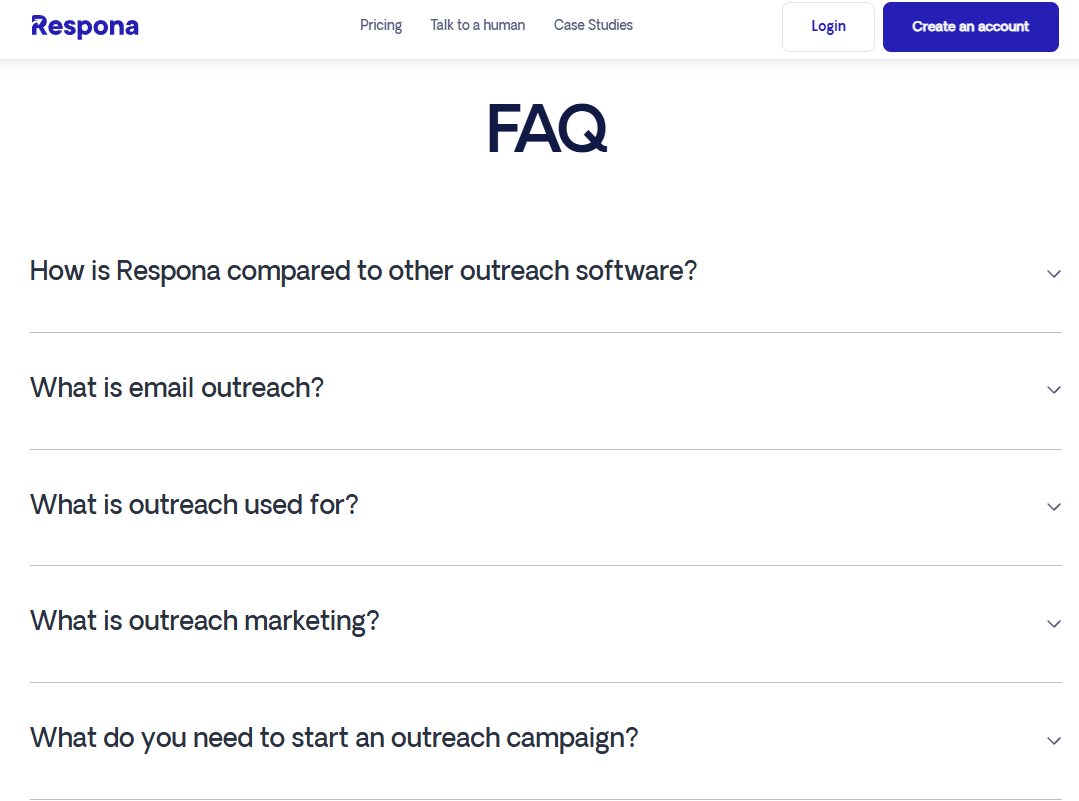
FAQ and key takeaways sections are awesome for this too.
In essence, it’s still traditional on-page SEO.
You’re just optimizing for position zero instead of just rankings.
Make the answer obvious, and Google will do the rest.
Get Listicle Links
For commercial zero click searches, Google pulls from other sites, not yours.
Think “best tools” or “top agencies.” Those answers come from listicles, directories, and comparison pages.
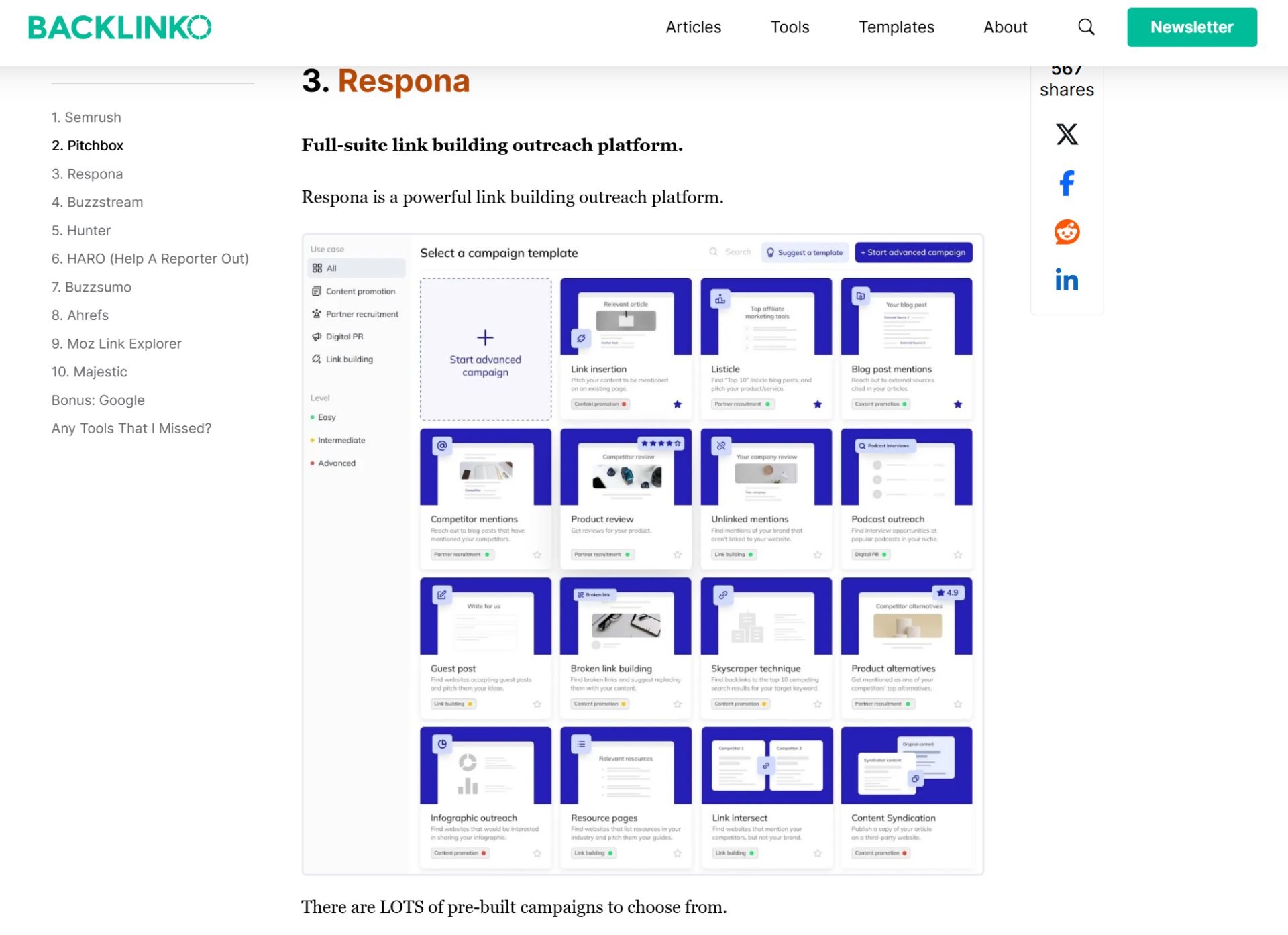
If your brand isn’t on those pages, you don’t show up. Simple as that.
Listicles are the ultimate backlink right now. They drive commercial traffic, send you organic ranking signals, and improve your AI visibility.
And they stack.
The more of these placements you have, the more often your name shows up across search results, AI search, and voice search.
You’re not just building links. You’re building presence across the sources Google trusts.
That’s what we focus on with Respona.
We help you get placed on listicles and pages that already rank for commercial queries, so you show up in both zero click searches and regular results.
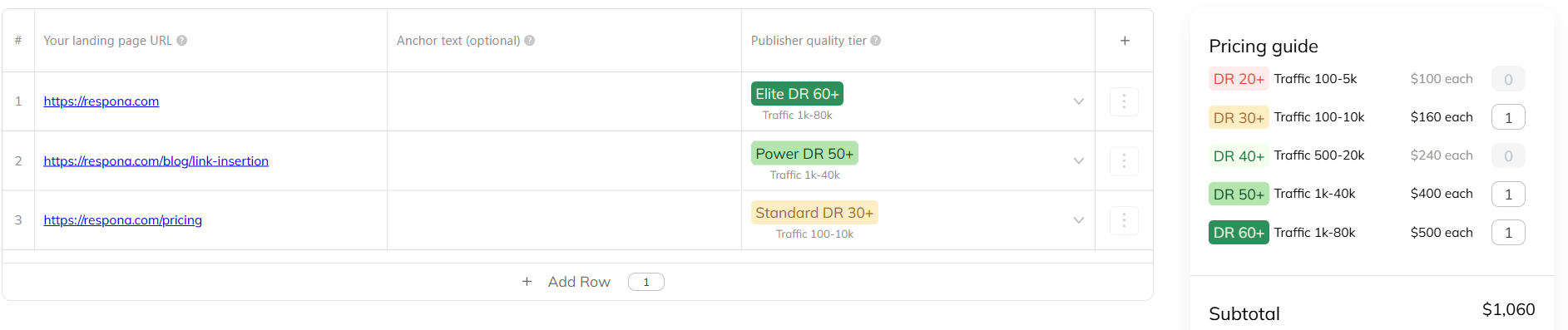
All you have to do is place an order with your target URL and any additional guidelines and we’ll handle the rest.
And with our Campaigns feature, you can find exact articles that are being cited for relevant commercial queries right now – and get links from them.
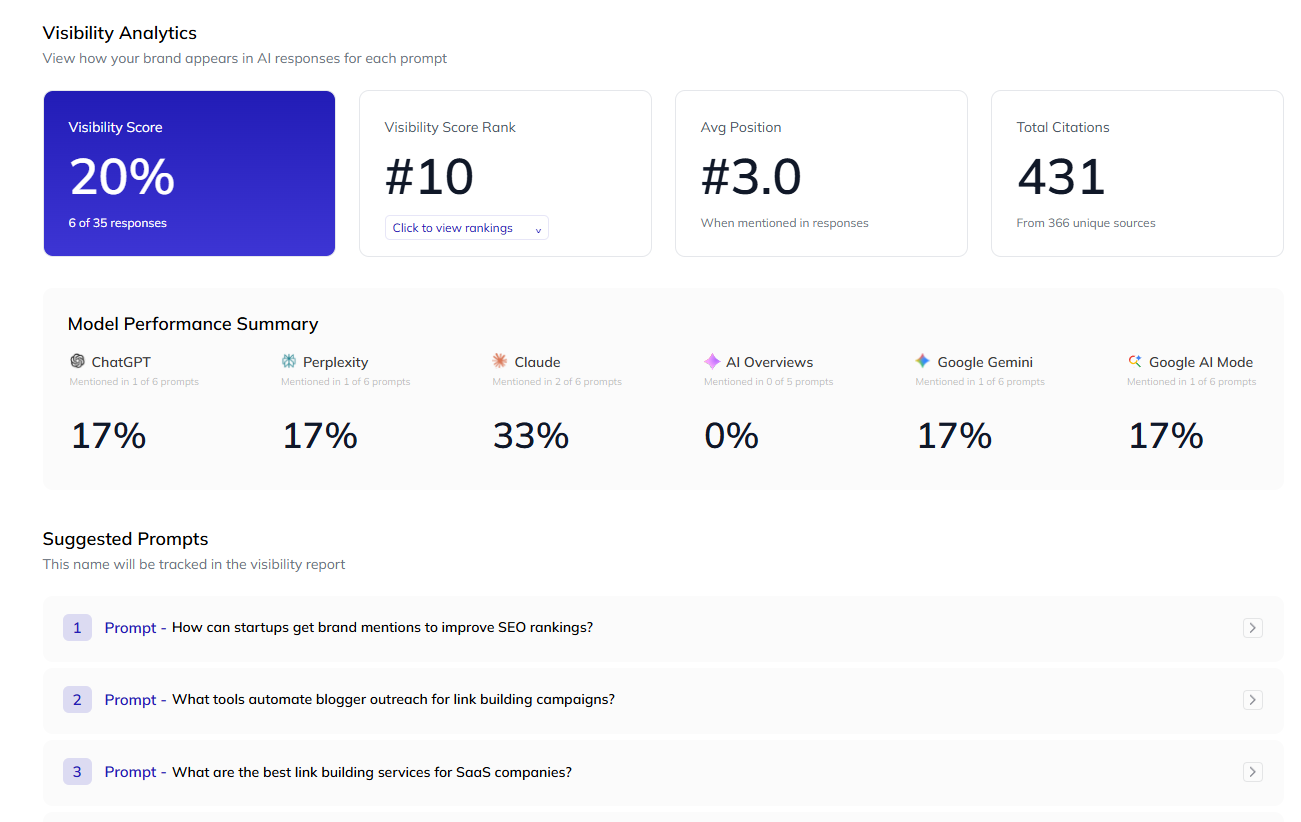
No guesswork. Just placements where it actually moves the needle.
It also tracks your visibility across 6 answer engines over time, and constantly finds new link insertion opportunities in articles that are actively getting cited.
Link building cheat sheet
Now Over To You
Zero click isn’t going away.
Google search is moving toward answers, not links. Between AI search, featured snippets, and other SERP features, fewer clicks are the new normal.
So the goal changes.
You’re not just trying to rank. You’re trying to show up in the answer.
That means two things.
Make your content easy to extract for informational queries. And make sure your brand shows up across other sites for commercial ones.
If you get both right, you don’t just get clicks. You influence decisions before the click even happens.
If you want to speed that up, off-page is where to focus.
That’s what we do with Respona.
We help you get placements on pages that already rank in Google search and already show up across zero click results, so you improve both search visibility and influence at the same time.
Frequently Asked Questions (FAQ)
What are zero click searches?
Zero click searches are search results where users get an answer directly on the Google SERP without clicking a result. These include featured snippets, People Also Ask, knowledge panels, direct answer boxes, and Google AI overview results.
Why are zero click searches increasing?
Zero click searches are increasing because search engines like Google are focusing on answers instead of clicks. AI search, voice search, and SERP features all reduce the need for users to leave the page, leading to fewer clicks but faster answers.
How do zero click searches work?
Most zero click searches work by pulling content from top Google search results and turning it into an answer. Whether it’s a snippet, a People Also Ask box, or a Google AI overview, the system extracts content that already ranks.
What is the difference between zero click search and traditional SEO?
Traditional SEO focuses on getting a click result from organic search. Zero click search focuses on showing up in the answer itself, even if it leads to fewer clicks and less direct website traffic.
What types of SERP features drive zero click results?
Common SERP features include featured snippets, People Also Ask boxes, knowledge panels, direct answer boxes, and rich snippets. These are all designed to provide answers directly in the search result.
Do backlinks still matter for zero click searches?
Yes. Links and brand mentions improve search visibility across search engines and increase your chances of appearing in answers, especially for competitive queries.
What role does content play in zero click searches?
Content is what gets extracted and turned into the answer. Clear structure, strong keyword targeting, and alignment with search queries make it easier for Google to use your content in zero click results.
How do zero click searches affect website traffic?
They often reduce website traffic because users don’t need to click. But they increase visibility and influence, especially for commercial queries where being part of the answer matters more than the click.
How can I track zero click performance?
You can use Google Search Console and Google Analytics to monitor impressions, search queries, and click-through rates. A drop in clicks with stable impressions is usually a sign of more zero click activity.
How do I optimize for zero click searches?
Focus on structured content for informational queries and strong off-page presence for commercial queries. This includes listicle placements, directory listings like Google Business Profile, and broader digital marketing efforts.
What queries are most likely to trigger zero click results?
Informational queries, question-based queries, and voice search queries are more likely to trigger zero click results. These are easier for Google to turn into direct answers.
What is position zero?
Position zero refers to the featured snippet or top answer box that appears above regular search results. It’s one of the most common forms of zero click visibility.
Does local SEO matter for zero click searches?
Yes. For local queries, results like Google Maps and Google Business Profile listings often appear directly in the search result, reducing clicks but increasing visibility.
How does Google AI overview affect zero click searches?
Google AI overview and Google’s AI pull from multiple sources to generate answers. This increases the number of zero click searches because users get a complete answer without clicking through.
What should my SEO strategy look like?
Your SEO strategy should combine traditional SEO, content marketing, and off-page work. The goal is to improve search visibility across both organic search and zero click results.
Where can I learn more about zero click trends?
Sites like Search Engine Land often cover updates to Google search, SERP features, and changes in search behavior that impact zero click searches.