
AI search is changing how content gets discovered.
Instead of just listing links like traditional SEO, AI powered search systems now generate answers directly in the interface. Google AI Overviews, ChatGPT, Perplexity, and other AI platforms summarize information and cite the sources they trust.
If your brand is not one of those sources, you are invisible in that part of AI search.
That is why AI optimization is becoming such a big topic in digital marketing.
The important thing to understand is that AI optimization is not replacing SEO. It builds on top of it. The same things that helped you rank in Google search still matter. Strong content, good links, and clear structure are still the foundation.
The difference is that now those signals influence whether AI systems cite you inside AI generated answers.
Below are five AI optimization strategies that consistently help increase AI citations and visibility across different AI systems and AI search results.
Key Takeaways:
- AI optimization is essentially AI search optimization, extending traditional SEO into AI search and AI generated answers.
- To appear in Google AI Overviews, you usually need to rank well already or be mentioned on pages that rank in the top results.
- Other AI systems rely heavily on mentions across different sources when deciding what to cite.
- Well structured content makes it easier for AI systems to understand and reference your pages.
- The brands that keep getting cited in AI responses are usually the ones that appear consistently across multiple authoritative articles and sources across the web.

Link building cheat sheet
AI Optimization is SEO on Steroids
A lot of people talk about AI optimization like it replaces SEO.
It doesn’t.
AI optimization works similarly to traditional search engine optimization, but AI systems rely heavily on machine learning and AI algorithms to evaluate sources and patterns across the web.
The same signals that influence search engine optimization still matter.
Links, authority, and well-structured content are still what help search engines and AI systems decide which sources deserve to be referenced.
For example, Google’s AI Overview often pulls information from pages that already rank well in Google search results.
This shift is part of a broader move toward generative AI and answer engine behavior, where AI platforms generate answers instead of simply returning a search result.
If you are not ranking in the top results, your chances of appearing in Google AI Overviews are much lower.
There are usually two ways brands get cited there.
Strong links, solid content, and good on-page optimization push the page into the top positions, and Google’s AI systems pull information directly from those pages when generating answers.
Second, your brand is mentioned inside the pages that rank in the top results. When several high-ranking articles reference the same brand, AI systems start associating that brand with the topic and include it in the generated response.
For other AI systems like ChatGPT, Perplexity, and Claude, the pattern is even more obvious. These models rely heavily on mentions across third-party sources.
The brands that appear repeatedly across different articles tend to show up more often in AI responses.
3 Strategies to Rank in Google AI Overviews
Structure Your Content for AI
If your content is hard to scan, AI systems are much less likely to cite it.
AI models are trained on large datasets and natural language, which means clearly structured content is much easier for AI systems to interpret.
When they generate AI responses, they tend to pull from pages where the answer is clear, structured, and easy to summarize.
Think about how most people actually write blog posts.
They start with a long introduction, then slowly work their way toward the answer. That format might work for storytelling, but it makes it harder for AI systems to extract useful information.
Pages that get cited in AI Overviews usually do the opposite.
They answer the question immediately and then expand on it.
Key takeaways and FAQ sections also help massively:
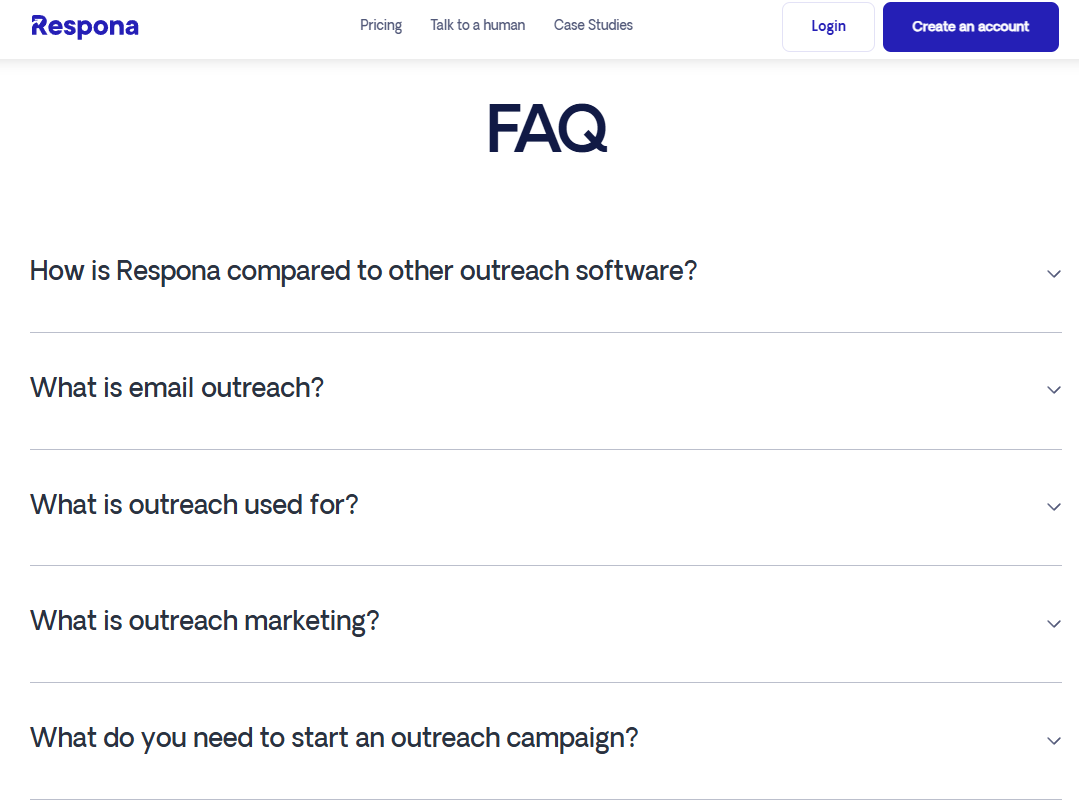
This is where AI content optimization and structured data can help search engines and AI systems understand the structure of your content.
A typical structure that works well looks like this:
- Clear heading that matches the query
- A short direct answer in the first paragraph
- Supporting explanation below it
- Lists, steps, or bullet points where possible
This makes it easier for AI systems and AI crawlers to understand what the page is about and which part of the content should be referenced.
Publish & Get Featured on Listicles and Comparison Pages
Listicles and comparison pages show up in AI search constantly.
This is one reason many AI search optimization strategies focus heavily on listicles and comparison content.
Queries like “best tools for X”, “top software for Y”, or “alternatives to Z” almost always trigger AI answers that summarize several products. When that happens, AI systems usually pull information from pages that already rank for those queries.
These pages are easy for AI models to summarize because they clearly compare tools, features, and categories.
And most of those pages are listicles.
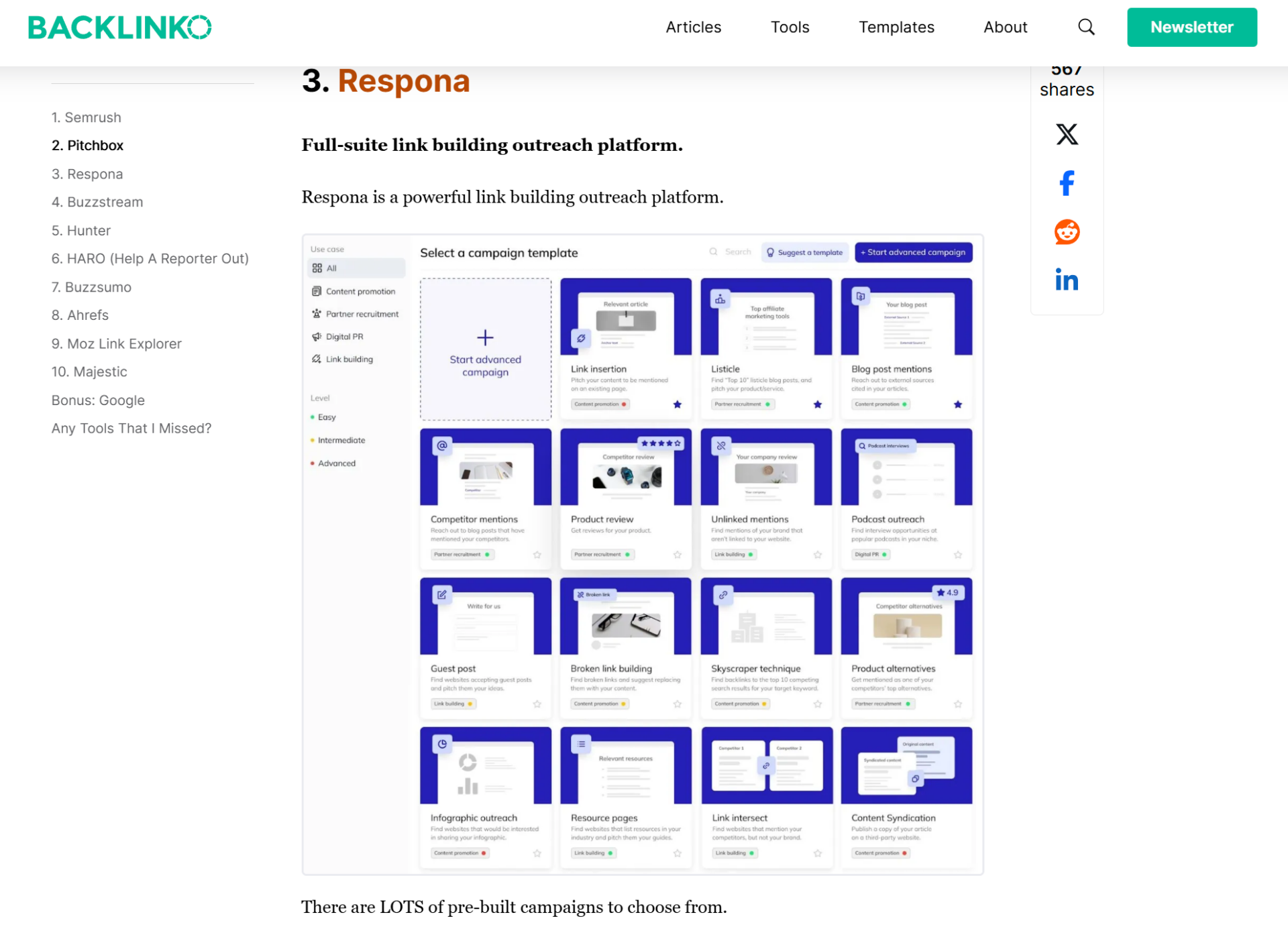
They are well structured, easy to summarize, and written around commercial intent. That makes them perfect sources for AI systems when generating answers.
For example, if someone searches for the best outreach tools or link building platforms, the AI response will often reference the same listicles that rank in the top results. If your product appears in those articles, there is a good chance it will also appear in the AI answer.
That is why getting featured on listicles and comparison pages is one of the most reliable ways to increase AI visibility.
You can do this in two ways.
The first is publishing your own listicles. Articles comparing tools, alternatives, or different approaches tend to perform well in both Google search and AI search results.
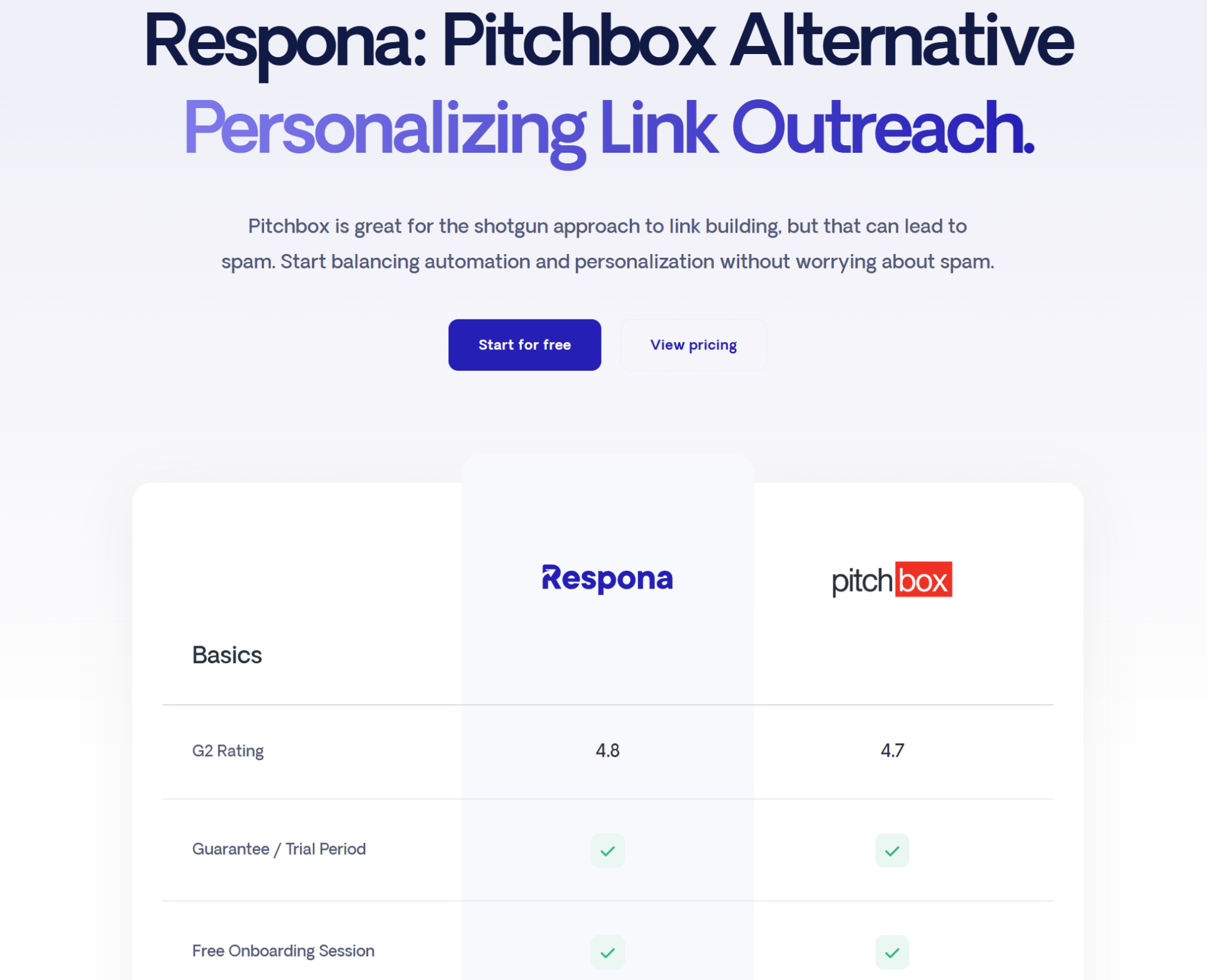
The second is getting featured in listicles written by other publications.
These placements improve your traditional SEO because they generate authoritative links. At the same time, they increase the chances that your brand appears in AI responses when those pages are used as sources.
This is also why listicle placements have become a common tactic in content marketing strategies targeting AI search.
This is exactly the kind of work we handle with our done-for-you link building service.
We help secure placements on relevant listicles, comparison pages, and editorial articles across authoritative websites in your industry.
Those placements improve organic performance and make it more likely that your brand appears in AI generated answers across platforms like Google AI Overviews, Perplexity, and other answer engines.
Claim All Possible Listings on Directories
Another simple way to improve AI visibility is making sure your brand appears across major directories and listing platforms.
Directories also help AI systems and AI agents understand how companies fit into specific categories.
AI systems frequently pull information from structured sources that clearly define companies, products, and categories.
Directories are perfect for that because they organize businesses in a consistent format that AI systems can easily interpret.
Think about sites like G2, Capterra, Product Hunt, Crunchbase, and similar platforms.
These listings make it easier for AI crawlers and machine learning systems to associate brands with a specific topic.
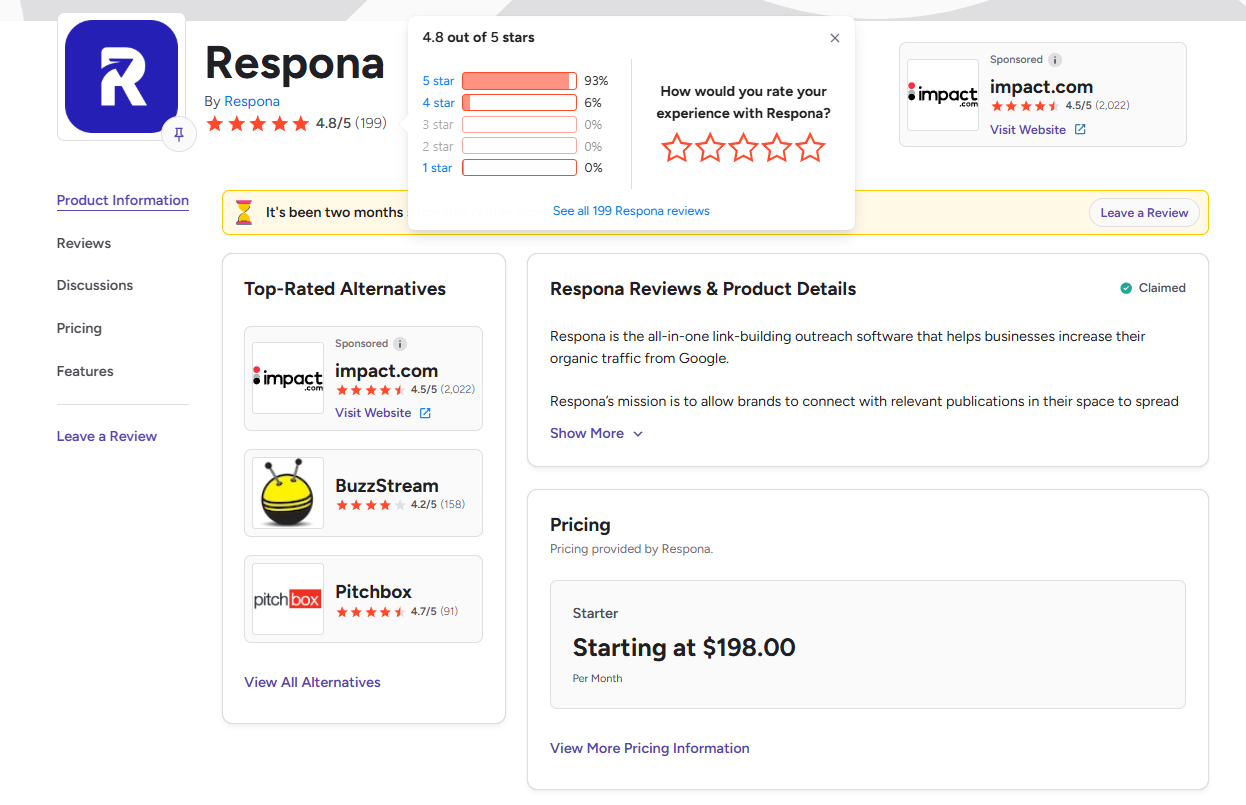
These pages usually contain clear descriptions, categories, product comparisons, and user reviews. That structure makes them easy for AI systems to process when generating responses.
If someone asks an AI chatbot for the best tools in a certain category, those directories often show up in the sources behind the answer.
That means your brand needs to be present there.
Start by claiming every listing you can find for your product or company. Fill out the profile completely, add a clear product description, and make sure your categories are accurate.
If your business has a local component, your Google Business Profile also matters because Google AI systems often reference those listings when generating local answers.
2 Strategies to Rank in All Other AI Models
Get Mentions on Articles That Get Cited
For most AI models, the biggest signal is repetition.
AI models look for patterns across multiple sources when generating AI results.
If the same brand keeps appearing across multiple sources, AI systems start associating that brand with the topic. When the model generates an answer, it tends to reference companies that show up consistently across those sources.
That is why getting mentioned in articles that already get cited is one of the most effective AI optimization strategies.
Instead of relying on one page to rank, the goal is to appear across many sources that AI systems already trust. These usually include:
- industry blog posts
- listicles and tool roundups
- comparison pages
- editorial articles on authoritative sites
When those patterns repeat across enough sources, AI driven search systems begin associating the brand with that category.
When your brand appears across those types of pages, AI systems start picking up the pattern. Over time, that increases the likelihood that your brand gets cited directly in AI responses.
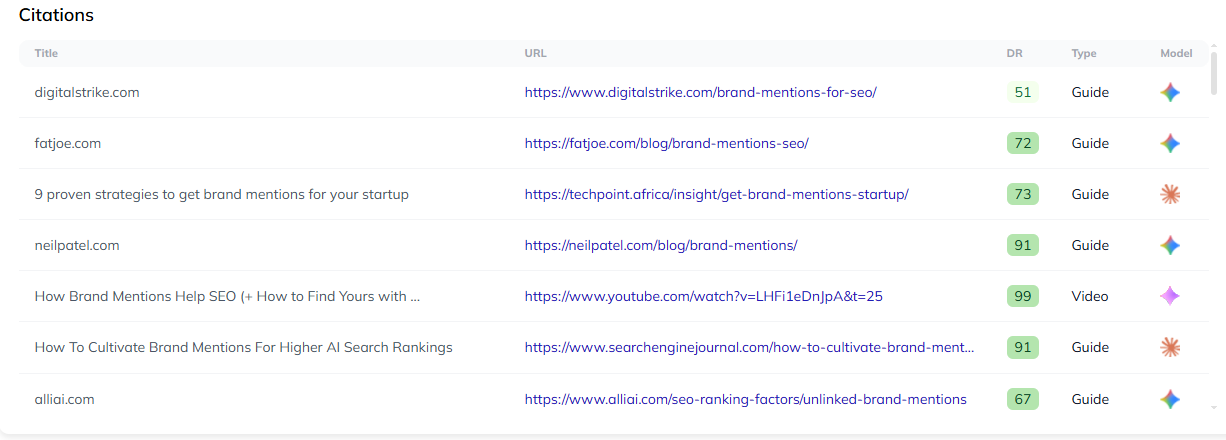
This is exactly what our new Campaigns feature is designed to help with.
Campaigns track whether your brand appears in AI responses for the prompts that matter to your business. Once the analysis runs, the system shows which sources AI models cite for those prompts and identifies where your brand is missing.
From there, it generates a placement and content plan focused on the publications and topics that already influence AI answers.
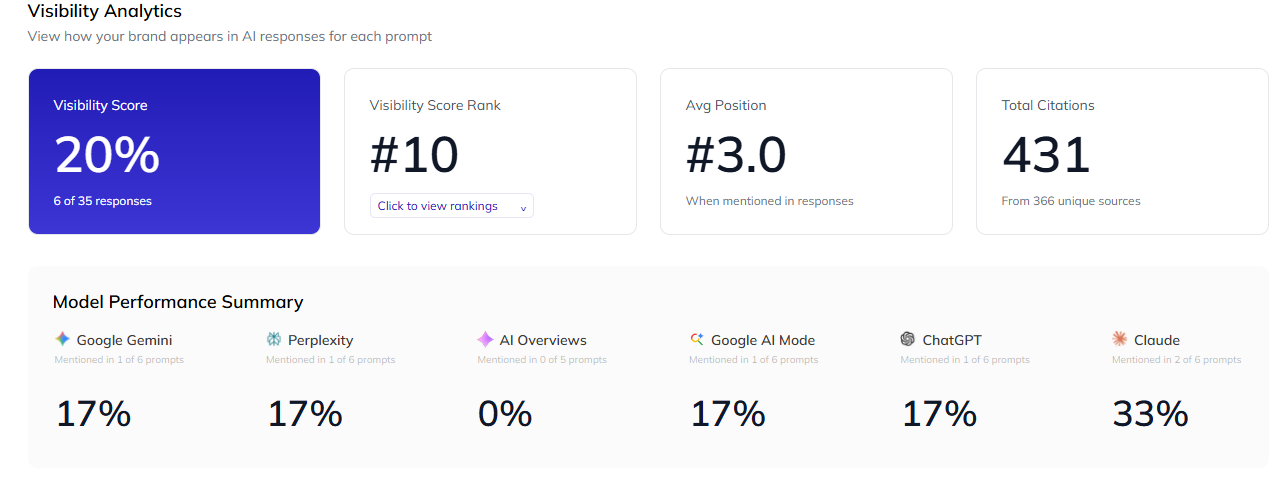
In other words, instead of guessing where to build mentions, you get a data-backed roadmap based on real AI citation patterns.
Stay Consistent!
AI systems evolve quickly because optimization algorithms and machine learning models are constantly being updated.
Prompts evolve, new sources get cited, and AI systems constantly adjust how they generate answers.
The pages and brands that show up in AI responses today might not be the same ones that appear a few months from now.
That is why consistency matters.
AI optimization is not something you do once. You need to keep publishing content, earning mentions, and monitoring where your brand appears across AI search.
User behavior also shifts quickly as AI adoption grows. As more people rely on AI systems and answer engines instead of traditional search results, the patterns that influence visibility will keep changing.
The brands that stay visible in AI responses are usually the ones that keep building signals over time.
Respona helps automate a lot of this work by continuously securing placements and monitoring where your brand appears across AI systems, so you do not have to track every change manually.
Link building cheat sheet
Now Over to You
AI optimization is not a separate strategy from SEO. It is an extension of it.
The same fundamentals that helped pages rank in Google search still drive visibility across AI search. Strong content, authoritative links, and consistent brand mentions are what signal to AI systems that your brand belongs in the conversation.
The difference is that those signals now influence whether your brand appears inside AI responses.
Ranking well still helps. But appearing across the sources AI systems rely on matters just as much. That is why listicle placements, comparison pages, and authoritative editorial mentions play such a big role in AI visibility.
If you want to increase the chances of getting cited in AI answers, you need your brand to show up in those places consistently.
That is exactly what our done-for-you link building service focuses on.
We secure placements on relevant listicles, comparison pages, and editorial articles across authoritative websites in your industry.
These placements improve your organic performance and make it more likely that AI systems reference your brand when generating answers.
Frequently Asked Questions (FAQ)
What is AI optimization?
AI optimization is the process of improving how your brand appears across AI search systems and AI generated answers. It builds on traditional SEO by focusing on the signals AI systems use when selecting sources for responses.
Is AI optimization different from SEO?
AI optimization builds on traditional SEO rather than replacing it. The same fundamentals like strong content, links, and authority still matter. The difference is that these signals now influence whether AI systems cite your brand in their answers.
How do AI systems decide what to cite?
Most AI systems rely on patterns across sources. Pages that rank well in Google search or brands that are mentioned across multiple authoritative articles are more likely to be referenced in AI responses.
Do you need to rank in Google to appear in AI answers?
Ranking helps, especially for Google AI Overviews. However, brands can still appear in AI responses if they are frequently mentioned in articles that already rank in the top search results.
How can businesses improve AI visibility?
The most effective ways to improve AI visibility include publishing well-structured content, getting featured on listicles and comparison pages, earning editorial mentions across authoritative websites, and consistently building brand signals across the web.
What tools help with AI optimization?
AI optimization tools track how brands appear in AI search results and AI generated answers across platforms like Google AI, ChatGPT, and other AI systems.