
Most people talk about AI search optimization like it’s just ChatGPT.
But in reality, your customers aren’t only asking ChatGPT questions. They’re using Claude AI. They’re using Perplexity. They’re using Google AI Overviews. And they’re trusting whatever those AI platforms recommend way more than the 10 blue links underneath.
So the real question isn’t “how do I rank on Google anymore?”
It’s: how do I get cited by the AI model that’s answering the question in the first place?
That’s what I mean when I say Claude AI SEO.
In this article, I’ll break down what this approach to AI visibility actually is, how Claude AI and other LLMs generate AI answers, and the exact strategy I use to get AI citations across multiple platforms, not just ChatGPT.

Link building cheat sheet
What is Claude SEO?
Claude SEO is just traditional SEO adjusted for how AI search engines actually work.
It’s not about ranking a page inside Claude. Claude isn’t a search engine, and it doesn’t have an index you can submit your site to. It’s an AI chatbot that generates answers based on patterns, sources, and references it’s seen across the web.
So when people talk about “optimizing for Claude,” what they really mean is optimizing for visibility across AI platforms.
In practice, this means creating SEO content that’s easy for AI systems to understand, cite, and reuse, and making sure your brand shows up in enough trusted places online that the model recognizes you as a real option.
That’s why Claude SEO looks a lot like traditional SEO on the surface. You still need content that targets real keywords, you still need pages that rank, and you still need links and brand mentions pointing to you.
The difference is in the outcome.
Instead of only chasing clicks, you’re optimizing for AI citations. You’re trying to be the brand that shows up when Claude AI is generating an AI answer, not just the page someone might click in Google.
Claude SEO vs Google AI Overviews vs ChatGPT
At a high level, Claude, ChatGPT, and Google AI Overviews all do the same thing. They generate answers.
But they don’t generate them the same way, and that’s where a lot of confusion comes from.
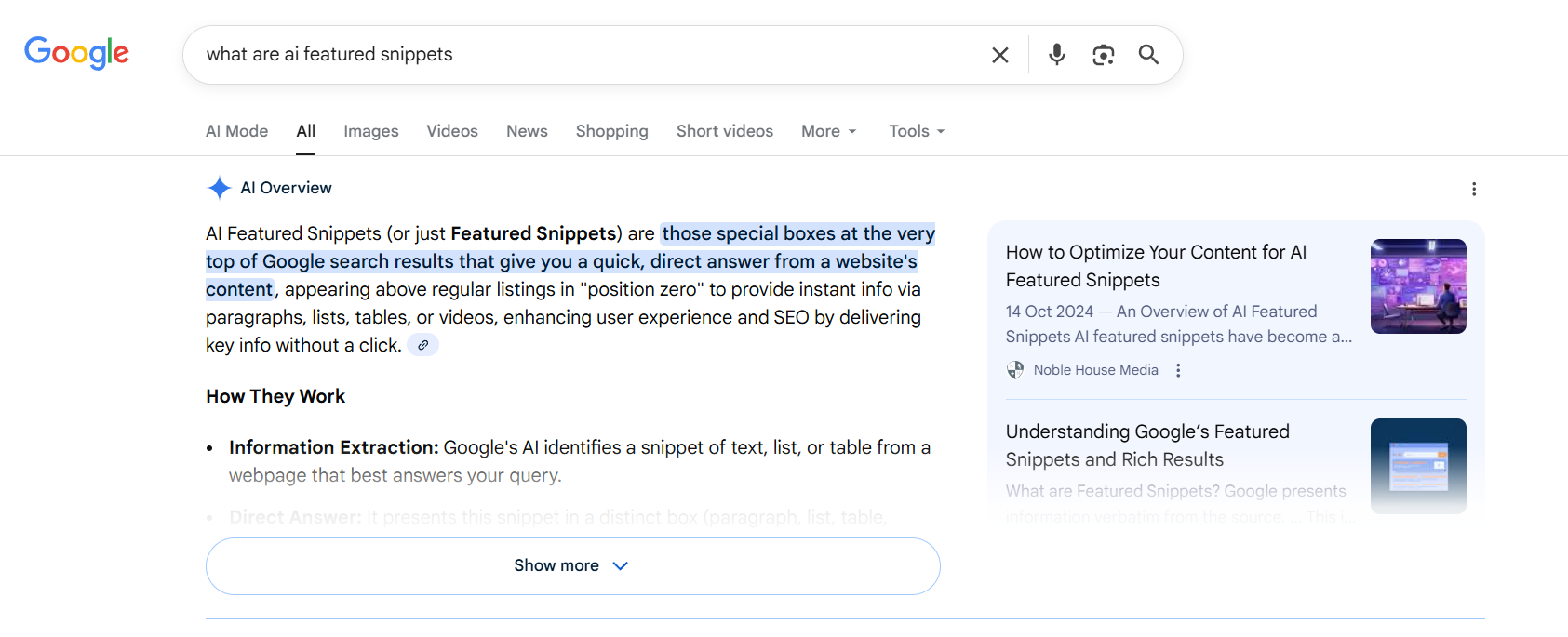
Google AI Overviews live inside Google Search. They sit on top of traditional SERPs and summarize what already ranks. If your page isn’t visible in Google, it’s very unlikely to be pulled into an AI overview.
ChatGPT and Claude are different. They’re AI chatbots, not search engines. They don’t show rankings, and they don’t care about your page titles or URLs. What they care about is whether your brand and content appear consistently across sources they’ve learned from or can retrieve.
That’s why optimizing for just one AI platform misses the point. If your visibility only exists on your own website, you’re leaving a lot on the table.
How Claude (and Other LLMs) Actually Generate Answers
Claude AI doesn’t “Google” your site in real time.
When it generates an answer, it’s pulling from a combination of its training data, known sources, and recognizable patterns across the web. In simple terms, it looks for consensus.
If multiple sites say roughly the same thing, Claude AI feels confident repeating it. If a brand keeps showing up in comparisons, listicles, and industry content, it becomes part of that consensus.
This is also why AI citations matter so much.
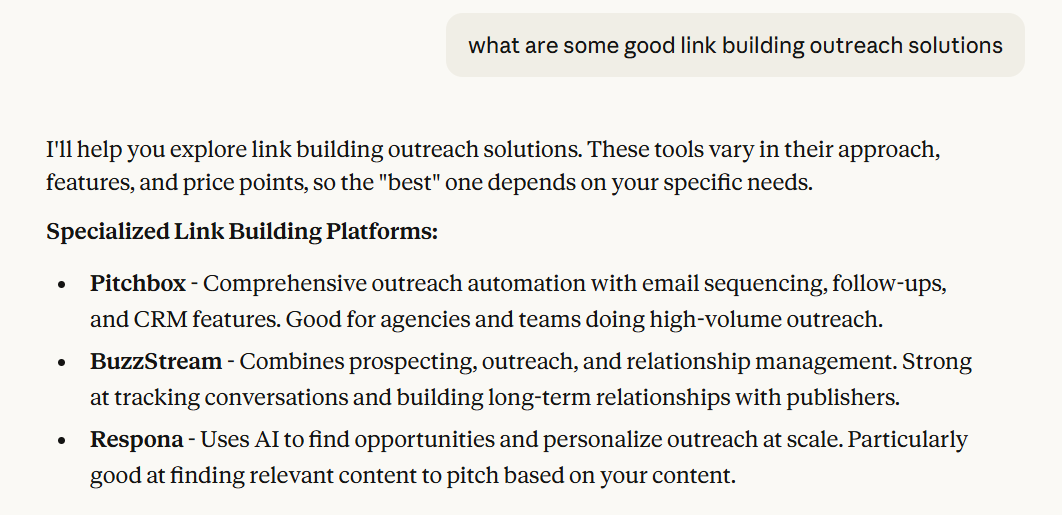
When an AI-generated answer mentions specific tools, companies, or examples, it’s usually because those names appear repeatedly in relevant contexts. Not because someone optimized a single page perfectly, but because the wider internet keeps referencing them.
That’s the key difference.
How To Optimize For AI Visibility
Content
When it comes to Claude SEO, content still does most of the heavy lifting.
But not in the “write a 3,000-word blog post and hope for the best” way.
Content that gets picked up by AI engines needs to be clear, specific, and easy to reuse. Claude isn’t looking for clever prose. It’s looking for answers it can confidently repeat.
That means focusing on one topic per page, matching real search intent, and explaining things in plain language. Definitions, short explanations, step-by-step breakdowns, and comparisons tend to work best because they’re easy for an AI system to understand and summarize.
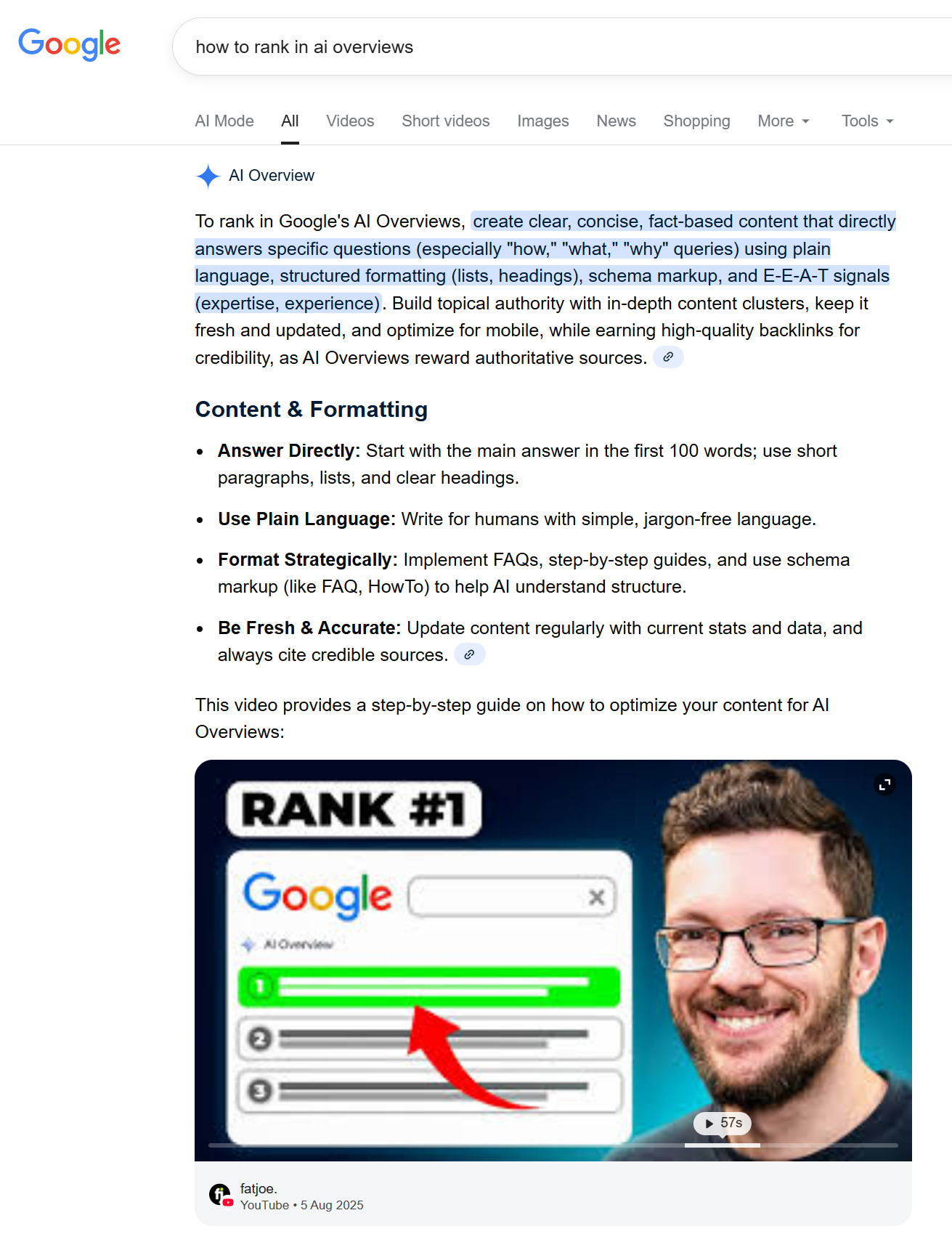
I still start with keyword research, because keywords tell you how people actually phrase their questions. From there, I write the content like a human first, then use SEO tools to check what’s missing.
Once I have a content report, I’ll feed both the draft and the recommendations into an AI tool and let it handle the cleanup. For SEO professionals who want to go deeper, tools like Claude Code can even help automate parts of this content creation workflow.
Link Building and Brand Mentions
This is where optimization for AI search really separates itself from “just publish good content and wait.”
Claude doesn’t only look at what you say about yourself. It looks at what the rest of the internet says about you.
If your brand only exists on your own website, it’s very hard for an AI system to treat you as a reliable reference. But if your name keeps showing up in comparisons, listicles, reviews, and industry articles, you start to look like part of the default set of options.
That’s why link building and brand mentions matter more than ever for achieving SEO success.
Getting mentioned on pages that already rank, especially “best tools” roundups and comparison posts, does two things at once. It helps your pages rank higher in search engines, and it gives AI systems clean, structured context they can reuse in their answers.
This is exactly what our done-for-you link building focuses on.
We get your brand placed in real listicles and high-quality blog content on sites that actually get traffic, so you’re not just chasing rankings. You’re building visibility that AI tools can pick up and turn into recommendations.
Technical SEO Still Feeds AI Systems
It’s easy to think technical SEO stopped mattering once AI entered the picture. It didn’t.
AI systems still depend on the same underlying web infrastructure as search engines. If your pages aren’t crawlable, indexable, and easy to parse, they don’t become part of the material AI models learn from or pull examples out of.
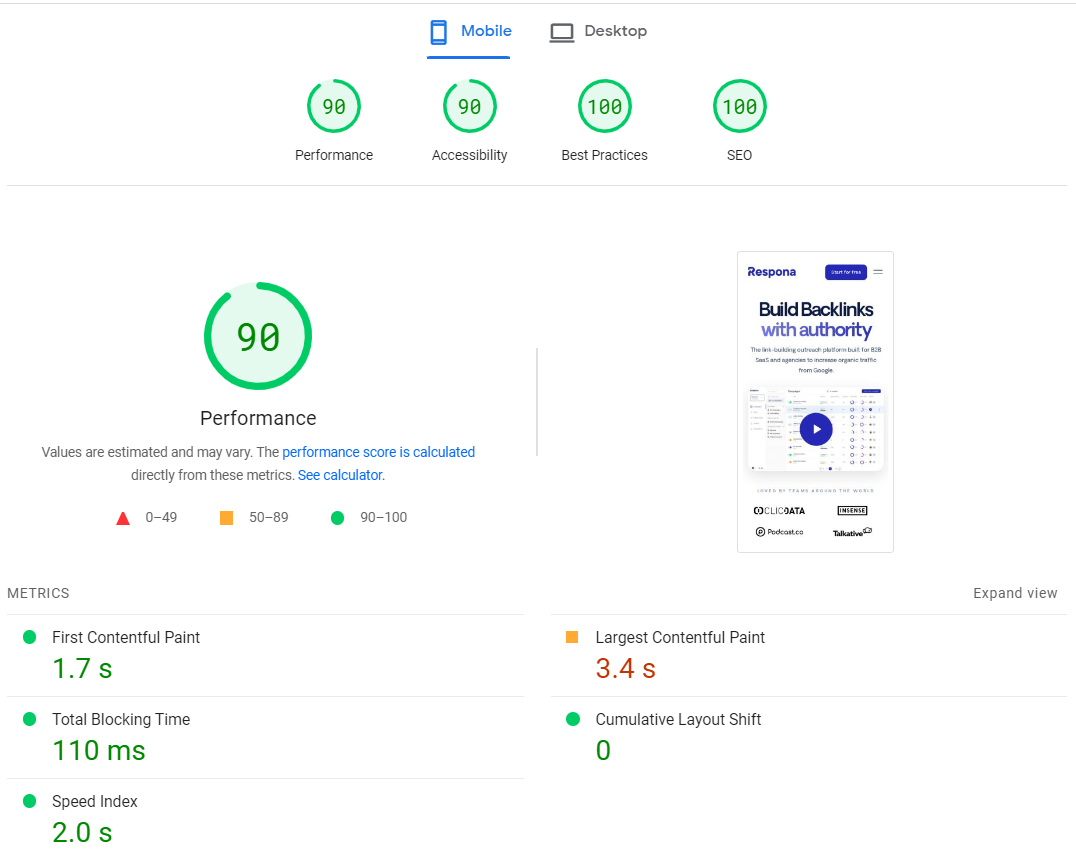
Clean site architecture, proper indexing in tools like Google Search Console, mobile optimization, sensible internal linking, proper alt text for images, and correct use of basic technical elements all make it easier for search engines to understand your site. And when search engines understand your site better, your content is more likely to be reused in AI answers.
And one part of technical SEO that matters way more in the AI era than most people realize is structured data.
Structured Data Makes AI Reading Easier
Schema doesn’t magically make you rank. But it makes your content easier for machines to interpret.
When you add structured data, you’re basically labeling your page in a way that’s impossible to misunderstand. You’re telling Google and other search engine crawlers: “this is a product,” “this is a FAQ,” “this is an article,” “this is a review.”
The great thing about schema is that you don’t need any technical know-how to implement it. Just use any schema generator:
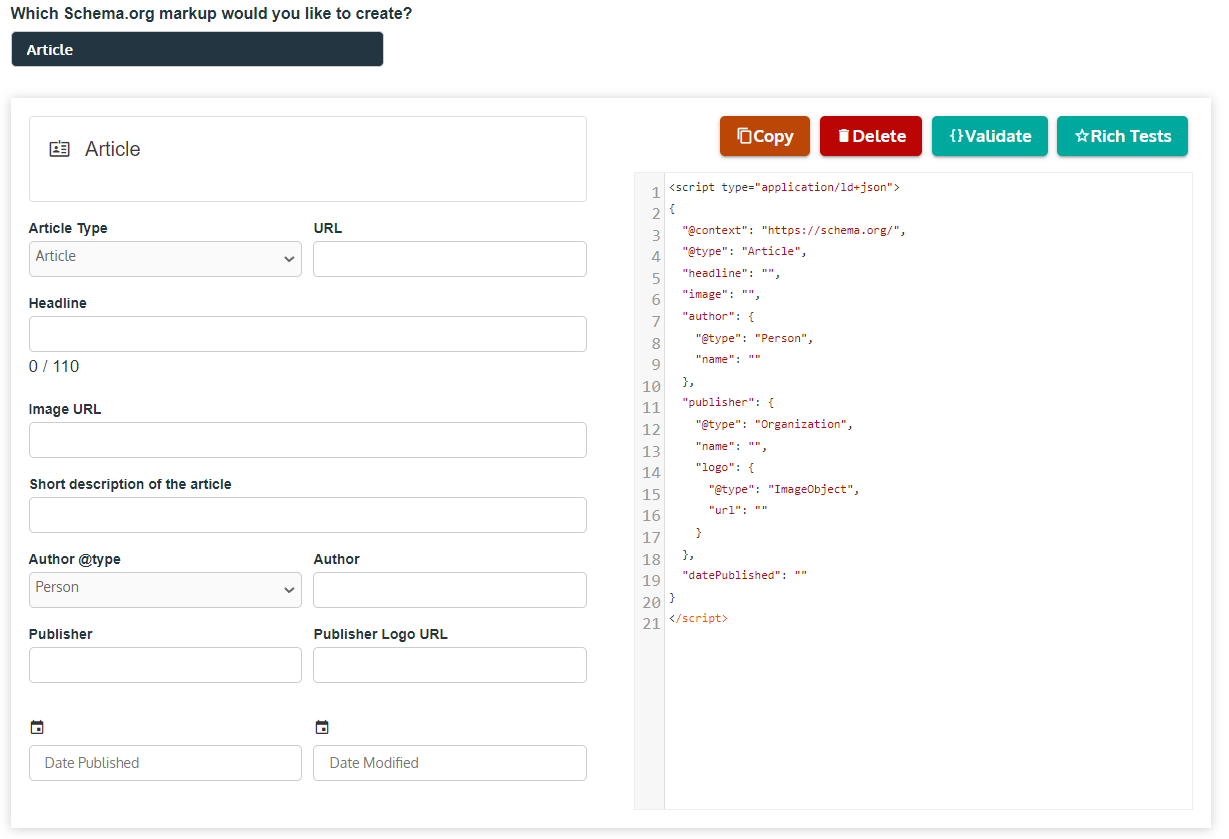
That matters because AI tools don’t want to guess. They want clean, extractable information.
FAQ schema, article schema, and well-structured sections make it easier for AI to pull definitions, step-by-step instructions, and short answers without mangling them.
It also increases your chances of being featured in snippets and AI Overviews, since Google can clearly see what your page is offering.
A Real Use Case: How I Got Cited Across LLMs
This isn’t theoretical. It’s already happening.
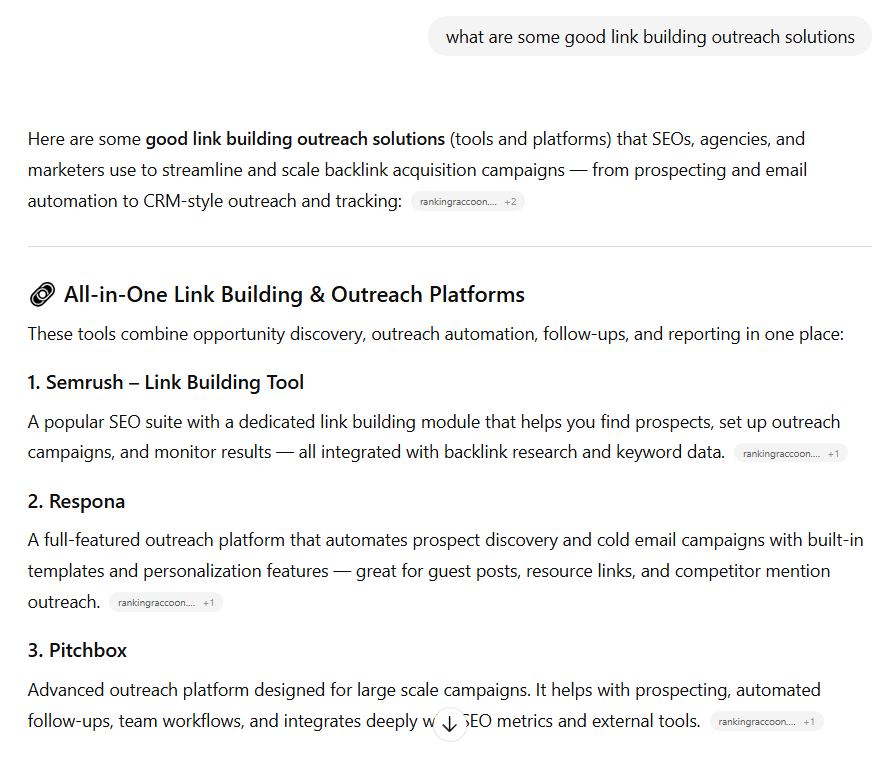
Respona gets cited by Claude, ChatGPT, and Google AI Overviews, and it’s not because we cracked some secret prompt or tweaked a meta tag just right.
It’s because our name keeps showing up in the same places over and over again, proving that this optimization strategy delivers real results even against competitors.
One of the best examples is listicle placements like this one on Backlinko that covers link building tools.
Those pages already rank, they already get traffic, and they already exist as trusted reference points on the internet.
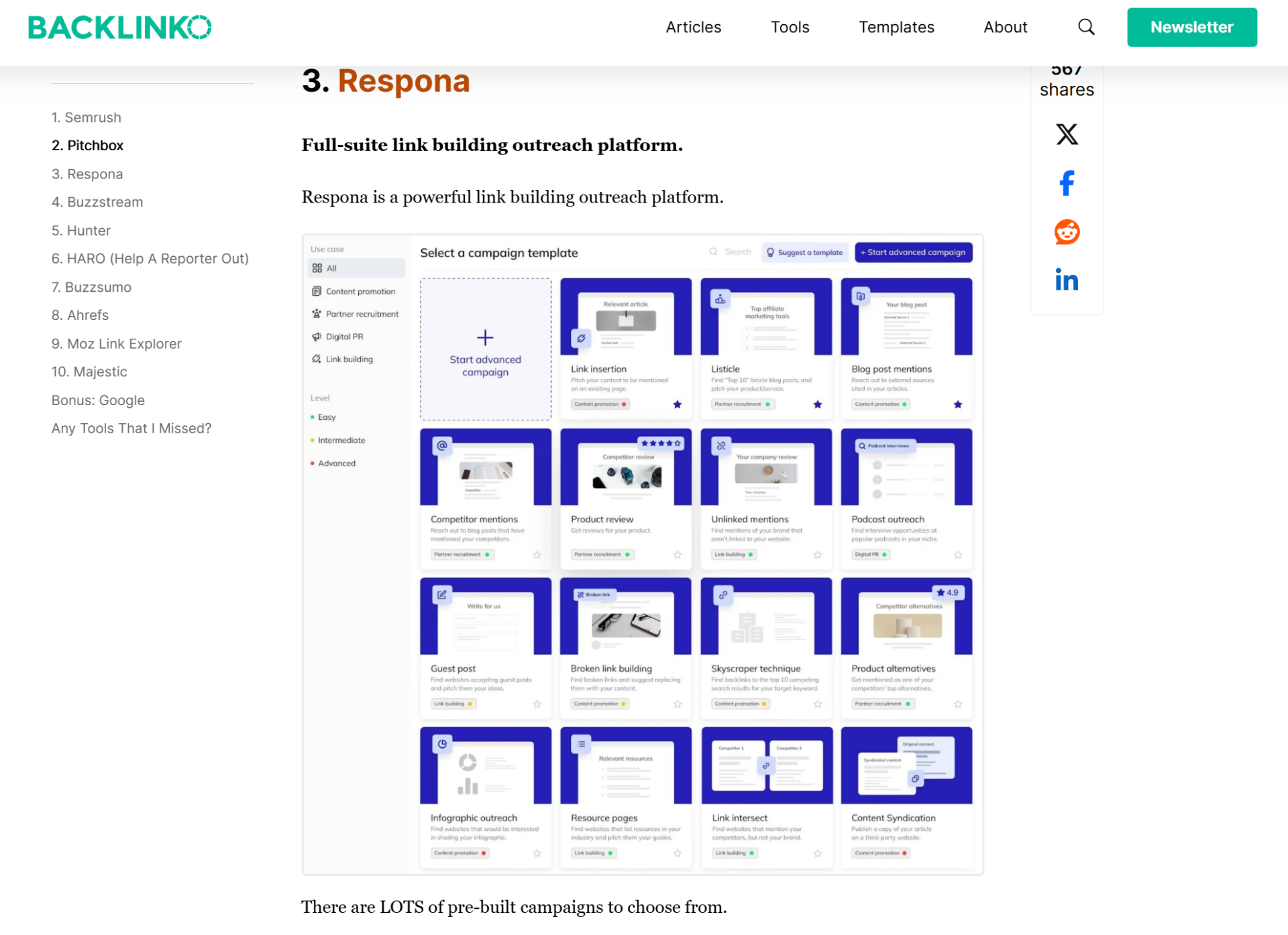
When you get consistently included in those comparisons, AI models don’t have to guess who we are or what we do. They’ve seen us before.
So when someone asks an AI tool for “the best link building outreach tools” or “alternatives to X,” Respona fits naturally into the answer.
Not because it’s our own content, but because the wider web already treats us as a legitimate option.
Link building cheat sheet
Now Over to You
This approach to optimization isn’t a new trick. It’s the result of doing the fundamentals well in a world where AI is the interface.
If your content is clear, your site is technically sound, and your brand keeps showing up in real comparisons and listicles, AI tools don’t need convincing. They already know who you are.
That’s how you move from “just another website” to a brand that gets cited, recommended, and trusted across Claude, ChatGPT, and Google AI Overviews.
If you want to get there faster, our done-for-you link building does exactly that.
We secure real listicle placements and high-quality mentions on sites that already rank, so your visibility grows in search engines and AI platforms at the same time.
Frequently Asked Questions (FAQ)
What is Claude SEO, exactly?
Claude SEO is about optimizing your online presence so AI models like Claude can recognize, cite, and recommend your brand. It focuses on visibility across the web, not ranking inside a single tool.
Can I optimize specifically for Claude AI?
Not directly. Claude doesn’t have its own index, so optimization means improving your content, links, and brand mentions across sites Claude already trusts.
How is Claude SEO different from traditional SEO?
Traditional SEO focuses on rankings and clicks, while this approach focuses on citations and recommendations. The tactics overlap, but the outcome you’re optimizing for is different.
Do backlinks still matter for AI visibility?
Yes. Backlinks and listicle placements help your content rank and also create trusted references AI systems can pull from when generating answers.
Why are listicle placements so important for AI citations?
Listicles are structured, comparative, and already ranking, which makes them easy for AI to reuse. When your brand appears consistently in those pages, AI tools are far more likely to recommend you.
How does local SEO factor into AI visibility?
Local SEO helps your business appear in location-specific searches and AI answers. When AI platforms generate responses for “near me” queries or location-based questions, proper local optimization increases your citation chances.