
To sum it up, you have to make the choice a no-brainer.
To do that, your agency needs to be everywhere your potential clients are already looking. Google, social media, answer engines, email, directories. All of it matters.
Your SEO services, digital marketing, and sales efforts need to stack on top of each other to create that visibility. There is no single best way to get more SEO clients. It is an ongoing process where everything works together.
In this article, we are going to walk through practical inbound and outbound strategies you can use to grow your client base, generate SEO leads, and attract new clients consistently, without relying on generic advice.
Key Takeaways:
- You will not get consistent SEO clients from just ranking or just outreach. You need both inbound visibility and outbound distribution working together
- Ranking on Google is no longer enough on its own. Getting placed on listicles and articles that already rank and get cited is what drives both SEO leads and AI visibility
- If you are a smaller SEO agency, targeting low difficulty informational keywords is often a faster way to start generating traffic than competing for high-intent service keywords
- Most SEO client acquisition breaks down at execution. Prospecting, outreach, and follow-ups take time, which is why many agencies struggle to scale
- The agencies that grow fastest are not doing one thing better. They are stacking multiple touchpoints so their potential clients keep seeing them everywhere before making a decision
Link building cheat sheet
Inbound Strategies
Let’s start with inbound.
These are strategies that help potential SEO clients find you organically through search, content, and visibility – assuming that you already have a website with a set of good landing pages with solid CTA’’s, clear pricing, and a bunch of case studies.
We’ll skip these in this article.
Rank on Google AND In Answer Engines
Google is still the name of the game.
If you want more SEO clients, you need to show up when business owners search for things like “seo agency”, “seo services”, or anything related to their problems.
That part hasn’t changed.
What has changed is that Google is no longer the only place where those searches happen.
Between Google AI overviews and tools like ChatGPT, Perplexity, and Gemini, a lot of people are skipping the traditional search results altogether and just asking for answers directly, so now there’s a second layer.
Luckily, this doesn’t completely change how SEO client acquisition works.
If you rank on Google, you’ll usually show up in answer engines too.
But here’s the interesting part.
Even if you don’t rank, you can still get visibility there.
How?
By getting mentioned on pages that already rank.
Listicles, “best tools” pages, comparison posts, roundups. The stuff that already sits on page one and already gets cited. That’s what answer engines pull from.
Like this link buiilding tools roundup by Backlinko:
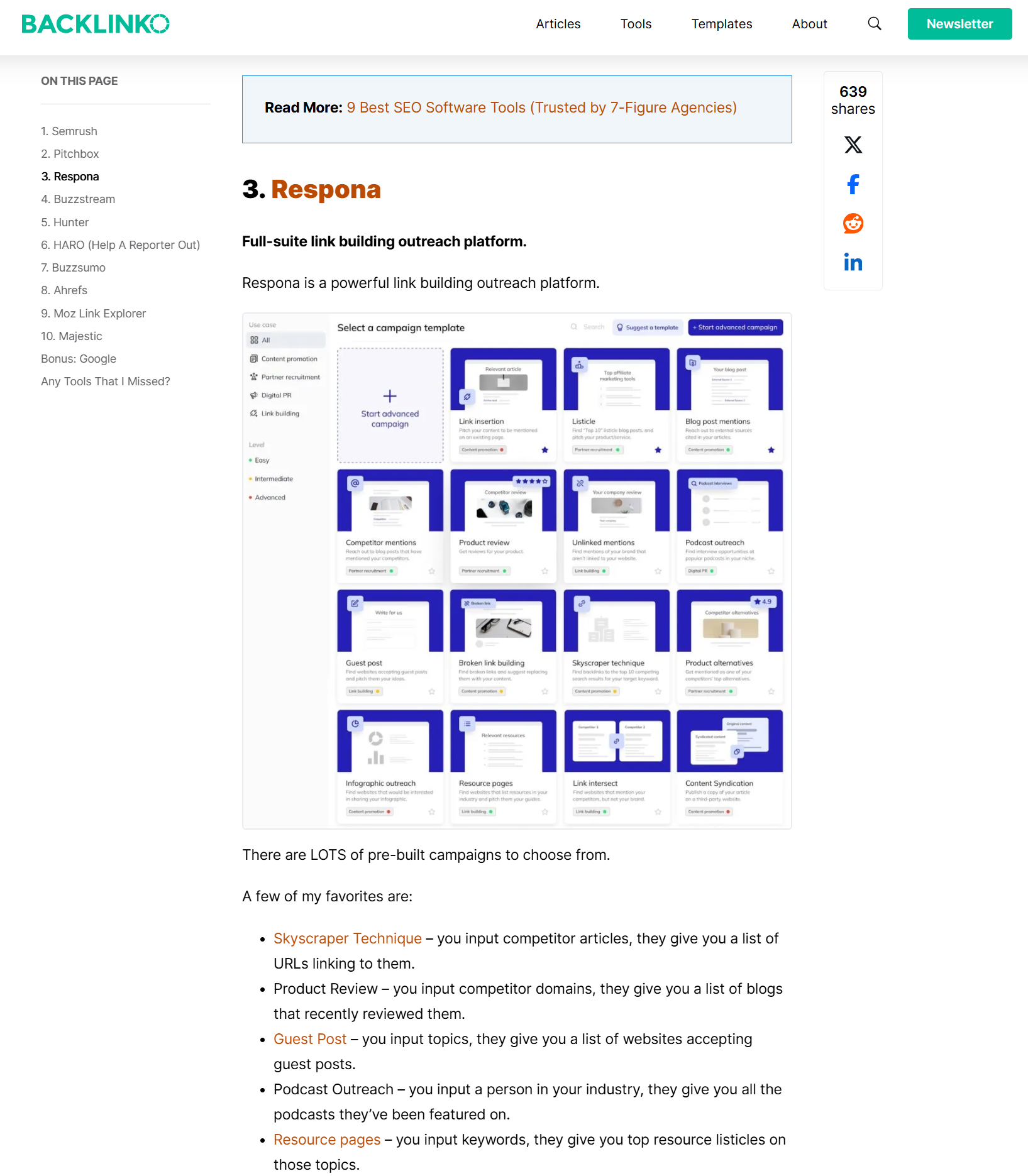
So instead of trying to rank everything yourself, you can piggyback on pages that already do.
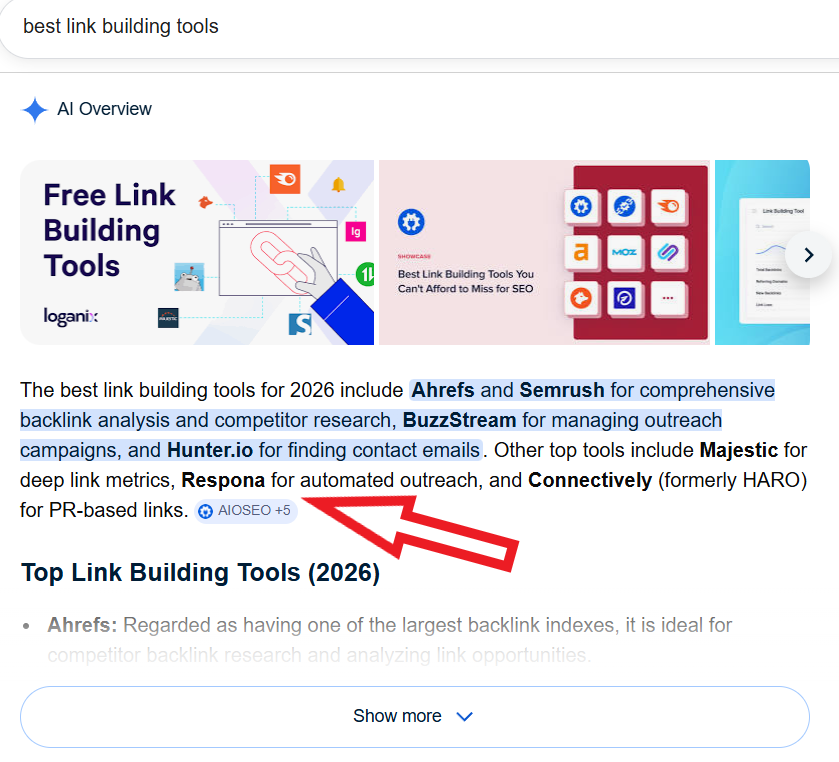
But not just about getting link insertions for the sake of PageRank anymore. It’s about getting your brand placed inside content that already ranks and already gets traffic to get AI citations:
Sounds simple.
In reality, it’s a grind.
You need to find those pages, figure out who runs them, reach out, follow up, and repeat that over and over. That’s where most companies slow down, not because they don’t know what to do, but because it takes time on top of managing clients.
This is also why a lot of agencies outsource this part.
Instead of trying to handle all the prospecting and outreach themselves, they just place an order with a done-for-you link building company like Respona and define what kind of placements they want.
From there, it gets handled for them.
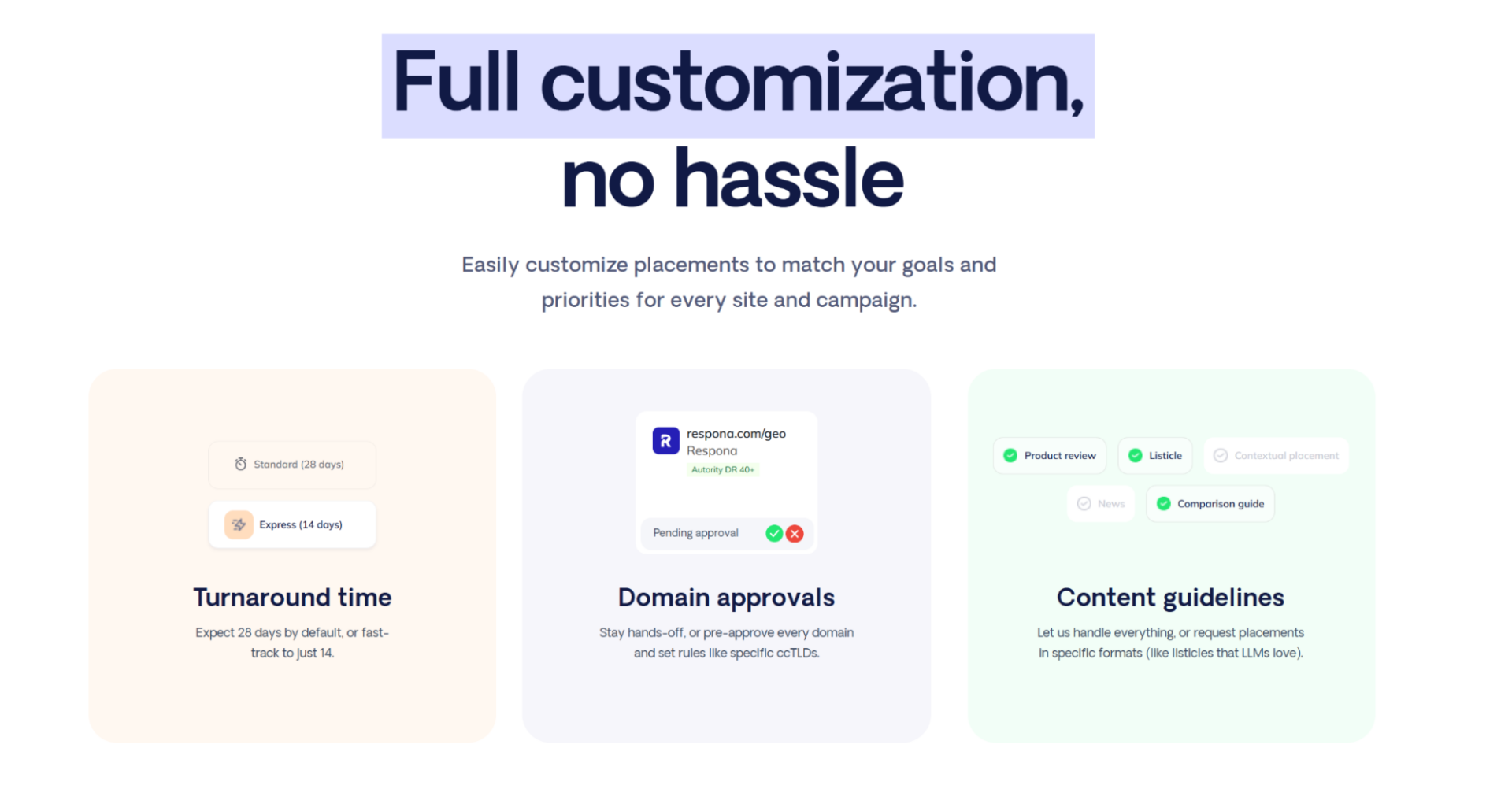
The added benefit here is that you’re not guessing.
With Respona’s campaigns feature, you can actually see which pages are getting cited for your target keywords and where your agency should be showing up.
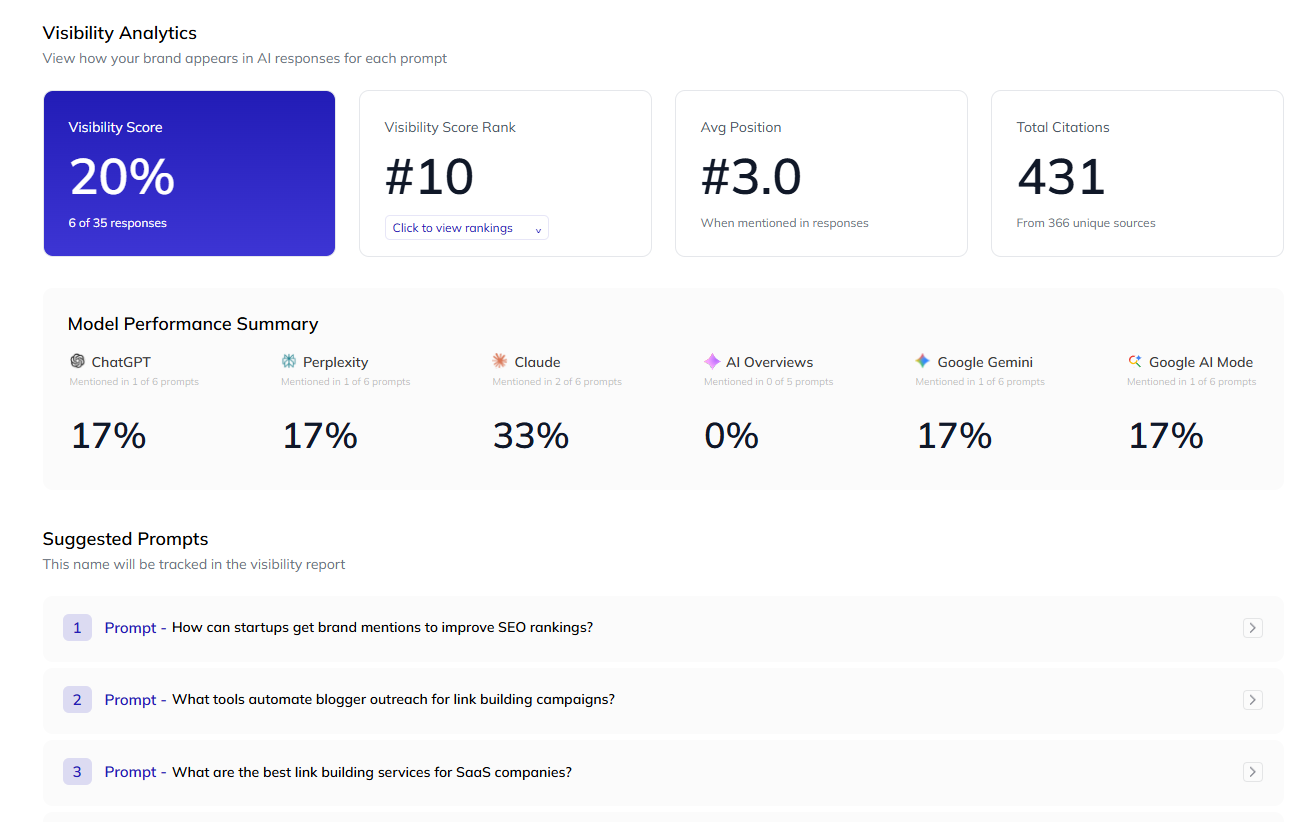
So instead of randomly building links, you’re focusing on placements that already drive visibility.
At that point, it’s not just about ranking anymore.
It’s about showing up everywhere your potential clients are already looking.
Cover a TON of Low Difficulty, High Traffic Informational Keywords
If you’re a smaller SEO agency, going after keywords like “seo services” or “seo agency” right away is kind of a trap.
You’re competing with companies that have been building links for years. It’s not impossible, but it’s slow and frustrating, especially if you’re trying to get your first few SEO clients.
A better way to play it is to go a level down.
Instead of targeting keywords where someone is ready to hire, go after the ones where business owners are still figuring things out. Stuff like “how to fix…”, “why is my site…”, “how to improve…”.
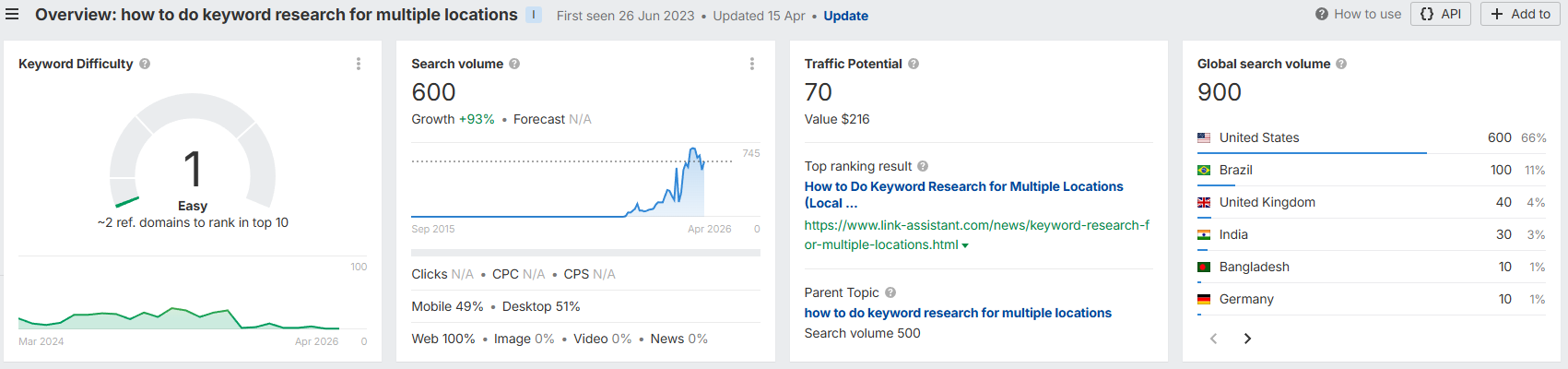
There’s a ton of long-tail keywords to pick from.
And they’re usually much easier to rank for.
The idea is simple. You answer the question, actually help, and somewhere along the way, you show that you know what you’re doing. That’s where your SEO services come in, naturally.
No hard sell.
Just “hey, if you don’t want to deal with this yourself, we can help.”
Not everyone will convert right away, and that’s fine.
You’re building up traffic, getting in front of more potential clients, and slowly becoming the obvious choice when they decide they’re done trying to DIY everything.
Encourage G2, Capterra, Trustpilot Reviews
This one is pretty straightforward, but a lot of agencies either ignore it or do it half-heartedly.
When a potential client is checking you out, they’re not just looking at your site. They’re Googling your agency name, opening a few tabs, and trying to figure out if you’re legit.
That’s where platforms like G2, Capterra, and Trustpilot come in.
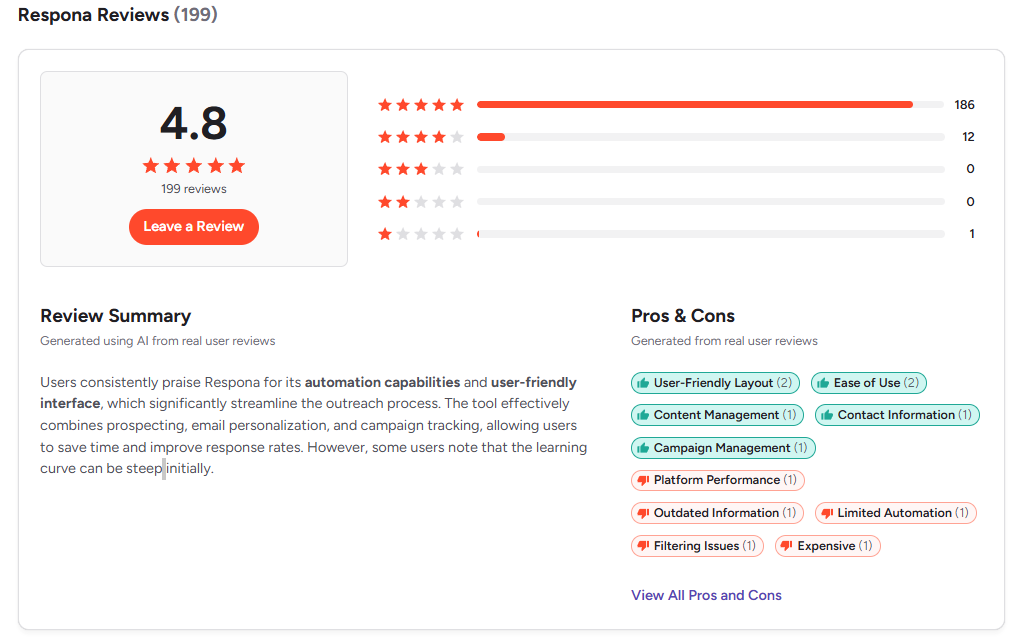
Image source: G2
If they see a bunch of positive reviews there, it builds trust instantly. If they see nothing, or worse, a couple of negative reviews with no responses, it raises questions.
The easiest way to fix this is to actually ask for reviews.
Not in a spammy way. Just make it part of your process.
When a client gets a good result, finishes a project, or sends you a “this was great” message, that’s your moment. Ask them to drop a quick review.
Most satisfied clients are happy to do it, they just won’t think of it on their own.
You can also make it easier by sending them a direct link to your profile and giving them a bit of guidance on what to include.
Over time, this adds up.
Become a Google Partner
If a potential client sees that you’re a Google Partner, it immediately adds a layer of credibility. It tells business owners that you know your way around Google Ads, understand how campaigns work, and have some level of verified experience.
Especially if you’re offering SEO services alongside paid search, this helps position you as a more well-rounded marketing agency.

Getting the badge itself isn’t complicated.
You need to meet Google’s requirements around ad spend, performance, and certifications. That usually means passing a few exams and actively managing campaigns through Google Ads.
Once you have it, use it everywhere.
Put it on your website, your landing pages, your proposals, even your social media profiles. It’s a simple way to reinforce your SEO expertise without having to explain it every time.
It also helps when you’re talking to local SEO clients or small business owners who may not fully understand technical SEO.
They might not know what a backlink profile is, but they recognize Google. So seeing that connection builds trust faster.
Run a YouTube Channel
The goal here is simple.
Be visible everywhere.
Most SEO agencies focus on written content and maybe some social media, but video is still underused. At the same time, it is one of the easiest ways to stand out, especially when you are explaining things that are easier to show than to write.
It also helps break up your content.
Instead of having only blog posts, you can embed videos into your pages, repurpose them across social media platforms, and give people another way to consume what you’re putting out. Some people would rather watch a 5-minute video than read a 2,000-word guide.
You’re just meeting them where they are.
A good example of this done well is Neil Patel’s YouTube channel.
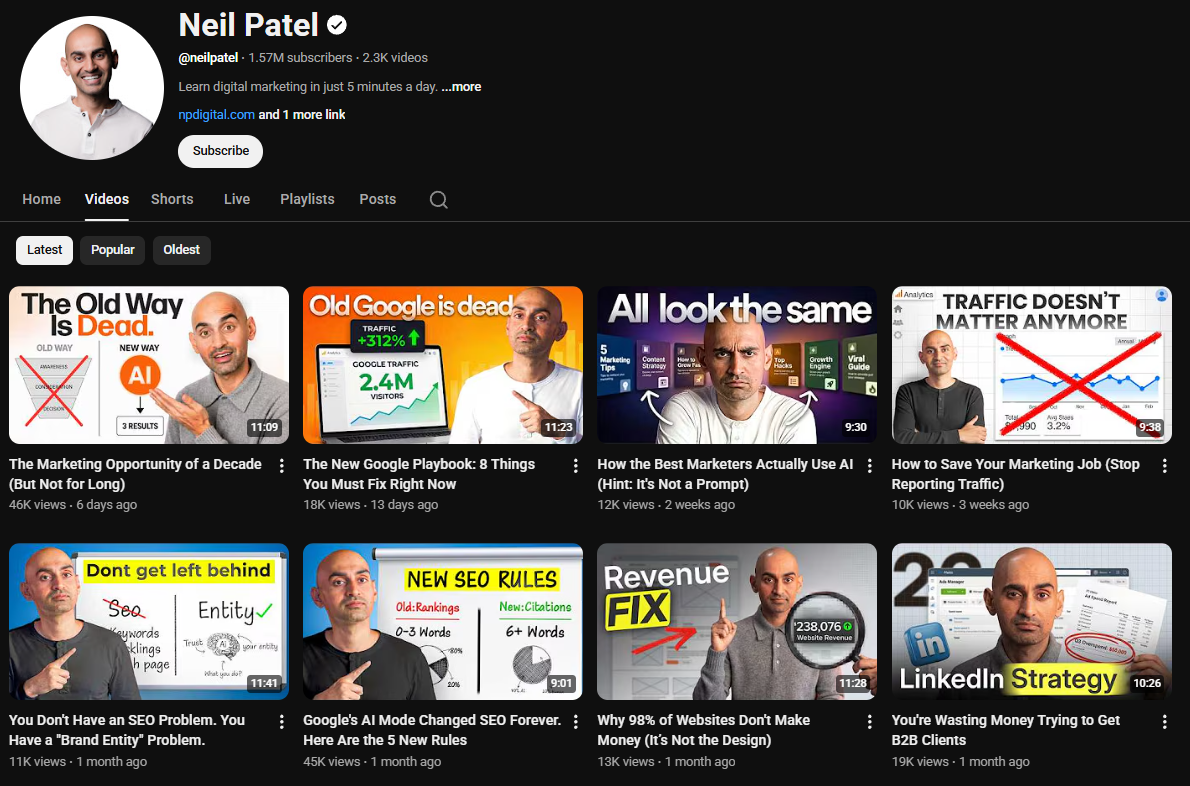
He takes topics that already work in search, turns them into simple videos, and publishes consistently. Nothing overly complicated. Short, practical, and focused on things business owners actually care about.
Free Tools Pages & Audits
This is especially easy for hybrid companies like us at Respona that combine SaaS with a done-for-you service.
If you already have a tool, you can just cut off a small part of it and offer it for free. Something like an email finder, a checker, or any small utility that solves a quick problem.
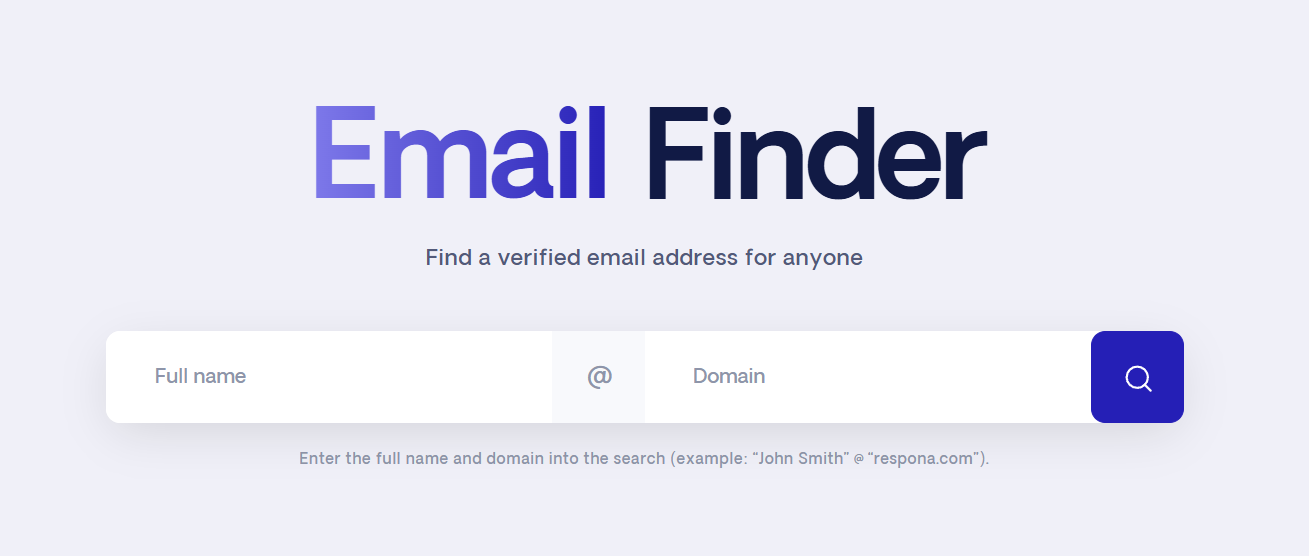
That alone can act as both a lead magnet and a link magnet.
People search for tools all the time, so instead of only relying on content, you’re giving them something interactive. It brings in traffic, gets shared, and naturally puts your agency in front of potential clients.
If you don’t have a SaaS product, it’s a bit more effort, but still doable.
You can build something simple. A calculator, a generator, anything relevant to your niche. It doesn’t have to be complicated, just useful enough for your target audience.
On top of that, you can layer in audits.
A free SEO audit is one of the easiest ways to turn that traffic into SEO leads. Someone uses your tool or lands on your page, sees the audit offer, and submits their site.
From there, it’s straightforward.
You look at their site, point out what’s working, what’s not, and where they’re missing opportunities. That naturally leads into your SEO services without it feeling forced.
You’re not cold pitching.
You’re already helping, and just showing how you can take it further.
Yes, LinkedIn
This one gets mentioned in every guide, but there’s a reason for that.
It works.
For SEO client acquisition, LinkedIn is probably the strongest platform you have, especially if your target audience is business owners.
But most agencies either ignore it or treat it like an afterthought.
A blank profile or a company page with a few random posts is not going to do much.
The idea is to make your agency look active and legit.
Small, consistent posts. Quick insights. Short breakdowns of things you’re working on. Maybe a case study here and there. Nothing crazy.
Just enough to show that you know what you’re doing.
Over time, that builds familiarity.
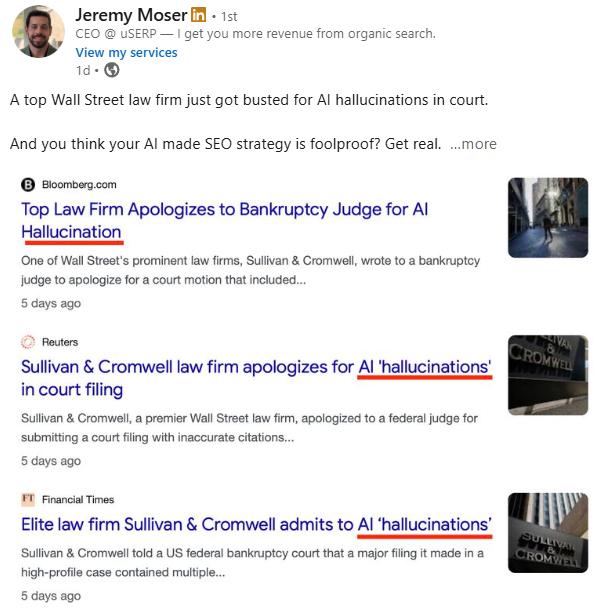
Someone might see your post once, ignore it. Then again next week. Then again. Eventually, when they actually need SEO services, your agency is already in their head.
It also helps put a face behind the agency.
People are more likely to trust and reach out when they feel like there’s an actual person there, not just a logo.
Outbound Strategies
Inbound is great, but it takes time.
If you want to get SEO clients faster, you need outbound in the mix.
This is where you stop waiting for potential clients to find you and start reaching out directly. Cold email, LinkedIn, partnerships, events, all of it falls under this.
Outsource Some of Your Work
This one is less about getting SEO clients and more about being able to actually take them on.
A lot of agencies hit a ceiling here.
They start getting SEO leads, maybe even landing new clients, but then realize they don’t have the capacity to handle more work. So growth slows down.
The easiest way around that is to not do everything yourself.
Most SEO agencies are better at some things than others. Maybe you’re great at content and on-page, but weaker on link building. Or the other way around.
Instead of trying to build everything in-house, you can partner with another agency and split the work.
For example, you focus on strategy, reporting, and client communication, and outsource link building to a dedicated link building service.
That way, you can take on more SEO clients without stretching your team too thin.
It also makes your SEO services stronger overall.
You’re not trying to be average at everything. You’re combining strengths.
And from the client’s perspective, they’re just getting better results.
It also opens up another angle.
A lot of SEO agencies have wildly different ICPs. So referrals and collaborations are pretty common. You send work their way, they send work yours.
Everyone wins.
And yeah, if link building is the bottleneck, that’s something we can help with too.
Networking at Events
This one sounds obvious, but most people don’t actually do it.
SEO conferences and events are one of the few places where you can meet other SEO professionals, founders, and agency owners in person. Not just random attendees, but the people who actually make decisions and pay for SEO services.
Stuff like Ahrefs Evolve, BrightonSEO, or smaller local events.
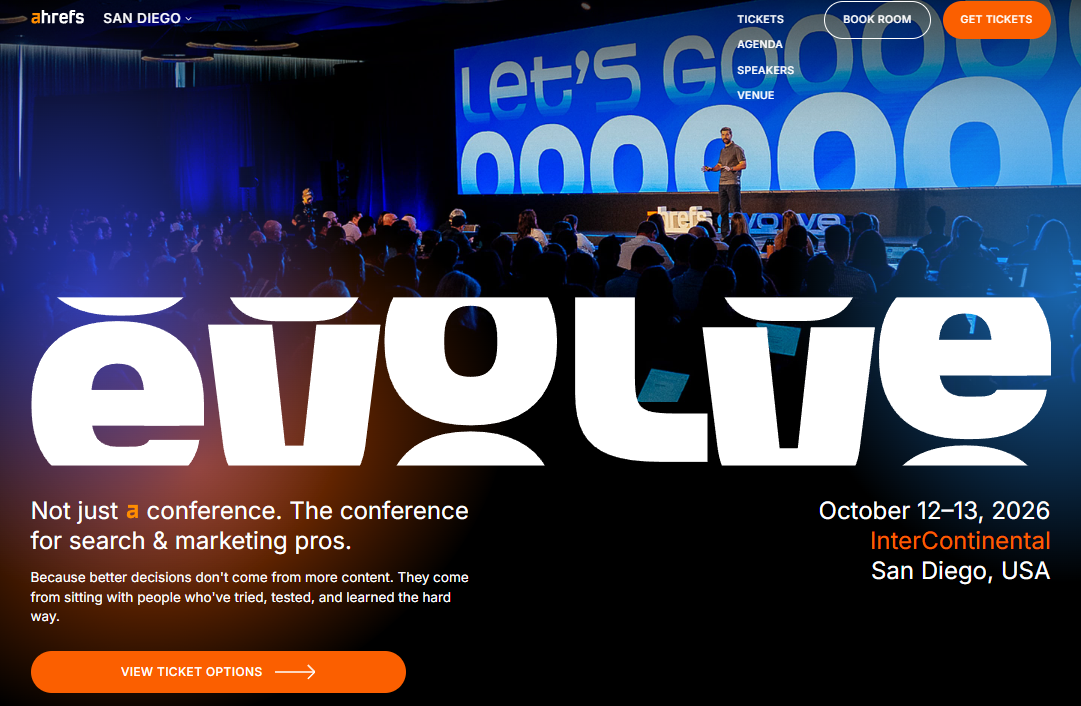
You go there, have a few normal conversations, and that’s it. No hard pitching, no weird sales angle. Just talking shop.
That’s usually enough to open the door.
One conversation can turn into a partnership, a referral, or even a new client down the line. Especially since a lot of agencies don’t compete directly with each other.
Most have a specific niche or type of client they go after.
So sharing work is pretty common.
Combine Cold Email with LinkedIn Outreach and Ads
All of these work on their own.
Cold email works. LinkedIn works. Ads work.
But if you’re only using one, you’re making it harder than it needs to be.
The goal isn’t to land a client from a single message. It’s to stay in front of them long enough that when they’re ready, they remember you.
So instead of just sending a cold email and hoping for the best, you layer things.
You send the email.
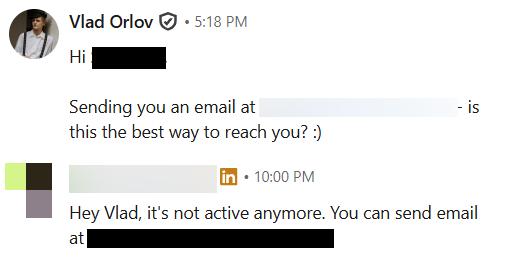
Then you send a LinkedIn request around the same time. Nothing weird, just something simple like “hey, is this the best place to reach you?” referencing the email.
Now you’ve shown up twice.
If you’re running ads, even better. When that same person searches something related to SEO services or digital marketing, your agency pops up again.
Now it’s three touchpoints.
None of these need to convert on their own.
They just need to reinforce each other.
Because what usually happens is this: they see your name once and ignore it. Then again. Then again. And suddenly you’re not some random SEO agency anymore, you’re familiar.
And that’s usually when replies start coming in.
You don’t need to overcomplicate it.
Just make sure your outreach isn’t happening in isolation.
Link building cheat sheet
Now Over to You
There’s no single trick to getting more SEO clients.
You can rank on Google, post on social media, run outreach, go to events, build tools… all of it works. But none of it works consistently on its own.
What actually moves the needle is stacking everything together.
You show up in search engines, you show up in answer engines, you show up on LinkedIn, in inboxes, on listicles, everywhere your potential clients are already looking.
That’s what brings in more SEO clients.
But then you hit the next problem.
Capacity.
Taking on more clients means actually being able to deliver. And for most agencies, link building is the bottleneck.
Instead of stretching your team thin or turning down new clients, you can just outsource that part.
You place an order, define what you need, and let Respona handle the link building for you.
That frees you up to take on more clients, grow your agency, and focus on strategy, communication, and results.
Frequently Asked Questions (FAQ)
How do I get more SEO clients consistently?
Getting more SEO clients comes down to combining inbound and outbound efforts.
You need visibility through content marketing, search engines, and social media, while also reaching out directly to prospective clients through email and LinkedIn. Most agencies that grow consistently are doing both at the same time.
What is the fastest way to get new SEO clients?
Outbound is usually the fastest.
Cold email, LinkedIn outreach, and even freelance platforms can help you land new SEO clients quickly, especially if you are targeting the right business owners with a clear offer.
How do SEO agencies generate leads?
Most agencies rely on a mix of SEO lead generation strategies.
That includes ranking for keywords, publishing content, offering a free SEO audit, and using outbound channels to reach potential customers directly.
Some also use Google My Business and local listings to attract local business leads.
How do I choose my ideal client?
Your ideal client depends on your strengths.
Some agencies focus on local SEO clients, others target SaaS or ecommerce. The key is to define who you get the best results for and build your SEO strategy around that.
Do I need tools like Google Analytics to get SEO clients?
You do not need them to get clients, but they help.
Google Analytics gives you insight into what is working, where your traffic is coming from, and how potential clients are interacting with your site. That helps you refine your SEO efforts over time.
How important is content marketing for SEO client acquisition?
Content marketing is one of the main drivers of inbound SEO leads.
It helps you attract potential customers who are already searching for answers and positions you as a SEO specialist they can trust.
Can I get SEO clients without experience?
It is harder, but possible.
You can start by working with smaller businesses, building case studies, and getting your first satisfied client. From there, it becomes easier to build credibility and attract more clients.
Should I focus on local SEO clients or broader markets?
Both can work.
Local SEO clients are often easier to close, especially if you are targeting a specific local business niche. Broader markets can bring bigger contracts but are usually more competitive.
What is the biggest bottleneck in getting more SEO clients?
For most agencies, it is not lead generation, it is capacity.
They start getting interest, but cannot handle more work. That is why many SEO experts outsource parts of their process so they can take on more new SEO clients without slowing down delivery.
How do I improve client satisfaction and retention?
Clear communication and results.
If your clients understand what you are doing, see progress, and feel supported, client satisfaction naturally improves. That leads to better retention and more referrals over time.