![8 SEO Content Optimization Tools I Trust [2026]](https://respona.com/wp-content/uploads/seo-content-optimization-tools-1024x576.png)

There are a lot of SEO content optimization tools out there.
Most of them promise better rankings, higher content scores, and perfectly optimized content that magically climbs to the top of Google search.
In reality, content optimization is a lot less glamorous.
It’s not about chasing a perfect score. It’s about understanding what already ranks in Google search, aligning your SEO content with search intent, and making smart adjustments based on real keyword research and data.
Over the years, I’ve tested more than a few content optimization tools. Some were bloated. Some were glorified keyword counters. A few became part of my actual workflow.
Below are the SEO content optimization tools I genuinely trust and still use for content creation, SEO ranking improvements, and ongoing optimization.
Key takeaways:
- Ahrefs Content Explorer is my go-to for keyword research and figuring out what already works in Google search.
- MarketMuse is the best tool on this list for serious content optimization and building truly well-covered SEO content.
- SurferSEO + Clearscope are perfect when you want quick, practical SEO content optimization without overcomplicating things.
- ChatGPT/Claude are the fastest way to apply optimization suggestions and turn a rough draft into properly optimized content in minutes.

Link building cheat sheet
Ahrefs Content Explorer
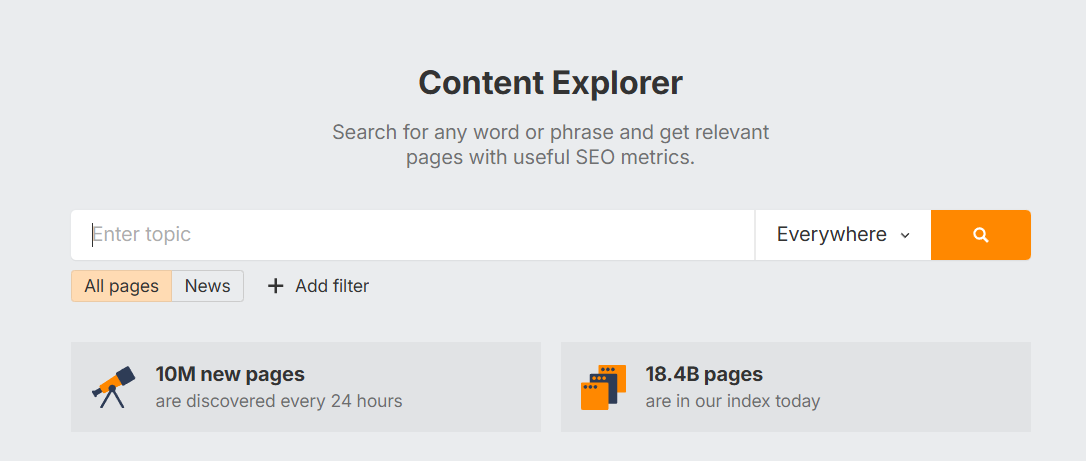
If I had to pick one SEO tool that consistently saves me time, it would be Ahrefs Content Explorer.
Most people use Ahrefs purely for keyword research, but Content Explorer is where it becomes a real content optimization tool. It’s basically a search engine for top-performing content across the web, and it makes SEO content optimization way easier because you’re not guessing what Google wants. You’re literally looking at what’s already ranking.
Here’s how I use it.
If I’m targeting a keyword, I’ll plug it into Content Explorer and filter results by traffic, referring domains, and publish date. Within seconds, I can see which articles are pulling real search traffic, which ones are earning links, and which ones are just sitting there doing nothing.
That tells me two important things right away:
- Is this keyword worth targeting at all?
- What kind of content is Google search actually rewarding?
Because sometimes the Google SERP says “write a guide,” sometimes it says “write a listicle,” and sometimes it says “don’t bother, this keyword is dominated by huge sites.”
It’s also one of the best ways to get keyword insights without relying on keyword suggestions that sound good but don’t match search intent.
I’ll often find a top-performing article, open it, and reverse-engineer the content strategy behind it.
What subtopics are they covering? What format are they using? How deep are they going?
That gives me a blueprint for my own SEO content, without copying anything.
MarketMuse
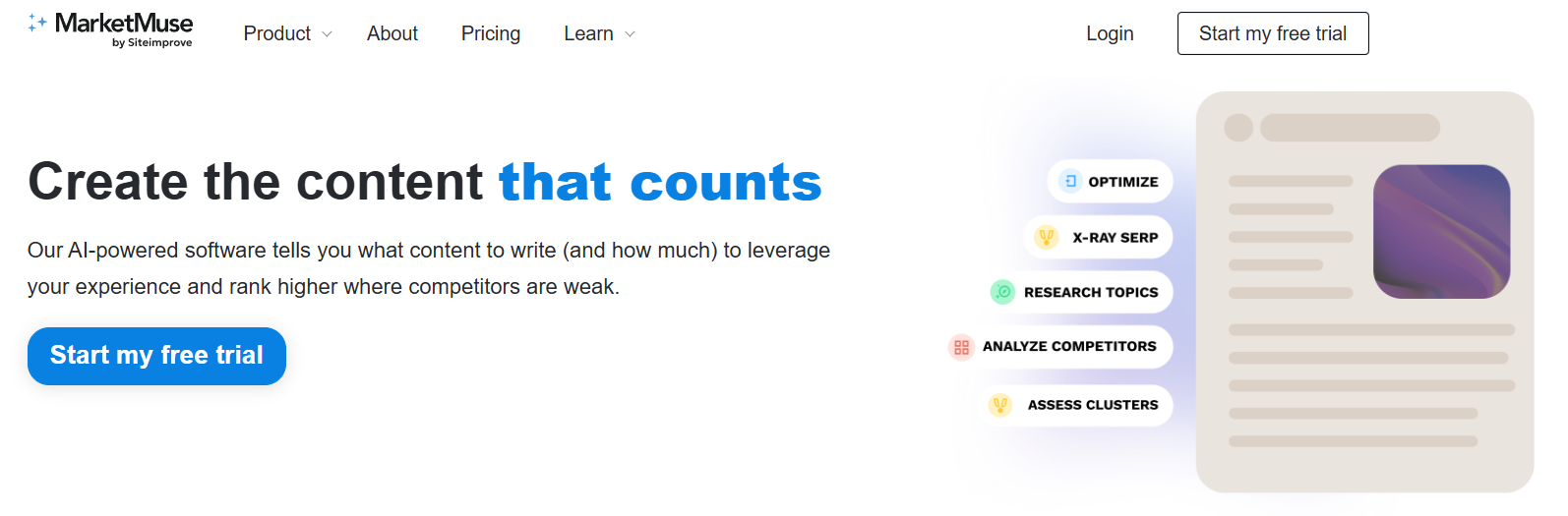
MarketMuse is the most powerful content optimization tool I use when I want to go beyond surface-level tweaks.
Instead of just giving keyword suggestions, it shows you which subtopics and related concepts your SEO content is missing compared to what’s already ranking in Google search.
That’s where real content optimization happens. Not by repeating the same keyword ten times, but by covering the topic properly.
I use it most for two things: building a strong content brief before writing, and upgrading old content that’s stuck on page two. If a page has impressions in Google Search Console but isn’t climbing, I’ll run it through MarketMuse and see what competitors are covering that I’m not.
It’s also great for keeping your content strategy focused. Rather than publishing random blog posts, you start thinking in terms of topical authority and depth. That shift alone improves SEO ranking over time.
SurferSEO
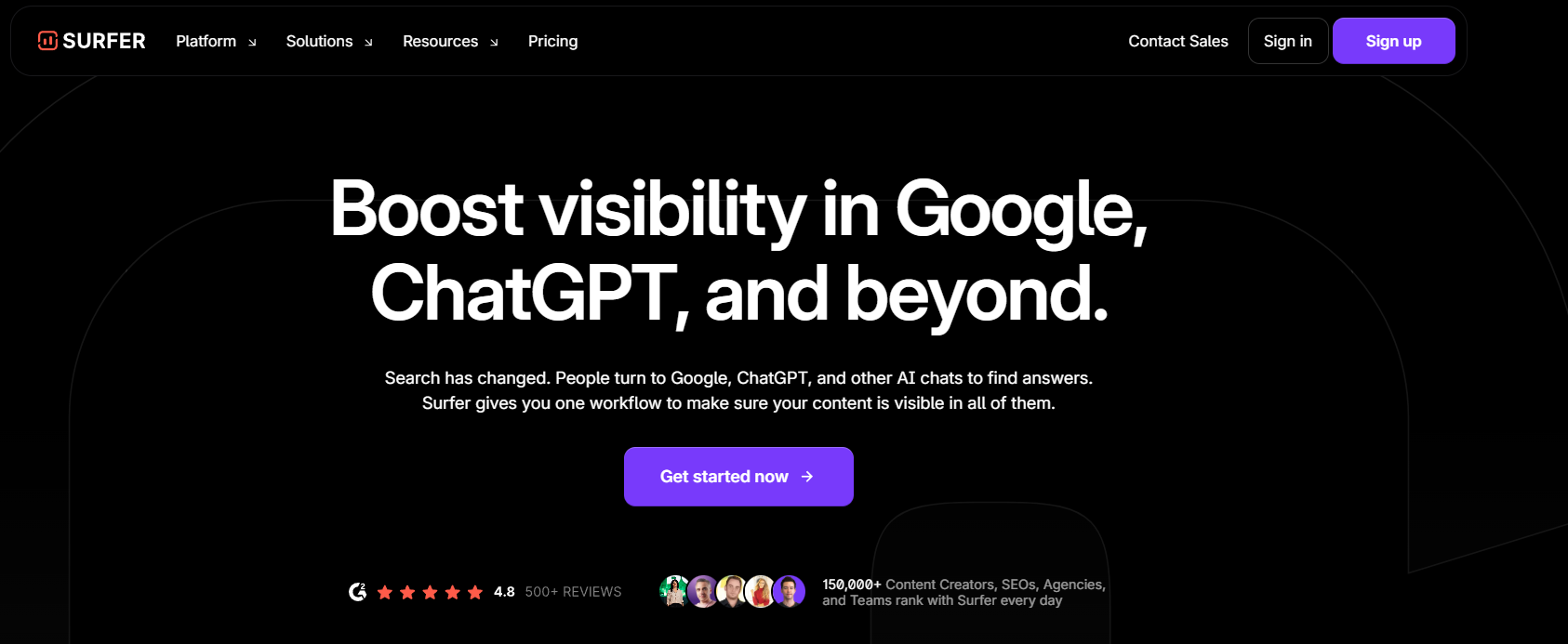
SurferSEO is the tool I use when I want fast, practical SEO content optimization without overcomplicating things.
MarketMuse is deeper, but Surfer SEO is quicker. You paste your draft in, it compares your content against what’s already ranking in the Google SERP, and it gives you a clear checklist of keyword usage, headings, and missing terms.
And honestly, that’s usually enough.
Most of the time, I’m not trying to reinvent my entire content strategy. I just want to make sure my optimized content includes the important keywords and topic variations that Google search expects to see.
SurferSEO works really well as a content optimization tool. It’s especially useful when you’re publishing a lot of SEO content and need a repeatable workflow for content creation.
One thing I like about it is that it makes optimization measurable. Instead of guessing whether your article is “optimized enough,” you can quickly see what’s missing, fix it, and move on.
The only warning I’d give is that Surfer can push you toward over-optimization if you blindly follow the score. I treat it as a guide, not a rulebook.
Frase

Frase is one of my favorite SEO content optimization tools when I’m in “speed mode.”
It’s not as heavy as MarketMuse and it’s not as checklist-driven as Surfer SEO.
Instead, it sits in the middle. It helps with keyword research, content creation, and content optimization all at once, which makes it a really solid all-in-one tool if you publish a lot.
The way I usually use Frase is simple: I plug in a keyword, and it pulls the main topics and questions that show up across the search results..
This is super useful for building an outline quickly and making sure your SEO content matches search intent.
It also helps you spot keyword insights you might miss otherwise, especially for long-tail queries. Sometimes the best keyword tool isn’t the one that gives you the biggest volume terms, it’s the one that helps you understand what people actually want answered.
Clideo Video Compressor
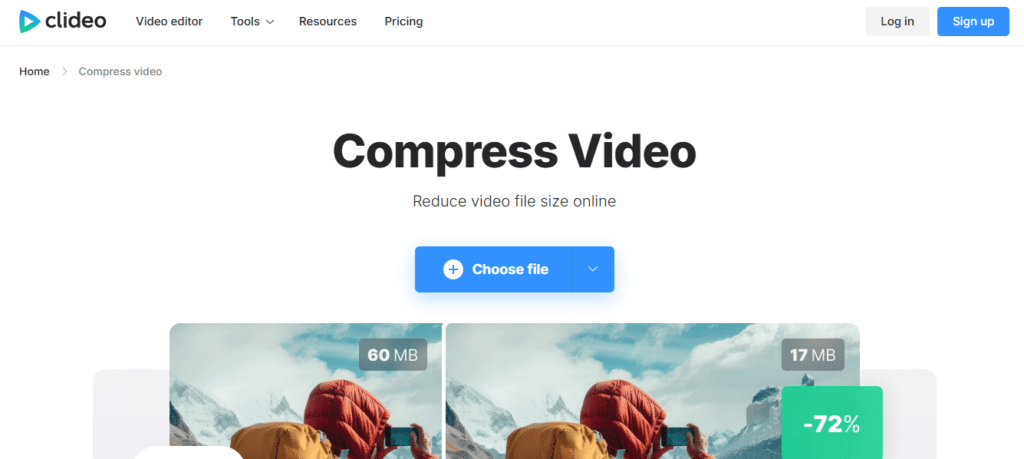
Clideo Video Compressor is the tool I use when I want a quick, no hassle way to reduce video file size without messing around with complicated software.
There are many advanced editors available, but Clideo keeps things simple. You upload your video, select the compression level, and the system automatically optimizes the file while maintaining acceptable quality. No technical setup, no confusing settings.
To be honest, that’s generally sufficient.
Most of the time, I’m not trying to fine-tune every bitrate or codec detail. I just want a smaller video that’s easy to share, upload, or store especially for platforms with size limits.
Clideo works really well as a video compressor for everyday use. It’s especially helpful when you’re dealing with large files and need a fast, browser-based solution without installing anything.
One thing I like about it is how accessible it is. Since it runs online, you can use it on any device. Whether you’re on desktop or mobile and get your compressed video in just a few clicks.
The only downside I’d mention is that upload and processing speed depends on your internet connection, especially for large files. But for quick compression tasks, it gets the job done efficiently.
Clearscope
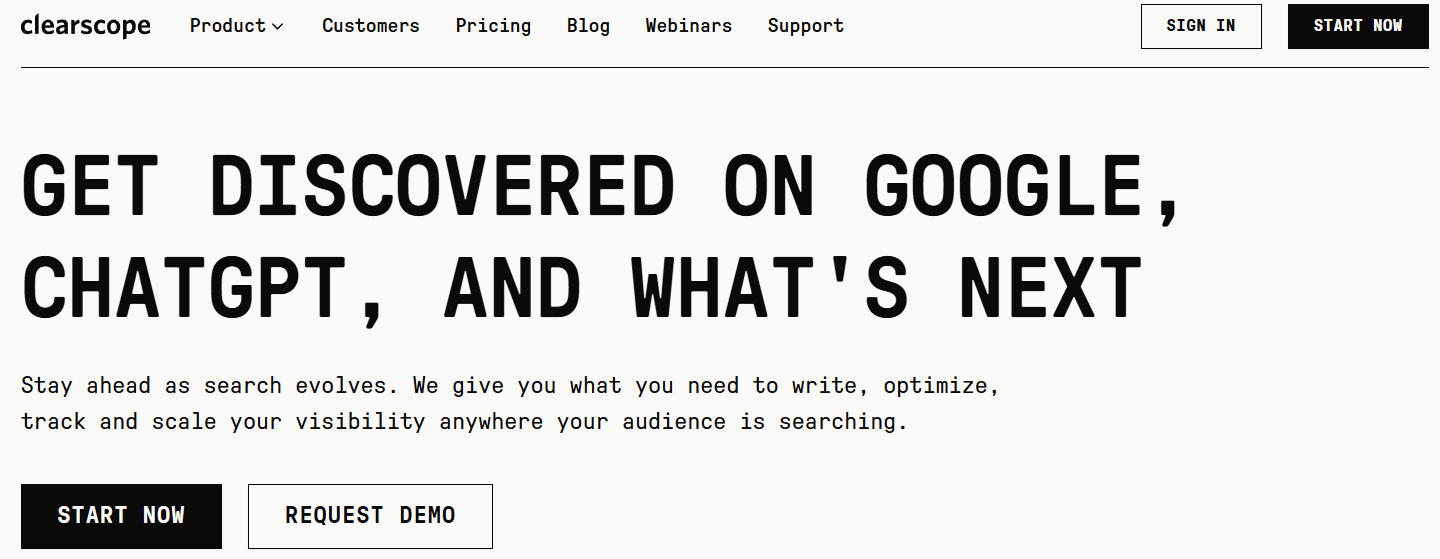
Clearscope is the tool I use when I want to polish a piece of SEO content without making it feel robotic.
It’s a straightforward content optimization tool. You paste your draft in, it analyzes the top-ranking pages in Google search, and it suggests related keywords and terms you should consider including.
Nothing flashy. Just clean, focused SEO content optimization.
What I like about Clearscope is that it encourages better coverage, not just higher keyword density. You’re not cramming a keyword into every heading. You’re making sure your content reflects how real pages in the search engine results are structured.
It’s especially helpful when you already have a solid draft and just need to refine it. I’ll run an article through Clearscope, adjust a few sections, improve clarity, and tighten up keyword usage.
Then I’ll sometimes pass it through something like the Hemingway Editor to make sure readability hasn’t suffered during optimization.
If Surfer SEO feels like a tactical checklist and MarketMuse feels strategic, Clearscope sits comfortably in between. It helps you create optimized content that still reads like it was written for humans, not just for the algorithm.
Yoast SEO
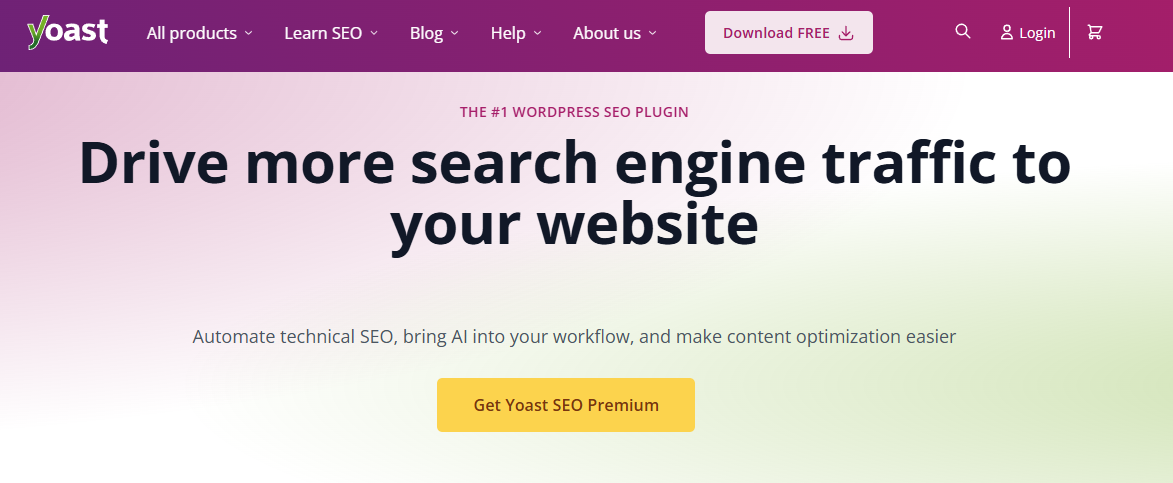
Yoast SEO is not the most advanced SEO content optimization tool on this list, but it’s the one almost everyone has used at some point.
If you’re on WordPress, Yoast SEO handles a lot of basic SEO optimization automatically. It checks your keyword usage, reminds you to add a meta description, flags missing internal links, and keeps you from forgetting simple technical SEO details.
I don’t rely on Yoast SEO for deep content optimization or serious keyword research. That’s not what it’s built for. But as a lightweight SEO tool for on-page hygiene, it does its job well.
It’s especially useful for making sure your SEO content has a clean title tag, a proper meta description, and a clear focus keyword. Combined with something like Rank Math, which offers similar features, it keeps the basics in place without overthinking it.
Think of Yoast SEO as your safety net. It won’t carry your SEO ranking on its own, but it prevents avoidable mistakes that can hurt optimization before your content even hits Google search.
ChatGPT/Claude

ChatGPT and Claude aren’t traditional SEO content optimization tools, but they’ve become part of my workflow for one simple reason: speed.
I don’t use an AI tool to replace keyword research or content strategy. I use it to implement optimization faster.
Here’s what that looks like in practice. I’ll run an article through Surfer SEO or MarketMuse, get a list of keyword gaps and optimization suggestions, then paste both the draft and the report into ChatGPT or Claude. With the right prompt, I can ask it to integrate missing keywords naturally, expand thin sections, or tighten up explanations.
That turns a 45-minute manual editing process into a 5-minute refinement pass.
AI writing also helps when refreshing older SEO content. If Google Search Console shows impressions for related keywords I’m not fully targeting, I’ll use an AI tool to expand sections and align the content better with search intent.
The key is not blindly publishing AI content. It’s using AI for content optimization and content creation support. You still review everything. You still think about search engine behavior. But you move faster.
Link building cheat sheet
Now Over To You
At the end of the day, SEO content optimization tools don’t rank pages by themselves.
They just make the process faster and a lot less guessy.
Ahrefs Content Explorer helps you find topics and keyword opportunities worth going after. MarketMuse, Surfer SEO, Frase, and Clearscope help you turn rough drafts into optimized content that actually matches what’s ranking in Google search.
Yoast SEO keeps your on-page and technical SEO basics clean. And ChatGPT or Claude is the fastest way to apply optimization changes without spending hours editing.
But after all the content optimization is done, rankings still come down to two things: how good your SEO content is, and whether you have the links to compete.
If you want to speed up SEO ranking growth even more, that’s where our done-for-you link building comes in.
We help you earn high-quality backlinks and listicle placements that improve visibility in Google search and help your content climb faster, without you having to do the outreach yourself.
Frequently Asked Questions (FAQ)
What are the best SEO content optimization tools right now?
The best SEO content optimization tools depend on your workflow, but tools like MarketMuse, Surfer SEO, Clearscope, and Frase are great for content optimization. If you’re doing research-heavy planning, Ahrefs is still one of the strongest options.
Is Yoast SEO enough for content optimization?
Yoast SEO is helpful for basic SEO optimization, especially things like meta description setup and on-page checks. But it’s not a full content optimization tool, so you’ll still need something else for deeper keyword and topic coverage.
Should I use Google Search Console for SEO content optimization?
Yes, Google Search Console is one of the best tools for SEO content optimization because it shows real keyword data from Google search. It tells you what queries you’re already getting impressions for, which makes optimization much more targeted.
Do AI tools like ChatGPT and Claude replace content optimization tools?
Not really. An AI tool is great for rewriting, expanding, and improving content creation speed, but it doesn’t replace a proper keyword research tool or SEO tool. The best workflow is using AI to apply recommendations from content optimization tools faster.
Do content optimization tools help with rankings without backlinks?
They can help, especially for low-competition keywords, but backlinks still play a big role in SEO ranking. Content optimization gets you relevance, but links help you compete when the search engine results are crowded.