
The tiered link building strategy is lesser-known among SEOs, but can definitely help you get the most out of your backlink profile.
In this article, we’ll be talking about:
- What is tiered link building and how does it work
- What are tier 1, 2, 3 backlinks
- How to build the best backlinks
Let’s get into it.
Key Takeaways
- Tiered link building is a structured link building strategy where links are built across multiple tiers to strengthen your main website
- Tier 1 links are high quality backlinks that point directly to your main website and form the foundation of your backlink profile
- Tier 2 links and second tier links support your tier 1 links by passing additional link equity and improving their authority
- Tier 3 links add another layer of support, helping distribute link authority across multiple tiers
- A proper tiered link building strategy improves ranking by strengthening your overall link profile, not just individual links
- Anchor text, link relevance, and link quality matter at every tier
- Avoid spammy links and link schemes — focus on quality links from authoritative websites
- The best tiered link building work combines high quality tier 1 backlinks with scalable tier 2 backlinks and third tier links
Link building cheat sheet
What is Tiered Link Building?
Tiered link building is a multi-layered approach to link building where links are built in a hierarchical structure of tiers.
Essentially, the tier 1 backlink is pointing to your main website, second tier 2 link points to pages that house your tier one links, tier 3 links to tier 2, and so on.
Tier one backlinks are the cream of the crop – editorial backlinks on a relevant anchor text from high quality websites.
These should be the bulk of your backlink profile.
Tier 2 links and below are aimed to further increase the top links’ value and pass on even more “link juice” through them.
Additionally, tier 2 links can be used to get your partners (that are linking to you) an additional backlink – further strengthening your collaboration.
By progressively layering these tiers, the link juice flows more effectively towards your main site – at the same time allowing you to create more link building opportunities with your partners.
Is Tiered Link Building White Hat?
By Google’s definition, tiered link building is considered a “link scheme”.
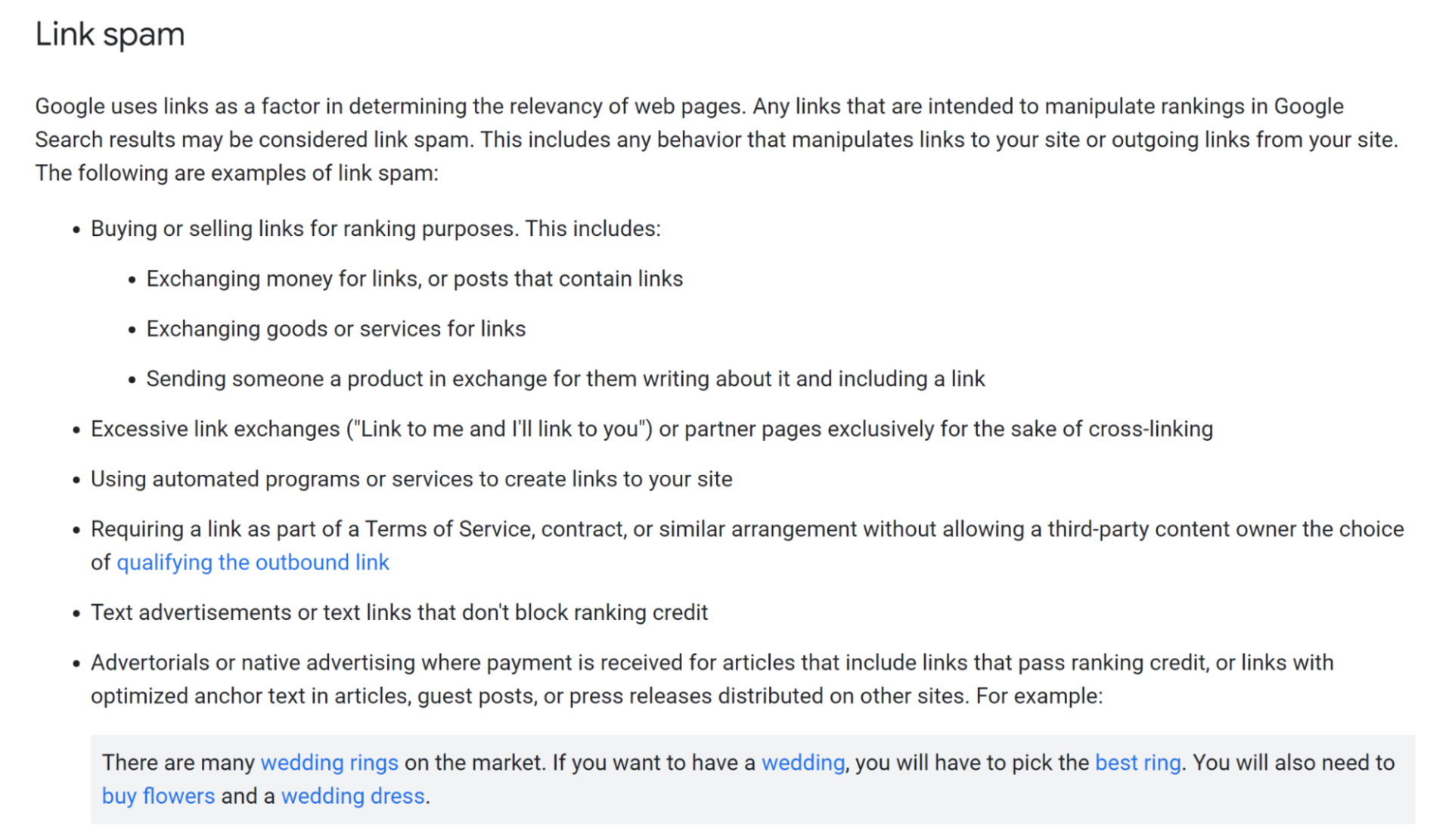
But in reality, it’s almost impossible to track, as what looks like a tiered link scheme might just be a bunch of people linking to other relevant, high-quality content.
And that is perfectly fine by Google.
So, it is white hat – as long as you don’t use a PBN (private blog network) or web 2.0 resources.
The “proper” way to do tiered link building is to:
- Do blogger outreach and secure editorial placements on relevant posts
- Link to your Tier 1 links from other related sites, such as your personal blog or other partner sites
- Link to your Tier 2 links from socials, forum posts, and other sources
Now, let’s walk through getting each tier of quality backlinks.
Tier 1 Link Building
If tiered link building is a system, tier 1 is where everything starts.
These are the links pointing directly to your main website, so they carry the most weight in your backlink profile.
A strong tier 1 link from an authoritative website can move your ranking on its own, which is why this part of your link building strategy matters more than anything else.
So what actually makes a good tier 1 link?
Relevance is the first filter. The site linking to you should be in your niche or at least closely related. A link from a random blog network or unrelated site might still count as a backlink, but it won’t pass meaningful link equity.
Then there’s authority. You want links from websites that already have strong domain authority or domain rating, because that’s what allows them to pass value through the link.
These are typically sites that already rank well in search engines and publish high quality content consistently.
As for actually finding these opportunities, most of it comes down to search.
You can use Google operators like:
"write for us" + [your keyword]"guest post" + [your niche]"best [your niche] blogs"
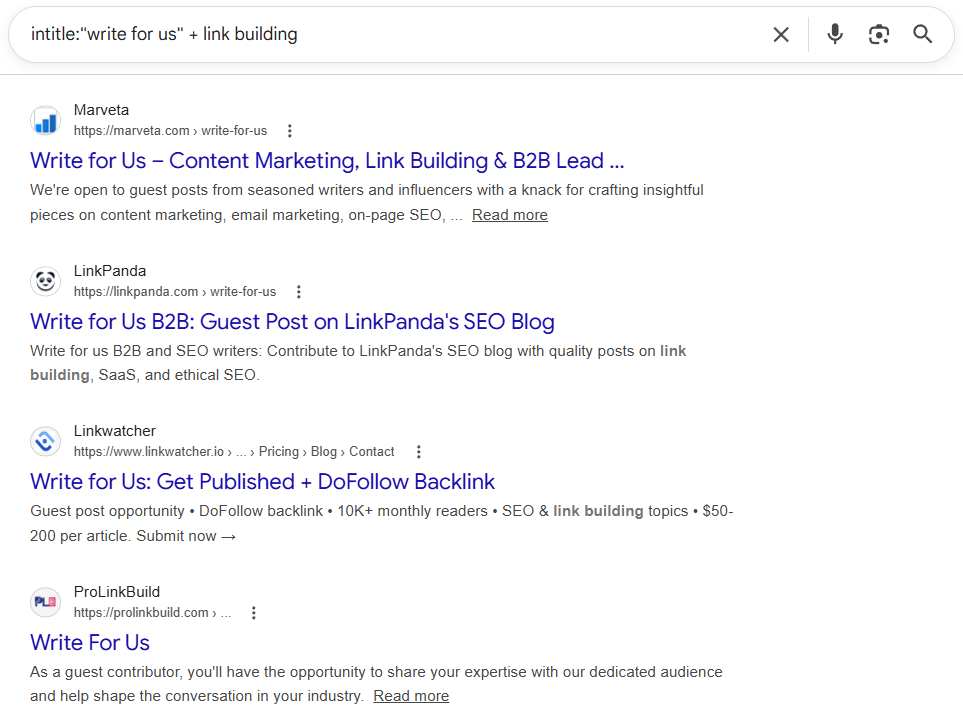
This helps you find websites that accept contributions or already publish the type of content you want to be featured in. From there, it’s outreach, pitching, and trying to secure placements.
And that’s where things usually slow down.
Because finding the right sites is only half the work. You still need to reach out, follow up, negotiate, and repeat the process consistently to build enough tier 1 links to make a difference.
That’s why many teams move away from doing this manually.
Instead of handling outreach themselves, they work with a done-for-you link building company that focuses specifically on securing high quality tier 1 links from relevant, authoritative websites.
All you have to do is place an order with your requirements/guidelines – and we’ll handle the hard parts.
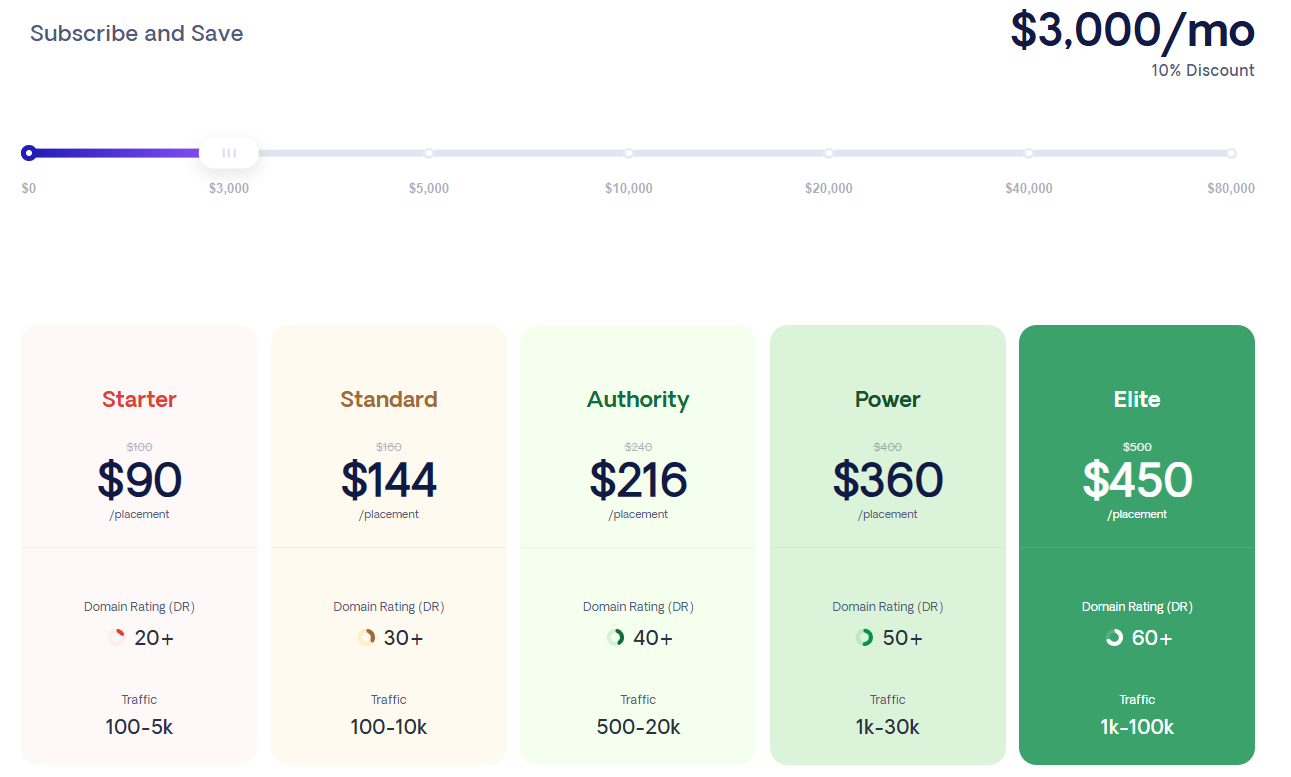
That way, you’re not just building links — you’re building the right links, at scale, without risking your backlink profile with low quality links or spammy links.
Once those tier 1 links are in place, the rest of your tiered link building strategy starts to work the way it’s supposed to.
That’s when tier 2 links, second tier links, and even third tier links can start reinforcing your primary backlinks and pushing more link equity back to your main website.
Tier 2 Link Building
From the technical standpoint, the process for getting high quality tiered backlinks is exactly the same: you find suitable opportunities to add a link to your tier 1 link, reach out to the website owner, and ask about the inclusion.
So, we won’t get into the nitty-gritty of the outreach and provide you a list of good places to add your second tier links:
- Other niche blogs
- Content networks
- Article directories
- Blog comment sections
- Niche-specific online communities
- Resource pages
- Medium articles
- Infographic submission sites
- Press release websites
- Link roundups
- Guest Blogging on less-authoritative sites
Tier 3 Link Building
Third tier links are the lowest-hanging fruit of the bunch.
Use platforms like Twitter, Facebook, LinkedIn, Pinterest and even forums to share content that includes links to your Tier 2 properties.
While these links may be nofollow, they can still drive traffic and add another layer of visibility and authority.
Participate in relevant industry forums and include links to your Tier 2 backlinks in your signature or within the post content.
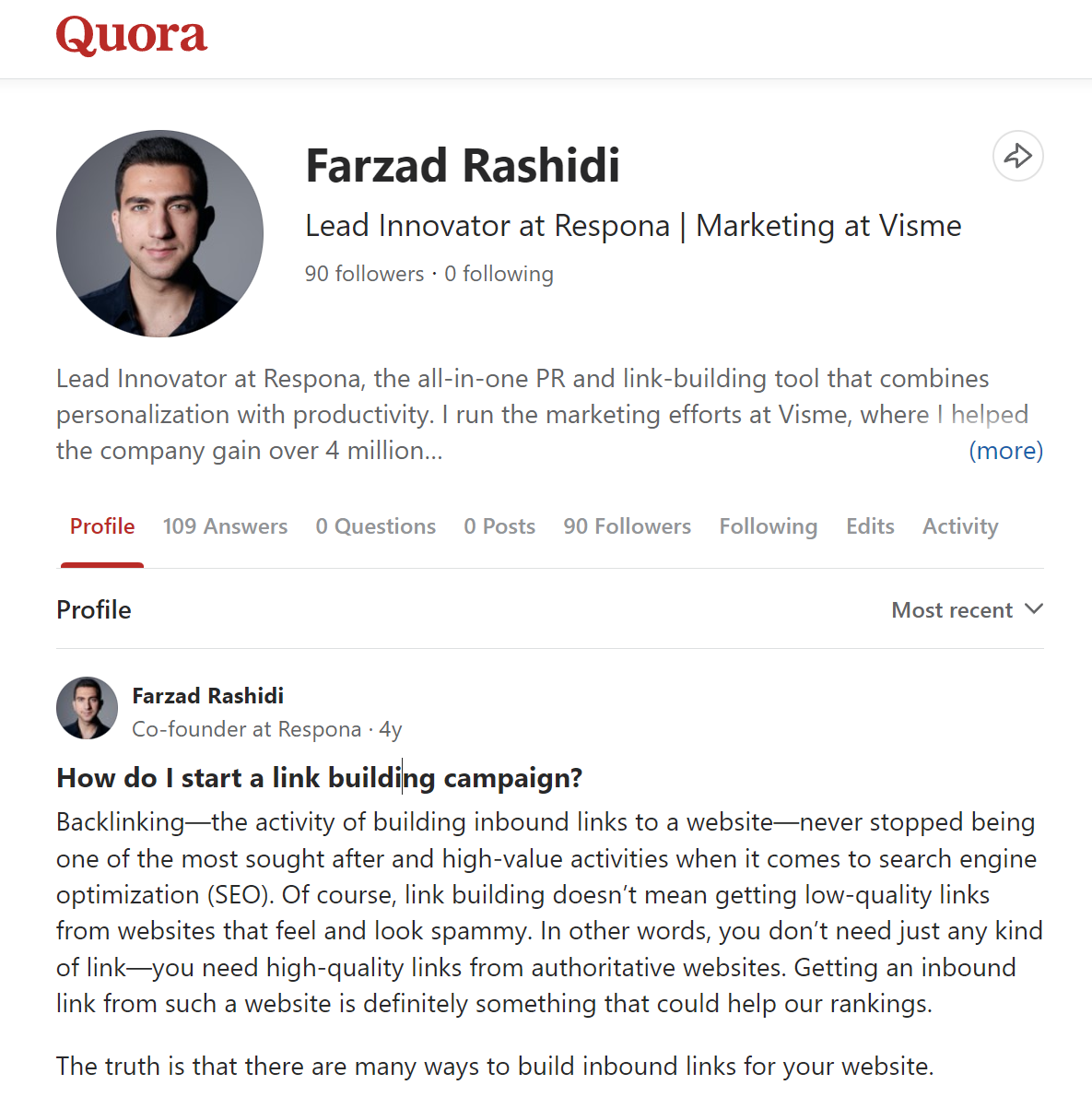
Forums such as Reddit, Quora, or niche-specific forums can be excellent sources for these links.
Create profiles on various websites and include your Tier 2 backlinks in the profile section. Websites such as About.me, Gravatar, and various forum profiles are excellent opportunities for this.
Even wiki links make for great tier 3 opportunities.
Link building cheat sheet
Now Over to You
Tiered link building isn’t about stacking random links.
It’s about building a structured system.
Your main website sits at the top, supported by tier 1 links, which are then reinforced by tier 2 links and even third tier links. Each tier plays a role in strengthening your backlink profile and improving ranking.
When done right, this creates a compounding effect.
Link equity flows through multiple tiers, your link authority increases, and your site becomes more competitive in search engines.
But building this manually is where most teams struggle.
You need to consistently secure high quality backlinks, manage outreach, and maintain a clean link profile — all while avoiding spammy links and low quality sources.
That’s where a done-for-you link building approach comes in.
Instead of handling everything yourself, you can rely on a team that:
- builds tier 1 links on authoritative websites
- supports them with tier 2 backlinks
- and executes a complete tiered link building strategy
So instead of chasing individual links, you’re building a scalable system that improves ranking and strengthens your backlink profile over time.
Frequently Asked Questions (FAQ)
What is Tiered Backlink Building?
Tiered link building is an SEO strategy where backlinks are built in layers. The primary layer (tier 1) directly links to your website, while secondary layers (tier 2 and tier 3) reinforce the first tier links, increasing their effectiveness and authority.
Does Tiered Link Building Work for SEO and Is It Safe?
Tier link building can be risky if executed poorly using spammy links or low-quality resources. When done correctly and ethically, utilizing high-quality and relevant links, it can enhance your SEO without violating search engine guidelines.
What Types of Links are Used in Tier 1?
Tier 1 links are typically high-quality, reputable links that come directly from authoritative websites relevant to your niche. These could include guest posts, editorial links, and mentions from respected sites.
Why are Tier 2 Links Important?
Tier 2 links fortify the authority of your tier 1 links, making them more impactful. They generally come from a less authoritative website group (but still relevant), helping to boost the power and credibility of your tier 1 links.
How Does Tiered Link Building Impact SEO?
A tiered link building effort distributes link juice across multiple tiers, thereby enhancing the overall authority of your primary links. This multi-tiered approach can improve your website’s search engine rankings and visibility more effectively than single tier links.