
If you’ve spent any time in SEO communities, you’ve probably seen people pitching PBN backlinks as a fast link building shortcut.
A few hundred bucks for dozens of “authority” backlinks pointing at your website, or one solid backlink from a real publication. Sounds great on paper.
In practice? Total waste of money.
In this article, we’ll break down four reasons why PBN backlinks aren’t worth your link building budget in 2026, and what to do instead with your domain authority strategy.
Let’s get into it.
Key Takeaways:
- PBN backlinks look cheap but cost you ranking power, time, and risk. A single PBN link sounds like a deal at $1-5 each. The real cost shows up when Google de-indexes the network and all the pbn links go dead at the same time.
- Google is very good at finding the PBN footprint. Same IP address ranges, same hosting, same outbound link patterns, same anchor text spam. Once one site in a private blog network gets flagged, the whole network usually follows.
- PBN link building gives you a short-term spike, not a long-term backlink profile. Even if the network hasn’t been spotted yet, it’s living on borrowed time. You’re essentially renting ranking boosts that get pulled when the inevitable happens.
- Google penalties from PBN usage range from annoying to catastrophic. Manual actions can be removed. The bigger problem is the algorithmic devaluation that happens silently. You won’t always know a pbn link went dead until you check your search rankings six months later.
- Listicle placements do everything PBN backlinks promised, with none of the risk. Real publications, real readers, real referral traffic, citations inside AI engines like ChatGPT and Perplexity. That last part is something no PBN link can ever do.
Link building cheat sheet
What Are PBN Backlinks?
What’s a PBN? Short for private blog network. A private blog network PBN is a group of websites built (or bought up) specifically to sell backlinks to other people. PBN backlinks are the placements you get from that kind of blog network.
The setup goes something like this:
- Someone acquires an expired domain that still has some authority left in it (or several domains at once). Or they buy multiple websites that already exist with some traffic.
- They set up basic content on each PBN site to make the website look like a legitimate blog. Sometimes there’s actual writing. Sometimes it’s barely-coherent AI slop content.
- They charge clients for placements. Usually a homepage link or an in-content backlink that points to whatever website the client wants to rank.
Each PBN domain in the network exists for one reason. To sell backlinks. The “blog” part of the website is a costume.
This is one of the older black hat link building tactics in the book. People still do it because, when it works, it works fast. Buy 20 PBN links today, see results in 2-4 weeks.
The problem is what happens after.
How to Spot a PBN?
Most PBN networks barely try to hide what they are. A PBN network usually advertises itself openly.
You’ll see them on SEO forums, in marketplace listings, or directly on someone’s website with pricing tiers like “20 PBN links for $99”.
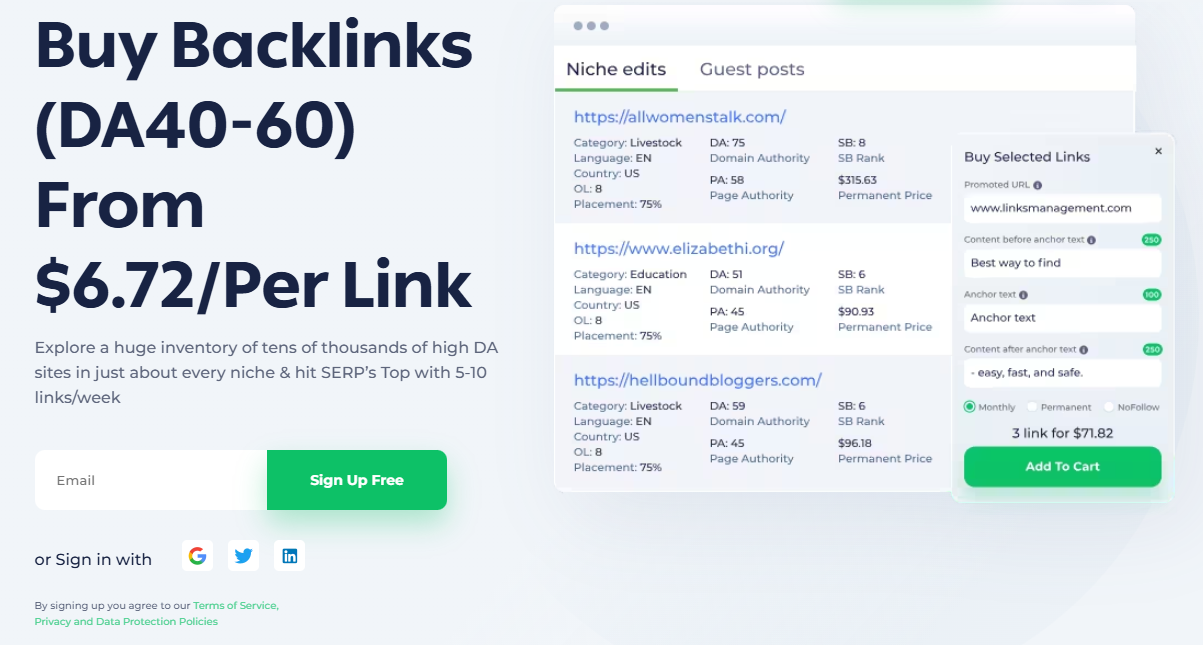
That’s tell number one.
Real publications charging real money have actual editorial standards. If someone is offering to buy backlink placements at $5-10 each, the website is almost certainly a PBN.
A few other signals to watch for:
- Suspiciously low prices. “Get 100 links for $100” type deals. Nobody can build a legitimate placement for that cost.
- Generic site descriptions. “High DR 50+ guest posting site in finance, lifestyle, tech, and health” is a tell. Real publications have a focus.
- Footprint patterns. Same hosting providers, same WordPress theme across multiple websites the same PBN owner runs.
- Outbound links to unrelated industries. A “marketing blog” linking out to crypto, gambling, casinos, and CBD sites in the same post is not a real blog.
- No social proof. No author bios, no traffic data on Ahrefs site explorer, no actual readership engagement.
Run any prospect domain through Ahrefs site explorer before agreeing to anything.
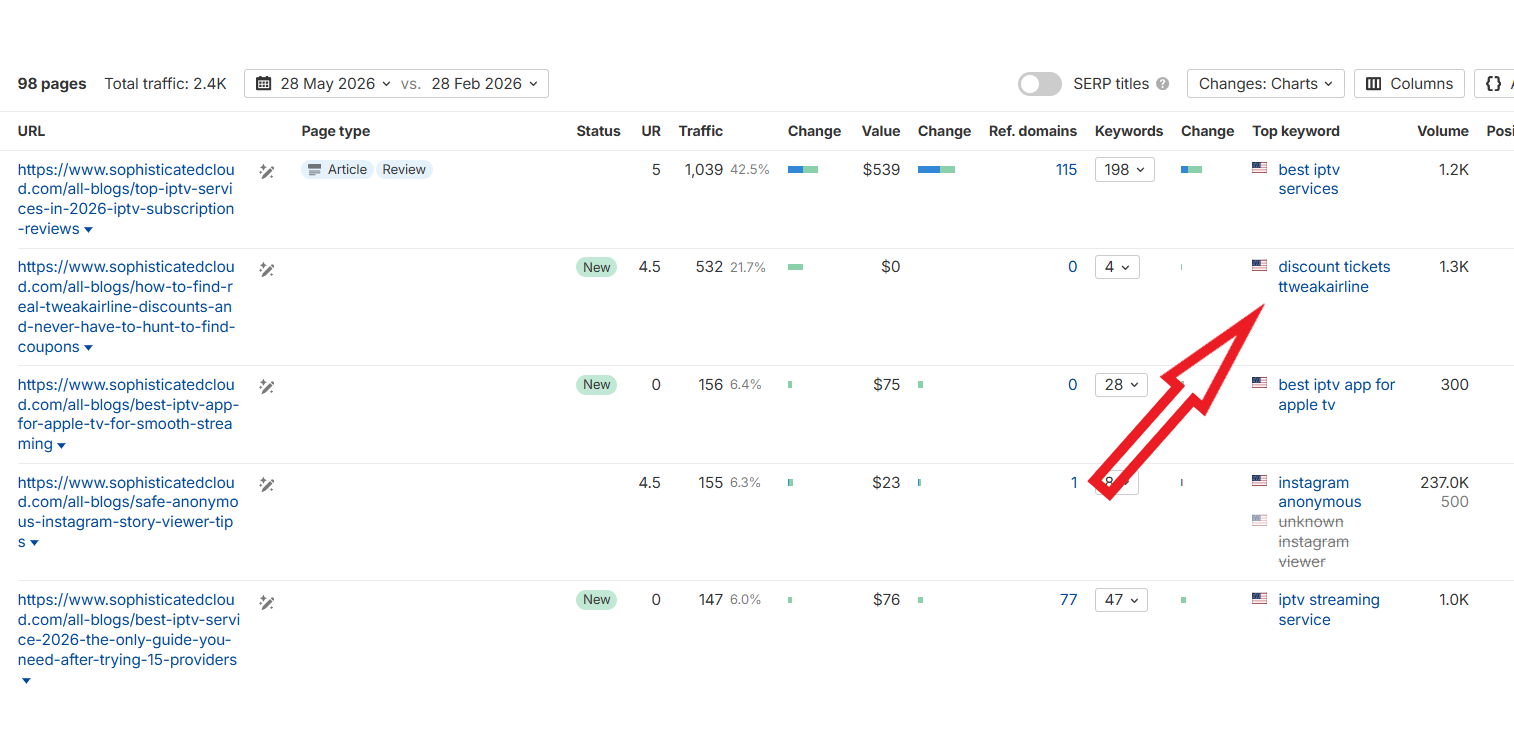
If the domain’s top pages look weird, the content quality is thin, and organic traffic doesn’t match their claimed DR, you’re probably looking at a PBN.
Reason #1: PBN Links Are Devalued by Google
This is the biggest problem. Google has gotten very good at spotting unnatural links and the link farms behind them.
The signals Google looks at: shared IP ranges, unique IP requirements that aren’t actually unique, suspicious link patterns, outbound link profiles that don’t match the site’s stated topic, and a few hundred other things they don’t share publicly.
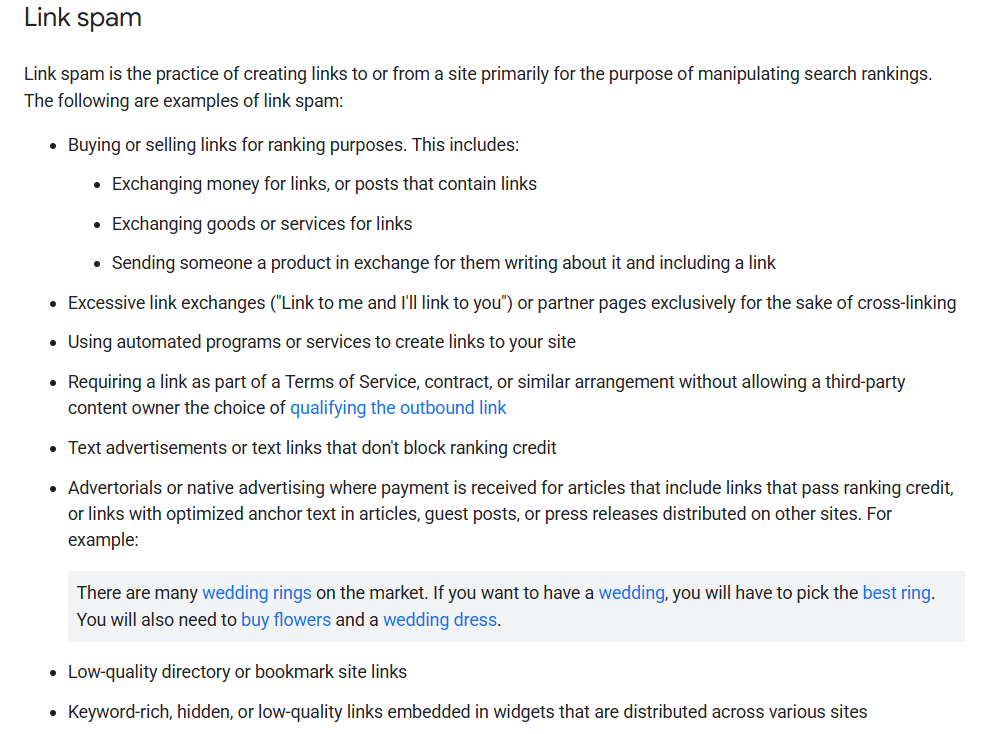
When a PBN gets flagged, Google doesn’t just devalue one link. Every backlink from every website in that network loses its link juice. That includes the PBN links you bought.
The link equity you paid for? Gone. Your search engine ranking from those PBN links? Also gone.
The website itself usually keeps existing because Google rarely de-indexes the whole domain network, but the link equity drops to zero overnight.
Now, here’s the catch. Not every PBN gets caught.
Some operators have run their networks for years without getting flagged.
The math problem is you have no way to know which domain will survive. Most don’t.
Reason #2: It’s a Short-Term Gain
OK so let’s play out the optimistic scenario. The PBN you’re buying from hasn’t been caught yet. Your pbn link gets indexed and starts passing equity to your site. You see a small bump in your ranking.
How long does that bump last?
Nobody knows. Could be six months. Or three years. Could be next Tuesday. But it will end. Every PBN gets caught eventually.
And when it does, every one of those PBN links goes dead at once. Not gradually, not partially. Just gone. Whatever search rankings you climbed thanks to those links will slide back down, sometimes hard.
Reason #3: You Don’t Want a Google Penalty
Google penalties aren’t as common as Reddit makes them sound.
Most sites that use a bit of grey-hat tactics never see one. Penalties don’t always completely remove you from search results either, but depending on the manual action you’ll definitely see a change in performance.
There are two flavors:
Manual actions show up in Google Search Console. A human reviewer flagged your site. These are the worst-case because they require submitting a reconsideration request to get the penalty lifted.
Even then, the recovery period kills any momentum you had.
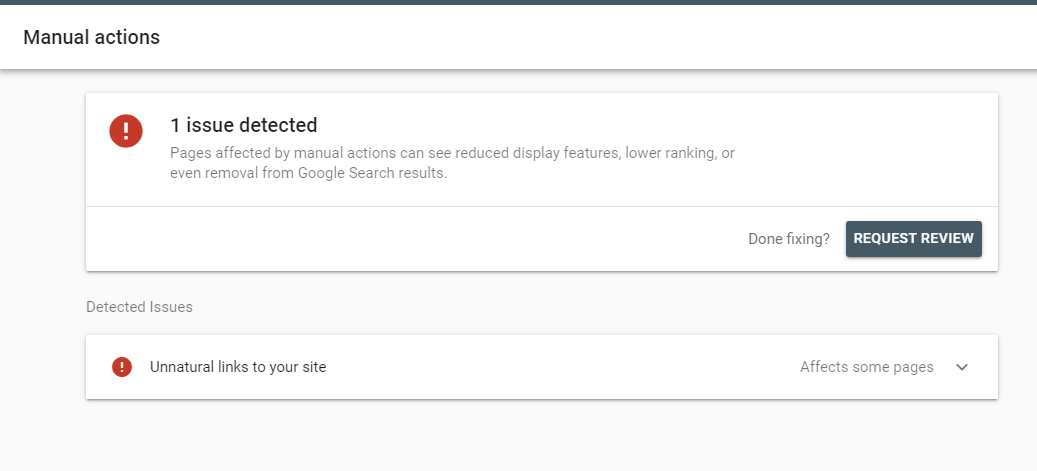
Algorithmic devaluation is the quieter version. Google’s algorithm just stops counting certain links toward your website ranking. You see traffic drop, but there’s no notification.
You’re left guessing what changed.
Either way, the result is the same. Your seo rankings take a hit, and the cleanup work eats months of effort.
Reason #4: There Are Way Better Placements to Go For
Here’s the deeper problem with PBN backlinks that doesn’t get talked about enough. Even if everything goes right, the upside is capped now.
Plain backlinks aren’t as powerful as they used to be.
Even in the magical scenario where you buy 50 pbn links, the PBN never gets penalized, and Google counts every single backlink toward your ranking, you’re still missing the bigger half of the visibility game in 2026.
PBN links can theoretically help you climb to the top 10 of search engine results.
They won’t get you cited in AI Overviews. Or get you mentioned in ChatGPT. Neither will they help you show up in Perplexity, Gemini, Claude, or Copilot when someone asks for the best tools in your category.
You know what does?
Listicle placements on real publications. Like these:
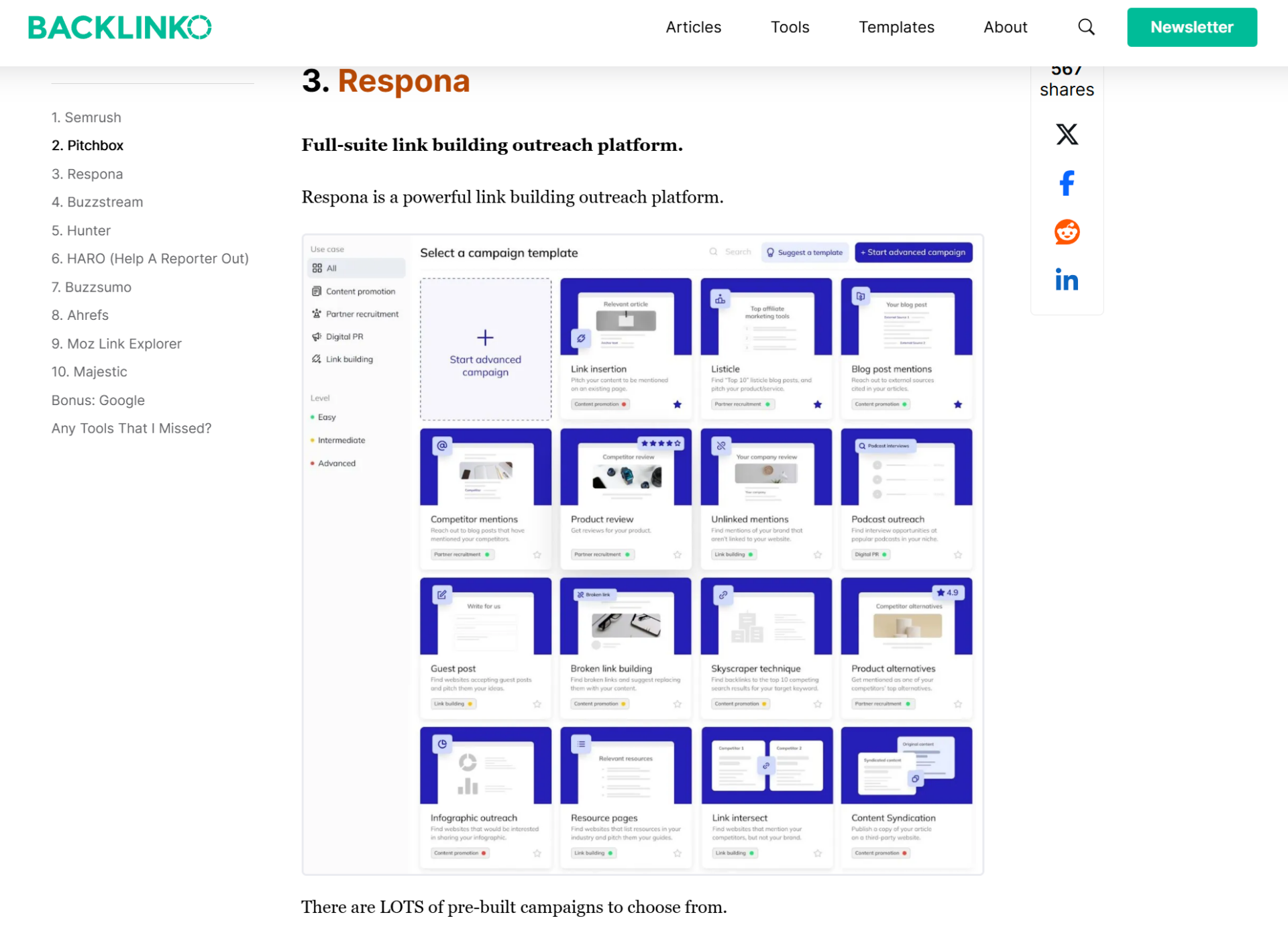
When ChatGPT or Google AI Overviews answer a query like “best [tool] for [use case]” they pull from the same articles that already rank in Google.
Those are tier-1 listicles, comparison roundups, and “best of” articles written by real publishers for real readers.
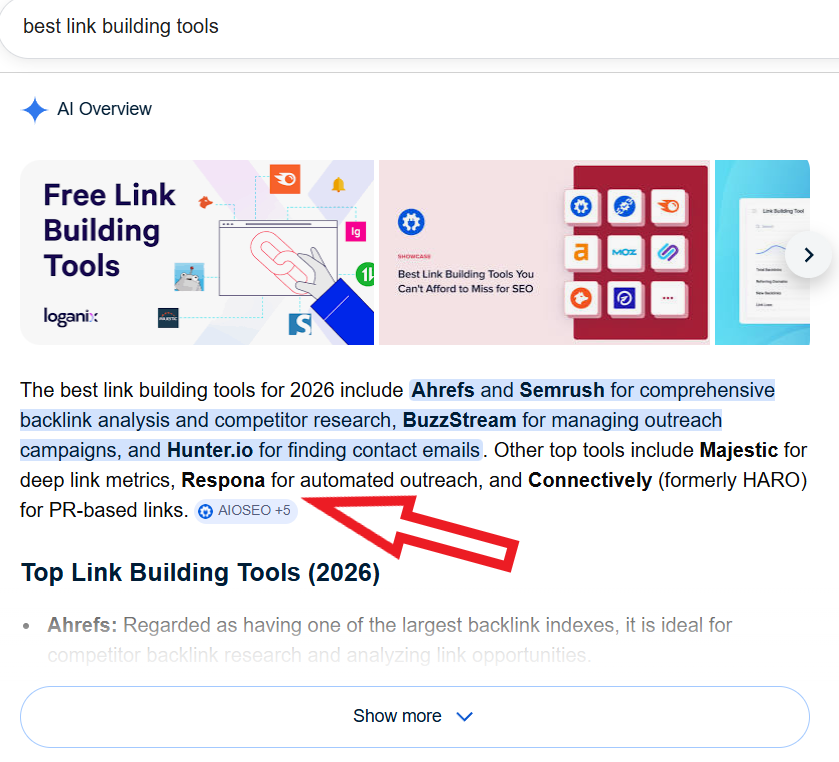
A single placement on one of those articles does more for your modern SEO than 50 pbn backlinks ever could.
Listicle placements deliver the quality backlinks PBN networks pretend to be selling, with none of the risk. Each placement gives you:
- High quality backlinks with real authority (not borrowed authority on a flagged PBN domain)
- Authoritative backlinks from publications with editorial standards and real content
- Referral traffic from people actively in research mode
- Citations inside AI engines that pull content from that article when generating answers
- A real backlink profile that won’t evaporate when Google’s next algorithm update lands
That last point is the whole game. PBN links chase short-term ranking spikes.
Listicle placements build a backlink profile that stacks up for years and doubles as your AI visibility strategy.
Need Help Getting High Quality Brand Mentions?
That’s what we do at Respona.
It’s a completely done-for-you, pay-per-result link building service that focuses on listicle placements specifically. But, of course, regular backlinks are also available.
Just place an order with your target URL, anchor text and any additional guidelines and we’ll take it from there.
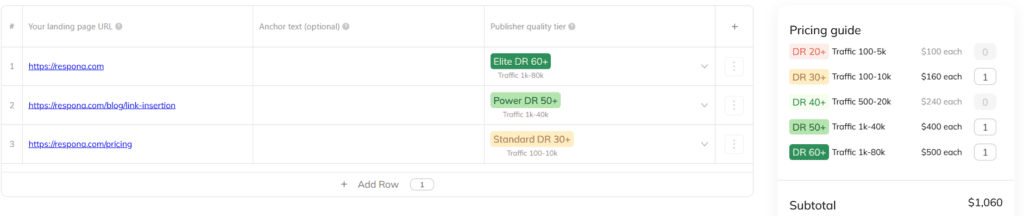
The team handles prospecting, pitching, follow-ups, and negotiation.
It also comes with a built-in AI visibility tracker monitoring brand mentions across ChatGPT, Perplexity, Google AI Overviews, Gemini, Claude, and Copilot.
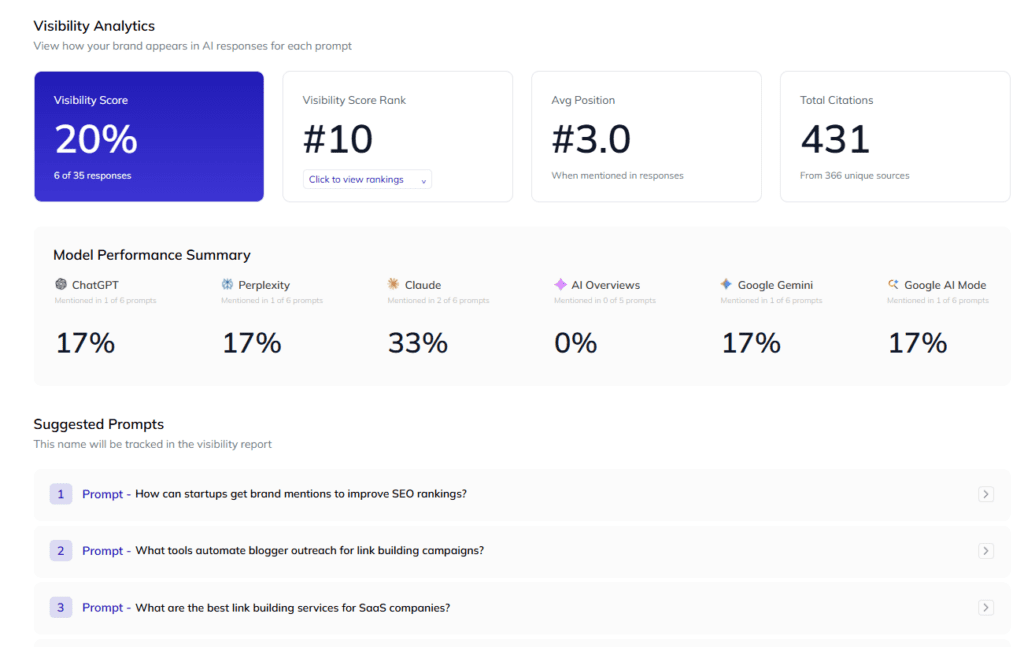
And the best part is it’s not “just” a visibility tracker. Once you put in the target AI prompts you want to show up in…
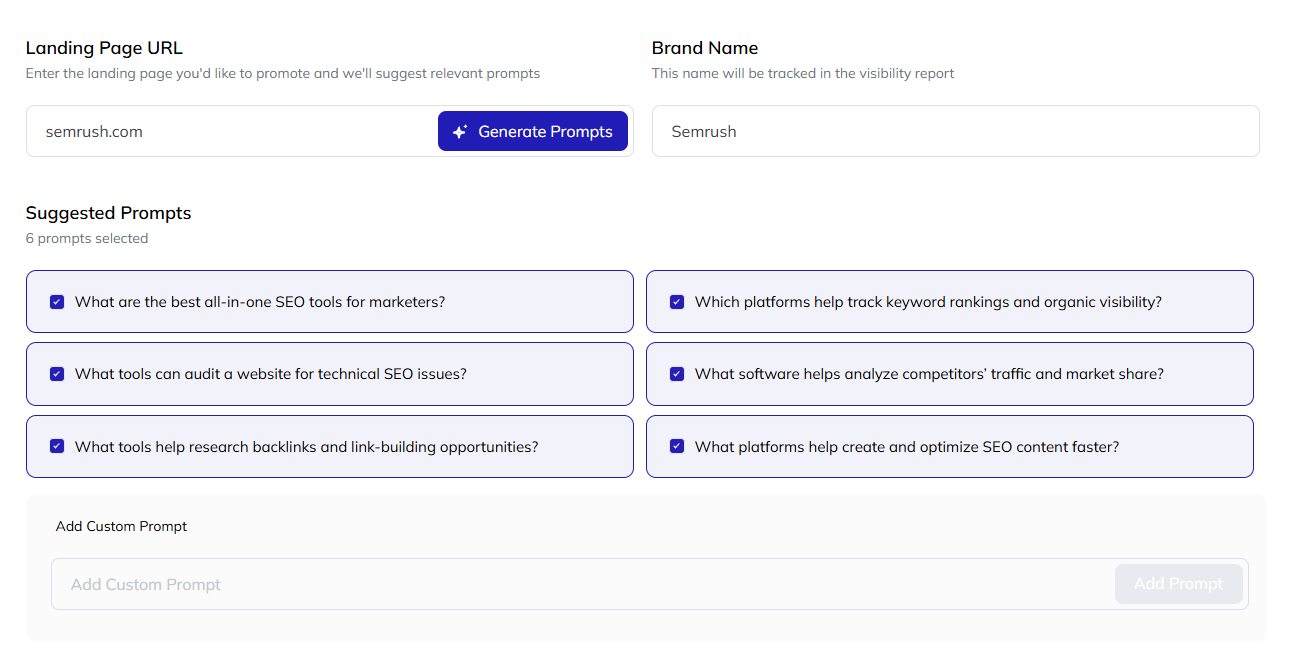
…the platform generates a personalized link building action plan just for you, based on articles that are currently ranking in google and on AI for your target queries.
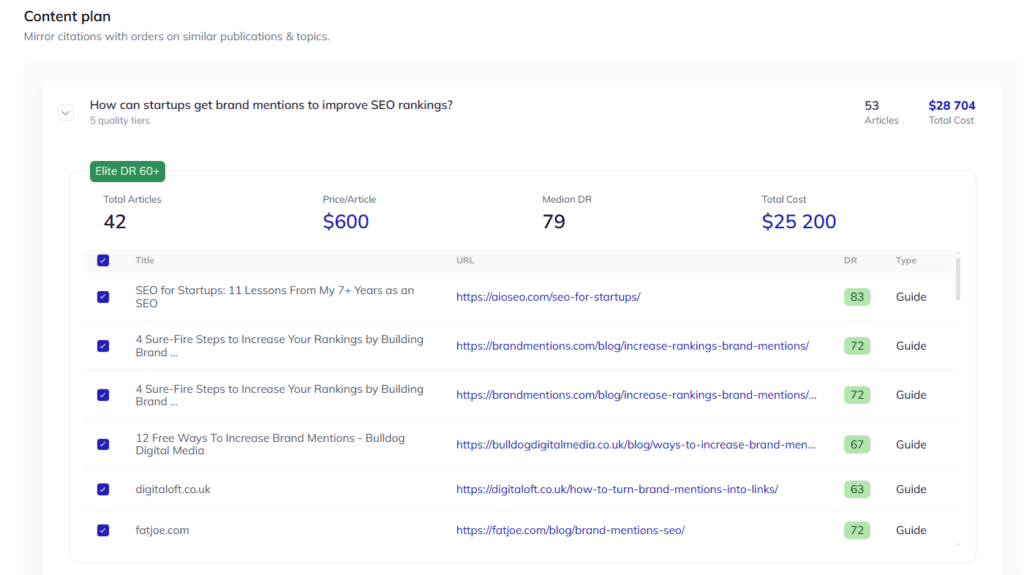
There’s no scenario where you’re paying for a placement that turns out to be on a PBN.
Every backlink you get through Respona is on a real publication. And you can request domain pre-approval so you can be sure every placement you pay for is one that moves the needle.
Link building cheat sheet
Now Over to You
PBN backlinks are one of those tactics that keep refusing to die in SEO. People still buy them. Recommend them in forum threads. Write “is X PBN any good?” Reddit posts.
The math hasn’t actually changed though.
You’re paying for short-term ranking boosts on a network that’s living on borrowed time. Even when it works, it doesn’t get you anywhere modern SEO actually cares about. AI Overviews, ChatGPT, Perplexity, all of the answer engines pulling from real publications.
If you want a backlink profile that survives the next algorithm update AND gets your content cited inside AI engines, listicle placements on real domain authority publications are the play.
That’s what Respona handles for you. Done-for-you outreach, pay-per-result pricing, AI visibility tracking built in.
Place your first order today to get started.
Frequently Asked Questions (FAQ)
What is PBN SEO?
PBN SEO is the practice of using private blog networks as part of an SEO approach. It usually means buying or running a pbn website (or several) that exists to pass link juice to a main site.
Most modern SEO practitioners avoid this approach entirely because the risk-to-reward ratio has gotten worse every year.
Google’s algorithm is better, the manual penalties are clearer, and the upside is smaller now that AI search matters too.
Is building a PBN worth it for SEO?
Almost never. Building pbn properties from scratch requires buying expired domains, setting up unique IP hosting for each one, creating content, and maintaining the network indefinitely so it doesn’t get flagged.
The time and money investment is significant, and the entire setup is at risk every Google algorithm update.
Can a PBN be part of a legitimate link building strategy?
No. A defensible link building strategy is built on earning links from real publications, not buying them from networks.
Building links through guest contributions, listicle placements, and digital PR campaigns is slower than PBN link acquisition, but the links don’t disappear when an algorithm update hits.
What’s the difference between PBN backlinks and authoritative backlinks?
PBN backlinks come from a network of websites owned by one operator solely to sell link placements. Authority-grade links come from real publications with editorial standards, real readers, and real traffic.
The Google algorithm treats them differently. The first is risk, the second is signal. A single link placement on a credible publication usually outperforms a dozen PBN buys.
How does Google detect private blog networks?
A handful of footprint signals that the search engine looks for: shared IP blocks, common WHOIS data, identical hosting providers, identical WordPress themes, the same internal linking patterns across multiple sites, repeated anchor text choices in outbound links.
Google has been collecting these footprint signals for over a decade.
Private blog networks built by amateurs get spotted in months. Even well-built private blog networks usually get flagged eventually because the operator slips on at least one footprint signal.
What are pbn blog post backlinks?
PBN blog post backlinks are placements where the backlink sits inside a regular-looking blog post on a pbn site. The post is usually 300-500 words of generic content with a hyperlinked anchor text pointing to whatever the client wants to rank.
They’re harder to spot than a homepage link because they look like normal in-content references, but Google has gotten better at flagging them based on broader footprint patterns.