
There are hundreds of SEO factors people talk about every year.
Some focus on technical SEO. Others obsess over backlinks, user engagement, social signals, or content quality.
But honestly, most of the important SEO ranking factors have not changed all that much.
Google still wants:
- useful content
- strong authority signals
- good user experience
- pages that satisfy search intent
The difference now is that visibility no longer happens only in traditional search engine results.
AI systems now generate answers directly, which means brands also compete for mentions and citations inside zero-click searches.
And despite all the hype around AI search, most of the same search engine ranking factors still apply.
In this guide, we’ll look at the SEO factors that matter most in 2026 for both traditional SEO ranking and AI visibility.
Key Takeaways:
- Most important SEO ranking factors still work the same way they always have, even in AI search.
- Brand mentions and recommendations across authoritative websites now influence AI visibility much more heavily than backlinks alone.
- Technical SEO, internal links, structured data, and content structure help search engines and AI systems understand your content more efficiently.
- Site speed, mobile friendliness, and overall user experience still matter because they affect crawlability, parsing, and user engagement.
- Strong keyword coverage and search intent alignment remain critical for both traditional SEO ranking and AI-generated search visibility.

Link building cheat sheet
Brand Mentions
For years, backlinks were the main thing everybody focused on in SEO.
And they still matter a lot.
Google still looks at links when deciding which pages deserve to rank.
But AI search changed the game a little.
Now it’s not just about getting links.
It’s about getting your brand mentioned over and over on the kinds of pages that already show up for the searches you care about.
Things like:
- “best X” lists
- comparison pages
- reviews
- roundups
- recommendation articles
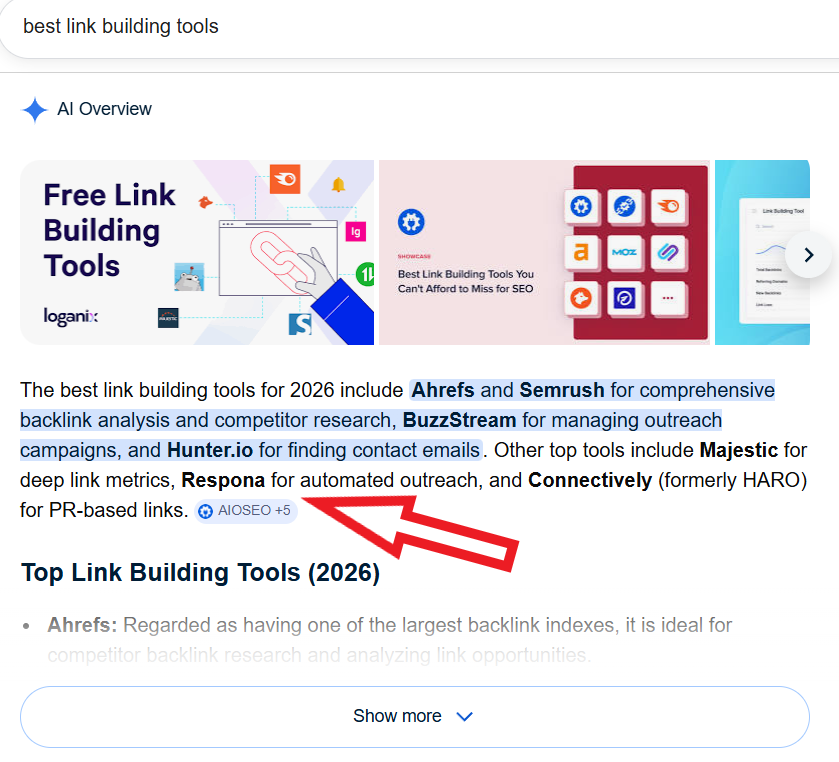
If your brand keeps appearing across those pages, AI tools start pulling you into position zero too.
That’s why brand mentions are becoming such a big SEO factor for AI visibility.
Especially for commercial searches.
For informational searches, AI tools still pull a lot from pages already ranking well in Google.
But for commercial queries, they usually build answers from multiple articles across the web.
Especially listicles like these:
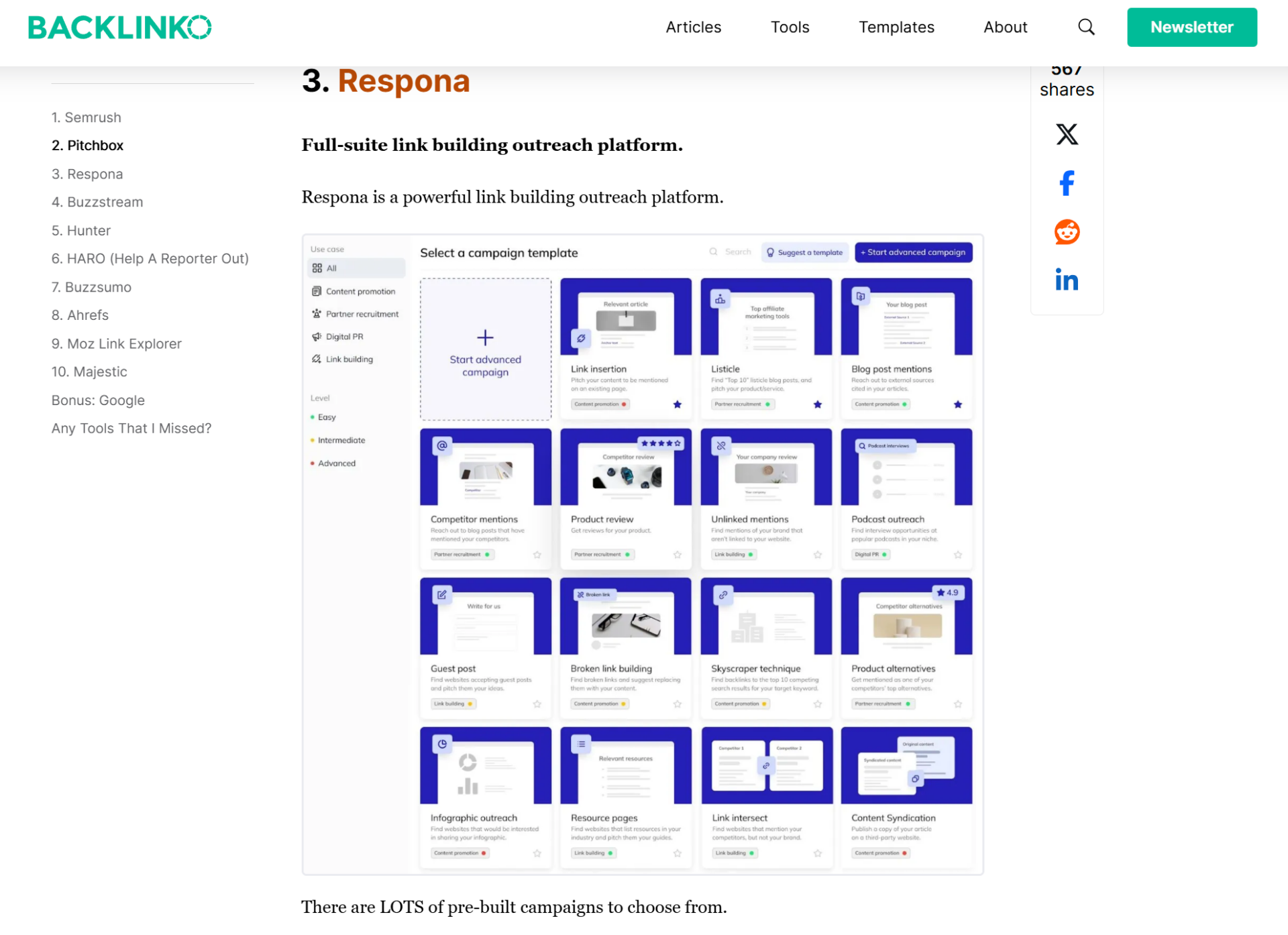
So even if your own page is not ranking at the top, your brand can still appear in AI-generated answers if enough relevant websites keep mentioning you.
That’s also why things like domain authority, link profile quality, and overall search engine ranking still matter.
AI search is still built on top of regular search.
The difference is that mentions and recommendations now matter a lot more alongside traditional backlinks.
The difficult part is getting those mentions consistently.
Because they rarely happen on their own anymore.
You still need outreach, placements, and relationship building to keep getting your brand featured on relevant websites.
That’s what Respona is built for.
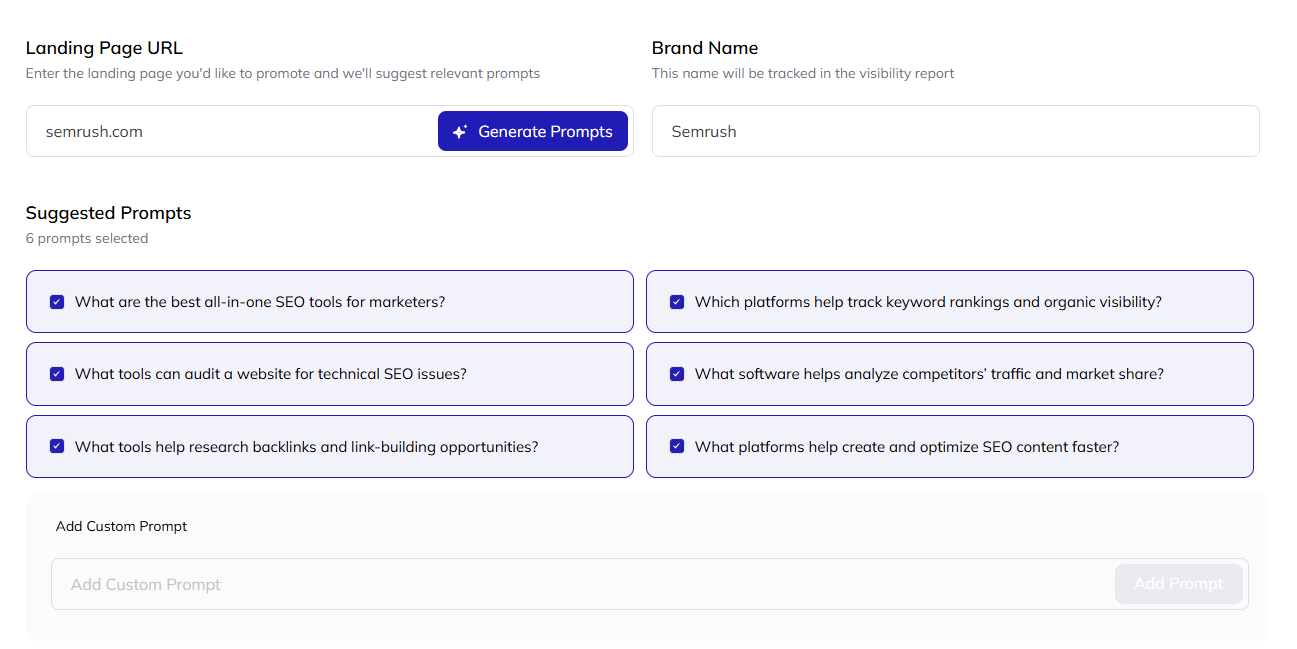
If you use Campaigns, the platform finds articles already ranking in Google and already appearing inside AI-generated answers related to those searches.
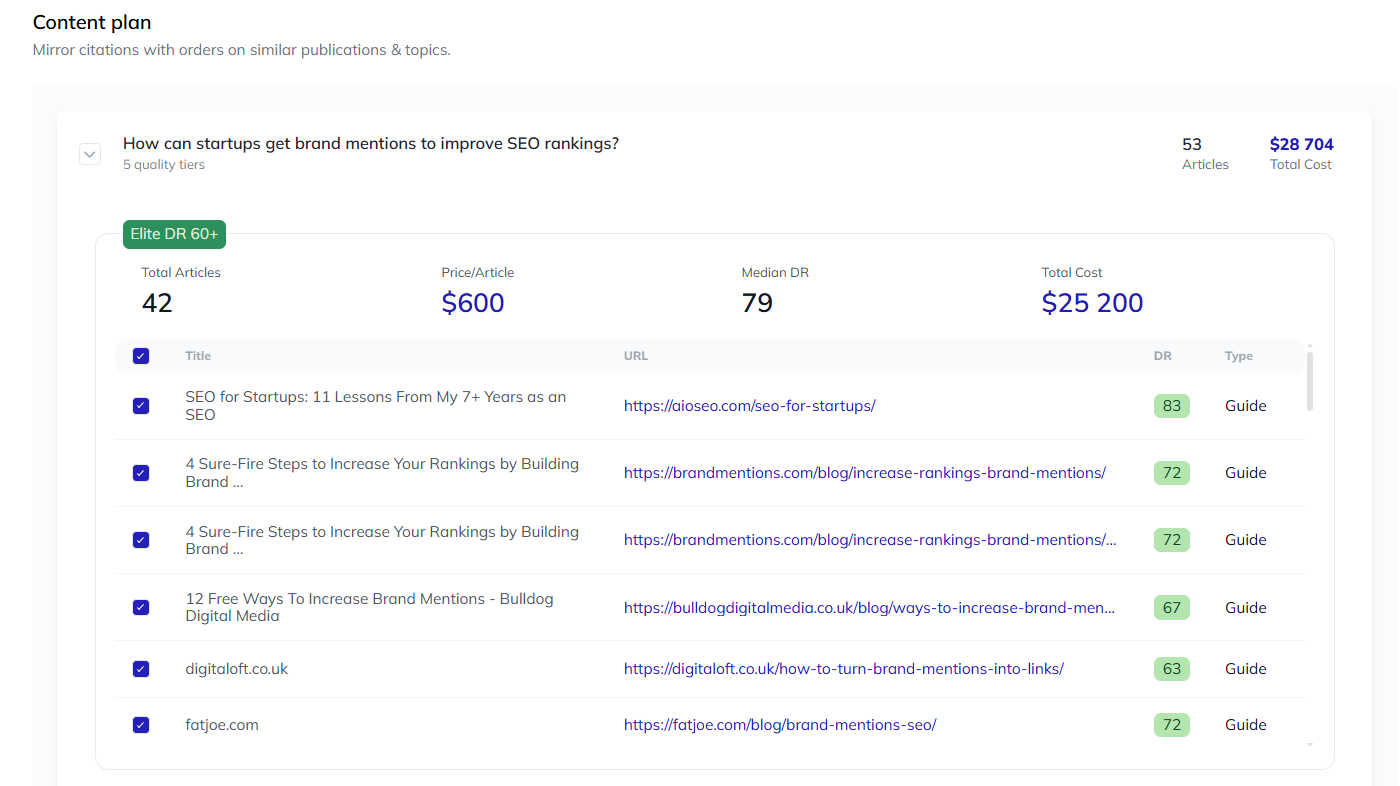
That way, you’re focusing on placements on pages already getting visibility around the topics you care about instead of building links just wherever you can.
Once you place an order, the Respona team handles the outreach, publisher conversations, follow-ups, negotiations, and placements for you.
All you have to really do is track your visibility improve right inside the dashboard.
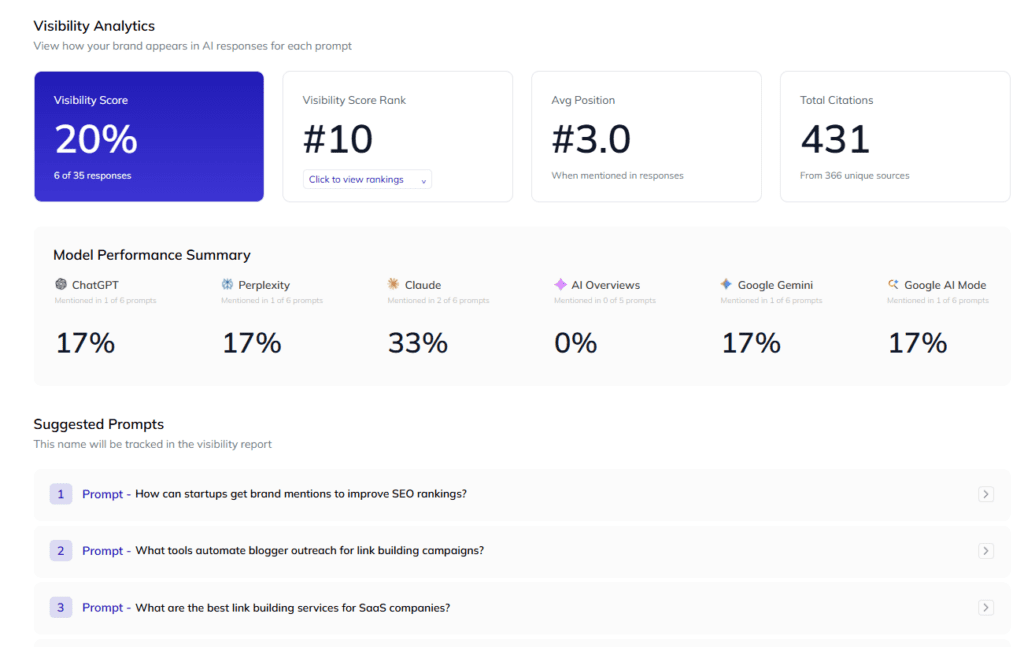
Content Structure
AI tools are much better at pulling information from pages that are easy to understand.
If your content is disorganized, hard to scan, or overloaded with SEO fluff, it becomes harder for search engines to figure out what the page is actually about.
That’s why a lot of the same technical SEO basics still matter. Things like proper heading structure, internal links, schema markup, descriptive anchor text, clean formatting, and fast-loading pages all help search engines process your content more clearly.
None of this is new.
Google has been pushing this stuff for years because it helps organize information across the web.
AI search just puts even more emphasis on it. The same goes for structured data.
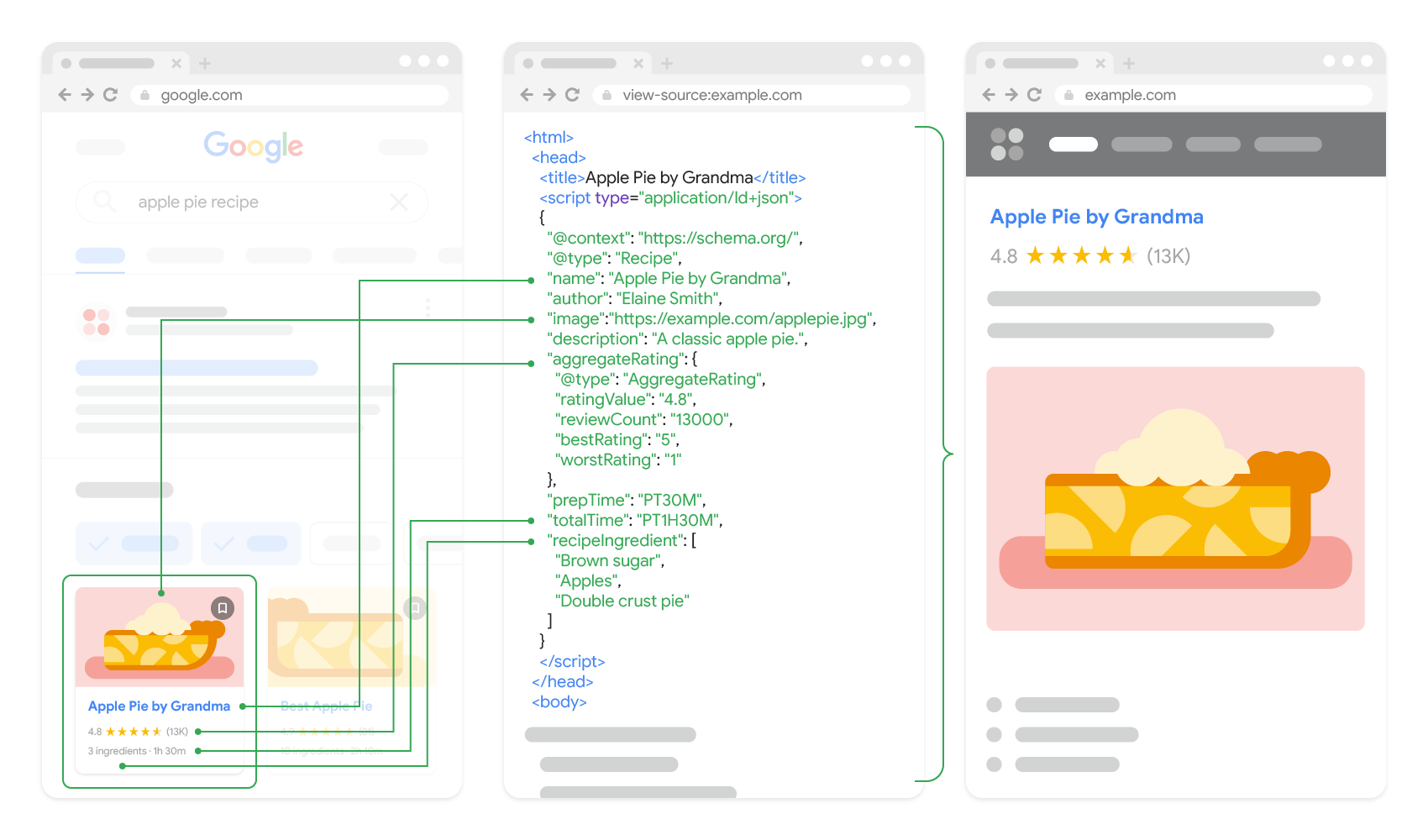
Schema helps Google understand products, reviews, FAQs, authors, companies, and services, which gives AI systems much clearer context when generating answers.
This is also why Google keeps pushing E-E-A-T so hard.
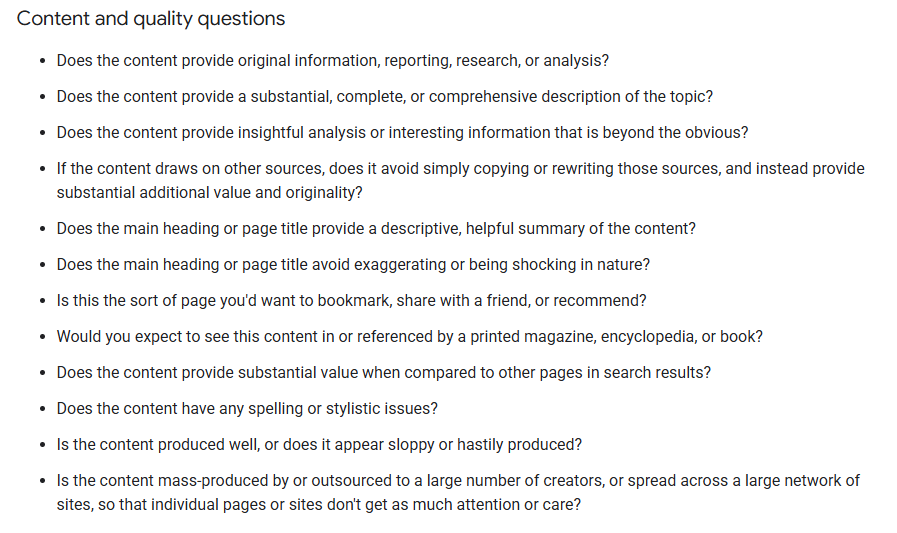
If your content clearly demonstrates experience, expertise, authority, and trust, you’re already aligning with a lot of the SEO ranking factors that matter most for AI search too.
At the end of the day, AI systems are still trying to answer the same question regular search engines always have:
“Is this page actually useful for this search?”
Site Speed
Site speed has been a Google ranking factor for a long time.
Originally, it was mostly about user experience.
People do not want to wait ten seconds for a page to load, especially on mobile.
That part has not changed.
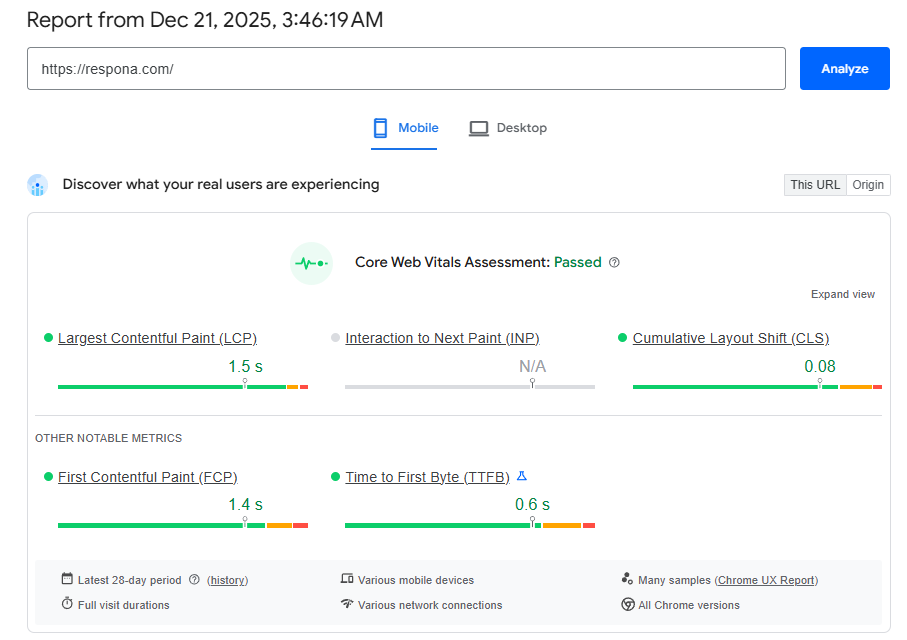
But now site speed also affects how easily AI systems can crawl and process your website.
Fast pages are simply easier to parse.
If your site is bloated with scripts, constantly shifting layouts, broken mobile experiences, or massive page sizes, it creates friction for both users and search engines.
And usually, the slower the website gets, the worse the user engagement signals become too.
Keyword Coverage
Keywords are still how most websites get consistent organic traffic.
Especially from lower-difficulty searches.
A lot of companies spend all their time chasing massive keywords that are almost impossible to rank for while ignoring long-tail searches that actually bring in qualified leads.
That’s usually where the easiest SEO wins are.
Instead of trying to rank for something broad like “SEO,” it’s often much easier to rank for more specific searches with clearer intent behind them, like “ cold email deliverability” or “AI SEO tools for agencies.”
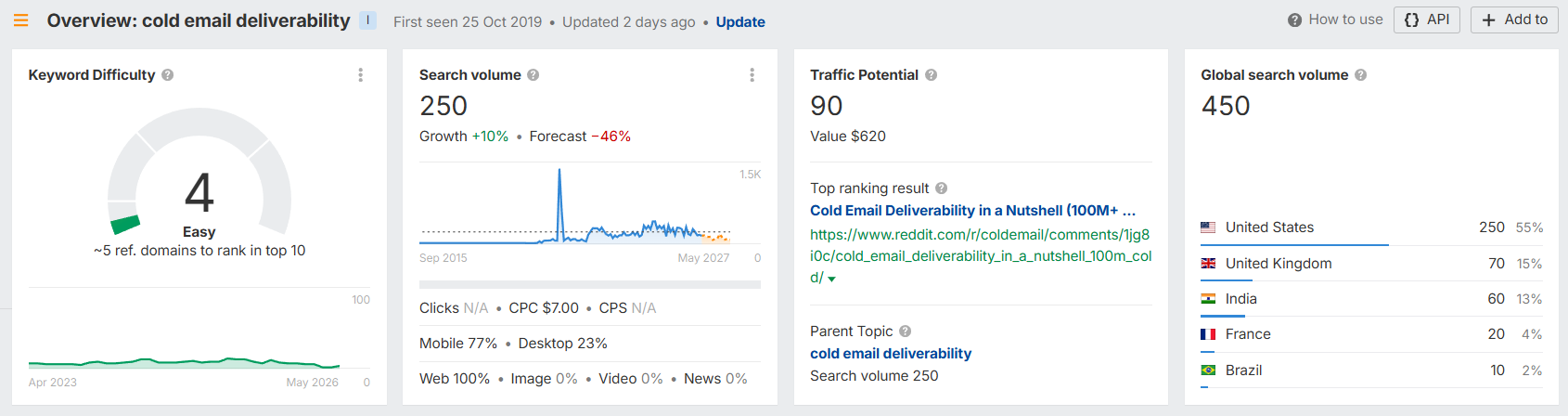
Those types of searches tend to have lower competition, clearer search intent, and much higher conversion potential.
This also plays directly into AI search.
AI systems still need to understand what your content is relevant for, so the pages getting pulled into AI-generated answers are usually the ones covering specific topics clearly enough that Google can confidently match them to a search.
That’s why broad, vague content struggles so much now.
Link building cheat sheet
Now Over to You
Despite all the hype around AI search, most of the core SEO factors still look very familiar.
Google still wants useful content. Search engines still reward relevance and authority. And users still prefer fast websites that answer their questions clearly.
The biggest difference now is where visibility happens.
Instead of competing only for rankings in traditional search results, brands now also compete for mentions and citations inside AI-generated answers.
That means SEO strategy in 2026 is no longer just about rankings.
It’s about showing up everywhere people search.
And usually, the brands winning the most visibility are the ones consistently publishing useful content, targeting the right keywords, and getting mentioned across relevant websites over time.
If you want help with the outreach and placement side of that process, you can place an order through Respona and let the team handle the link building, publisher outreach, and placements for you.
Frequently Asked Questions (FAQ)
What are the most important SEO ranking factors in 2026?
Some of the most important SEO ranking factors right now include content quality, search intent alignment, internal links, user experience, page speed, domain authority, and overall topical relevance.
Google’s ranking systems still rely on many of the same search engine ranking factors they always have. AI search mostly changes how visibility gets distributed across search results and AI-generated answers.
Is there a difference between SEO ranking factors and AI search factors?
Not as much as people think.
Most AI search systems still rely heavily on Google search and traditional search engine ranking signals to decide which content deserves visibility.
That means the same SEO factors driving organic traffic and search ranking today also influence AI visibility:
- high quality content
- strong internal linking
- authority
- relevance
- user engagement
How important is content quality for SEO ranking?
Content quality is one of the biggest ranking factors across both traditional search engine optimization and AI search.
Google’s algorithm has become much better at identifying whether a web page actually satisfies user intent instead of just matching keywords mechanically.
That’s why quality content consistently outperforms thin pages built purely around SEO tricks.
Do internal links help SEO?
Yes.
Internal links help search engines understand how pages across your website connect together.
A strong internal linking structure improves crawlability, distributes authority across important pages, and strengthens topical relevance throughout the site.
Internal links also help Google better understand which pages matter most within your overall SEO strategy.
Does user experience affect search engine ranking?
Absolutely.
User experience has become a major Google ranking factor over the years.
Things like:
- mobile usability
- page speed
- readability
- layout stability
- navigation
- engagement
all influence how users interact with a web page.
And if users consistently leave a page quickly or struggle to use it, that can hurt search engine ranking performance over time.
Do social signals matter for SEO?
Social signals are not direct Google ranking factors, but social media visibility still helps with:
- content distribution
- brand awareness
- traffic
- mentions
- user engagement
Strong social media activity also increases the chances of earning backlinks and brand mentions across other websites.
How does search intent affect rankings?
Search intent is one of the most important SEO factors today.
Google’s entire ranking system is built around matching the right content to the right search.
If your page does not satisfy user intent, it becomes very difficult to maintain strong SEO ranking positions long term.
That’s why understanding the actual goal behind a search query matters much more than simply inserting a relevant keyword into the page.
Does Google Analytics improve SEO?
Google Analytics itself is not a ranking factor.
But it helps measure organic traffic, user engagement, conversions, and behavior across your website, which makes it much easier to improve SEO performance over time.
A lot of SEO experts use Google Analytics together with SEO tools and Google Search Console to monitor rankings and identify opportunities.
What role does domain authority play in SEO?
Google does not officially use third-party domain authority scores.
But websites with stronger link profiles, better backlinks, and more trusted mentions across the web usually perform much better in Google search and AI search visibility.
That’s why authority still remains such an important SEO ranking factor.
Does local SEO matter for AI search too?
Yes.
Local SEO still plays a huge role in visibility, especially for searches tied to locations, services, and businesses nearby.
Google My Business optimization, local citations, reviews, and local content all help improve visibility in both traditional search engine results and AI-generated answers.
What are technical SEO ranking factors?
Technical SEO ranking factors include things like:
- crawlability
- site speed
- mobile friendliness
- schema markup
- indexing
- page structure
- Core Web Vitals
These factors help search engines access and understand your content more efficiently.
Does the meta description affect rankings?
The meta description itself is not a direct ranking factor.
But a strong meta description can improve click-through rates from the Google SERP, which can indirectly improve organic traffic and user engagement signals over time.
Can content marketing improve SEO success?
Definitely.
Content marketing helps websites build authority, target relevant keywords, earn backlinks, improve search ranking visibility, and increase organic traffic over time.
Most successful SEO strategies today are heavily tied to consistent content creation and promotion.