
If you’ve ever tried to rank for a broad topic, you’ve probably realized how messy things can get.
You publish a bunch of blog posts, target different keywords, and hope search engines figure out how everything connects. Sometimes it works. Most of the time, it doesn’t.
That’s where pillar pages come in.
A pillar page helps you organize your content around a single topic, connect it through a clear internal linking structure, and build a proper topic cluster that search engines can actually understand.
Instead of scattered blog posts, you create one central page that covers a broad topic and links out to cluster content that dives deeper into each subtopic.
This structure improves user experience, strengthens your content strategy, and helps search engines see you as an authority on that topic.
In this guide, you’ll learn exactly what pillar pages are, how they differ from regular blog posts, and how to create them step-by-step so they actually drive organic traffic.
Key Takeaways
- Pillar pages are central pages that cover a broad topic and link to cluster content that explores related topics in detail
- A strong topic cluster helps search engines understand your content structure and improves your chances of ranking
- Keyword research is the foundation of every effective pillar page, starting with a main topic and expanding into related keywords
- Internal links connect your pillar page to supporting pages and guide both users and search engines through your content
- A well-structured pillar page improves user experience by making it easier to navigate a large topic
- Publishing alone is not enough, you need backlinks to help your pillar page rank and generate organic traffic
- Combining pillar content with a solid content marketing strategy helps build topical authority over time

Link building cheat sheet
What Are Pillar Pages?
A pillar page is a central page that covers a broad topic and links out to multiple related pages that go deeper into specific areas of that topic.
Think of it as the main hub of your content.
Instead of writing random blog posts that are loosely connected, you organize everything into a clear structure:
- one pillar page that targets a broad topic
- multiple cluster pages that each focus on a specific topic within it
Together, this forms what’s called a topic cluster.
Pillar Pages vs Regular Blog Posts
A regular blog post usually targets one keyword and covers one specific topic.
A pillar page is different.
It targets a broader keyword and gives a high-level overview of an entire topic, while linking out to more detailed blog posts that cover each subtopic.
For example:
- Pillar page: “Link Building”
- Cluster content:
- “Guest Posting Guide”
- “Broken Link Building”
- “Link Insertion Strategies”
Each cluster page links back to the pillar page, and the pillar page links to all cluster pages. This internal linking structure is what ties everything together.
Why Pillar Pages Matter for SEO
Pillar pages are a core part of modern search engine optimization because they help both users and search engines understand your content.
Here’s what they improve:
1. Better structure for search engines
Search engines look for clear relationships between pages. A topic cluster built around a pillar page makes those relationships obvious.
2. Stronger topical authority
When you cover a topic from multiple angles and connect everything through internal links, you signal that you’re an authority on that subject.
3. Improved user experience
Instead of jumping between unrelated pages, users can start on one pillar page and easily navigate to related content.
4. More efficient internal linking
Pillar pages naturally create a system of internal links that distribute authority across your site.
5. Higher chances of ranking for competitive keywords
Because a pillar page targets a broad topic and is supported by cluster content, it has a better chance of ranking for high-volume keywords.
3 Pillar Page Examples
The best way to understand pillar pages is to look at how top SEO blogs structure theirs. Here are three real examples from well-known companies that execute the topic cluster model extremely well.
1. Ahrefs – “SEO: The Complete Guide for Beginners”

Ahrefs has one of the most classic pillar pages in SEO.
Their SEO guide is structured as a multi-chapter resource that covers the entire topic at a high level, while linking out to more detailed blog posts for each section.
What makes this pillar page effective:
- It targets a broad topic like SEO rather than a single keyword
- Each section acts as an entry point into deeper cluster content
- It uses a clear internal linking structure to connect related pages
This is a textbook example of a pillar page acting as a hub in a topic cluster. It helps search engines understand the relationship between pages while guiding users through a complex topic step-by-step.
2. HubSpot – “Content Marketing Guide”

HubSpot is actually one of the companies that popularized the pillar page model.
Their content marketing guide is a long-form resource that ranks for thousands of keywords and serves as the central page for dozens of related topics.
What makes it stand out:
- It covers a massive topic in a structured, easy-to-navigate way
- It links to multiple cluster pages that dive into specific topics
- It includes strong UX elements like navigation, visuals, and CTAs
This pillar page is a great example of how content marketing and SEO work together. It builds topical authority while also generating leads.
3. Moz – “SEO Learning Center”
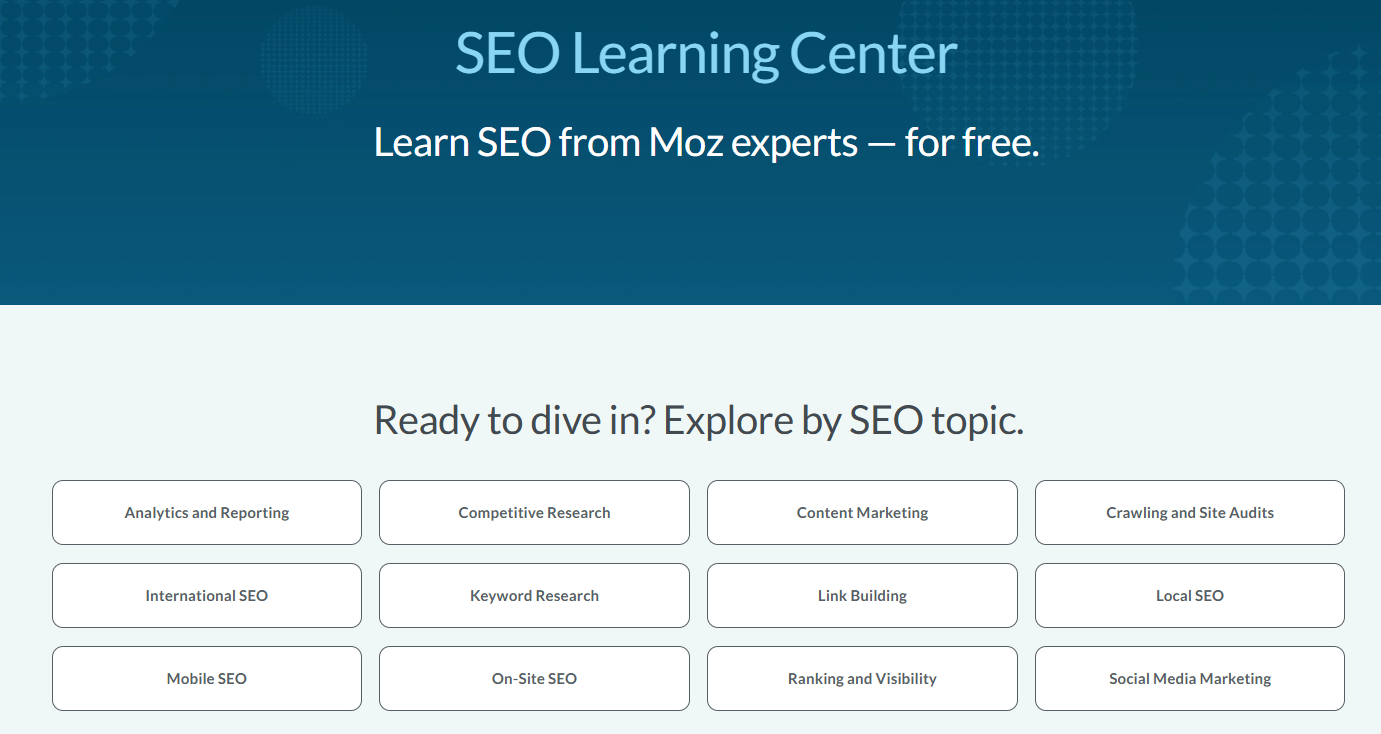
Moz takes a slightly different approach.
Instead of a single long page, their SEO Learning Center acts as a hub that links to multiple in-depth guides across different SEO topics.
Why this works:
- It still follows the pillar page logic, just at a larger scale
- Each guide functions as cluster content within a bigger system
- Everything is interconnected through internal links
This shows that a pillar page does not always have to be one page. It can also be a structured collection of pages that together form a complete topic cluster.
Step 1: Keyword Research
Every effective pillar page starts with keyword research, but not in the way most people think about it.
You are not just looking for one keyword to target. You are trying to map out an entire topic.
The goal is to find a broad topic that can support a full topic cluster, then break it down into smaller, connected keywords that will become your cluster content.
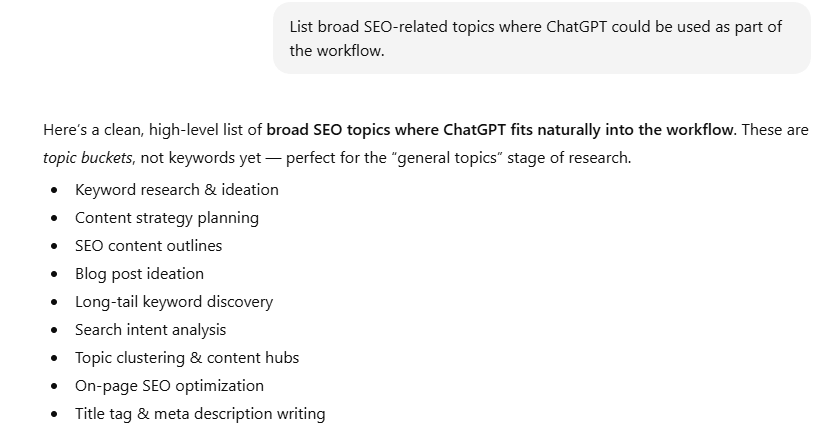
A good place to start is by brainstorming ideas around your niche. You can use ChatGPT to quickly generate topic ideas based on what your audience cares about, then take those ideas into a tool like Ahrefs to validate them.
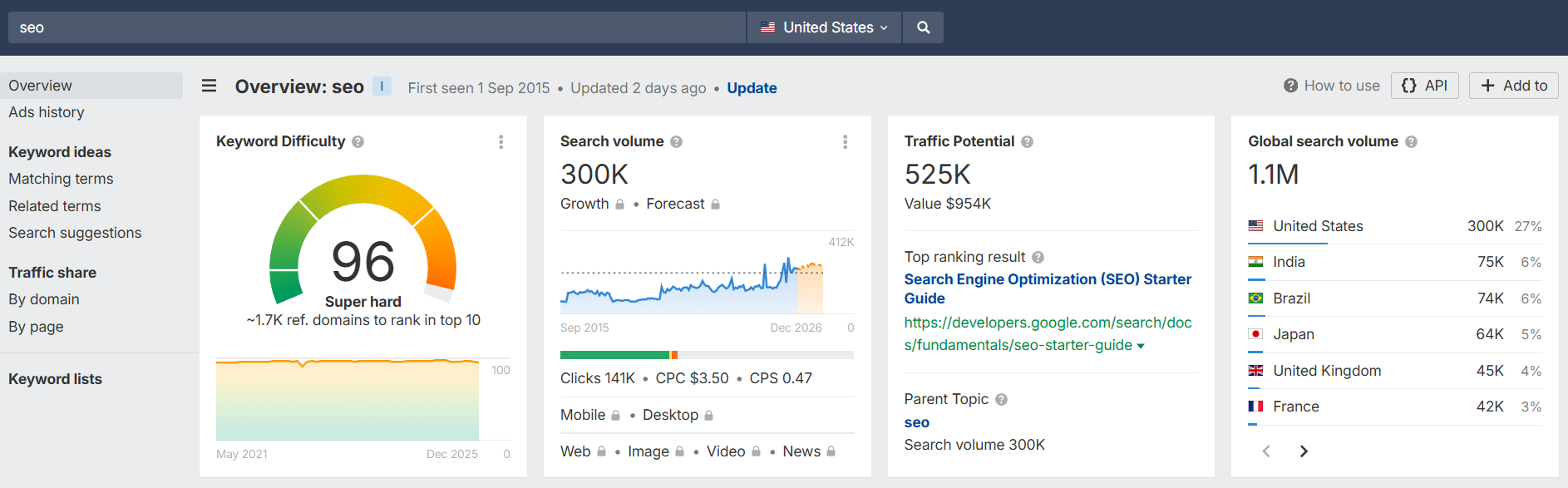
Once you plug your keyword into Ahrefs, you want to look beyond just search volume. The real question is whether that keyword opens the door to multiple related topics.
If you see dozens of variations, questions, and closely related keywords, that is a strong sign you are dealing with a viable pillar page topic. If not, it is probably too narrow.
From there, you start expanding that main keyword into a list of supporting keywords. These will become your cluster pages.
For example, if your main topic is something like link building, you will quickly notice that it branches out into multiple specific topics like guest posting, broken link building, and link insertions. Each of those deserves its own page.
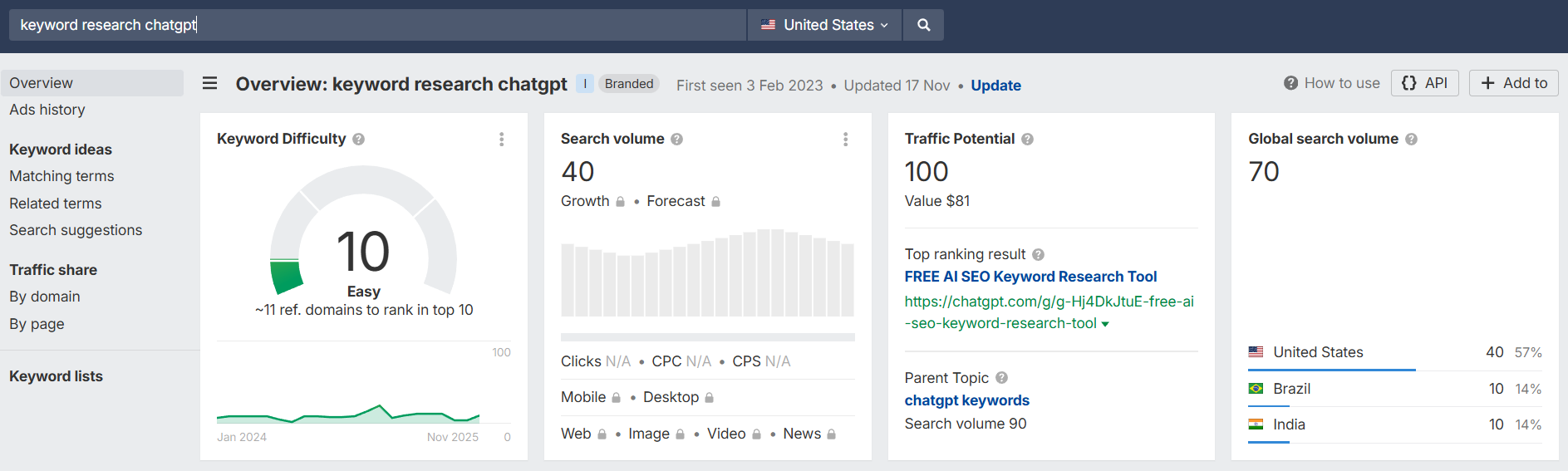
Instead of creating disconnected blog posts, you are building a structured system where one pillar page targets the main topic, and each cluster page targets a specific keyword within that topic.
Everything is tied together through internal links.
It is also important to think about user intent here. A keyword might look good on paper, but if it does not align with what users are actually searching for, it will not perform.
The best pillar page topics are those that match a clear intent and allow you to create a network of related content around them.
Step 2: Write & Publish
Once your keyword research is done, it is time to actually build your pillar page.
This is where everything starts to come together, and it is also where most people make a mistake. They treat a pillar page like a long blog post, when in reality it should feel more like a structured resource.
Your goal is not just to write content. It is to organize a broad topic in a way that is easy to understand and easy to navigate.
Start by thinking about how your topic naturally breaks down. Every major topic is made up of smaller pieces, and each of those should have its place on the page.
Instead of going too deep into each one, you briefly explain it and then guide the reader to a dedicated page that covers that specific topic in detail.
That is what makes a pillar page work. It acts as the center of your content, while your cluster content handles the depth.
At the same time, the page should still feel complete on its own. Someone should be able to land on it, understand the main topic, and walk away with a solid overview, even if they never click on another link.
Structure matters for both users and search engines.
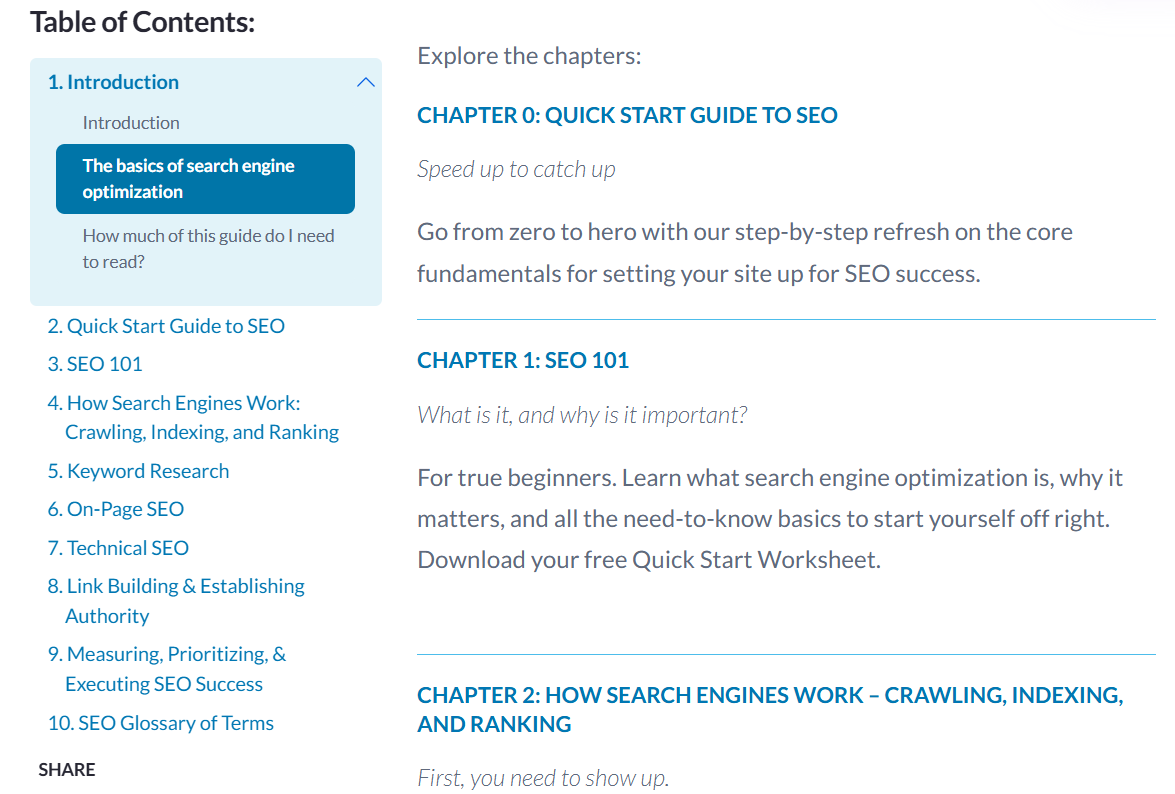
If your page is easy to scan, clearly organized, and answers questions directly, it becomes much easier for search engines and AI systems to understand it.
This is essentially what answer engine optimization is about. You are making your content easier to interpret, not just longer.
Things like clear headings, logical flow, and direct explanations go a long way here.
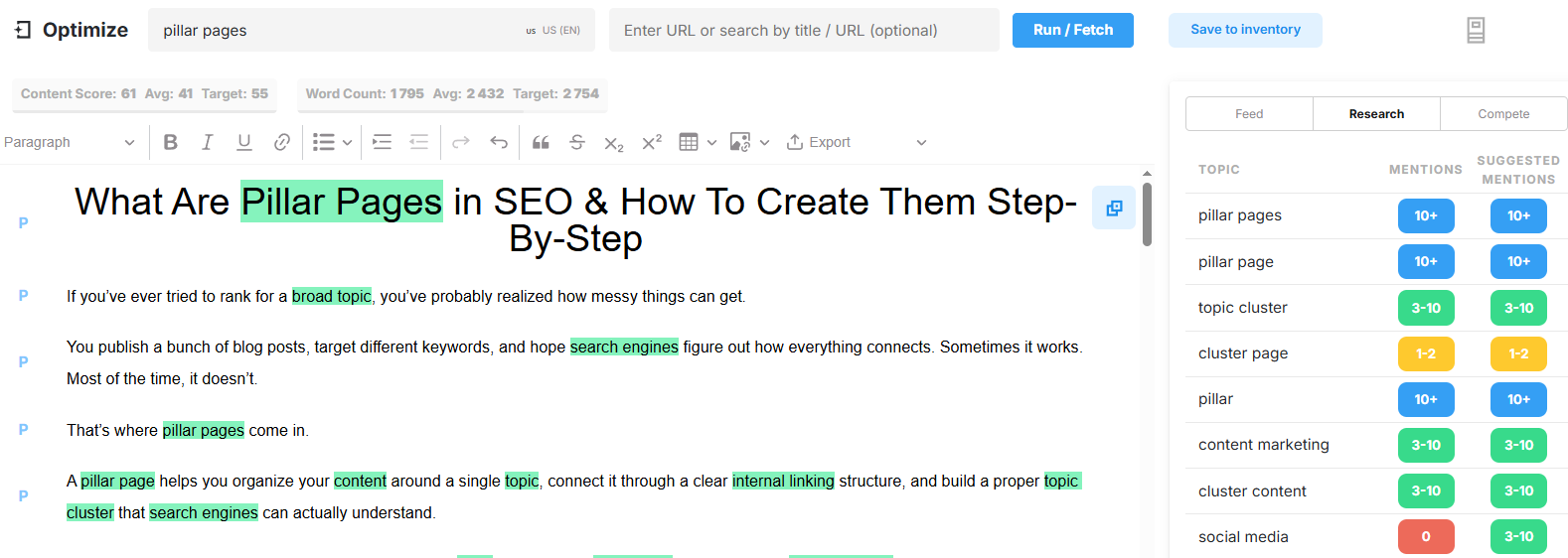
On the SEO side, you still want to naturally include your main keyword and related keywords throughout the page, but it should never feel forced. The focus should always be on making the content useful and easy to follow.
You can use tools like Marketmuse for this:
Finally, when you publish your pillar page, think of it as the foundation of your entire content strategy.
It is not a one-off page. It is something you will keep building around.
Step 3: Internal Linking
At this point, your pillar page exists as a standalone piece of content.
Internal linking is what turns it into an actual topic cluster.
Without it, your pillar page is just another page. With it, you create a structure that helps both users and search engines understand how all your content connects.
The idea is simple.
Your pillar page should link out to every relevant piece of cluster content, and each of those pages should link back to the pillar page. This creates a two-way connection that reinforces the relationship between your pages.
Instead of having isolated blog posts, you now have a system.
When someone lands on your pillar page, they can easily navigate to deeper content on a specific topic. And when they land on a cluster page, they can jump back to the main pillar to explore the bigger picture.
This improves user experience because everything feels connected and easy to follow.
It also helps search engines.
Step 4: Build Backlinks
At this point, your pillar page is structured properly and connected through internal links, but it still needs one thing to actually rank: backlinks.
Pillar pages usually target competitive topics, so without links from other websites, they rarely gain traction in search engines.
Backlinks signal authority and help your page stand out, especially when they come from relevant, high-quality sites.
Since your pillar page sits at the center of your cluster, any authority it gains also benefits the rest of your content.
The challenge is that building links consistently takes a lot of work. You have to find opportunities, reach out, follow up, and secure placements, which is where most teams get stuck.
Instead of doing all of this manually, you can outsource it. Respona is a pay-per-result link building provider where you simply place an order with your target URL and requirements, and the entire process is handled for you.
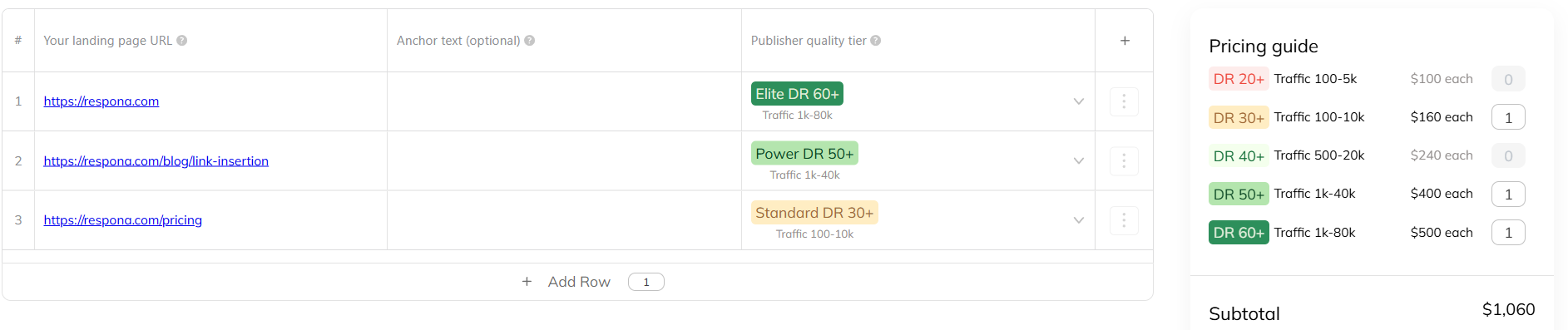
The focus is on securing placements on pages that already have traffic and authority, so your pillar page actually gains visibility.
There is also a growing impact on AI search. Many AI systems pull answers from the same types of pages you are trying to rank, so your link building directly affects your AI visibility as well.
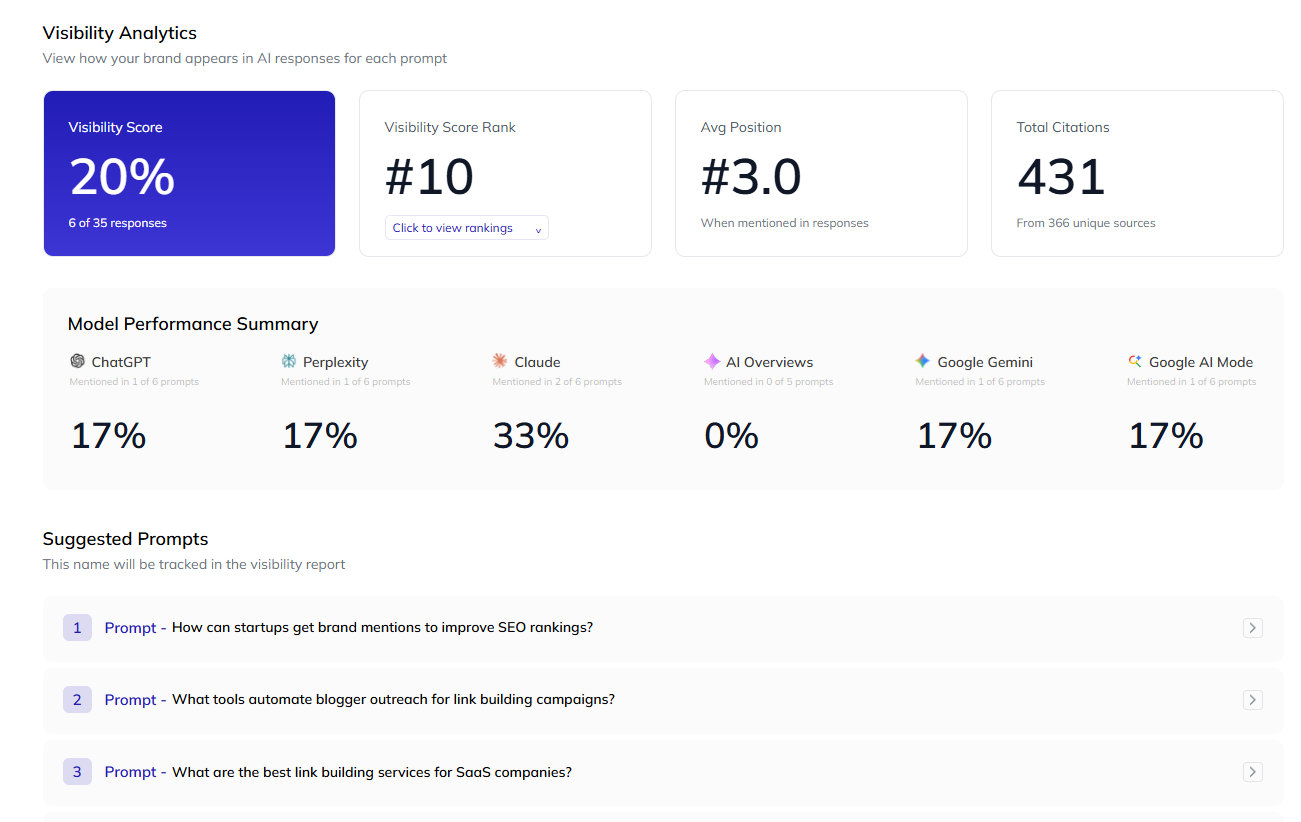
Respona’s Campaigns feature helps you track where your brand is being mentioned, what sources are being cited, and where you are missing coverage compared to competitors.
Without backlinks, a pillar page is just well-organized content. With them, it becomes something that can actually rank and drive traffic.
Link building cheat sheet
Now Over to You
Pillar pages are one of the most effective ways to organize your content and build real authority around a topic.
Instead of publishing disconnected blog posts, you create a structured system where one pillar page covers the main topic and connects to cluster content through internal links.
This improves user experience, helps search engines understand your site, and increases your chances of ranking.
But structure alone is not enough. To actually see results, your pillar pages need visibility.
If you want to skip the manual outreach and focus on strategy, Respona’s done-for-you link building helps you secure high-quality placements that drive both rankings and AI visibility.
Frequently Asked Questions (FAQ)
What is a pillar page in SEO?
A pillar page is a central page that covers a broad topic and links to multiple related pages that go deeper into specific subtopics. Together, they form a topic cluster.
How are pillar pages different from blog posts?
A blog post usually focuses on a specific topic or keyword. A pillar page covers a broader topic and connects multiple related pieces of content through internal links.
What is a topic cluster?
A topic cluster is a group of related pages built around one main topic. The pillar page acts as the hub, while cluster pages cover specific topics and link back to it.
How long should a pillar page be?
There is no fixed length, but most pillar pages are longer than regular blog posts because they cover a broad topic. The focus should be on clarity and structure rather than word count.
Do pillar pages help with SEO?
Yes. Pillar pages help improve search engine rankings by organizing content, strengthening internal linking, and building topical authority.
How do I choose a topic for a pillar page?
Start with keyword research. Look for a broad topic that has enough related keywords to support multiple cluster pages.
How many internal links should a pillar page have?
As many as needed to connect all relevant cluster content. The key is to make sure the links are natural and useful for the reader.
Do I need backlinks for a pillar page to rank?
Yes. Even a well-structured pillar page needs backlinks to compete in search results and gain visibility.