
Broken link building is one of the lesser-used but still widely known link building strategies.
And for a good reason: it requires quite a bit more effort than, say, the anchor text strategy or competitor backlinks.
In this article, we will be discussing what broken link building is, whether it’s scalable or not as well as three strategies for finding broken link building opportunities.
So, let’s get into it.
Key Takeaways:
- Broken link building still works, but it’s not the most scalable link building strategy
- Finding broken pages and dead links takes time and depends on other sites having issues
- You can get quality backlinks this way, but opportunities are inconsistent
- Resource pages and listicles offer more predictable link building opportunities
- Placements on listicles that already rank tend to drive both rankings and AI visibility much better than broken links
Link building cheat sheet
What is Broken Link Building?
Broken link building is a link building technique that revolves specifically around finding pages that have broken links, reaching out to the website owner, and offering your own page to replace the broken link.
When it is done correctly, it can be extremely efficient. However, compared to other link building strategies, quality backlinks prospects may not be as easy to come by.
This brings us to the next question.
Is Broken Link Building Scalable in 2026?
It depends.
There is no definitive answer to this question as some people have a much easier time with broken link building than others.
And to have any success with broken link building, you have to rely on other webmasters’ failure to identify broken backlinks on their pages.
Which isn’t typically something you want to do, especially in SEO.
In addition, you can not effectively carry out broken link building without investing into dead link checker tools, such as Ahrefs Content Explorer or Semrush. Google Analytics and Google Search Console can’t help you here.
Yes, there are free plugins like Check My Links which we’ll be talking more about a bit further in the content, but their functionality is nowhere near as extensive as Semrush, for example.
So, after all, is broken link building scalable?
Yes – to an extent.
Now, let’s take a closer look at how exactly you can go about securing broken link building opportunities.
Broken Link Building Strategies
Let’s start with the easiest and least time-consuming strategies first.
For the first two, we will be using Semrush.
Find Broken Pages With Backlinks
The ideal situation for broken link building is to find a dead page that has a bunch of backlinks.
Semrush makes identifying these pretty easy.
First, paste in the domain of one of your competitors into the search bar.
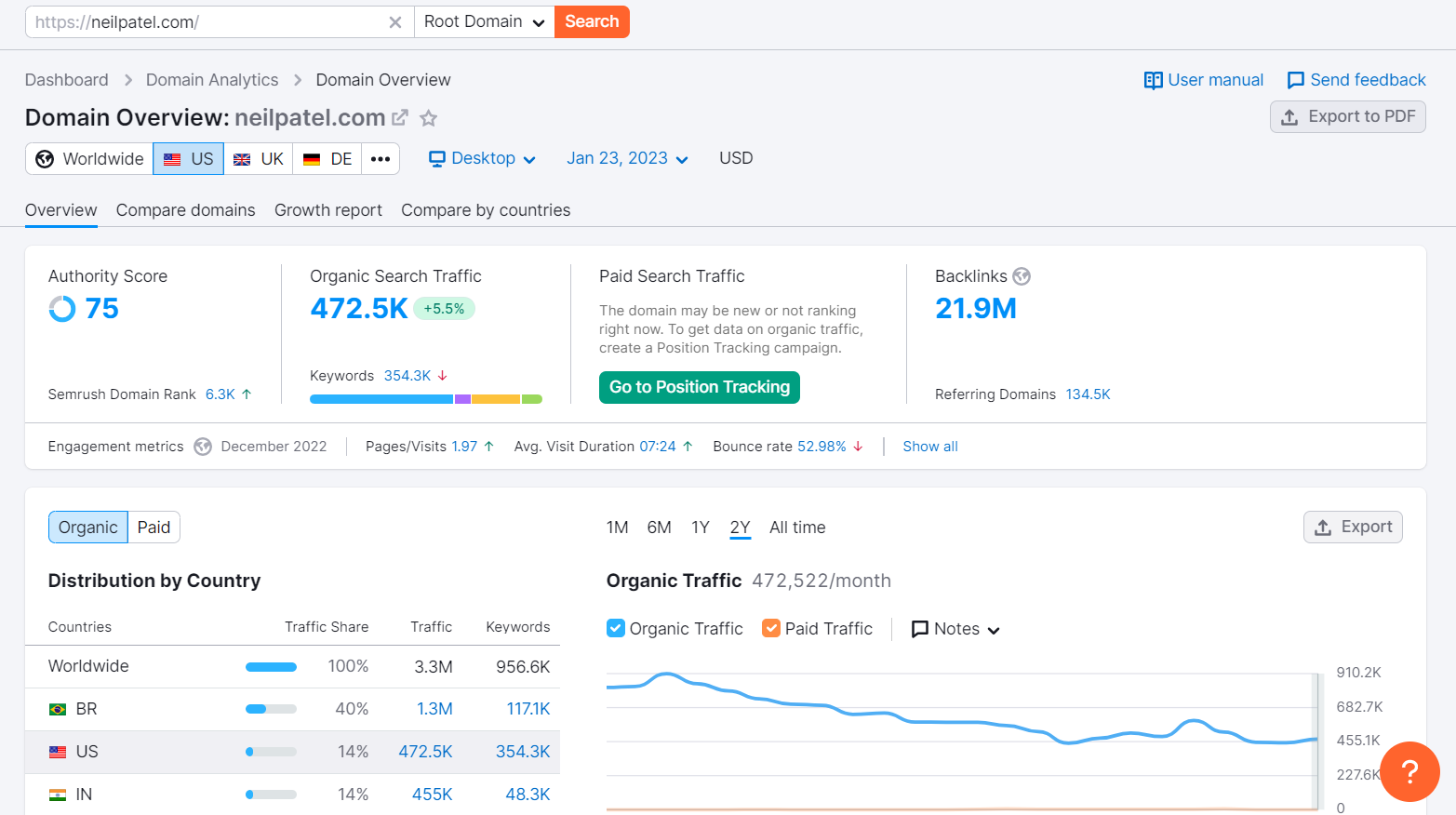
Next, click on “Backlinks”. This will bring you into the backlinks analytics window.
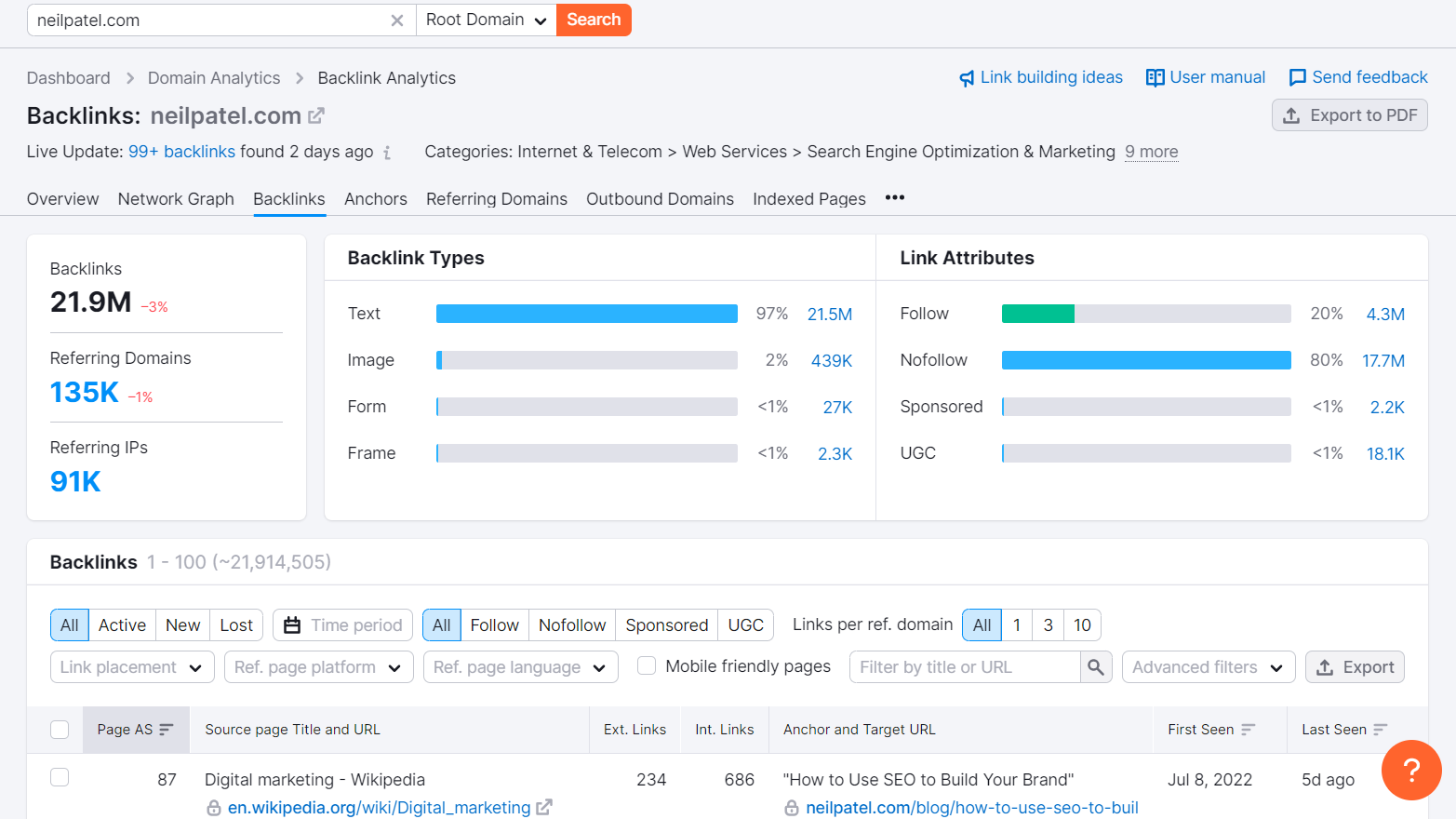
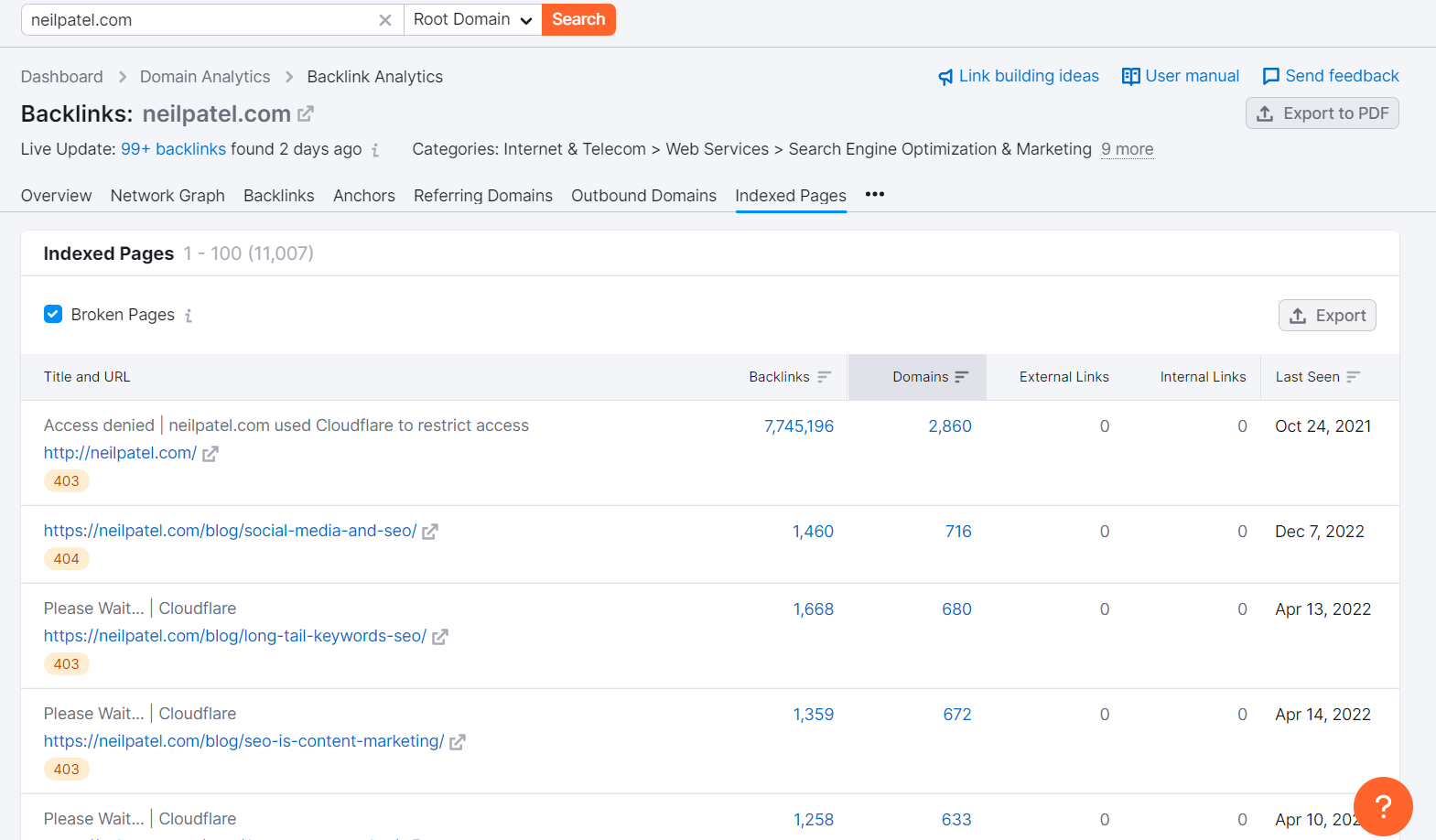
If you click over to the “Indexed Pages” tab, you will get an overview of all pages that are associated with your target domain.
How is this useful?
Because if you toggle the “Broken Pages” option, Semrush will pull all of your target domain’s pages that have an error code.
As you can see on the screenshot, the second link on the list is a blog post that has 1460 backlinks from 716 unique domains.
Jackpot!
And if you click on that number, you’ll get a detailed overview of the exact URLs linking to the dead page.
From there on, you can export the .CSV or Google Sheet to import into Respona later on.
After cleaning up the sheet and weeding out low-quality opportunities, there will be much more than 1460 prospects, but still a good amount.
But, if you look at the topic of the dead page, you’ll see that it’s about social media marketing and SEO, judging by its URL slug.
We don’t have any relevant content that we could send to people to get them to link to us.
There are two ways out of this situation:
- Do some keyword research and write a blog post that covers that topic
- Seek for more relevant dead pages
Either approach is viable, however, you’re going to have much more success if you delve into custom quality content creation for your broken backlink building campaigns.
Doing so will also help you close any keyword gaps that you might have in your content marketing strategy.
Let’s move on to the next strategy.
Check Resource Pages and Listicles
The more external links a page has, the greater the chance that at least one of them is going to be broken.
Resource pages, listicles, and bookmarking pages have dozens if not hundreds of links, so they can be a lucrative way of discovering broken ones as well.
To find resource pages, all you need is any search engine and a couple of advanced search operators.
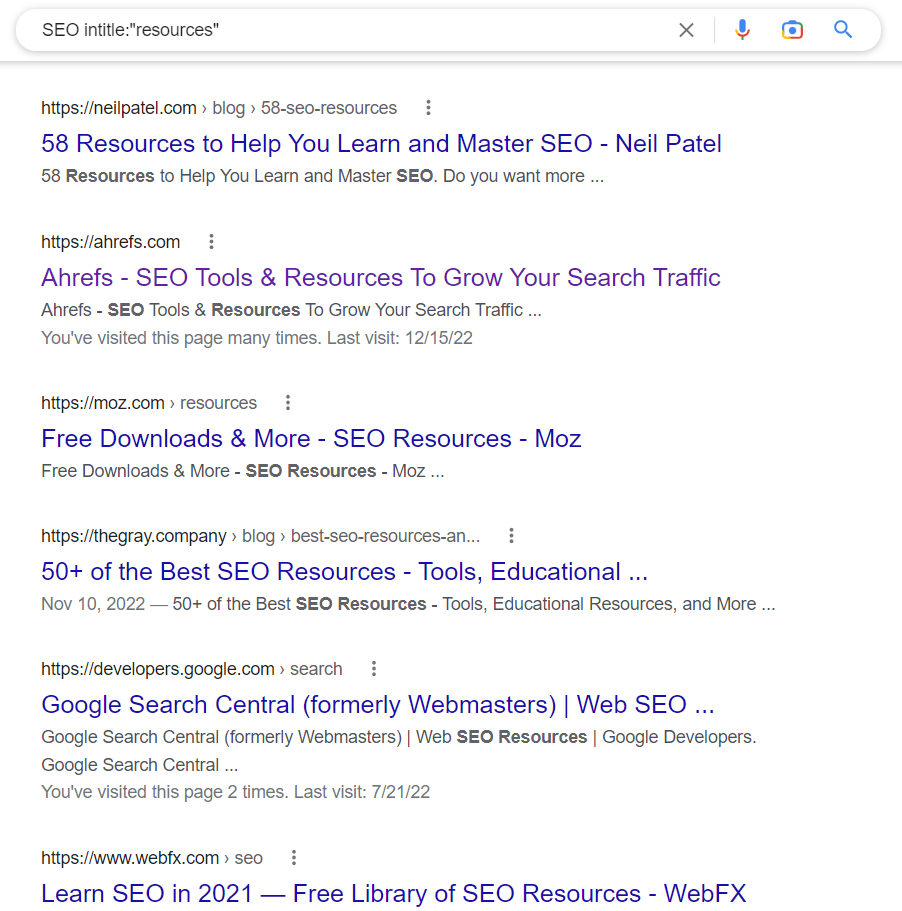
Try the following combinations:
- Keyword inurl:resources
- Keyword intitle:links
- Keyword helpful resources”
- Keyword useful resources”
Once you find a resource page, you’re going to need a way to quickly check all of its outbound links.
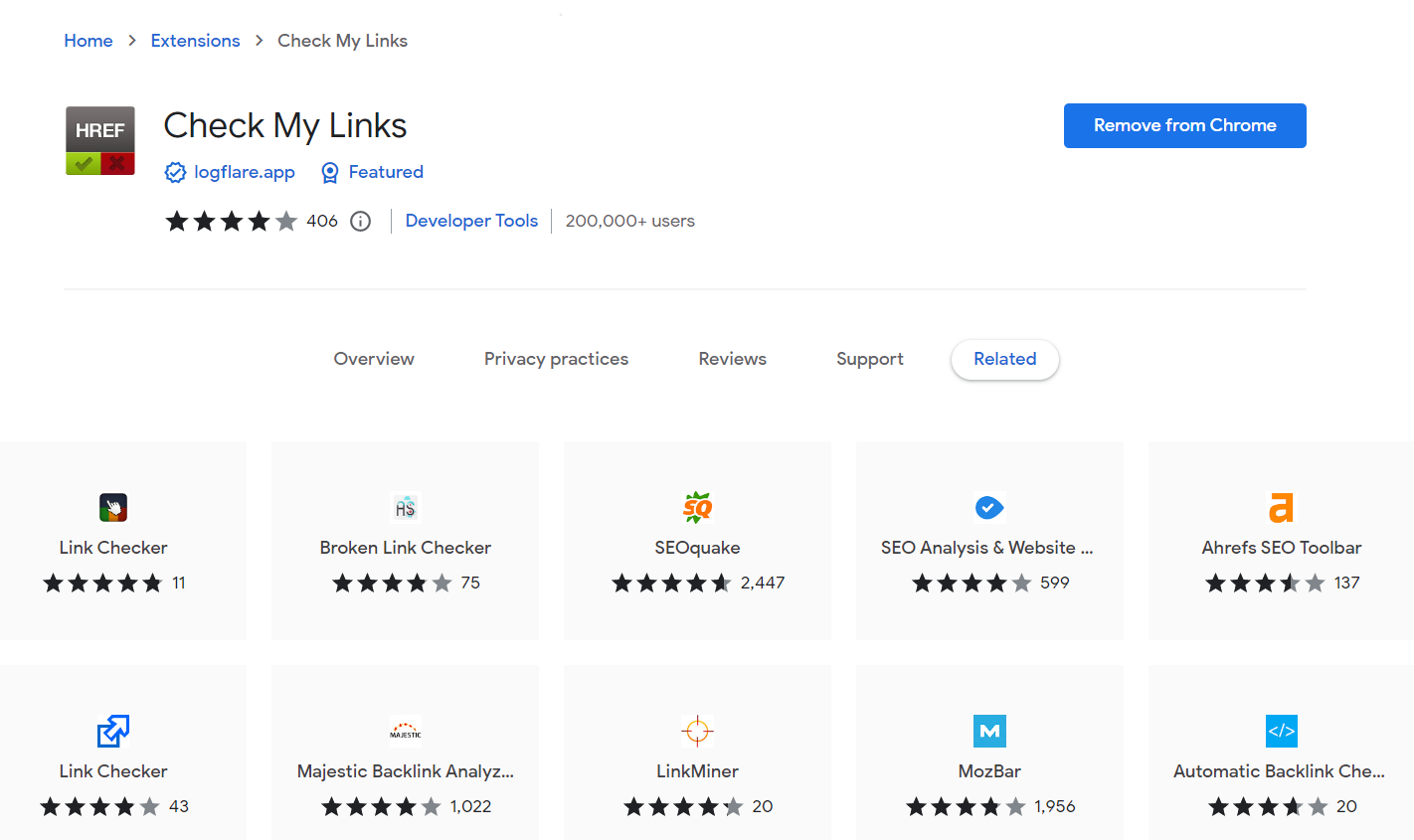
A great plugin for this is Check My Links – and it’s absolutely free. You can install it to your browser directly from the Chrome Web Store.
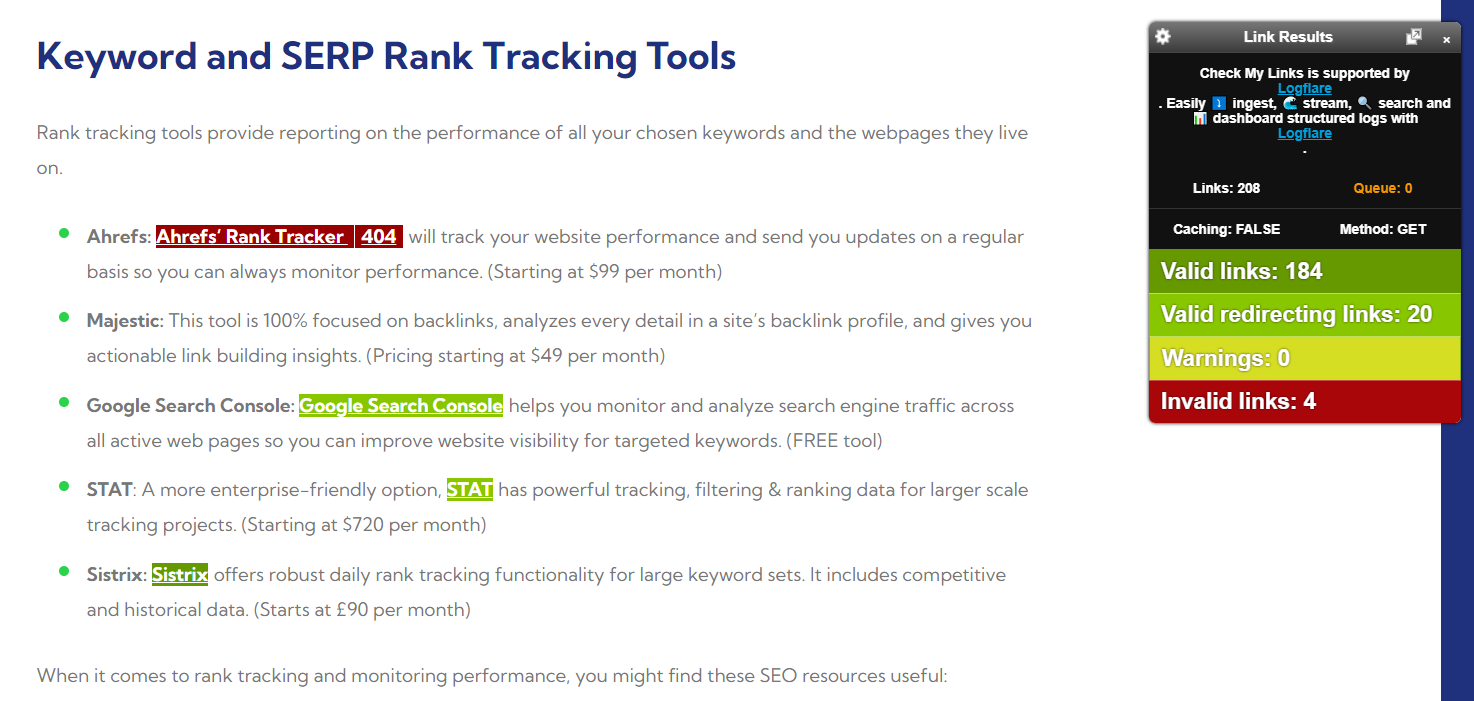
As you can see, this resource page by The Gray Dot Company has over 200 links, 4 of which are broken:

Now, let’s see which links are dead.
Check My Links doesn’t provide you with a handy list of all links, but it highlights broken links in red on the actual page, making them easy to find:
Okay, now that we have found the broken page, let’s see how many backlinks it actually has.
Once again, we can use Semrush for this.
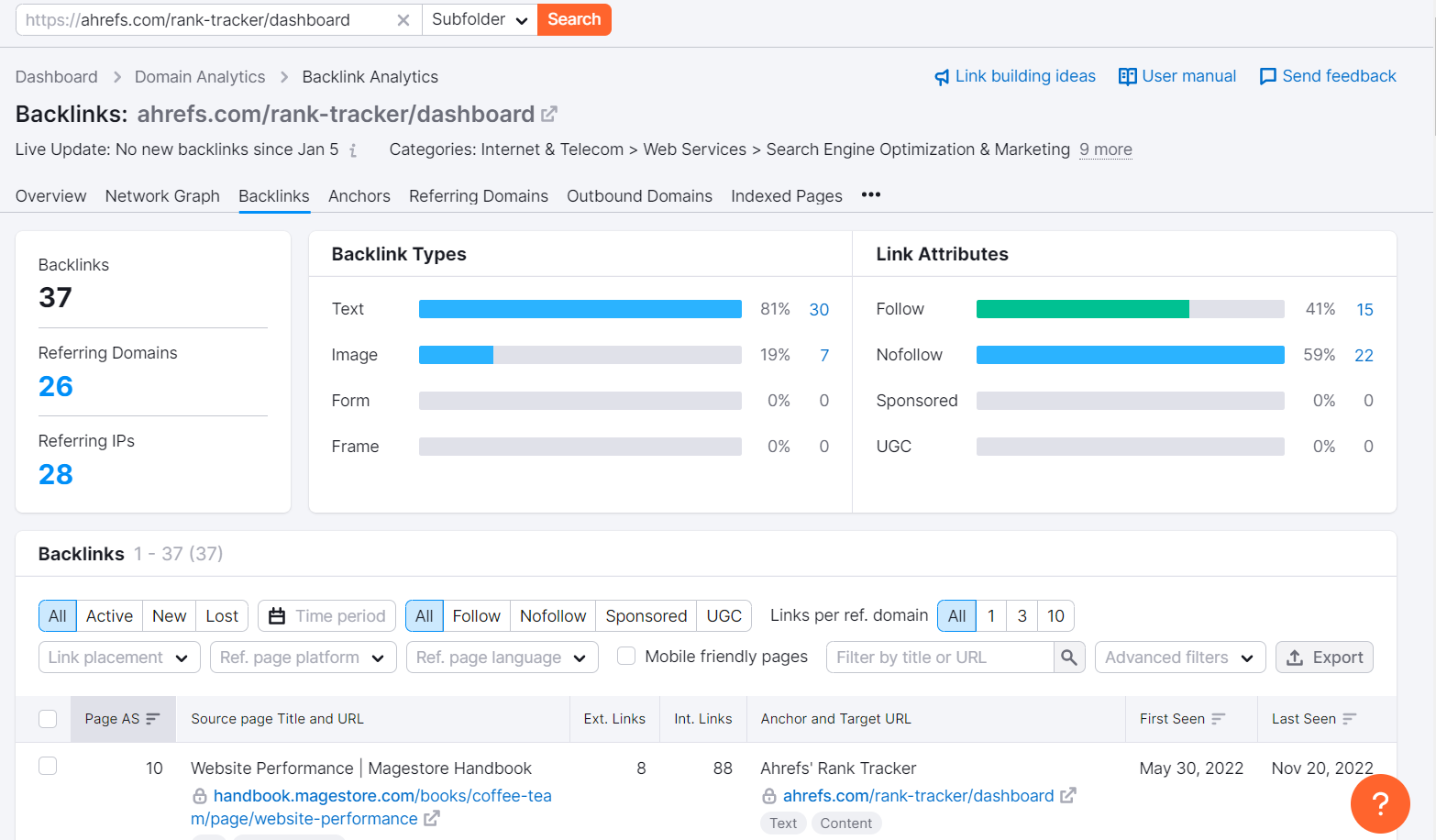
37 backlinks from 26 referring domains – not bad!
Repeat this process for multiple resource pages and keywords and you will get yourself a bunch of broken external link building opportunities.
The downside to using this strategy is that it’s nowhere near as scalable as the previous one – identifying dead pages on a domain and revealing their backlinks.
There are also way more clicks and effort involved in resource page broken link building, so we recommend sticking to the first tactic that we shared.
Use Check My Links While Surfing
This is more of a passive broken link building prospecting strategy but can be quite handy.
Whenever you’re going through pages – be it for content research, or just trying to learn something, keep Check My Links ready to scan for broken links.
You never know when you might stumble across a link to a dead page with hundreds of backlinks just ready to be snatched for you.
A More Scalable Way to Get Links
Broken link building works, but it’s not exactly efficient.
The whole broken link building process depends on finding a broken page, checking if it has backlinks, then reaching out to the site owner and hoping they replace it with your content.
That’s a lot of moving parts.
You’re relying on dead links existing, on website owners caring enough to fix them (or not caring enough to run regular audits to allow them to existinthe first place), and on your replacement content being a good enough fit.
And even when it works, the value isn’t always that high.
A lot of broken link opportunities come from outdated resource pages or random blog posts that don’t get much traffic. So you might get a quality backlink in terms of link equity, but it doesn’t always move the needle much.
Compare that to something like listicle placements.
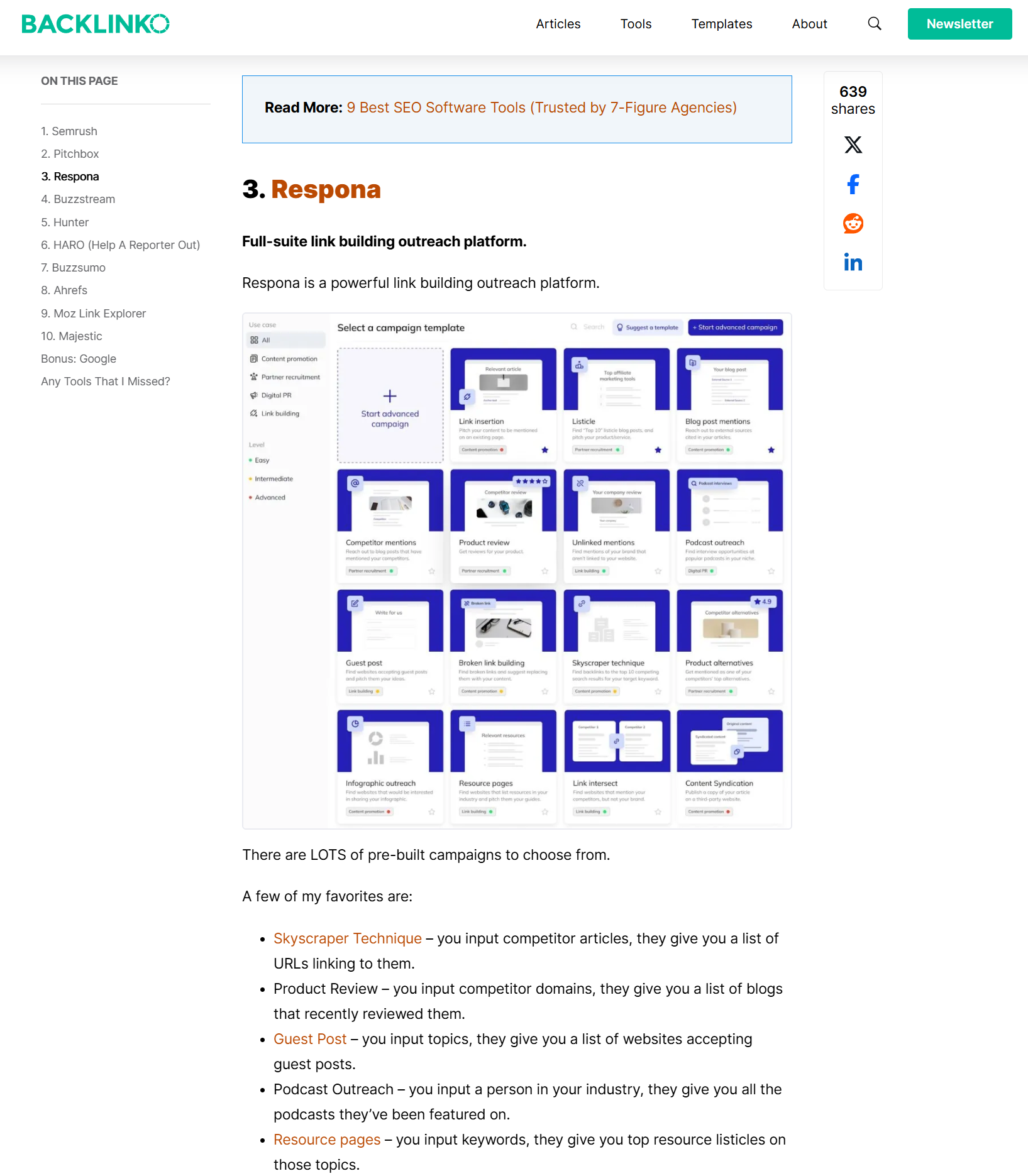
Those are pages that already rank, already get traffic, and often show up in AI search. So you’re not just building links, you’re getting your brand into places that drive actual visibility.
In conclusion, broken link building is reactive. You’re fixing someone else’s dead page.
While Listicle placements are proactive. You’re putting your brand directly into content that already performs.
It’s also way easier to scale.
With broken link building, you’re constantly looking for a new broken link building opportunity, running things through a broken link checker, digging through site explorer, checking linking domains, and building a list of link prospects.
Meanwhile, there are countless listicles in every niche that you can reach out to once and get high value placements.
This is also easily outsourceable with a pay-per-result link building option like Respona.
Just place an order and define exactly what you’re looking for. Type of pages, industries, examples, whatever matters for your link building strategy.’
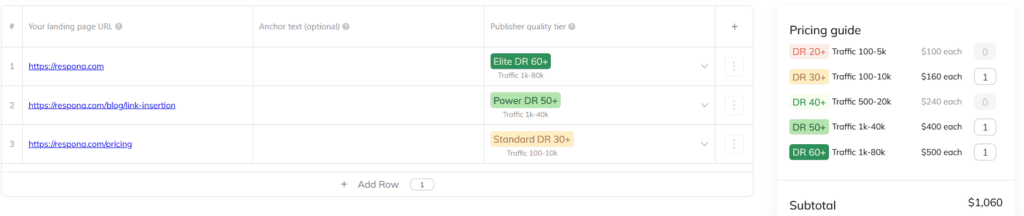
From there, the team handles everything.
They find relevant sites, secure placements, and get you featured on authoritative websites that already rank.
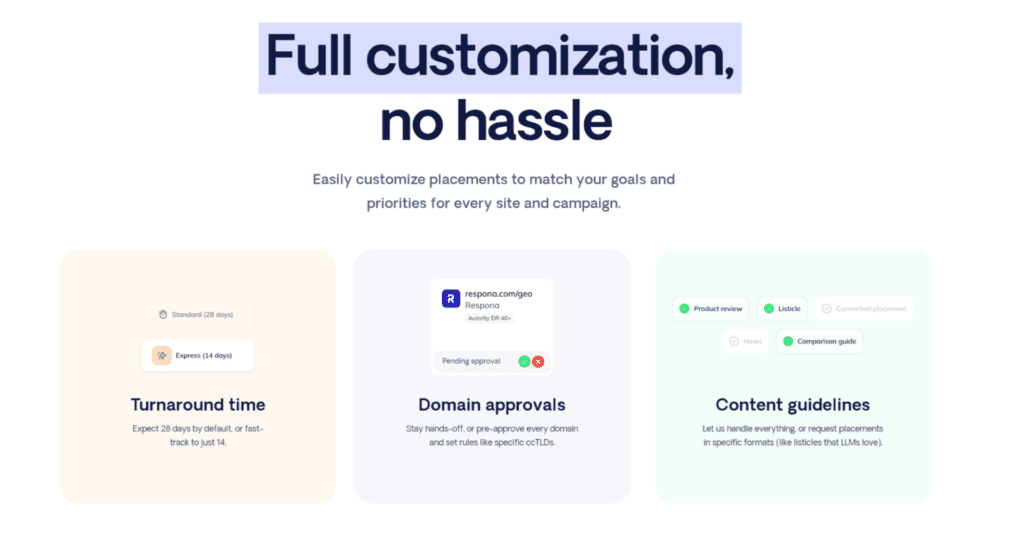
You’re not chasing a broken link opportunity anymore. You’re going straight for high quality backlinks.
And you only pay for links that actually move the needle.
You can customize your orders, review placements, and make sure every link fits your backlink profile.
And the campaigns feature doesn’t just track your placements. It shows your visibility across 6 answer engines, and helps you see which pages are actually being cited for commercial queries relevant to your business specifically.
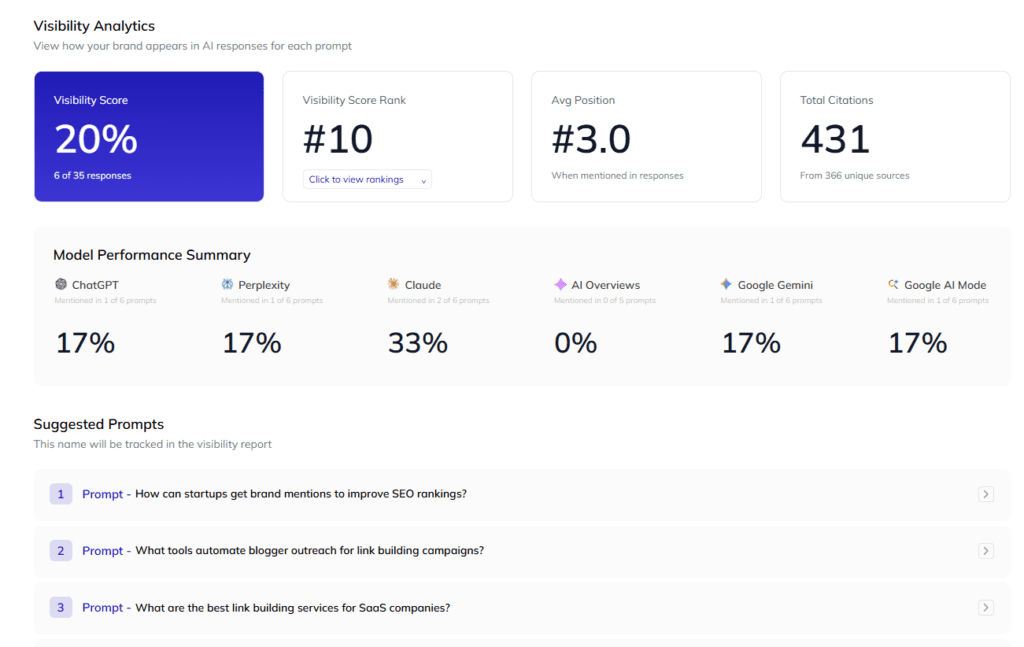
So instead of relying on broken backlinks and dead link building, you’re focusing on consistent link acquisition from pages that you know already work.
That’s what makes it scalable.
Now Over To You
Broken link building can work.
But it’s not something most teams can scale without putting in a lot of time.
You’re constantly searching for broken pages, checking external links, validating opportunities, and reaching out to site owners. It adds up quickly.
If you want something more consistent, it makes more sense to focus on placements that already exist and already perform.
That’s where most of the real impact comes from.
Instead of chasing broken link building opportunities one by one, you can just go straight to getting featured on pages that already rank and already get traffic.
Place an order, set your requirements, and let our team do the heavy lifting.
Link building cheat sheet
Frequently Asked Questions (FAQ)
Why is broken link building important?
Broken link building is an important link building strategy because it has a very high success rate – after all, nobody likes having a broken URL on their page.
What do you need to get started with broken link building?
You need to set aside some time, and invest into backlink monitoring and SEO tools like Semrush/Ahrefs or plugins like Check My Links, as well as email outreach software like Respona.
Is broken link building hard?
Despite its high success rate, broken link building can be difficult to scale as it relies entirely on your competitors having broken pages, which makes this SEO strategy somewhat inconsistent.
Pro tip: It may be lucrative for local SEO if you know a local competitor has gone out of business, but such cases are few and far between.
What are the best link building strategies?
In our experience, the top three link building strategies are: anchor text link building, reverse skyscraper technique (competitor backlinks), and guest posting.
What’s the best way to reach out to someone about a broken link?
The best way to writing a broken link building email pitch is to politely let the prospect know about their broken link, and add an extra incentive for them to change the link to point to you instead.
Such an incentive can be an indirect link back to them, for example.
What is a broken link building strategy?
A broken link building strategy is the process of finding broken pages or dead links on other websites and offering your own content as a replacement to earn backlinks.
What tools help find broken link opportunities?
Tools like Ahrefs broken link checker, site explorer, and content explorer help identify broken backlinks, linking domains, and potential link building opportunities.
What is a broken link building technique?
A broken link building technique involves finding a broken page with backlinks, creating replacement content, and reaching out to website owners to suggest your link.
What makes broken link building hard to scale?
It relies on broken pages existing and website owners responding. That makes it less predictable compared to other link building methods.
Are broken backlinks valuable?
They can be.
If a broken backlink comes from authoritative websites, it can pass strong link equity once replaced, but many broken link opportunities come from low-traffic pages.
What is dead link building?
Dead link building is another term for broken link building, focused on replacing dead links or outdated URLs with your own content.
How do you find a good link prospect?
A good link prospect is a site with relevant content, strong authority, and existing backlinks. You also want to make sure the page actually gets traffic.
What is link equity and why does it matter?
Link equity is the value passed from one page to another through a link. Higher quality backlinks pass more value and improve your backlink profile.
What is a linking domain?
A linking domain is a unique website that links back to your content. The more high quality linking domains you have, the stronger your overall backlink profile.
Are resource pages still useful for link building?
Yes, resource pages can still be useful, especially for broken link building. But they’re often less effective than placements on pages that already rank and drive traffic.
What is broken link building outreach?
Broken link building outreach is the process of contacting a site owner to inform them about a broken link and suggest your content as a replacement.
Is broken link building still worth it in 2026?
It can still work, but it’s not the most efficient link building tactic compared to more scalable approaches like listicle placements or editorial mentions.