
Organic SEO refers to all white-hat SEO strategies aimed at improving your visibility in search engines and driving organic search traffic from Google search.
Despite constant updates to the ranking algorithm, the SEO community is still going strong – and always figuring out what’s working and what’s not.
In this article, we’ll dive into what exactly organic SEO is, the difference between on-page, off-page, and technical SEO, and 15 strategies for mastering organic SEO
Let’s get started.
Key Takeaways
- Organic SEO focuses on earning organic search traffic from search engines through content, link building, and technical optimization
- High-quality content that matches user intent is the foundation of every successful SEO strategy
- Link building remains one of the most important factors for improving rankings and authority
- Technical SEO ensures your website is fast, secure, and easily crawlable by search engines
- A strong organic SEO strategy improves visibility, search rankings, and long-term traffic growth
- Local SEO plays an important role for small business visibility in Google Maps and local search results
- Organic SEO services combine on-page, off-page, and technical SEO to improve performance
- Consistent SEO efforts and optimization are key to maintaining strong organic search results

Link building cheat sheet
What is Organic SEO?
First things first, we need to clarify that “organic SEO” is not a separate idea from “regular” SEO.
Organic search engine optimization is aimed at generating traffic from organic search channels, primarily Google search and other search engines.
It does not include things like paid ad campaigns, and other paid search strategies – as well as black hat SEO.
Unlike paid search or Google Ads, organic SEO focuses on long-term visibility and sustainable traffic growth.
Organic SEO is divided into three distinct categories:
- On-page SEO
- Off-page SEO
- Technical SEO
Each of these plays a role in improving your visibility in search engine results and driving consistent organic search traffic.
The first one focuses on valuable content and overall user experience, so, everything that’s on your page.
Off-page SEO mostly revolves around link building, generating user reviews, and optimizing your Google Business Profile for localSEO.
Technical SEO, on the other hand, ensures that your website runs fast, is secure, and is easily crawlable by search engines.
All of these techniques are aimed at getting your website to rank higher on Google.
Let’s break them down, one by one.
On-Page Organic SEO Strategies
Content
High-quality content is the foundation of any organic SEO strategy and a key part of digital marketing.
You’ve heard this before, but relevant content truly is king, and queen, and honestly the whole court in the world of digital marketing.
Google prioritizes user experience, so your content must satisfy search intent and provide real value.
And most, importantly, all SEO content needs to be optimized for user intent.
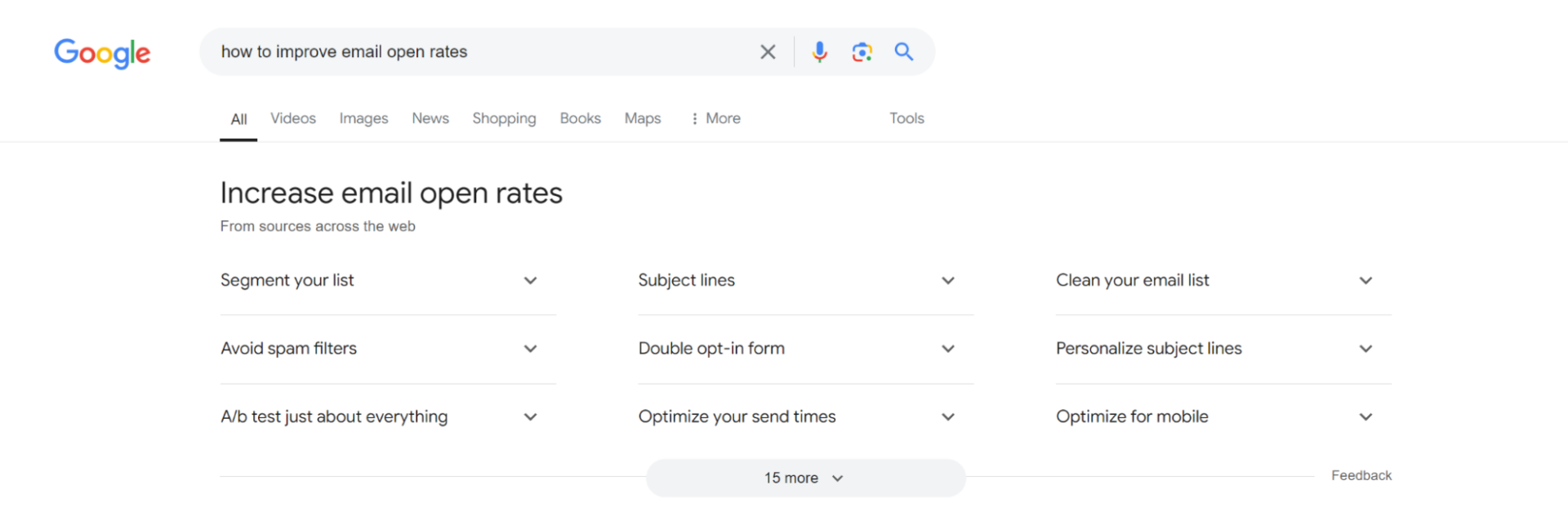
There are four kinds of search intent:
- Informational: The user is looking for information. They want to learn about a topic, answer a question, or understand something better.
- Transactional: The user is ready to make a purchase or take a specific action. They’re looking to buy something, sign up for a service, or download a resource.
- Navigational: The user is trying to find a specific website or page. They may not know the exact URL, but they know what they’re looking for.
- Commercial: The user is researching before making a purchase. They are not quite ready to transact, but they are comparing options and considering different products or services. They are further down the funnel than informational, but not quite transactional.
For informational intent, an example would be a blog post like “How to Bake Sourdough Bread” or explainer videos on “What is Quantum Computing?”.
Transactional intent is satisfied by product pages with clear “Add to Cart” buttons or SaaS free trial sign-up forms.
Navigational intent is addressed by pages like “Amazon login” or your website’s “Contact Us” page, while commercial investigation intent is served by comparison pages reviewing “Top 5 Project Management Software” or “Best Budget-Friendly Laptops.”
Keyword Optimization
Keyword research is one of the most important parts of any SEO strategy.
You need to know which terms your audience is searching for – and this is what keyword research and optimization is all about.
You’ll need an SEO tool with keyword tracking functionality, like Ahrefs or Semrush.
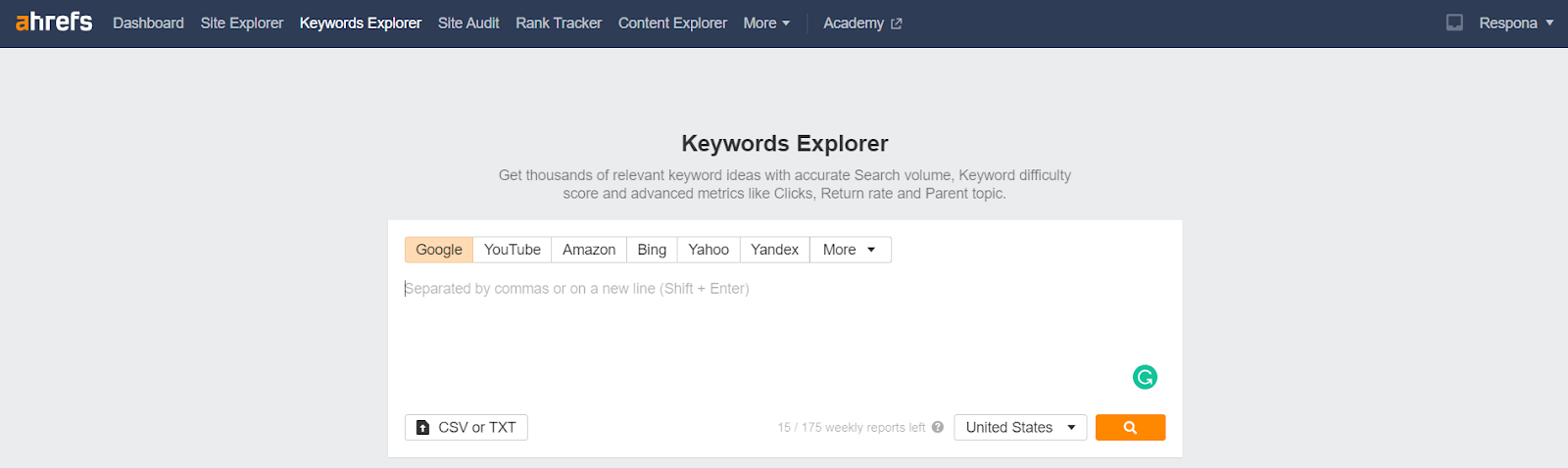
Start by entering your niche’s core term, your “parent keyword.”
For example, one of our parent keywords is “link building”.
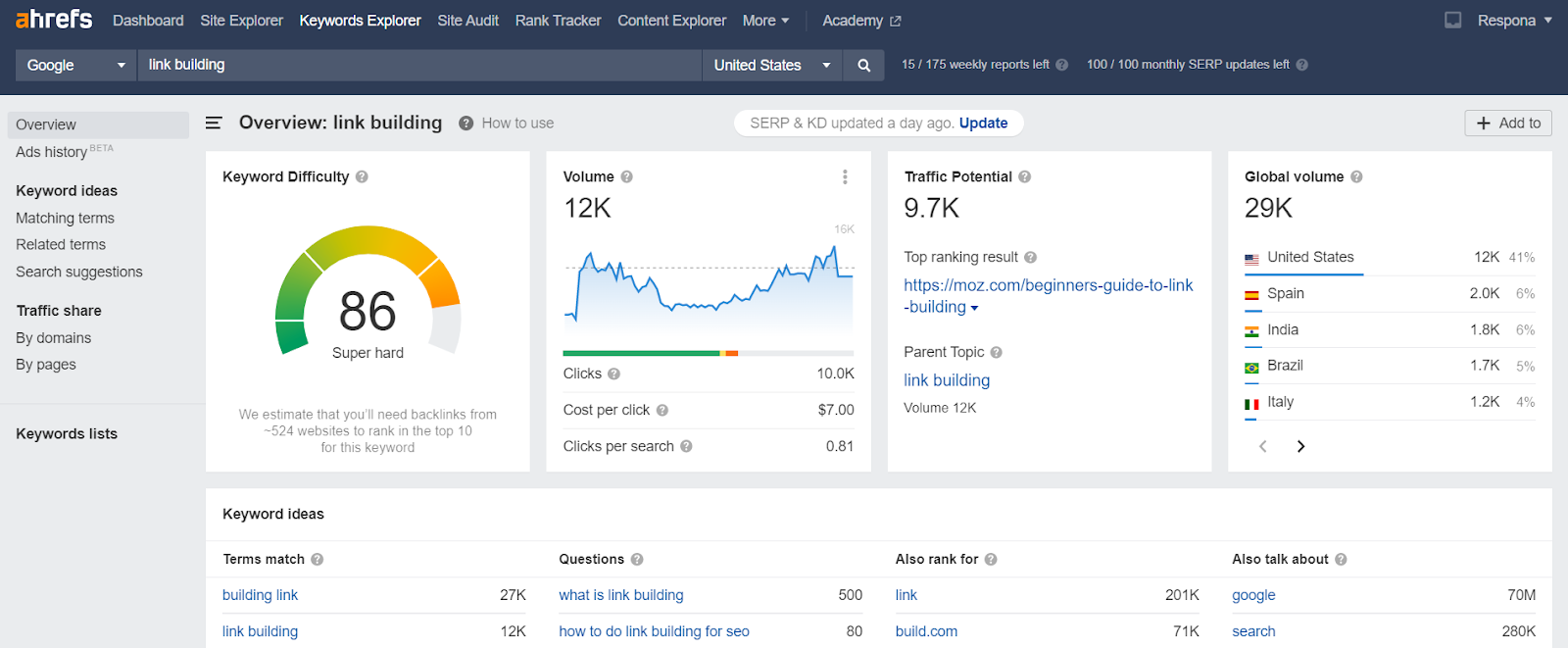
Once you get the overview of your keyword, check key metrics like search volume, keyword difficulty, and organic search traffic potential.
Use the search suggestions report to find related keywords and their respective data.
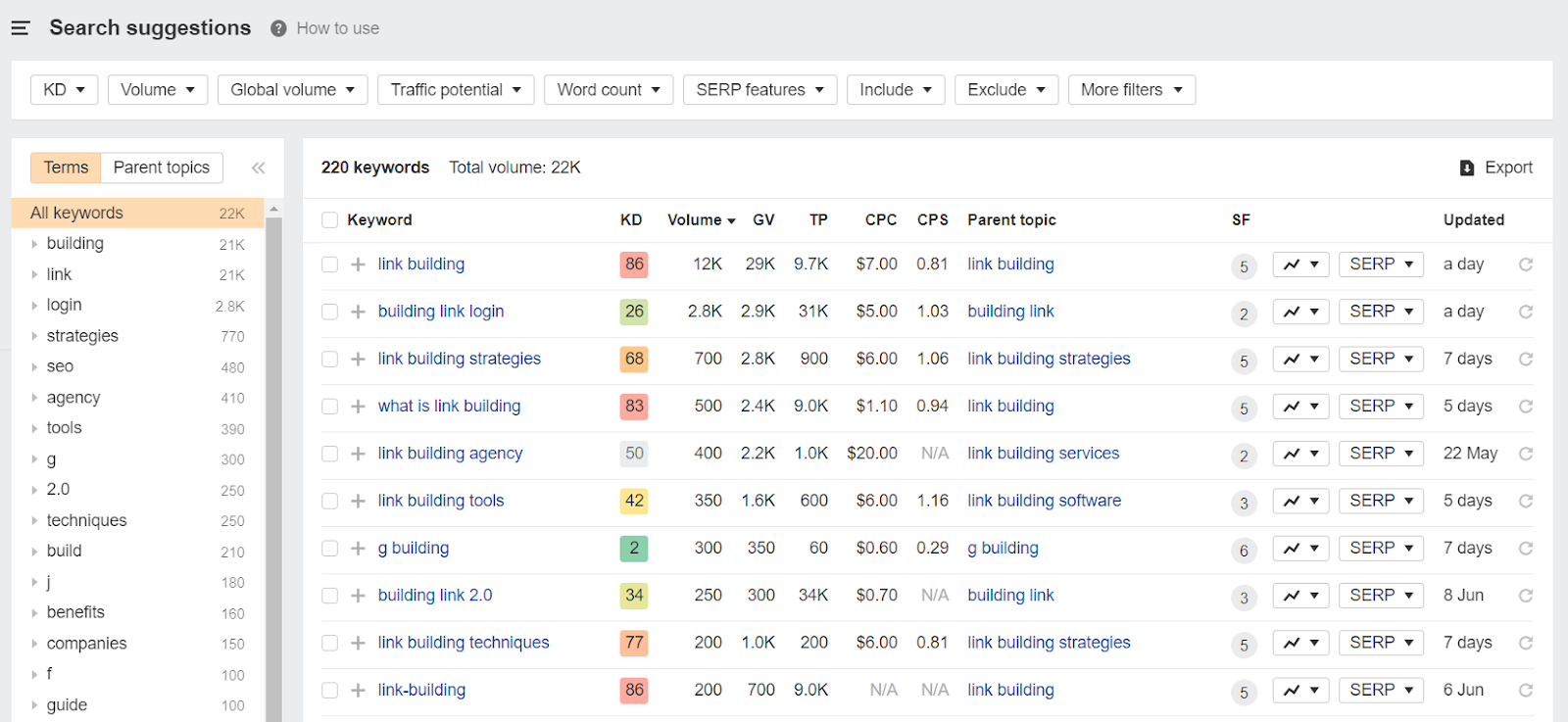
Keyword difficulty indicates how challenging it is to rank for a specific term.
While high search volume is great, targeting keywords with lower difficulty is a much easier way to quickly rank on page one.
However, it’s not as simple as just picking low-difficulty, high-volume keywords.
We recommend taking a more strategic approach.
Instead of guessing and picking keywords that sound good, prioritize keywords with high traffic potential, strong commercial intent (meaning users searching these terms are likely to convert), and low competition.
A helpful formula to identify prime keyword opportunities is:
(1 / Keyword Difficulty) * Traffic Potential * (CPC + 1) = Keyword Score
A higher keyword score suggests a more valuable and easily attainable keyword.
Experiment with variations of your parent keyword and other relevant terms, then export the data from your keyword tool.
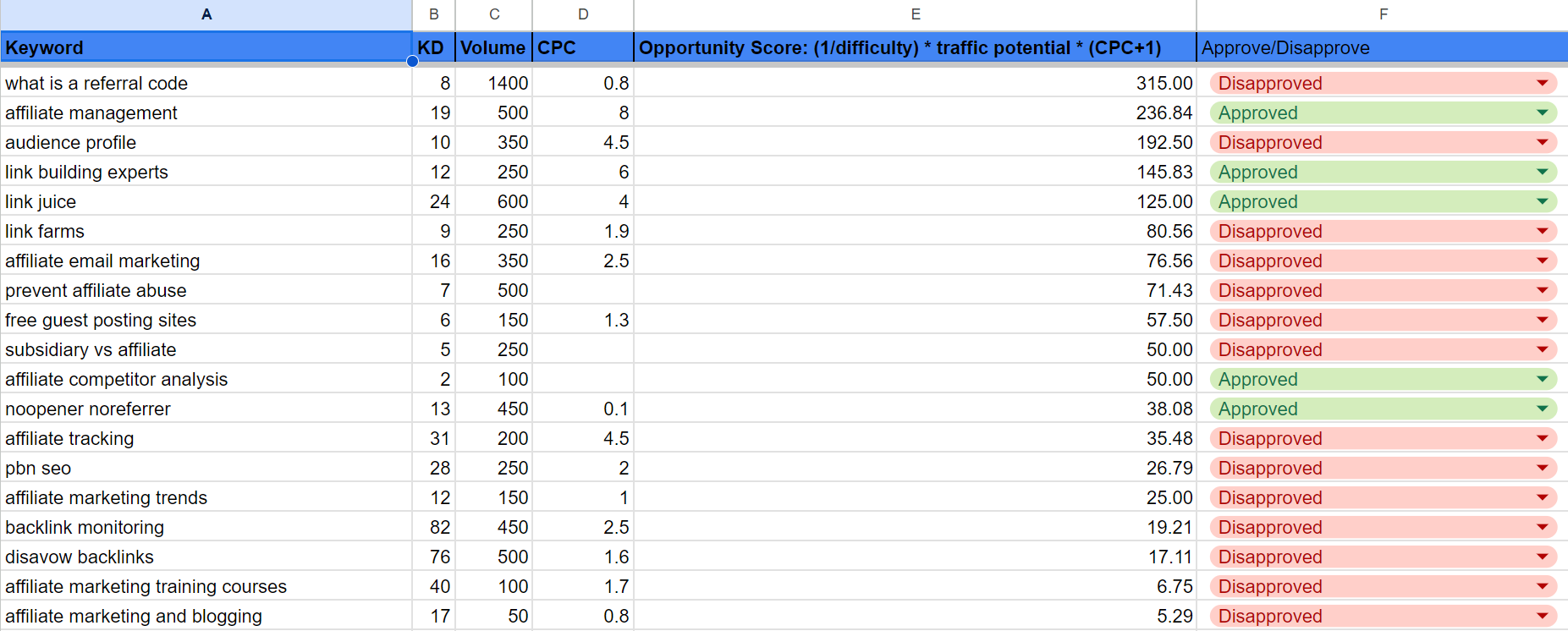
Finally, sort these keywords by their Keyword Score (highest to lowest), and prioritize the most promising targets for your content.
Just keep in mind that YOU still determine the relevance of any given organic keyword – this formula is only meant to make them easier to find.
Header Tags
Header tags provide structure and hierarchy, improving readability for both the user and search engines.
Proper structure helps search engines understand your content and improves your chances of ranking in search engine results.
Use your primary keyword in the H1 and related keywords in subsequent headings.
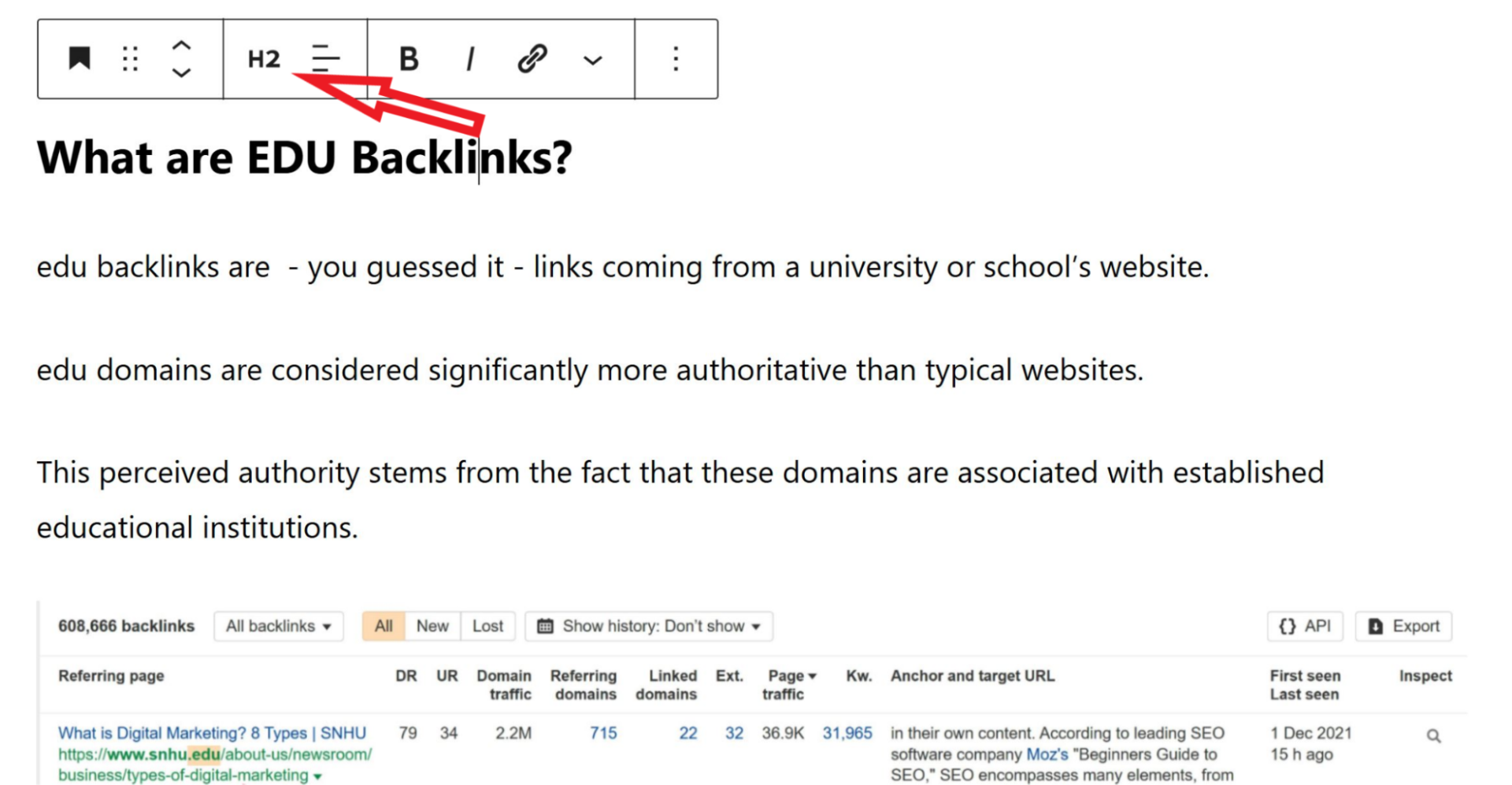
Normally, there should be only one H1 tag, with H2 tags marking sections and H3 tags further breaking them down into subsections.
Your H1 tag will be pulled into the search results automatically, but you’ll need to add a meta description separately.
Internal Links
Internal links improve user experience, help search engines crawl your website more effectively, connect relevant pages, improve navigation and distribute link equity.
Auditing internal links involves analyzing link structure for proper navigation, user experience, and link equity distribution.
Every page on your website should be accessible in 3 clicks or less.
Also, a good rule of thumb is to ensure every single page on your website has at least five internal links pointing to it.
Fix broken internal links and review anchor text for descriptiveness, relevancy, and keyword inclusion without over-optimizing.
Image Optimization
All images must have descriptive file names and alt text containing relevant keywords.
Compress images for page speed without sacrificing quality.
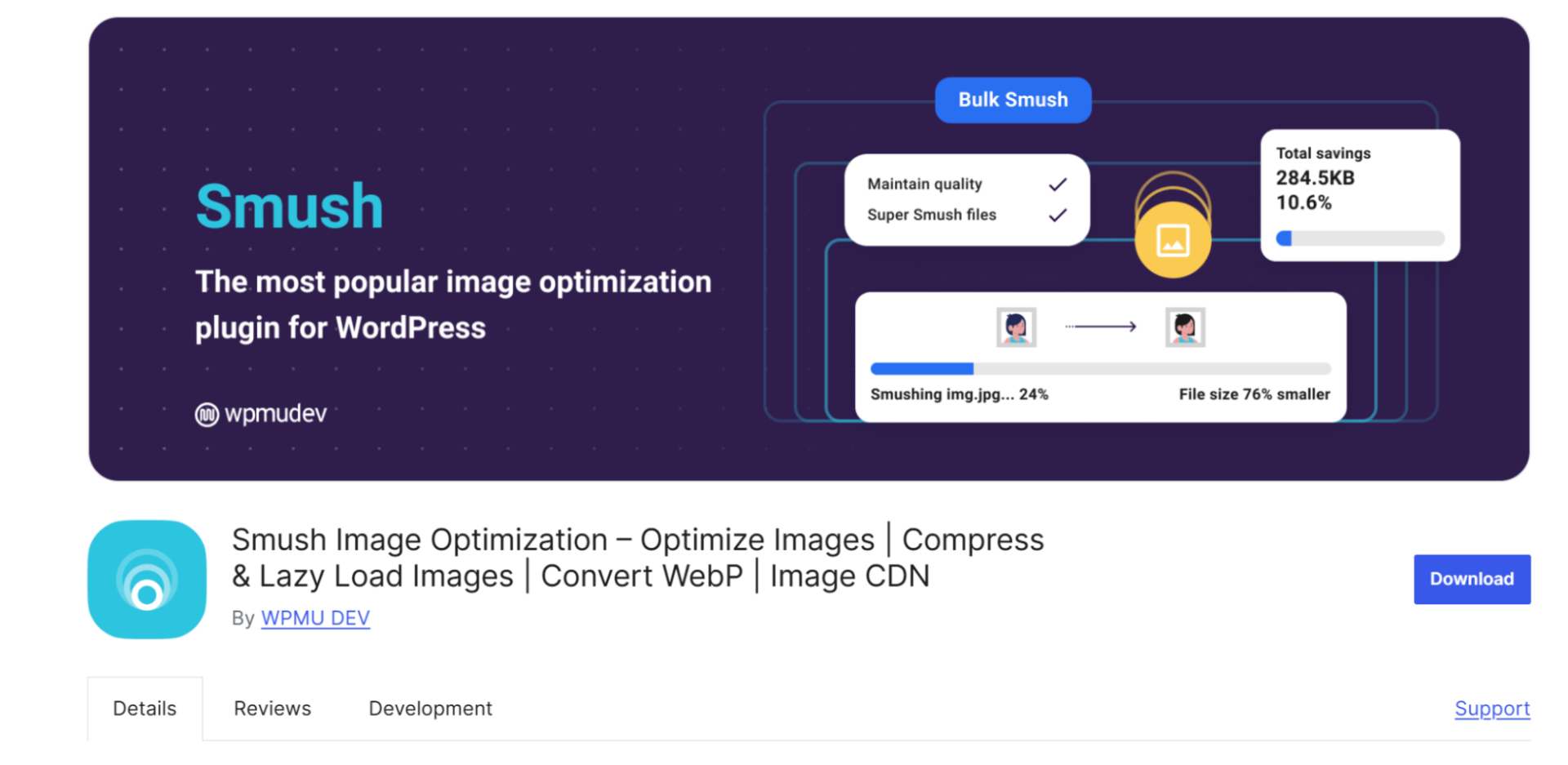
You can use a plugin like Smush to automatically compress the images uploaded to your CMS – and make sure they are always hosted on your own domain and not a third-party resource.
Featured Snippets Optimization
Featured snippets appear above all organic search results, and catch the user’s attention first.
Optimizing for featured snippets increases your visibility in search engine results and can significantly boost organic traffic.
Think “People also ask” and these little snippets of your article pulled right to the search results.
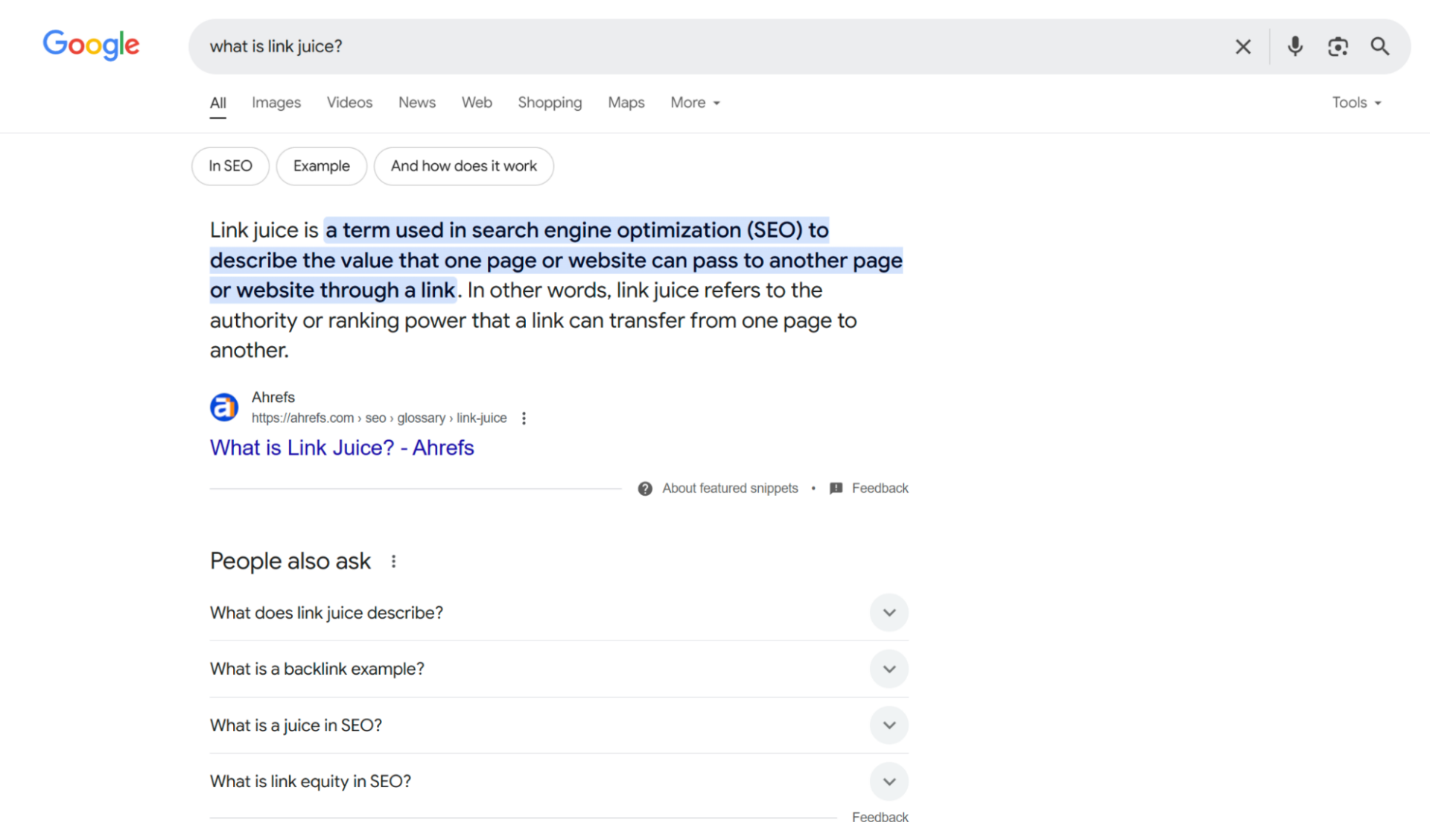
To increase the chances of getting into these, structure content to directly answer common questions related to target keywords, starting with “who,” “what,” “where,” “when,” “why,” and “how.”
Focus on long-tail keywords and natural language phrases, using off-page SEO tools like Answer the Public or Google’s “People also ask.”
CTA Optimization
The call-to-action is one of the most important on-page elements. A strong CTA improves engagement and helps convert traffic into customers.
After all, you don’t just want the user to visit your site, you want them to become a customer.
Whether it’s a link to another article or landing page, or a newsletter registration, Google tracks click-through rates on your page.
Meaning, more users taking your desired action is seen as a positive ranking factor.
Most commonly these are placed above the fold or within content.
Make CTAs visually appealing with contrasting colors and clear fonts, without disrupting user experience.
A/B test different CTA wording and placement to figure out what’s working for your audience specifically.
Off-Page Organic SEO Strategies
Off-page SEO is all about getting as many links from other sources as possible.
Be it through getting backlinks from other blogs in your niche, getting user reviews, or putting up a listing on Google Maps.
Link Building
Link building is the meat and potatoes of off-page SEO.
It’s important because links pass PageRank – a value taken into account by Google’s algorithm.
In Layman’s terms, more high-quality backlinks = better rankings.
We’re not going to dive too much deeper into the theory behind it, but if you’d like to learn more, feel free to watch this video:
Now, let’s talk about actually getting those backlinks.
Link building is one of the most important parts of off-page SEO, but it’s also the most time-consuming. You need to find relevant sites, reach out to website owners, pitch your content, and follow up consistently.
Doing this manually is hard to scale.
Instead, many teams now use a done-for-you approach.
You simply submit your target page, keywords, and any requirements, and everything else is handled for you. That includes prospecting relevant websites, reaching out to editors, and securing placements on pages that already have authority and traffic.
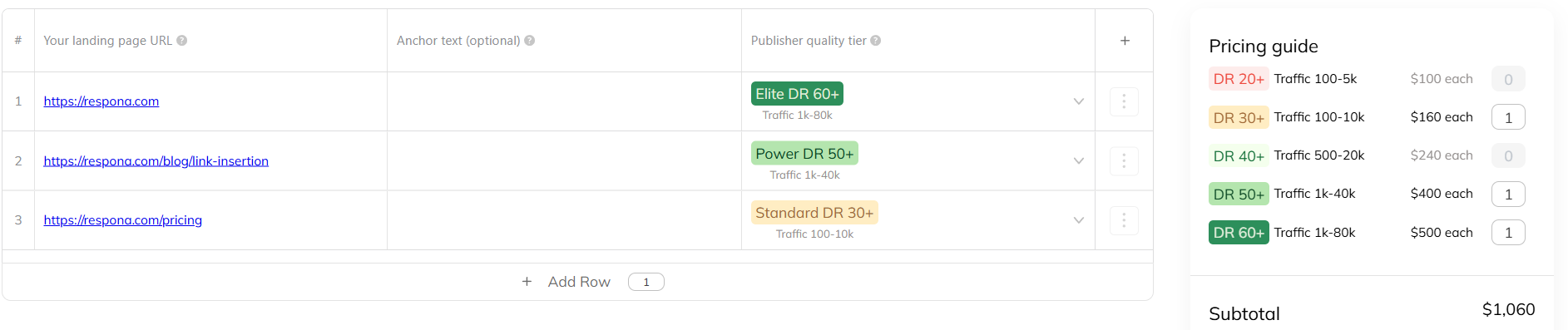
The focus is not just on building links, but on getting placed on pages that actually improve your rankings and visibility.
TThis helps improve your visibility in search engines, drive consistent organic traffic, strengthen your backlink profile, and support long-term organic growth without handling outreach yourself.
Google Business Profile
For local SEO, a Google Business Profile is essential.
It helps improve visibility in Google Maps and local search results, especially for small business websites.
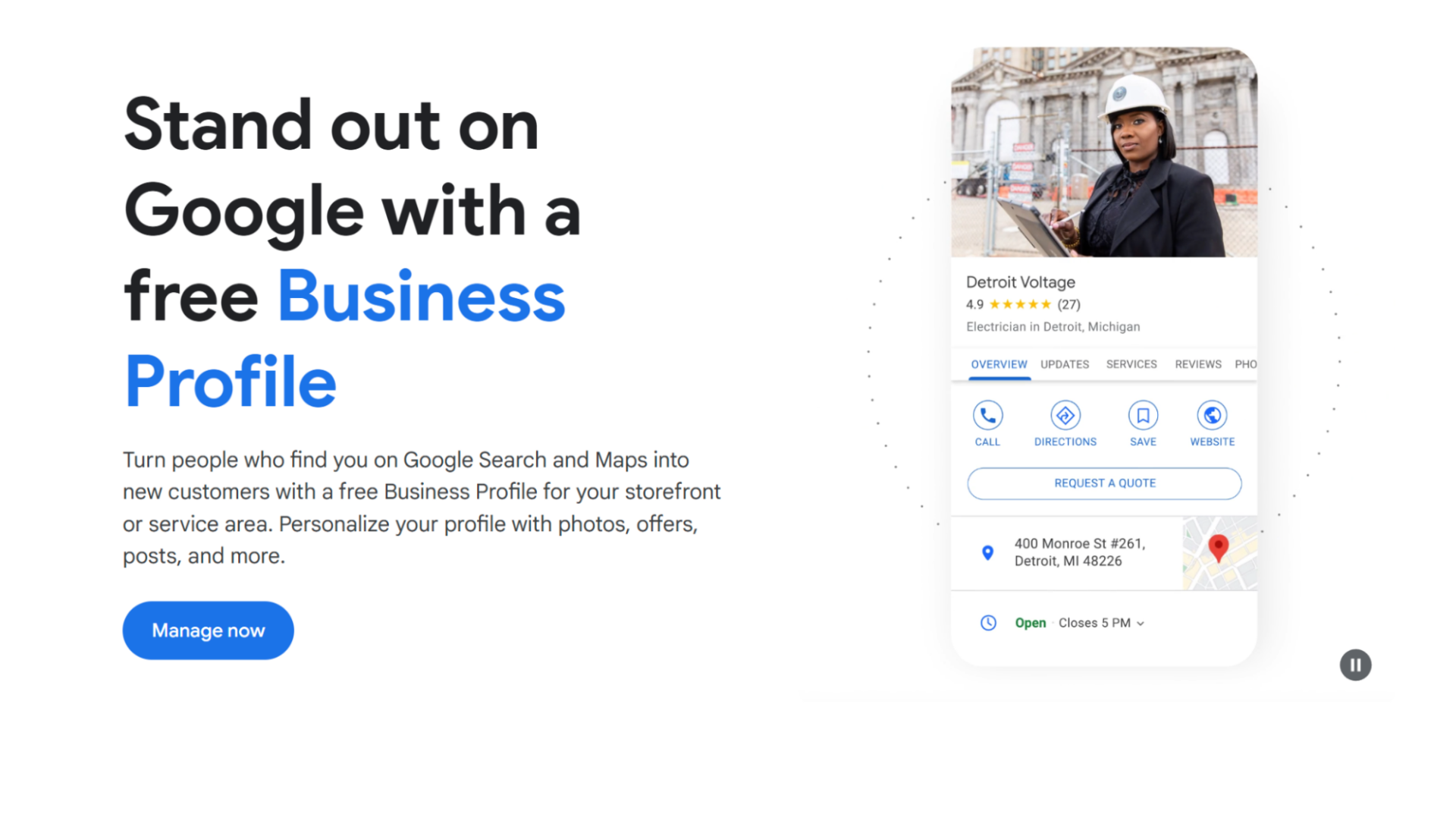
This free profile allows you to manage how your business appears in Google Search and Maps.
Ensure your profile is complete and accurate, including your business name, address, phone number, website, hours of operation, and relevant categories.
Add photos of your business and encourage customers to leave reviews.
User Reviews
Positive reviews build trust, and encourage potential customers to choose your business.
Reviews also contribute to local SEO and improve trust signals for search engines.
Actively encourage satisfied customers to leave reviews on Google, Yelp, and other relevant platforms.
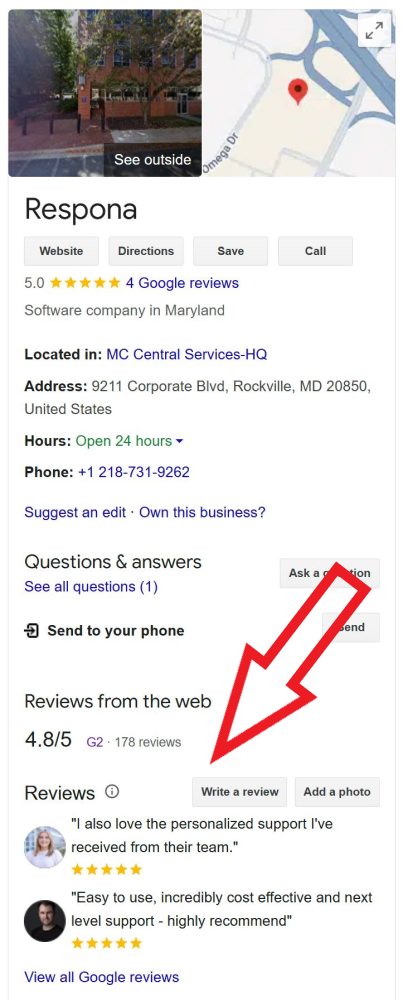
Don’t be shy – politely ask after a positive interaction, whether in person, over the phone, or via email, while the experience is fresh.
Make it easy by providing a direct link to your review section, perhaps via a shortened URL or QR code.
While offering incentives can be a gray area, it’s very common.
Avoid anything that could be seen as buying positive reviews, as Google’s guidelines discourage incentivizing reviews in a way that could create bias.
If you offer an incentive, ensure it’s available to all reviewers, regardless of sentiment.
Technical Organic SEO Techniques
Technical SEO ensures your site performs well in search engines and provides a strong user experience.
Page Speed & Mobile Optimization
Page speed and mobile optimization are crucial for both user experience and search rankings.
Core Web Vitals, including Largest Contentful Paint (LCP), First Input Delay (FID), and Cumulative Layout Shift (CLS), are key performance metrics.
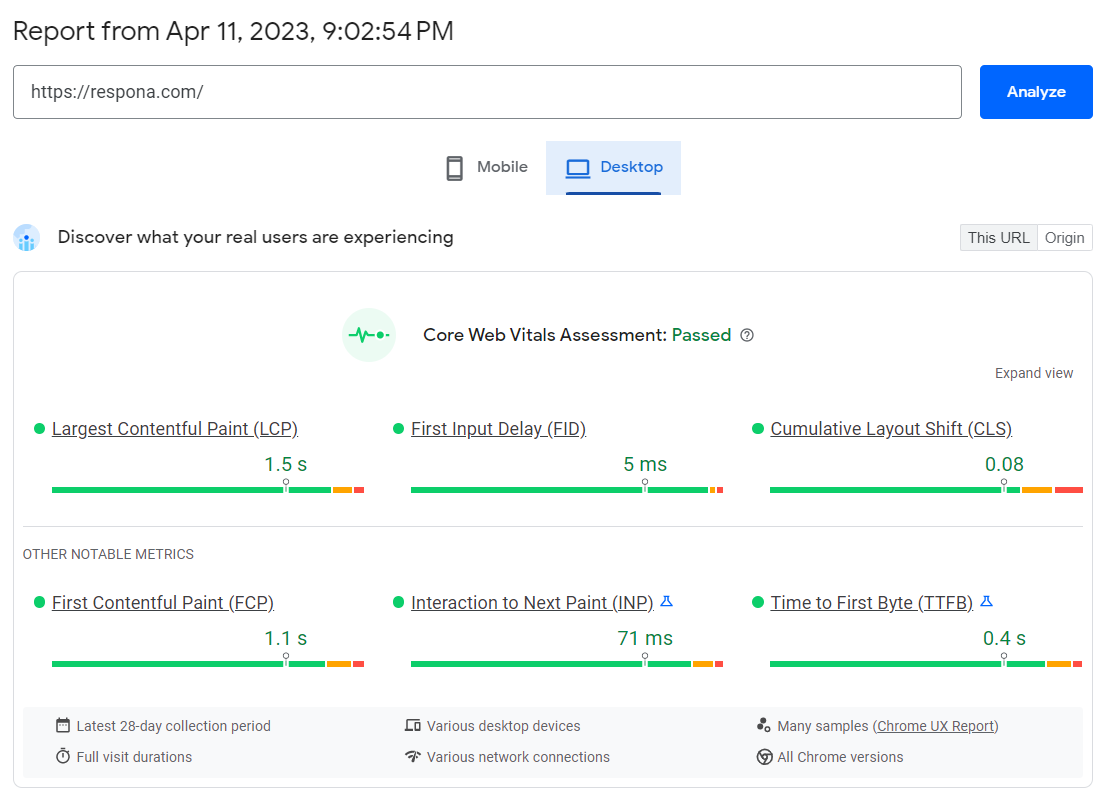
Use tools like Google PageSpeed Insights, Search Console, Lighthouse, or WebPageTest to audit these vitals and identify areas for improvement, such as image optimization, reducing JavaScript execution time, and improving server response times.
Ensure mobile responsiveness by testing your site on various devices and screen sizes using Google’s Mobile-Friendly Test and manual checks.
Pay attention to load times on mobile, as slow pages can hurt user experience and rankings.
Optimize CSS by minifying code, removing unused styles, and merging files to improve load times.
Optimize server response time (TTFB) by using updated server software, a CDN, optimizing scripts and queries, and potentially upgrading from shared hosting to one of the cheapest VPS options.
SSL Certificate
An SSL certificate (HTTPS) encrypts communication between users’ browsers and your web server, protecting data and boosting SEO.
Search engines prioritize secure sites.
Check for the padlock icon and “https://” in your URL. If absent, obtain and install an SSL certificate.

Use online SSL checkers like SSL Labs’ SSL Server Test to ensure proper implementation.
Redirect all HTTP website traffic to HTTPS and verify correct indexing in Google Search Console.
Sitemap
An XML sitemap acts as a blueprint for search engines, outlining your site’s architecture and crucial pages.
It streamlines content discovery and indexing.
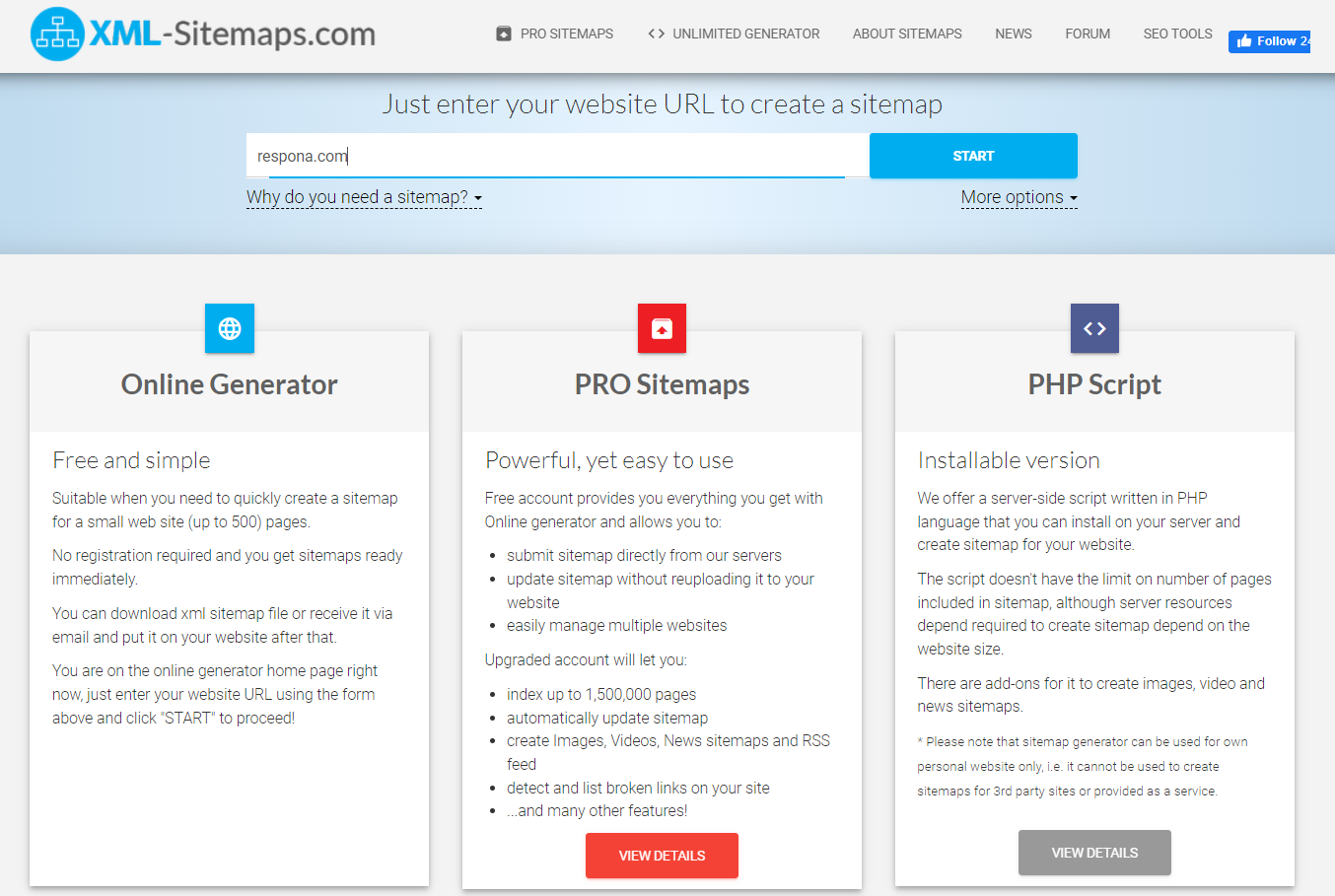
Use online generators or plugins to create a sitemap and submit it to search engines like Google and Bing via their webmaster tools (e.g., Google Search Console).
Regularly check for broken links or outdated details in your sitemap.
Submitting your sitemap through Google Search Console helps search engines discover your pages faster.
Schema Markup
Schema markup is code added to your website that helps search engines understand the content on your pages.
Schema markup improves how your pages appear in search results and enhances visibility..
Use schema markup relevant to your content type, such as articles, products, or local businesses.
Redirects and Broken Links
301 redirects are permanent, passing link equity to new URLs, while 302 redirects are temporary.
Use 301 redirects for permanently moved content.
Audit redirects using tools like Screaming Frog, Moz, or Ahrefs, checking for redirect chains or loops.

Fixing broken links improves user experience and helps maintain strong SEO performance.
Use tools like Semrush or Ahrefs to find and fix broken links, either by updating the link or using a 301 redirect to a relevant page.
Last but not least, canonical tags help manage duplicate content by specifying the original URL.
Link building cheat sheet
Now Over to You
Organic SEO is one of the most effective ways to drive long-term traffic and improve visibility in search engines.
A strong organic SEO strategy combines content, link building, and technical SEO to improve search engine results and organic traffic over time.
Unlike paid ads, organic search provides sustainable growth and long-term value.
Need help with getting backlinks to your site? Our done-for-you link building handles the entire process for you, helping you secure placements on relevant, high-authority pages that improve your rankings, traffic, and overall visibility in search engines.
Frequently Asked Questions (FAQ)
How long does it take to see results from organic SEO?
Any SEO strategy is long-term.
While some improvements may be visible relatively quickly, significant results typically take several months of consistent effort.
Is organic SEO still relevant in 2025?
Absolutely.
Despite algorithm updates, organic SEO remains one of the most important digital marketing strategies for driving organic search traffic.
It’s a cost-effective strategy for building long-term online visibility.
Can I do organic SEO myself, or do I need to hire an expert?
Many businesses start on their own, but larger campaigns often require an SEO agency or professional SEO service.
However, complex technical SEO or large-scale campaigns may benefit from the expertise of a professional SEO agency.
How often should I check my website’s SEO performance?
All the time.
Track key metrics like keyword rankings, organic traffic, and backlink profile at least monthly, or even more frequently for competitive niches.
Use tools like Google Analytics and Google Search Console to monitor performance.
What’s the most important factor in organic SEO?
While all aspects of SEO are important, high-quality, user-focused content remains the most important.
High-quality content that matches search intent and supports your SEO strategy is essential for ranking in organic search results.