
Linkable assets, also called “link magnets,” are a crucial part of any SEO strategy and modern link building.
Not only do they make for valuable content on your website, they help you earn backlinks from relevant websites and improve your visibility in search engines.
Sweet deal, right?
In this article, we’ll discuss what linkable assets are, how they impact search engine rankings, 7 types of linkable assets, and how to create an effective linkable asset step-by-step.
Let’s get into it.
Key Takeaways
- Linkable assets are high-value content pieces designed to naturally attract backlinks
- The best linkable assets solve real problems or provide unique data others cannot easily replicate
- Formats like industry studies, ultimate guides, tools, and templates tend to earn the most links
- Creating linkable assets is only half the work, promotion is what drives results
- Consistent promotion and outreach significantly increase the number of backlinks your content earns
- High-quality backlinks from linkable assets improve your search engine rankings and overall SEO performance
Link building cheat sheet
What Are Linkable Assets?
Linkable assets are pieces of valuable content that are designed to attract backlinks.
A linkable asset can be anything from original research, a case study, an infographic, or an interactive tool. The key is that it provides valuable insights that other content creators want to reference.
Linkable assets are often referred to as linkable content or link-worthy content because they naturally attract links without direct outreach.
They attract backlinks, which are one of the most important ranking factors in search engines.
A high quality dofollow link passes link equity, helping improve your domain authority, backlink profile, and search engine rankings.
In simple terms, more high quality backlinks from relevant websites lead to better rankings and more organic traffic.
If you’d like to learn more about into how exactly building links helps you rank higher on Google, watch this video:
Types of Linkable Assets
There is no single “best” format for a linkable asset.
It can be literally anything that’s worth sharing.
However, the following are the 7 most commonly used types of linkable assets.
These linkable assets are commonly used in content marketing and digital PR to support link acquisition and organic growth.
Industry Studies & Research
Any original research or case study that provides unique data instantly becomes a strong linkable asset.
Unlike regular blog posts, original research gives other websites something they cannot easily replicate, making it highly link-worthy content.
This is why these types of linkable assets often earn high quality backlinks and support long-term link building efforts.
Like this study of about 14 billion pages by Ahrefs:
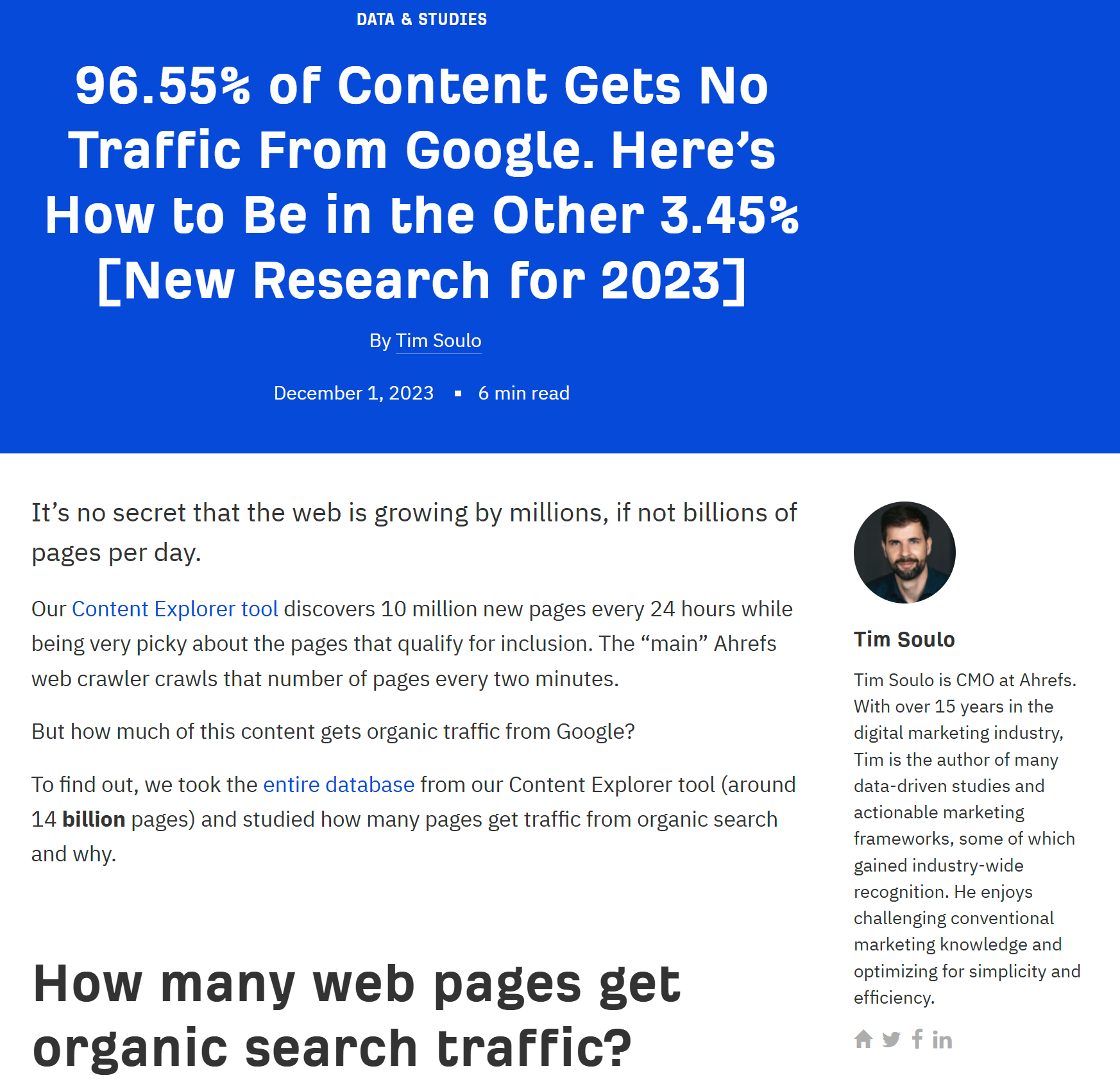
Of course, not every company keeps an index of (conveniently) about 14 billion pages.
Which makes this article truly unique – and an amazing linkable asset.
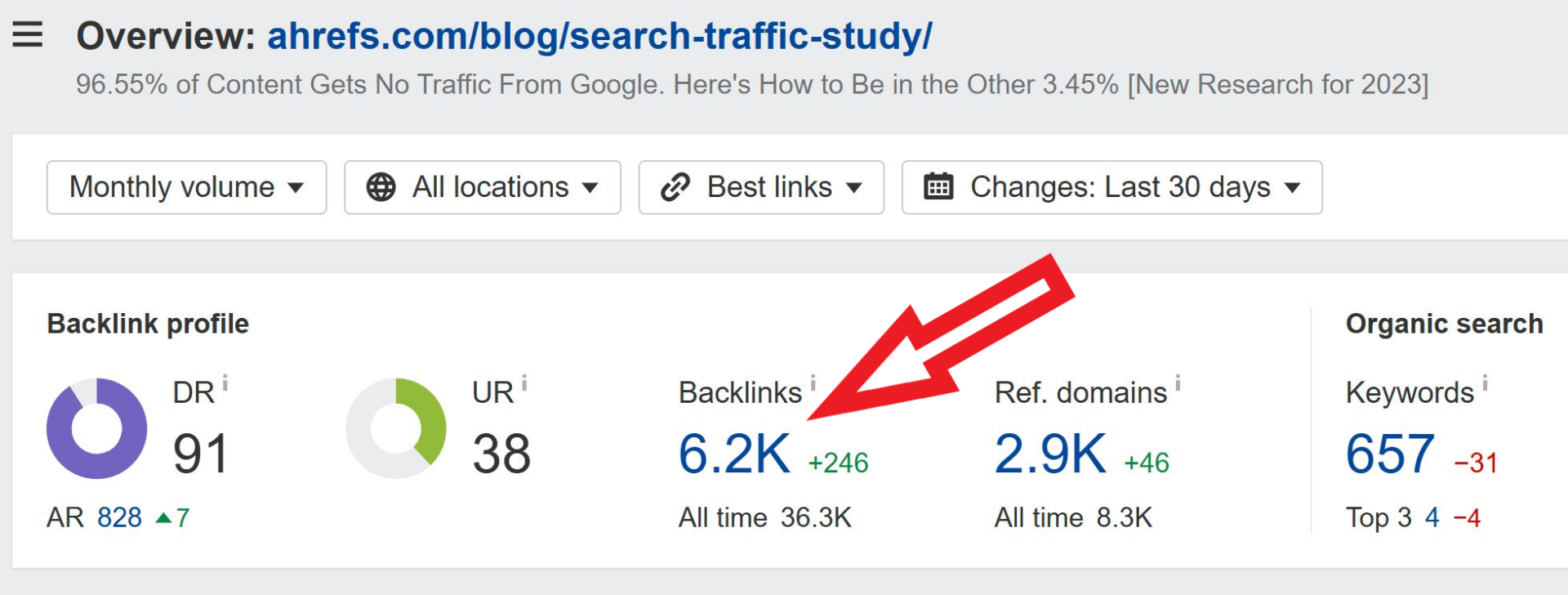
At the point of writing this article, the page has over 6K backlinks, which is more than some sites have in their entire backlink profile.
Just one page!
Now, of course, not every industry study will see the same level of success (especially in smaller niches), but the point still stands.
Any study that shows real data not available with a simple Google search is instantly infinitely more valuable than an ordinary blog post.
Ultimate Guides
Ultimate guides are a form of evergreen content that can generate backlinks over time.
A well-structured ultimate guide acts as both valuable content for users and a strong linkable asset for SEO.
An ultimate guide that covers a topic from start to finish makes for a great linkable asset.
Take, for example, Moz’s Beginner Guide to SEO.
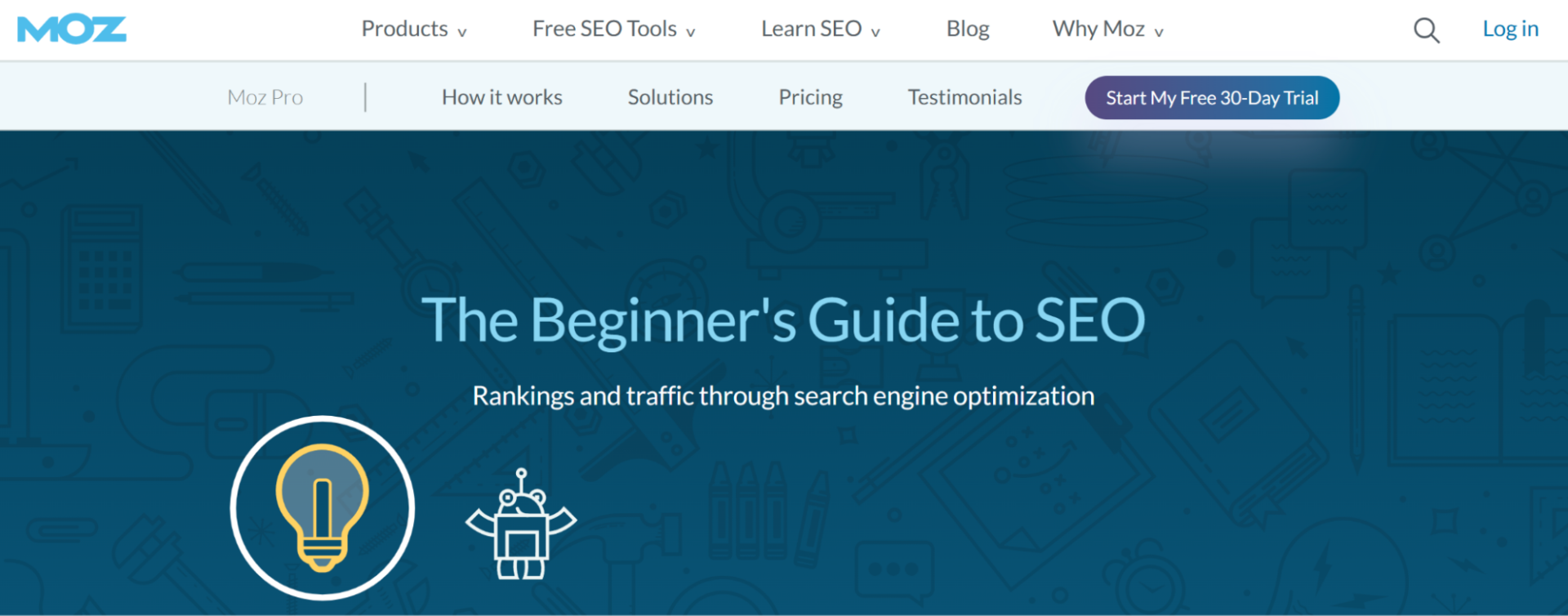
It’s a stellar resource that covers every aspect of search engine optimization from A to Z, it’s broken down into smaller, more easily digestible articles.
It is also broken down into chapters, making it easier to digest:
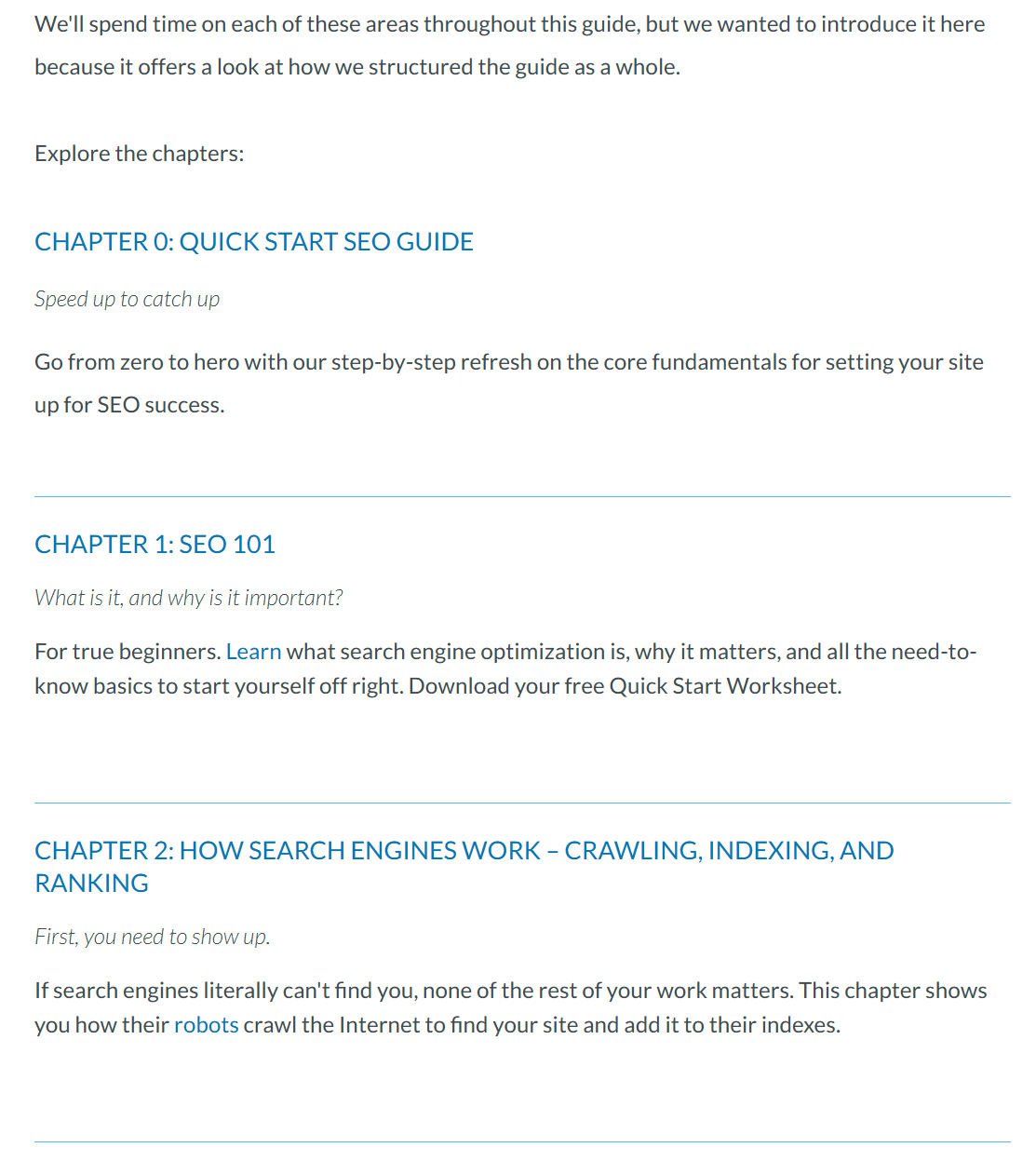
Besides making it more reader-friendly, each page is also an opportunity to rank for a set of related keywords.
So, instead of one page ranking for a dozen keywords, Moz’s guide has 8 chapters and a glossary ranking for over 100.
This is also known as a pillar page, which is amazing for SEO.
Videos
Videos are a form of visual content that can also attract backlinks, especially when they simplify complex topics.
Sharing them across platforms and embedding them on your site improves both link acquisition and social media visibility.
They can be anything from explainer videos and tutorials to interviews and documentaries.
Demonstrating a complex step-by-step tutorial in a simple way can be incredibly valuable.
Like our link building video course that breaks down 15 link building strategies into easy-to-follow step-by-step tutorials.
Similarly, an interview with a thought leader in your industry can attract attention and backlinks.
Just like other linkable assets, videos should be high-quality, well-produced, and optimized for search engines.
Embedding them on your website is a must, but also consider sharing them on relevant video platforms like YouTube and Vimeo to maximize their reach and potential for attracting high quality links back to your site.
Listicles and Resource Pages
Listicles, also known as “top 10” articles, make for solid linkable assets and the same applies to resource pages.
Listicles are especially effective for link building because they create opportunities for outreach and digital PR.
They can also be promoted through social media and social media marketing to reach a wider audience.
For example, if you have an article like our Top 10 Free Link Building Tools, you can reach out to every tool you mentioned and let them know they were included.
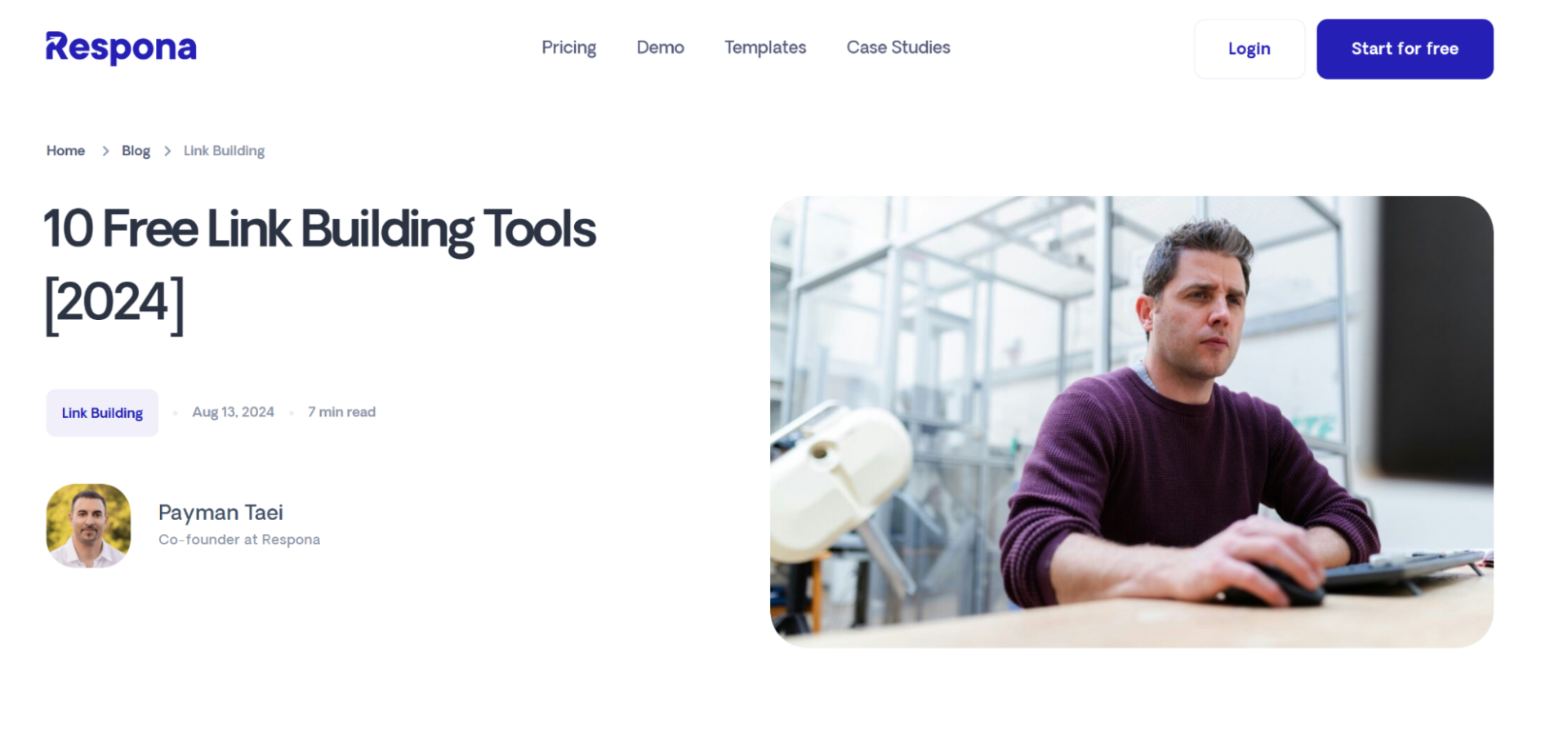
Chances are, besides a simple “thank you”, each one would be open to mentioning you on their blog in return.
All you have to do is reach out and let them know.
Infographics
Infographics are a form of visual content that condenses complex data into something easy to understand.
While they are easier to produce today, a well-designed infographic can still attract valuable backlinks when combined with strong promotion.
Because of this, they are often listed as the #1 linkable asset type.
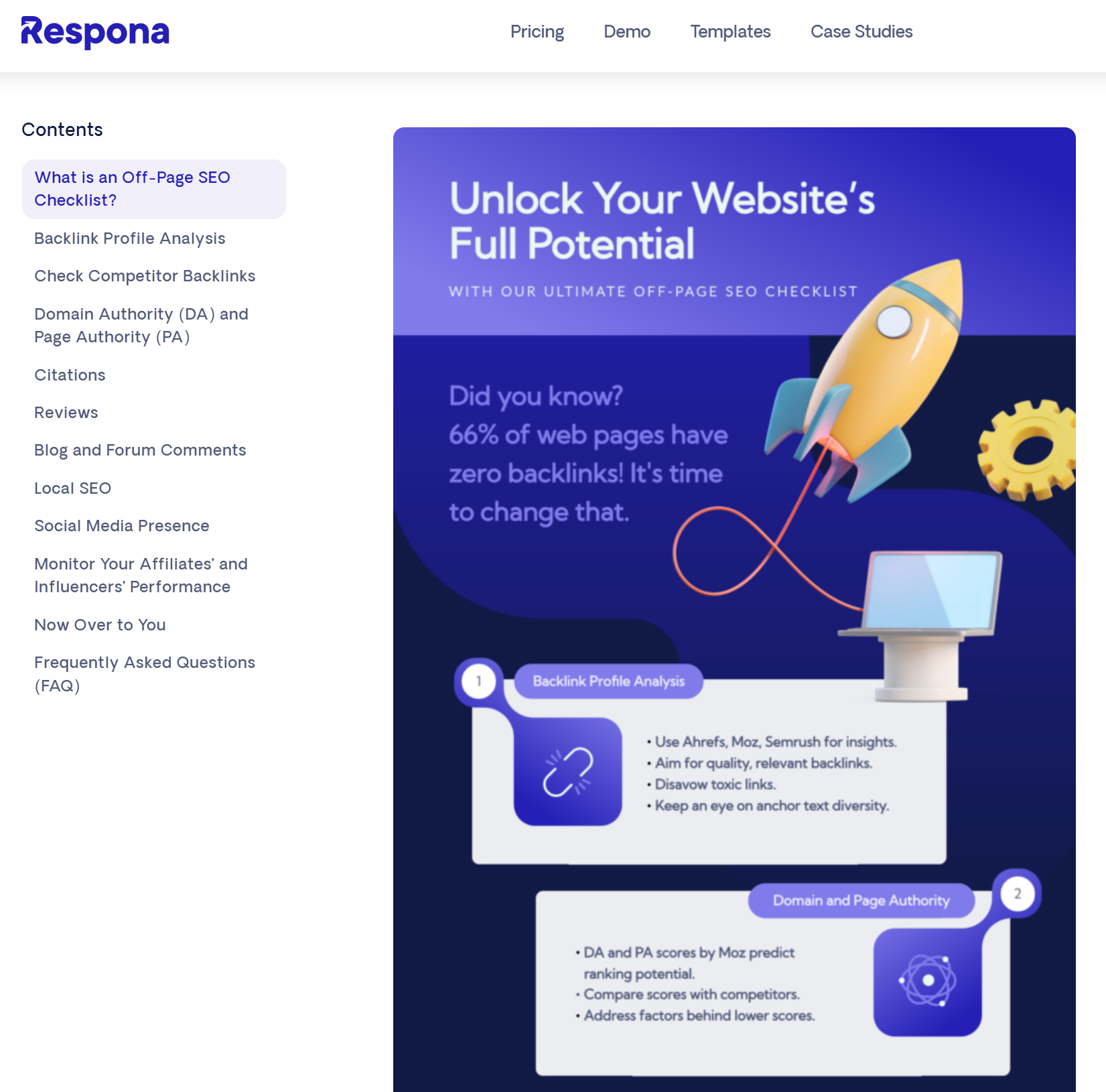
Don’t get me wrong – a well-design infographic is 100% a linkable asset.
However, in our experience, they’re not quite as good at attracting links as an industry study or even a listicle.
Nowadays, design tools like Visme are readily available, so anyone can make their own infographics, even without previous web design experience.
Templates
Templates are a great example of linkable content because they provide immediate value to your target audience.
They are especially effective when tied to a specific SEO strategy or workflow.For us specifically, this entry means email templates since our target audience is link builders and website owners looking to improve their online visibility through link building outreach.
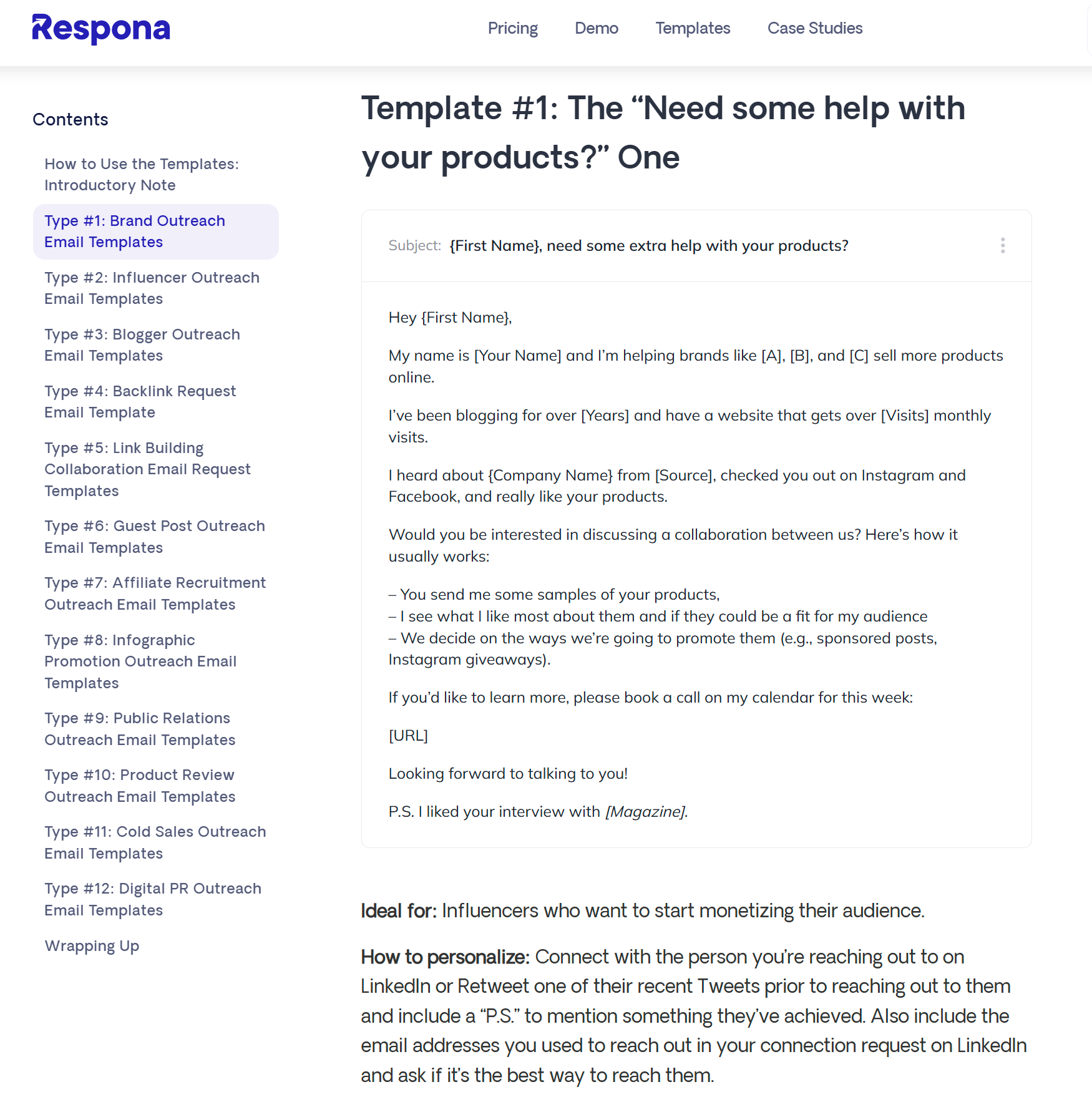
For a digital marketing company, this could mean a website audit template, or a backlink analysis template.
Either way, regardless of your exact niche, people love freebies and step-by-step tutorials – and templates for doing literally anything perform crazy well in search.
Tools Pages
Tools pages are one of the strongest types of linkable assets, especially when they function as an interactive tool.
Free tools often attract high quality links because they provide ongoing value and are frequently referenced by content creators.
If we once again look at Ahrefs’ best by links pages, you’ll see that right after their homepage, the two best pages are their free backlink checker and keyword explorer.
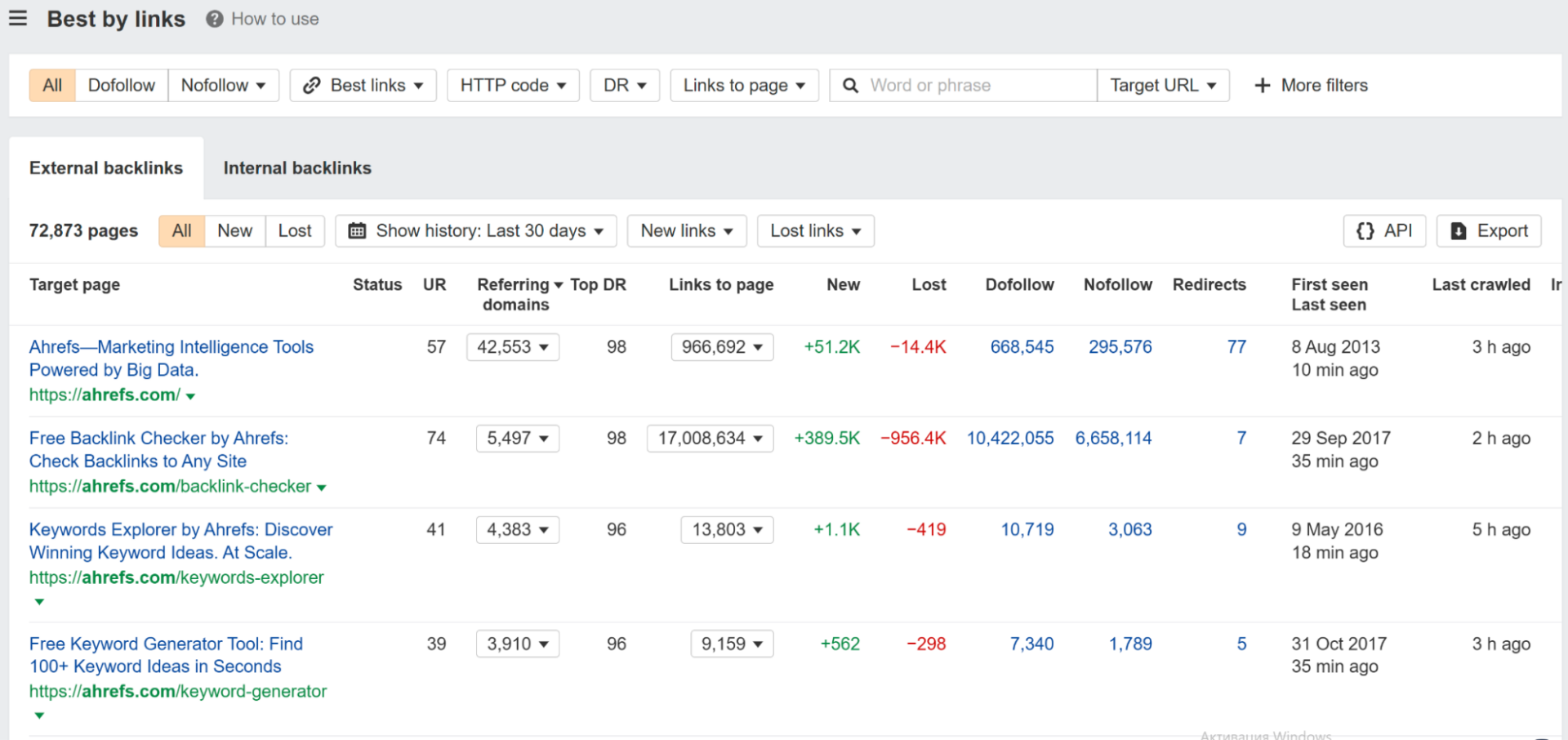
Which are two of the biggest applications for the software.
While this tip is only really useful to SaaS businesses, its importance can not be overstated.
For example, since we released our own backlink checker, it has amassed 109 unique referring domains.
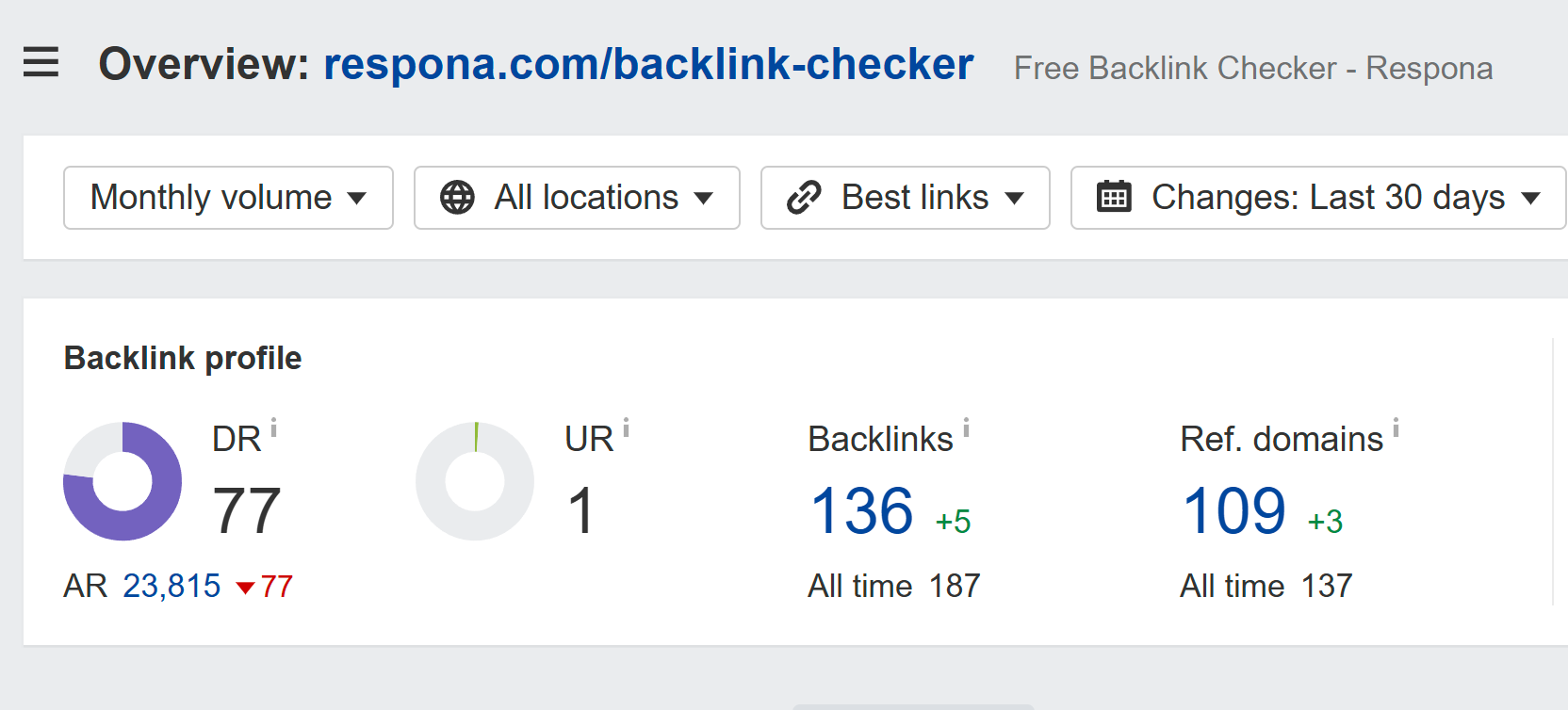
Given that we only have around 3K total referring domains, getting over 100 from a single page is no small feat.
And we’re not even a backlink checking tool like Ahrefs!
How to Create Linkable Assets
Audience Research
Of course, by now, you know your target audience pretty well.
Or so you thought.
Beyond your buyer persona, you should know:
- What kind of information are they looking for?
- What formats do they prefer (videos, infographics, text, etc.)?
- Are they just looking for tips, or do they have work to do?
Before we tell you to just “Use surveys to directly ask your audience what they want”, we encourage you to do some competitive analysis.
What works well for your competitors?
For example, we share an audience with Hunter: an email and email outreach tool.
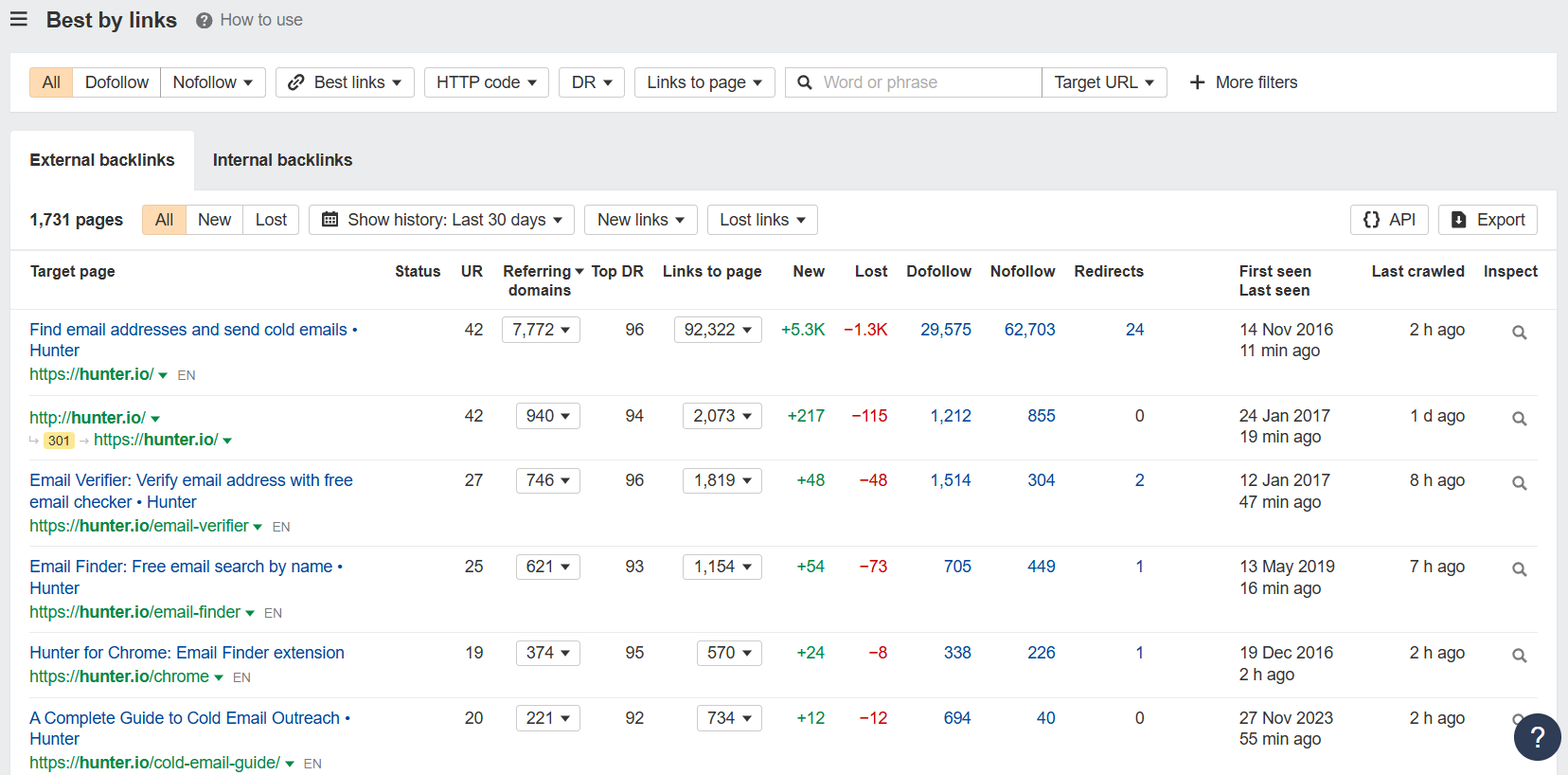
After checking their top pages by links, we can see that tools pages and ultimate guides work pretty well, attracting hundreds of unique domains.
This means that a substantial part of our readers benefit from finding one or two emails, which is made possible by our own freebie email finder developed in response to Hunter’s (and other competitors’) performance.
In your niche, the best-performing pages might be listicles or videos, and so on.
Understanding your target audience is essential for creating effective linkable assets.
The better you align your content with their needs, the easier it becomes to earn backlinks and support your overall link building strategy.
Content Research
Now that you know what works well, you need to understand WHY it works well.
For example, Moz’s SEO guide works because it’s complete.
And it’s not just a buzzword – they literally walk you through every imaginable SEO topic.
If you’re familiar with the skyscraper technique concept, apply it here.
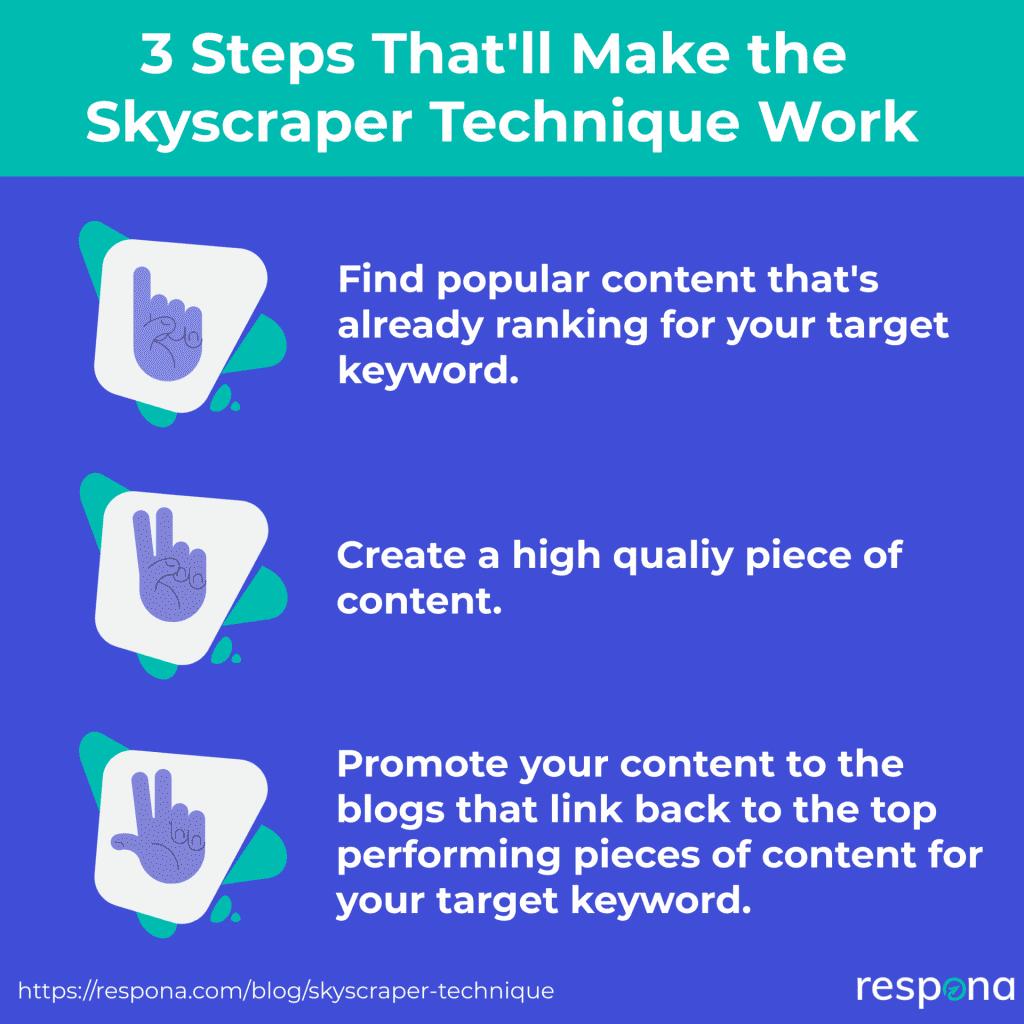
Make something bigger and badder.
And if it’s an interactive tool page or something that’s not as easily quantifiable as a blog post, make it more available if possible.
Meaning more searches or better data.
This is where keyword research comes in.
By identifying a relevant keyword and analyzing top-performing content, you can create a stronger, more comprehensive asset that stands out in search engines.
Publish
Whether it’s an industry study, an ultimate guide, a video, or an infographic, ensure it’s well-researched, accurate, and engaging.
Pay attention to design and user experience, making sure your content asset is easy to read, navigate, and share.
Once your asset is ready, publish it on your website in a prominent location – like your header or footer.
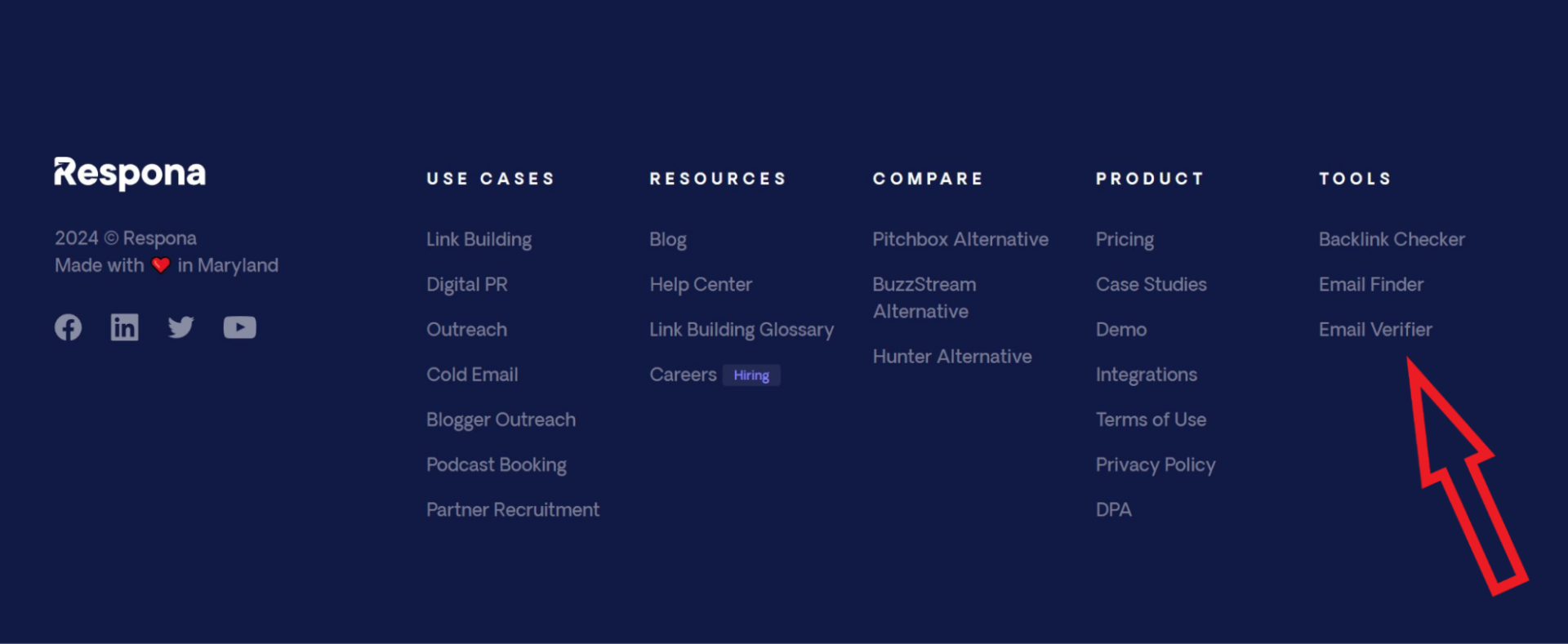
Make sure your asset is optimized for search engines using proper keyword research, a strong meta description, and a clean website design.
This improves visibility and helps your linkable asset generate organic traffic over time.
You’d think publishing would be the end of it and the asset will do the rest, but it’s not so simple.
Syndicate, Interlink & Promote
Just getting a quality linkable asset published is half the job.
The other is to get it in front of the right people.
You can do it by syndicating, and of course, promotion.
Syndication simply means publishing your asset in other format.
So, for example, you could syndicate a blog post into a podcast, or even create a full-blown online course based on the topics you cover.
Consider guest posting on other blogs and including a link back to your content.
Pro tip: Focus on creating evergreen content that continues attracting backlinks over time instead of short-term campaigns.
You can also submit your infographic to infographic directories or create a press release to announce your industry study.
The key is to actively promote your content piece and make it easy for others to discover and link to it.
Beyond manual promotion, you can also scale your results with a more structured approach.
Instead of handling outreach yourself, a done-for-you link building option can take care of promoting your linkable assets for you.
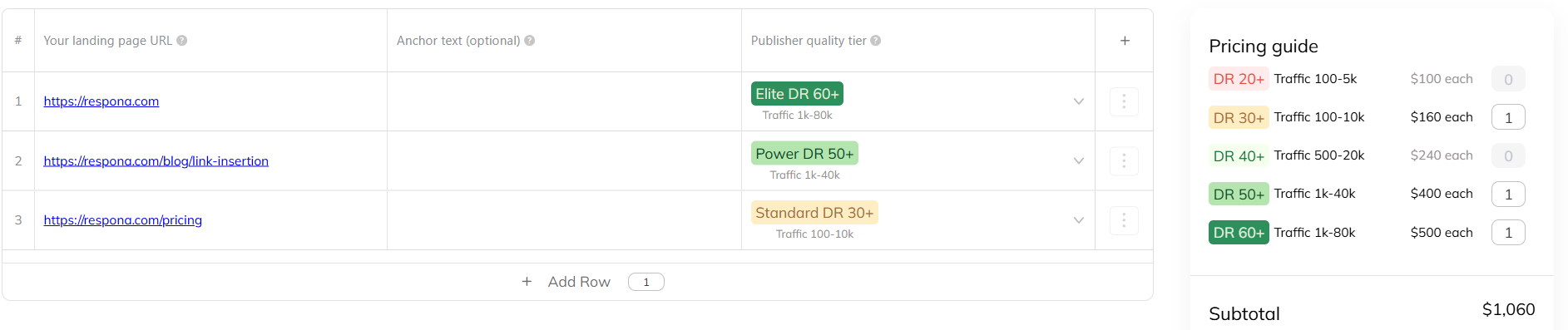
You simply submit your content, target pages, and requirements, and the entire process is handled, from prospecting relevant websites to securing placements on pages that already have traffic and authority.
This helps your linkable assets gain visibility faster and ensures they attract high-quality backlinks from relevant sources, not just random mentions.
It also plays a role in AI visibility, since many AI systems pull from pages that are already being cited across the web.
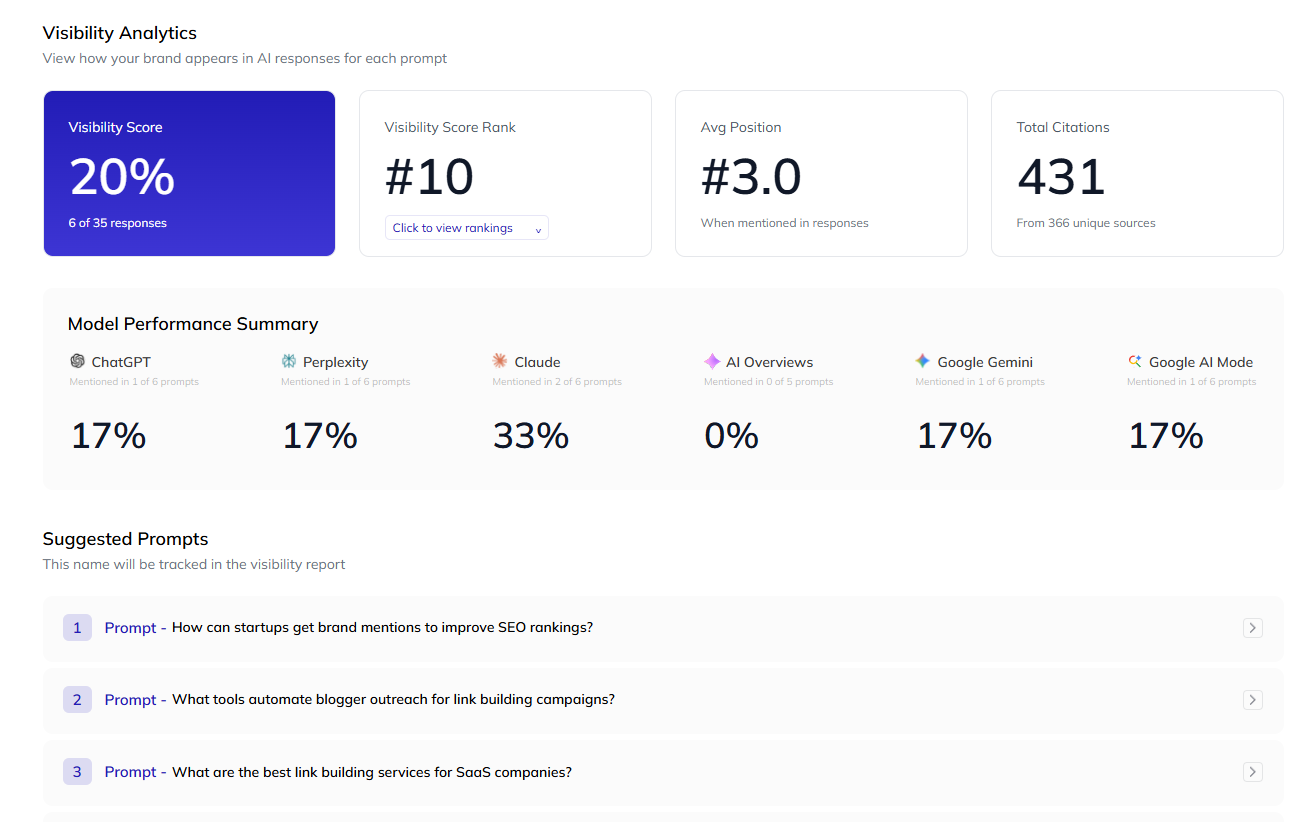
With our Campaigns feature, you can track:
- where your content is being mentioned
- which sources are being cited in AI-generated answers
- and where competitors are getting coverage that you are not
This turns promotion into a repeatable system instead of a one-time effort.
This approach helps you consistently earn high quality backlinks, improve your domain authority, and scale your link building without manual involvement.
Link building cheat sheet
Now Over to You
In conclusion, creating linkable assets should be a long-term part of your SEO strategy.
They help you earn valuable backlinks, improve your backlink profile, and support organic growth in search engines.
The best linkable assets combine high-quality content, strong promotion, and consistent link building.
Need help getting more quality backlinks?Our done-for-you link building handles the entire process for you, helping your linkable assets get featured on relevant, high-authority pages that drive both rankings and AI visibility.
Frequently Asked Questions (FAQ)
What exactly is a linkable asset?
It is a piece of linkable content designed to attract backlinks naturally and support link acquisition.
These assets act as a link magnet, attracting backlinks which improve your search engine rankings.
Why are linkable assets important for SEO?
They help improve domain authority, generate organic traffic, and strengthen your overall link building strategy.
High-quality backlinks signal to search engines that your website is a trusted and authoritative source of information, boosting your visibility in search results.
What are some examples of linkable assets?
Common examples include original research studies, comprehensive guides, engaging videos, visually appealing infographics, useful templates, and interactive tools.
The key is to create something unique, valuable, and shareable within your niche.
How do I promote my linkable assets?
Promotion includes outreach, digital PR, and sharing across social media platforms to increase visibility.
Reach out to influencers and other website owners in your niche, guest posting, and submitting to directories are also effective strategies.
How do I measure the success of my linkable assets?
The success of a good linkable asset is primarily measured by the number and quality of backlinks it generates.
You can use SEO tools to track backlinks, referring domains, and the overall impact on your website’s search engine rankings.