
Resource page link building has been one of the staple SEO strategies for over a decade.
Or two.
But is it worth your time in 2026?
Read our ultimate guide to find out.
Key Takeaways:
- Resource page link building still works in certain niches, especially when the resource page is highly relevant and curated by reputable websites.
- The best resource page links are the ones that drive actual traffic and authority, not pages overloaded with random outbound links.
- Listicles and roundup posts have largely replaced traditional resource pages as the strongest form of modern resource link building.
- Placements on pages already ranking in search results can improve rankings, drive commercial traffic, and help with AI citations at the same time.
- The most effective outreach strategy now is focusing on high-quality placements instead of mass outreach to every resource page owner you can find.
Link building cheat sheet
What is Resource Page Link Building?
Resource link building is a technique that involves acquiring backlinks from web pages specifically curated to list valuable resources on a particular topic.
These pages are often categorized by niche, aiming to provide readers with quick access to helpful and relevant links.
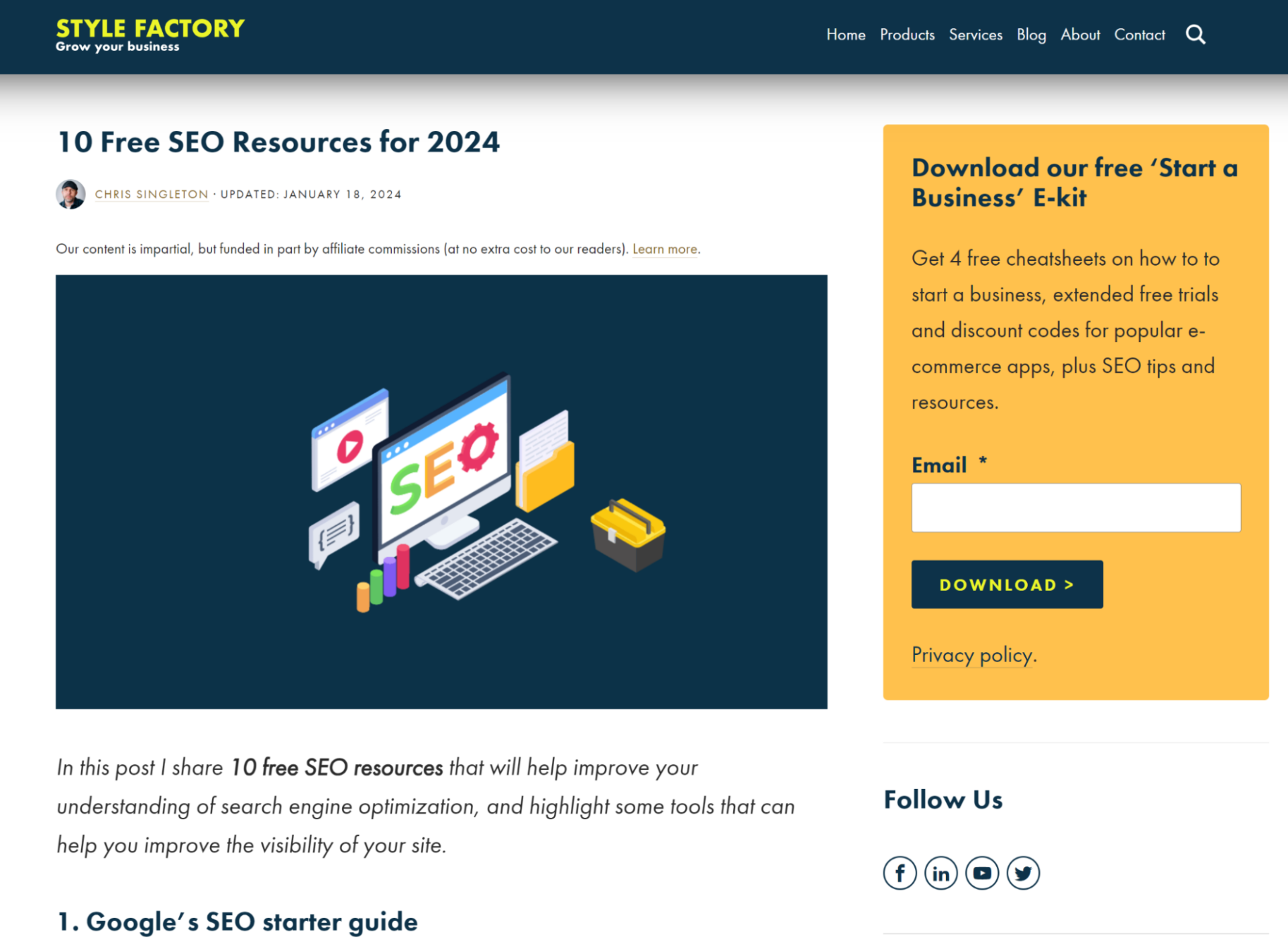
Back in the early days of SEO, resource pages were seen as gold mines for link builders. These pages were curated lists that offered valuable resources and were highly regarded by both users and search engines.
As a result, getting a backlink from a reputable resource page could significantly boost your site’s SEO performance, making it a go-to strategy for digital marketers for years.
However, the popularity of resource pages began to wane due to several algorithm updates from search engines, particularly Google.
These updates aimed to combat link spam and ensure that search results were populated with high-quality, relevant content.
Over time, the sheer volume of links on some resource pages started to dilute their value – even though the page remains an incredible linkable asset for the website owner.
Resource Page Link Building Still Works (Kinda)
Despite Google’s best attempts to curb the influence of resource page link building through various algorithm updates, this strategy retains some of its value in very niche situations.
For example, let’s consider Neil Patel’s resource page listing 78 Link Building Resources.
Neil is well-regarded within the content marketing community and his resource page is meticulously curated to provide users with high-quality, relevant resources.
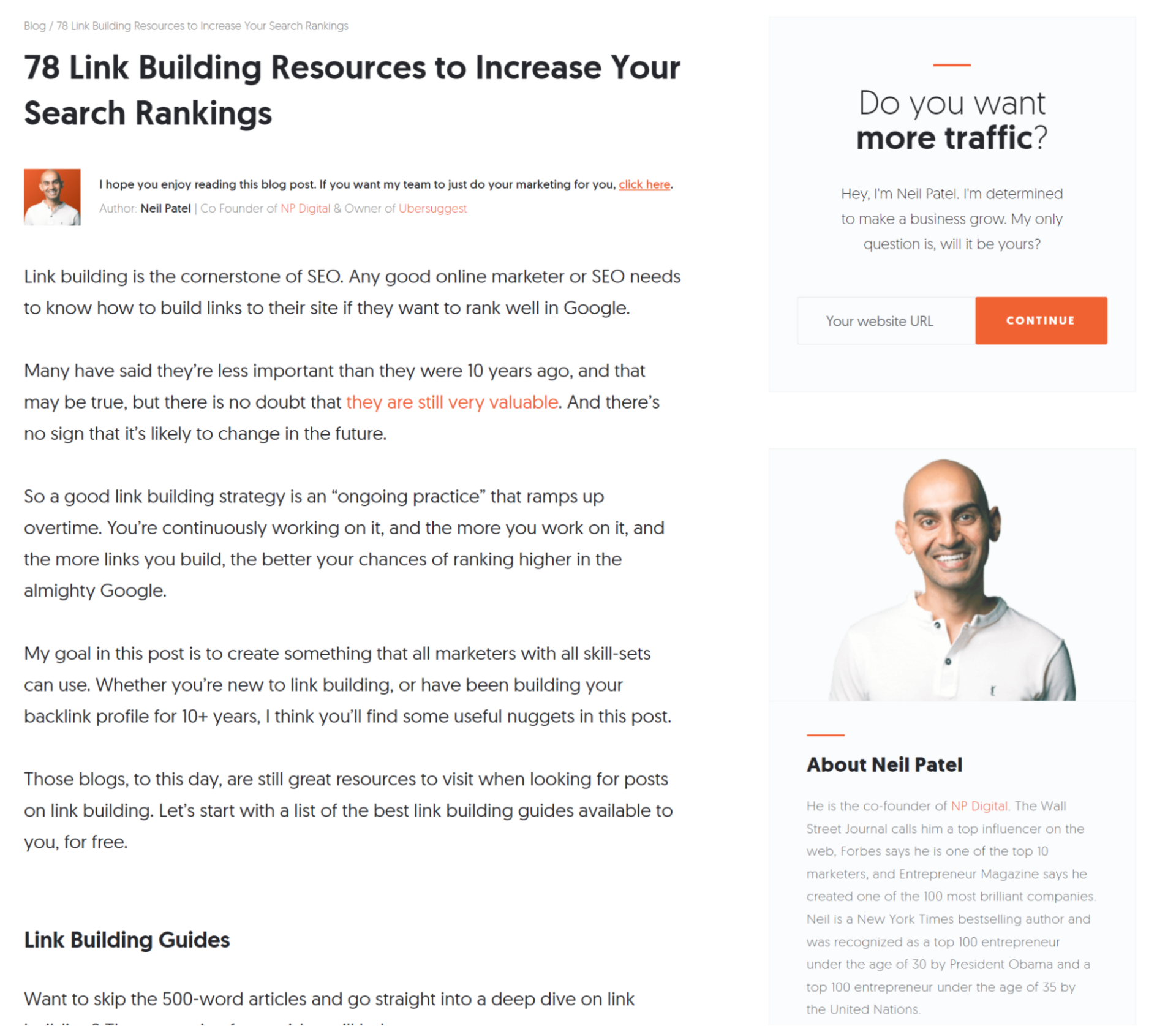
Even if the “link juice” from such a page isn’t as potent as it once was, landing a placement on a relevant resource page run by an industry expert like Neil Patel offers significant benefits beyond just SEO.
This social proof can enhance your site’s authority and make it more appealing to other bloggers and future link prospects.
These pages also tend to attract a highly engaged, niche-specific audience.
Needless to say, directing some of that audience to your website through building links can make all the difference in the world – especially for B2B SaaS tools with steeper monthly pricetags.
Even if you just get one conversion per link, that’s hundreds of dollars added to your MRR.
Additionally, if there are any local directories, getting on them should 100% be part of your local link building strategy.
Listicles Are the New Resource Pages
This is basically what resource page link building evolved into.
Traditional resource pages still work sometimes. If it’s a genuinely curated page on a reputable website with an actual audience behind it, getting a resource page link there can still be valuable.
But most old-school resource pages are just giant lists of outbound links now. They do not rank, they barely get traffic, and half the broken links on the page have probably not been updated in years.
Listicles changed that.
Instead of static resource pages, Google now heavily favors roundup posts, comparison pages, “best tools” articles, and similar types of content in search results. Like this one:
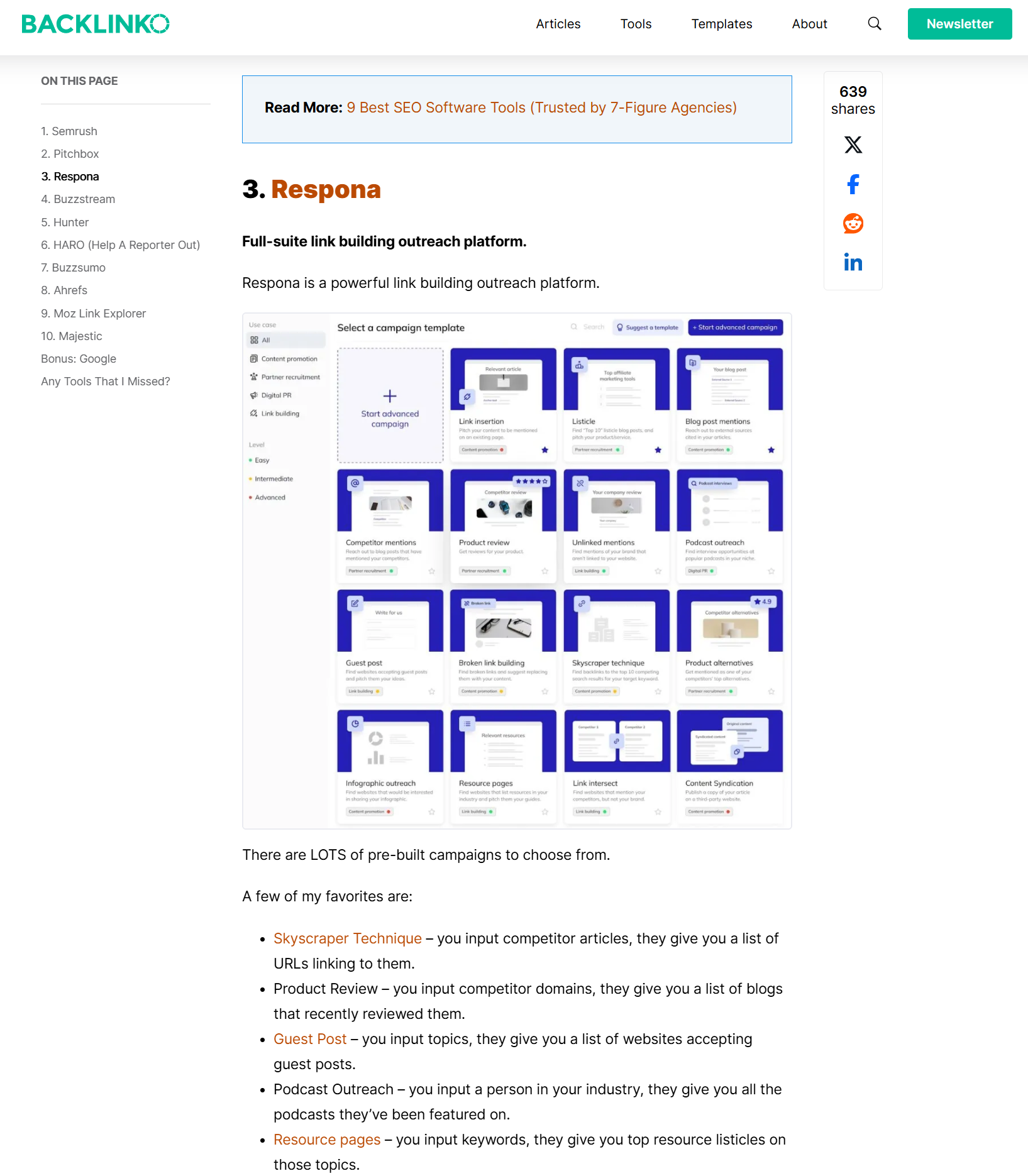
And getting placements on those pages is way more valuable because one link now does three things at once.
First, you get the normal SEO benefit. The page passes link equity and helps your rankings organically through a high quality backlink from a relevant page.
Second, you get targeted commercial traffic.
If someone is already reading a “best X tools” or “top Y services” article, they are usually pretty close to buying something already. So the traffic coming from those pages converts way better than random traffic from a generic resource page.
Third, these pages are heavily used by AI systems.
Google AI Overviews, ChatGPT, Gemini, and other answer engines constantly pull recommendations from listicles already ranking well on Google. So if your product or website gets mentioned on those pages, you increase your chances of showing up in AI generated answers too.
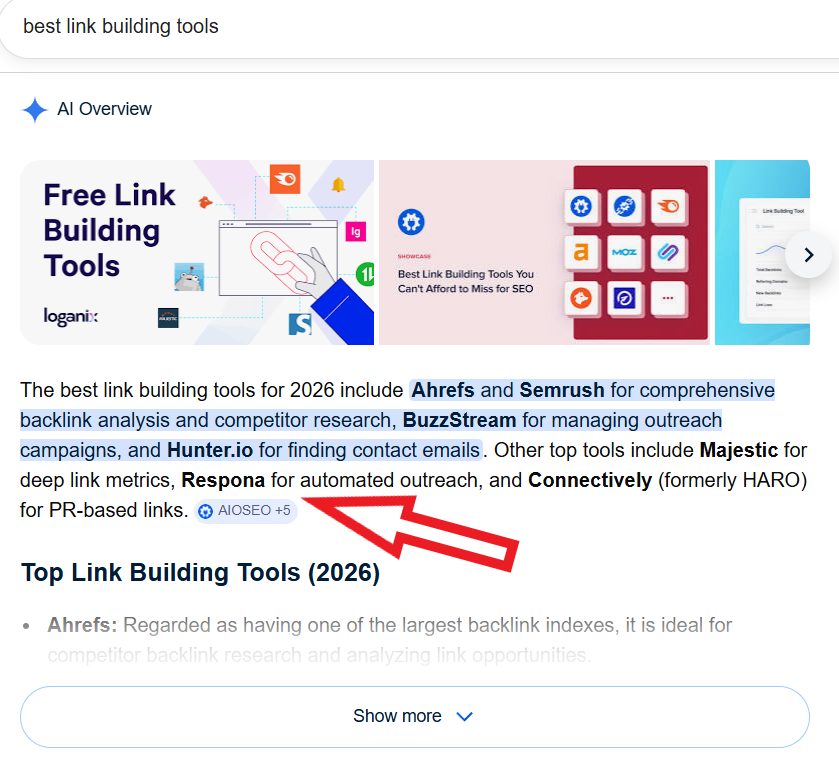
So, by getting this, you are no longer just getting link juice to get a specific page a high spot on SERPs. You are building rankings, referral traffic, and AI visibility all at the same time.
And this is exactly what Respona is built around.
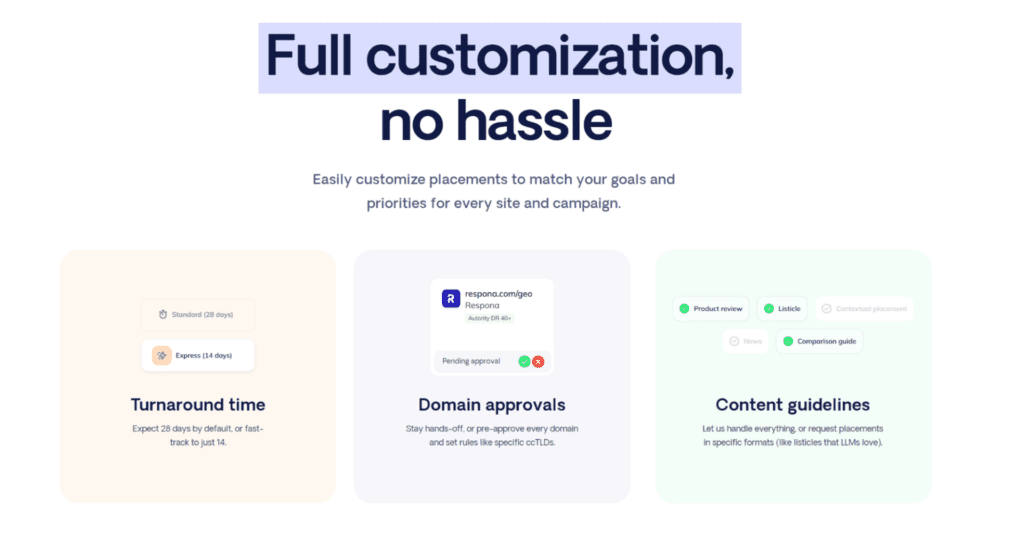
Instead of manually digging through search operators like inurl:resources and trying to do blogger outreach yourself, the process is focused on securing placements on pages that already perform.
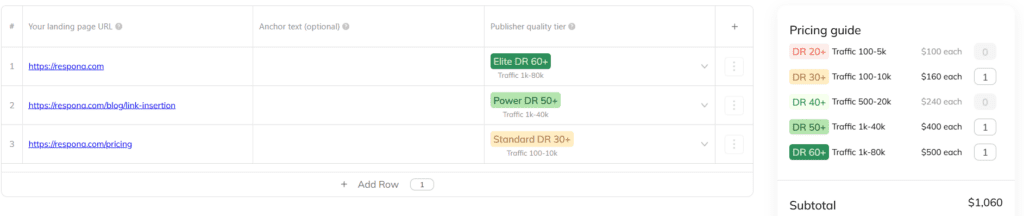
You place an order with your guidelines, target pages, anchor text preferences, and niche requirements, then the team handles the outreach, negotiations, follow-ups, and placements for you.
The campaigns feature makes this even more targeted.
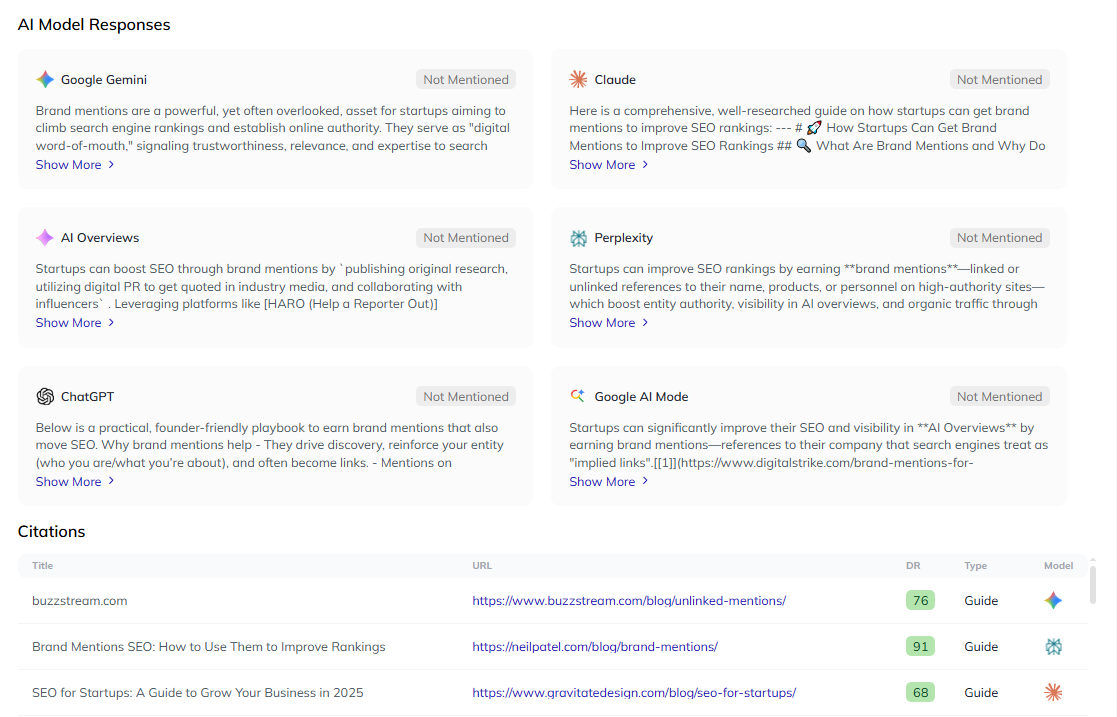
You can enter the queries you care about, and the tool finds listicles and relevant content already ranking in search engine results and already getting cited by AI answer engines.
So instead of chasing random link opportunities, you focus specifically on placements that already have visibility where your audience is searching.
It also tracks your performance across six answer engines over time:
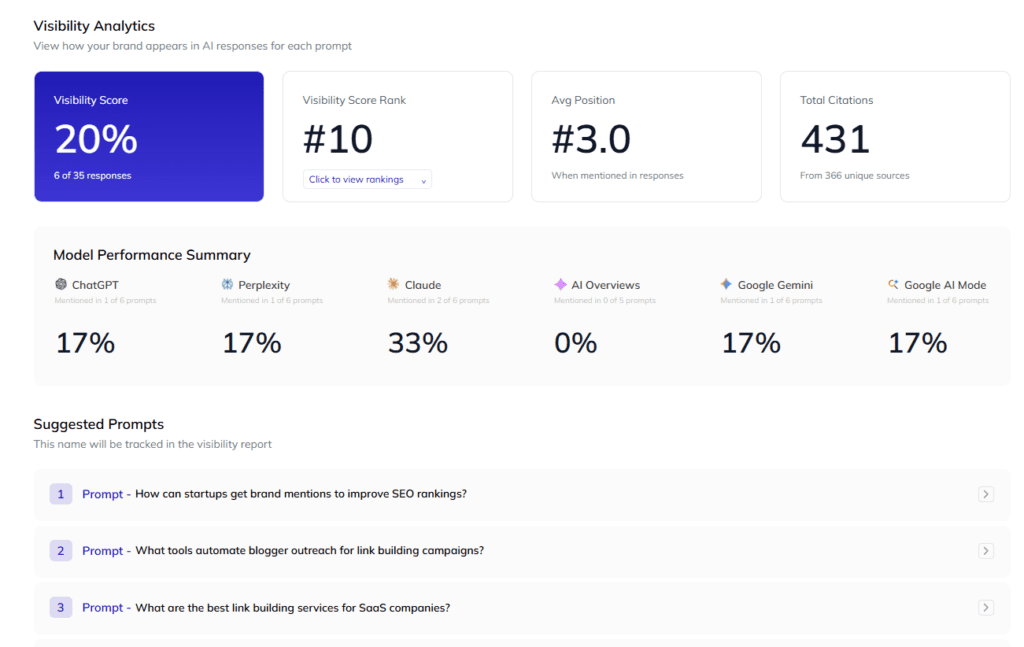
And because it’s pay-per-result, it works whether you need one placement or a much larger link building campaign across multiple pages.
Link building cheat sheet
Now Over To You
So overall, resource page link building still works, just not in the same way it used to.
A quality resource page link from a trusted site can still help your SEO, especially in niche industries. But in most cases, listicles and roundup posts became the stronger version of resource links because they combine rankings, traffic, and AI visibility all at once.
And if you want help securing those placements without spending months on outreach yourself, you can simply place an order and let Respona handle the prospecting, outreach, relationship building, and placements for you.
Frequently Asked Questions (FAQ)
What is Resource Page Link Building?
Resource page link building involves acquiring backlinks from web pages specifically curated to list valuable resources on a particular topic.
These pages are often categorized by niche and aim to provide readers with quick access to helpful and relevant links.
By securing a spot on these pages, your site can gain authoritative backlinks, boosting its SEO and visibility.
Resource Page Link Building Still Effective in 2024?
Yes, resource page link building remains effective in 2024, particularly for niches focused on quality and relevance.
The key to success is targeting high-authority resource pages that curate valuable and relevant content, which can provide SEO benefits and drive targeted traffic to your site.
Additionally, resource pages often make for solid broken link building opportunities because of their external links decay.
How Do I Find High-Quality Resource Pages for Link Building?
To find high-quality resource pages, use advanced search operators like `intitle:resources` or `inurl:resources` combined with your niche keywords on search engine search pages.
Tools like Respona can also automate the process by identifying relevant resource pages and providing contact information for each website owner.
What Should I Include in My Outreach Email for Resource Page Link Building?
In your outreach email, personalize your pitch by addressing the recipient by name, mentioning a specific piece of content from their resource page, and clearly stating the value your resource brings to their audience.
Including a concise and compelling description of your content, along with a link, can increase your chances of getting featured.
Are There Any Risks Associated With Resource Page Link Building?
While resource page link building is generally safe, there are risks if you target low-quality or spammy pages, which could hurt your Google search engine ranking.
Always ensure the resource pages you aim for are reputable, relevant to your niche, don’t have any broken links and are regularly updated to maintain the highest SEO benefits.
Alternative, you can use a link building service to manage the process for you or invest in an SEO tool like Respona to speed up your own blogger outreach process.
What makes a good resource page for link building?
A good resource page is highly relevant to your niche, curated carefully by the website owner, and filled with genuinely helpful links instead of spammy outbound links.
Are resource page links still considered quality backlinks?
Yes, but only when they come from reputable websites with relevant content and real traffic. Random low-quality resource pages usually do very little now.
What is the difference between resource link building and guest posting?
Resource link building focuses on getting placements on curated resource pages or listicles, while guest posting involves publishing entirely new content on another website.
Can resource pages help with broken link building?
Definitely. Many resource pages eventually accumulate broken links over time, which creates strong broken link building opportunities through outreach.
How do you find resource page link opportunities?
Most people use search operators like inurl:resources, keyword intitle:links, or SEO tools like Content Explorer to find relevant resource pages and link opportunities.
Why are listicles better than traditional resource pages now?
Because listicles usually rank directly in search engine results, attract commercial traffic, and get referenced by AI systems much more often than static resource pages.
What should outreach emails to website owners include?
Good outreach should explain why your content is actually useful for their audience, how it improves the page, and why it deserves to be added as a valuable resource.
Do resource page links still help local SEO?
Yes. Local directories and niche resource pages can still be a strong part of a local link building strategy, especially for businesses targeting regional traffic.
What type of content works best for resource link building?
Usually link worthy content, useful guides, original research, tools, templates, and genuinely valuable content perform best because website owners are more likely to link to them naturally.