
I remember when ChatGPT just became public. And the first time AI overviews started appearing in Google search.
I was panicking.
Were all my SEO efforts completely nullified by Google’s decision to shift towards AI search results?
It felt that way for a while, but now I know that’s not really the case. In fact, we started getting more traffic since.
AI has definitely made SEO a little different. But in the grand scheme of things, not by too much.
In the end, what gets rewarded is quality content. Once you’re in the top 10, you’ll start getting picked up by Google AI overviews, ChatGPT, Claude, and all the other answer engines.
From there your traffic just snowballs.
Let’s dive deeper into how to make it happen.

Link building cheat sheet
What is Answer Engine Optimization (AEO)?
Answer engine optimization (AEO) is the process of optimizing your content for AI-powered answer engines and AI search engines.
Instead of trying to rank your content at #1 in a traditional search engine, you’re trying to get it captured by an AI overview (aka position zero), as well as by other answer engines like ChatGPT, Claude, Bing Copilot, and so on.
Yes, answer engines “steal” some of your clicks by quoting your content right in the SERP or in the answer engine’s UI.
But at the same time, they provide you with visibility.
Imagine this: a user asks ChatGPT “what is the best tool for AI optimization?” and your software shows up.
That’s what it’s about.
You’re not just trying to rank in Google or another traditional search engine, you’re trying to get quoted.
How Does Answer Engine Optimization Work?
Answer engine optimization works by making it easy for AI systems to understand what question your content answers, and confident enough to quote it as a direct answer.
When someone searches in Google, uses Google AI Mode, or asks ChatGPT something, the system is almost always trying to answer a question, even if it doesn’t look like one at first glance.
“Answer engine optimization” usually means “what is answer engine optimization?”
“Best AEO tools” means “which tools should I use?“
“AI search optimization” means “how do I improve AI search visibility?”
If your content makes that obvious, you’re already golden.
From there, the AI looks for a short, clean answer it can reuse. Something that stands on its own without extra context. That’s why the first few sentences under a heading matter so much.
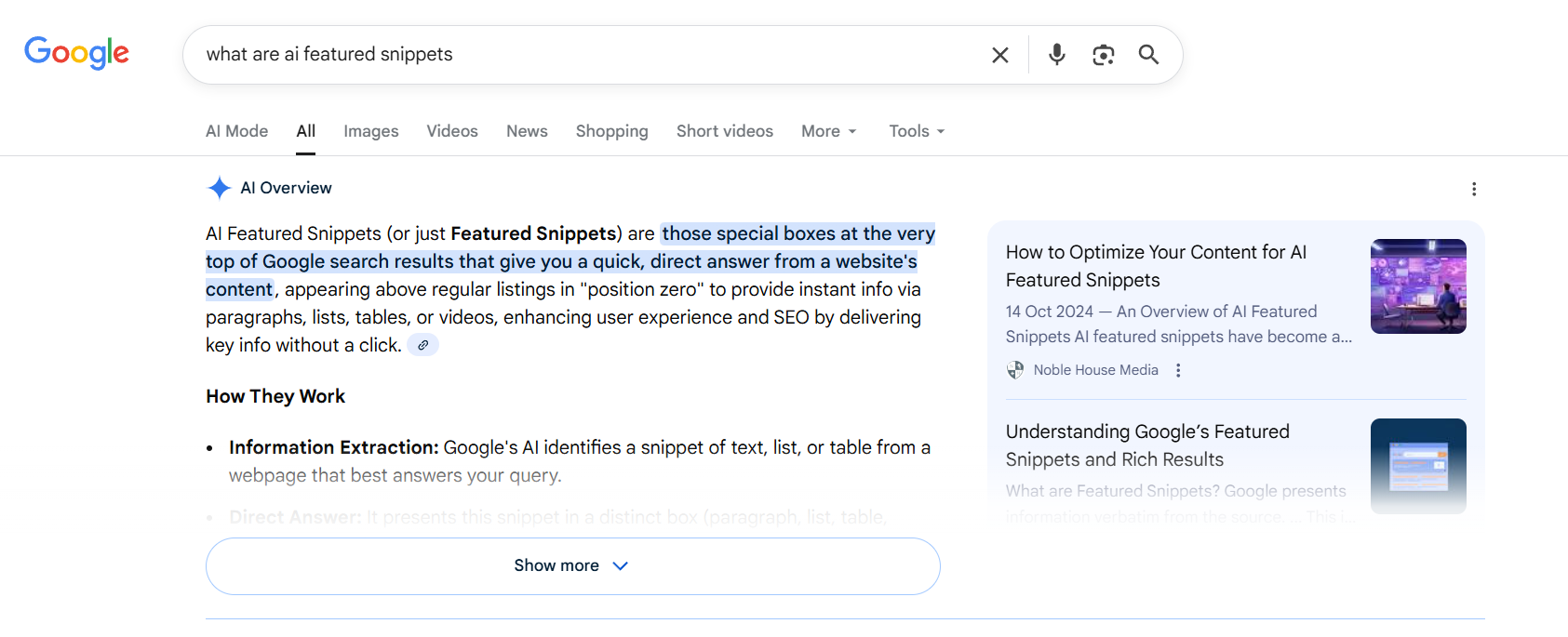
Remember featured snippets and the answer box? That’s essentially what it is, but powered by a large language model..
But clarity alone isn’t enough.
Answer engines still rely heavily on trust signals like rankings, backlinks, brand mentions, and technical SEO. In practice, that’s why most AI responses come from pages that already rank near the top.
Which brings me to the next section.
Is Answer Engine Optimization Different From Search Engine Optimization (SEO)
Short answer: yes, but not in the way most people think.
Answer engine optimization is not a replacement for SEO. It’s an extension of it.
Search engine optimization is about getting your content discovered. Ranking on Google. Showing up when someone searches for something relevant.
AEO starts after that.
Once your page is visible, AEO is what helps AI systems decide whether your content is good enough to quote in an AI overview, ChatGPT answer, or voice response.
That’s the key difference.
With traditional SEO, the goal is clicks from a search result.
With AEO, the goal is being the answer.
But here’s the important part: you can’t do AEO without SEO.
Answer engines still depend on classic SEO signals. Rankings, backlinks, brand authority, technical health, and structured data all matter just as much as they did before.
That’s why most AI answers come from pages that already rank in the top results of search engines.
My Top 3 Answer Engine Optimization Strategies
Answer engine optimization is fairly simple. To get picked up by answer engines, you just need clear, human content that precisely answers particular user questions.
As long as you’re ranking somewhere in the top 10, of course.
I won’t mention too many other SEO factors for the sake of brevity. To learn more about those, refer to my other guides on:
Optimize for AI Overviews
Optimizing for AI overviews is the most important part of answer engine optimization.
If you want to win at AEO, this is where most of your effort should go.
AI overviews are basically featured snippets on steroids. Google looks at the top results, pulls the clearest answers from multiple pages, and blends them into one AI summary.
Your goal is simple: make sure your content is one of those answers.
It starts with clarity.
Every important section on your page should answer one specific question. Ideally, that question is the heading, and the answer comes immediately after in a short paragraph.
Not buried, not teased. Just a concise answer.
Think 40–60 words. Clear. Direct. Human.
If Google can lift that paragraph and drop it into an AI generated answer without rewriting it, you’re doing it right.
Lists help too, but only when they make sense. Keep them short. Put them right after a clear heading. No fluff before or after in an AI generated response.
Tables work especially well for comparisons, but only if they’re actual tables. If Google can’t extract the data cleanly, it won’t use it.
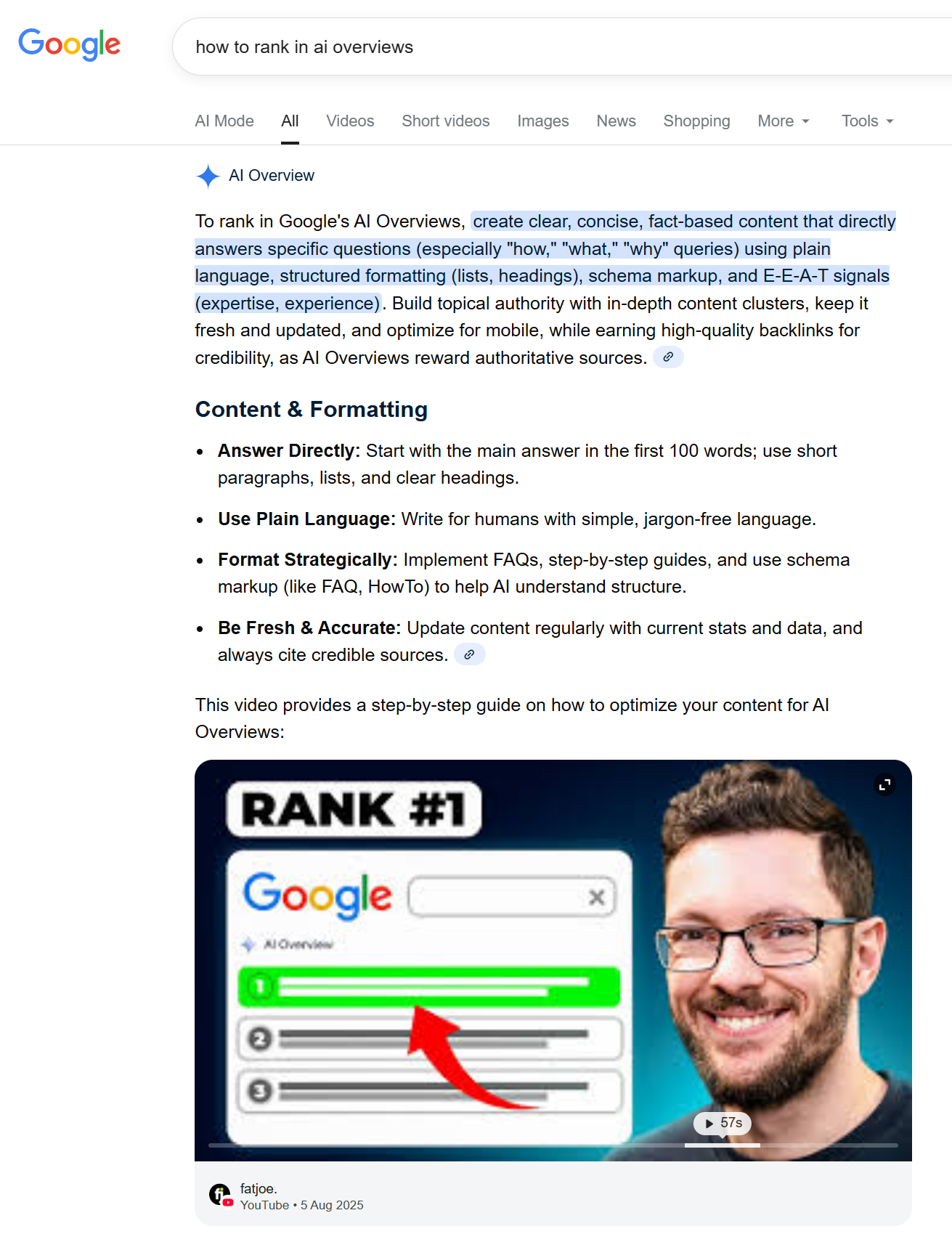
The average AI overview consists of an introductory paragraph, a list, and a video.
If you have all three in your content, you have a pretty good chance to get quoted.
Multilingual SEO matters more here than most people realize.
AI overviews don’t only pull from English results. If your content exists in multiple languages and answers the same questions clearly, you increase your chances of being picked up across different markets by AI search engines.
And one last thing that matters more than people think.
Your content has to sound human.
Over-polished, stiff, or obviously AI-written text might rank, but it rarely gets pulled into overviews. Google’s AI is looking for clarity, not cleverness.
If a human can read your answer and instantly think “yeah, that makes sense”, chances are an AI overview will think the same.
That’s pretty much it. The rest comes down to actual SEO.
Ensure Top-Notch Technical SEO
AEO won’t save you if your technical SEO is a mess.
Answer engines use AI crawlers to understand and trust your site before they ever quote it. If Google struggles to read your pages, AI overviews won’t touch them.
Make sure your site is fast, mobile-friendly, and easy to crawl. Clean HTML matters more than people think, especially for things like lists, tables, and headings that AI systems rely on to extract answers.
Structured data helps too.
Schema doesn’t guarantee you’ll get featured, but it makes it much easier for AI systems to understand what your content is about and where the answers live.
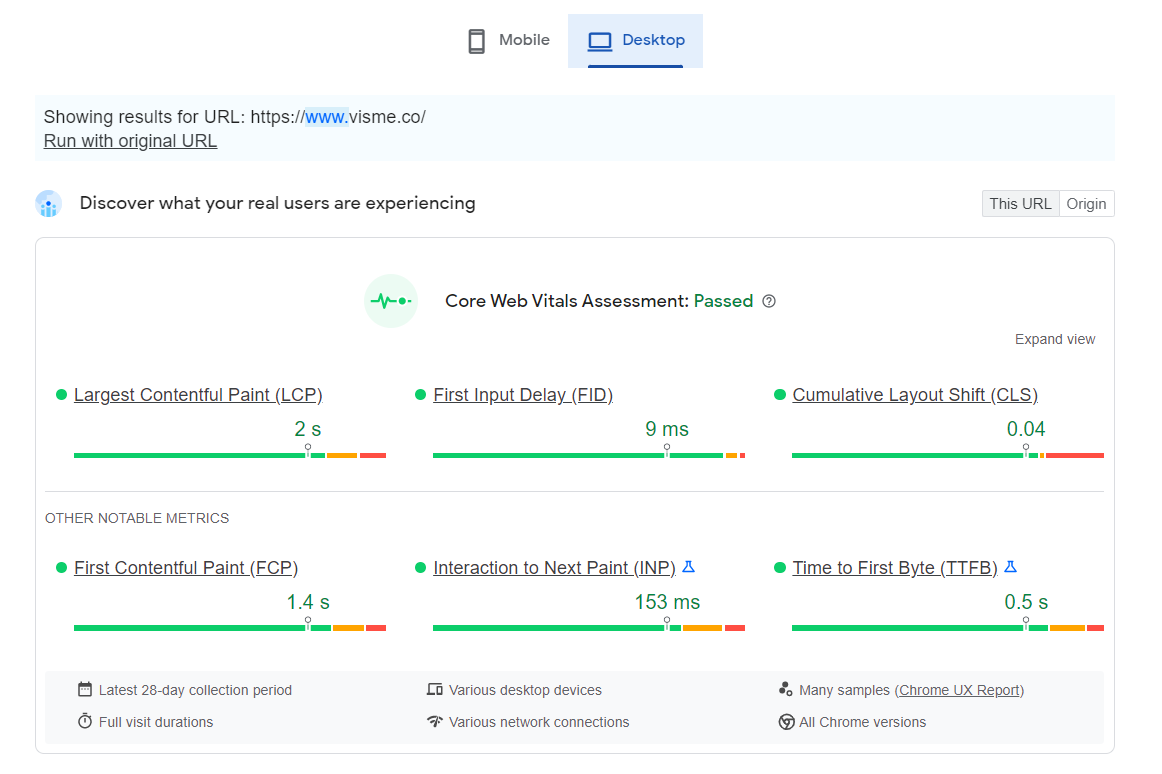
And don’t forget page speed. If your site is slow, it won’t rank.
Use Google Search Console and Pagespeed Insights to monitor performance.
Get High-Quality Brand Mentions
This part hasn’t changed. If anything, it’s become even more important.
Backlinks are still a core part of Google’s algorithm. Always have been. And with the shift to AI overviews, their importance didn’t go down, it went up.
The big difference is where the bar is now.
You no longer need to rank #1 to get visibility. You just need to be in the top 10 for your content to be considered by AI overviews and other answer engines.
And getting into the top 10 usually requires far fewer links than fighting for the top spot.
That’s where brand mentions come in.
High-quality brand mentions are the most powerful form of link building today. When authoritative sites talk about your brand, Google’s AI picks up on that trust, even if the link isn’t perfectly optimized.
In some cases, you don’t even need your own page to rank.
If another website’s article that’s ranking on page one mentions your brand as a tool, resource, or example, answer engines can still quote you based on that mention. The AI is pulling from trusted pages, not just your site.
That’s a massive shift most people are missing.
This is exactly why we focus so heavily on brand mentions at Respona.
Manually earning placements on relevant, authoritative sites is still the fastest way to build trust with Google’s AI. It’s also the hardest part to do consistently on your own.
If you want your brand to be recommended by AI overviews, ChatGPT, and other answer engines, high-quality brand mentions are the shortcut.
Place your first order with us and let us help you get your brand mentioned where it actually matters.
It’s completely hands-off for you. We manage everything: outreach, prospecting, negotiations. You pay for results.
Link building cheat sheet
Now Over To You
It’s simply the next layer on top of it.
If you focus on clear, human answers, solid technical foundations, and high-quality brand mentions, answer engines will naturally start picking you up. Do that consistently, and visibility from AI overviews becomes a growth channel, not a threat.
That’s where SEO is heading. And honestly, it’s a good thing.
Frequently Asked Questions (FAQ)
What is the main goal of Answer Engine Optimization (AEO)?
The goal of AEO is to get your content quoted by AI answer engines, not just ranked in search results. Instead of chasing clicks alone, you’re aiming to become the answer users see first.
Do I need to rank #1 to appear in AI overviews?
No. In most cases, ranking in the top 10 is enough to be considered. AI systems pull answers from multiple high-ranking pages, not just the top result.
Does AEO replace traditional SEO?
Not at all. AEO builds on top of traditional search engine optimization and depends on the same foundations like rankings, backlinks, structured data and technical health. Without SEO, AEO doesn’t work.
Does AI-generated content hurt AEO?
Not inherently, but unedited AI content usually does. Answer engines favor clear, natural-sounding answers, and raw AI text often feels stiff or vague.
Are backlinks still important for AEO?
Yes, more than ever. Backlinks and brand mentions are core trust signals for Google’s AI, generative AI systems, and other AI search engines and they heavily influence which sources get quoted in AI overviews and answer engines.