
Manual link building takes a ton of time – that’s no secret.
What seems to be the secret, though, is how you can speed it up.
In this guide, we’ll share why manual link building is worth the investment (but only if you know what you’re doing), the challenges of manual link building, and a better way to get results without the time investment.
Let’s get started.
Key Takeaways:
- Manual link building still works, but the return on investment has narrowed. Links remain a core ranking factor, yet ranking in the top 10 alone no longer guarantees the visibility it once did.
- The new prize is appearing in Google AI Overviews, and only a very specific type of link gets you there: structured brand mentions on articles already cited by answer engines.
- Doing it yourself means assembling your own toolset (email finding, outreach automation, and tracking), which runs into hundreds of dollars per month before you secure a single link.
- The hardest part isn’t the tools, it’s the value exchange. Nobody links to you for free from a commercial page, so you need to offer something of equal value in return.
- A done-for-you link building service skips the time sink and the tool stack entirely, delivering editorial backlinks on the exact pages that move both rankings and AI visibility.
Link building cheat sheet
Is Manual Link Building Worth the Hassle?
Manual link building is undeniably labor-intensive, but the benefits can be well worth the effort. Provided you know exactly what you’re doing, of course.
In the competitive digital landscape, having a strong backlink profile can be a game-changer.
A solid link building strategy offers several crucial advantages:
Elevating Search Engine Rankings
Backlinks are a fundamental part of Google’s algorithm, impacting a page’s authority and relevance.
High-quality backlinks from credible sites can significantly boost your rankings, making it easier for customers to discover your content.
Getting AI Citations
This is the newest, and arguably most valuable, reason to invest in manual link building today. When someone asks ChatGPT, Perplexity, or Google AI Overviews for a product recommendation, the answer is assembled from sources those engines consider authoritative.
Earning a mention in those sources is how your brand shows up in AI-generated answers.
Here’s the catch: only structured brand mentions drive AI citations. A generic backlink buried in a footer or a low-relevance blog won’t move anything.
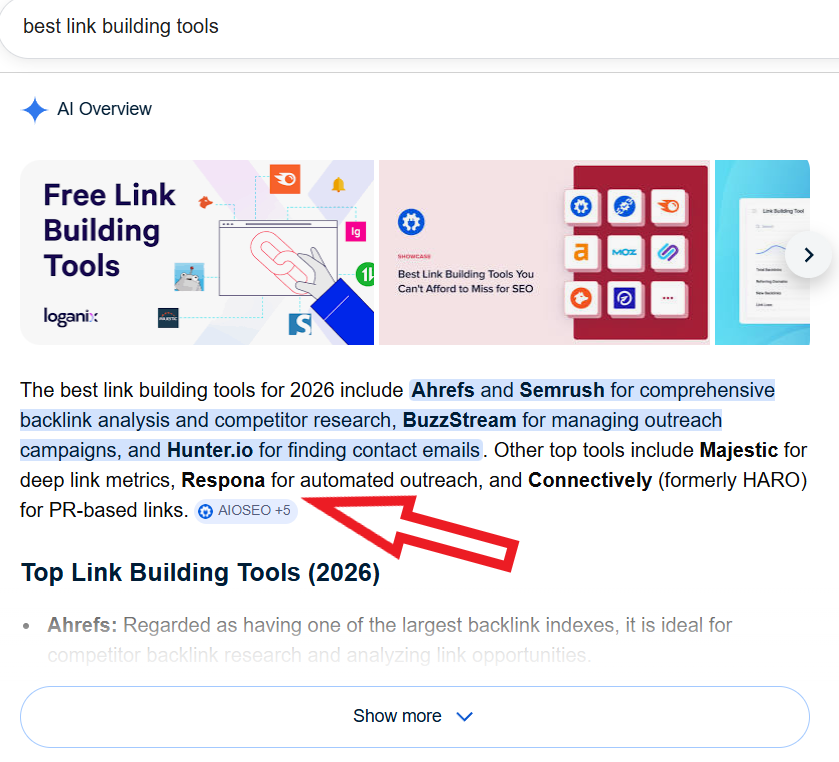
You need structured mentions inside articles that answer engines are already pulling from, which means you have to know exactly which articles those are before you reach out. This is where knowing what you’re doing separates results from wasted effort.
And even once you’ve identified the right relevant websites, getting them to link to you is hard work. These are commercial pages, and nobody links to other people for free from a page that earns them money.
You have to offer something of equal value in return, whether that’s a reciprocal mention, original data, an expert contribution, a broken link replacement that fixes a dead link on their page, or genuinely useful content that improves their article.
Enhancing Domain Authority
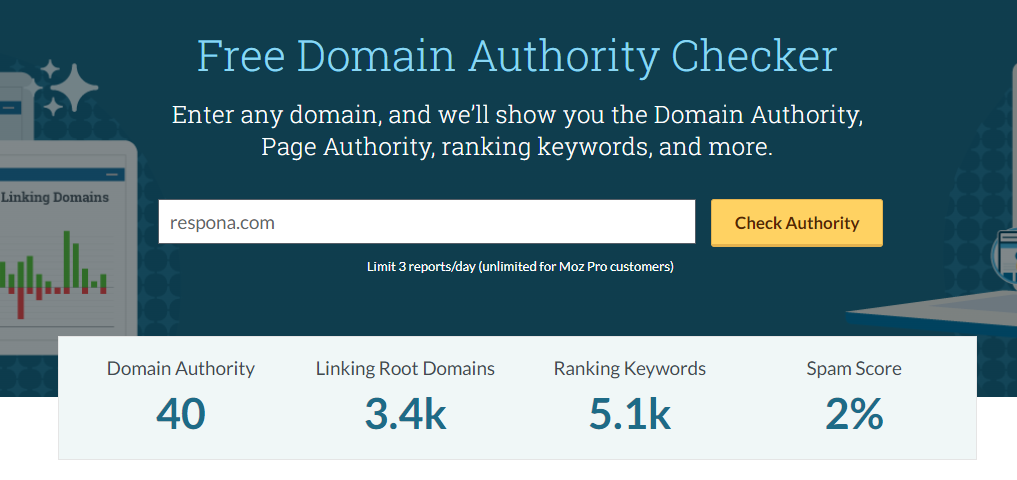
While Google no longer shares PageRank scores, metrics like Domain Authority (DA) from Moz and Domain Rating (DR) from Ahrefs indicate your site’s trustworthiness based on its backlink profile.
More quality links translate to higher DA or DR, increasing your chances of outranking competitors in search results.
Driving Referral Traffic
Referral traffic comes from users who find your site via links from other relevant websites.
This traffic is highly targeted because users are engaging with content they’re already interested in.
Increased referral traffic can lead to more social media followers, newsletter sign-ups, and even direct conversions.
Manual Outreach Link Building Challenges
Time-Intensive
Even with the best tools, manual link building and digital PR demands significant time and dedication.
Typically, you need at least one team member fully engaged to secure 5-10 quality links weekly.
This involves extensive tasks like finding opportunities, collecting contact details, personalizing blogger outreach emails, selecting anchor texts, tracking exchanges, and crafting guest posts.
Simply put, it’s a time sink that requires focused efforts.
Requires Niche Knowledge
While not technically difficult, manual link building is tedious and demands industry knowledge.
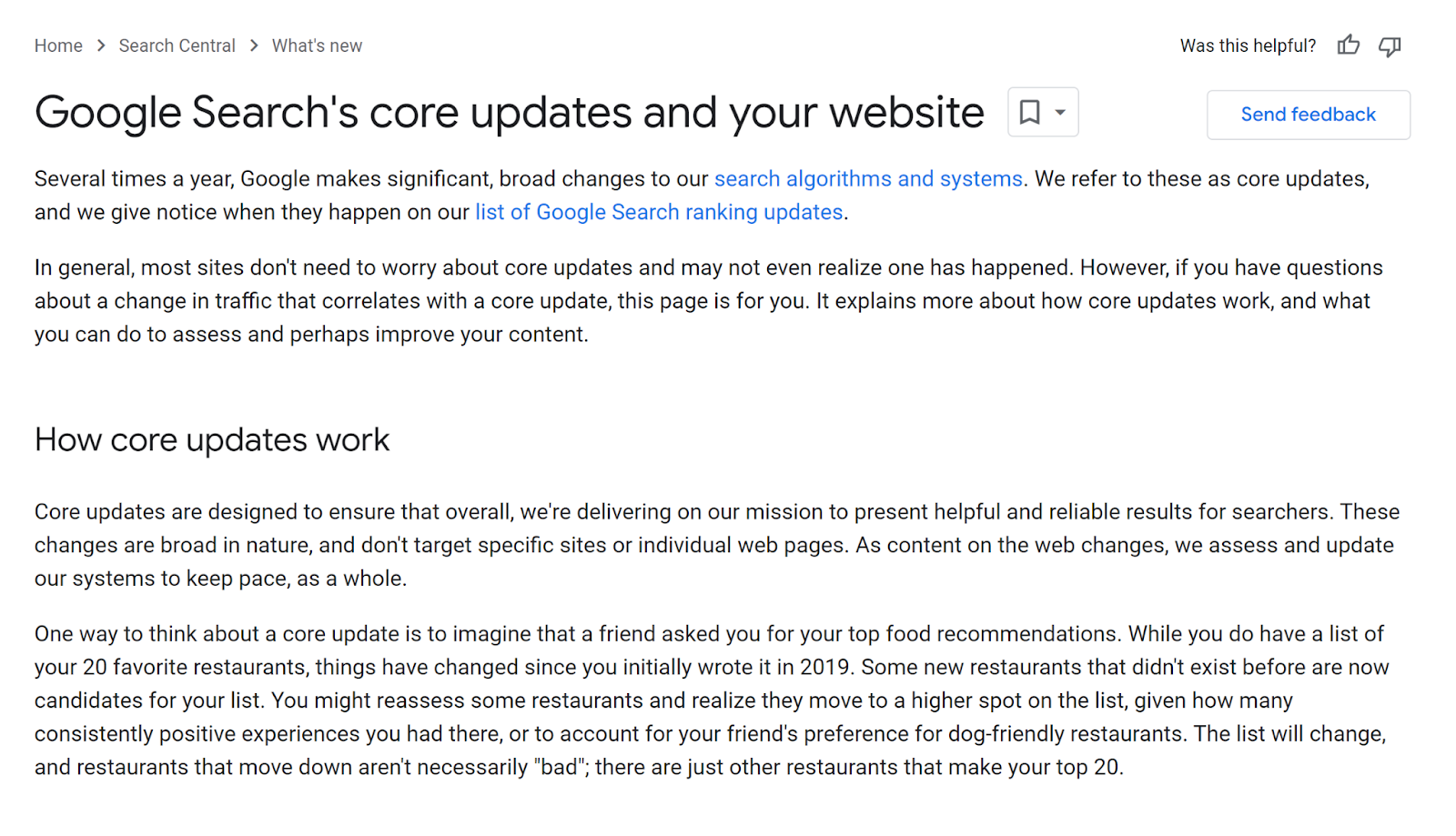
The SEO landscape changes frequently, making it vital to stay updated with Google’s latest updates.
It’s crucial for your team or the individual handling the task to be well-versed in these changes to ensure effectiveness.
Constant Adaptation Required
Navigating the ever-evolving world of SEO means your strategies need regular updates. Google’s frequent algorithm updates can disrupt your current strategy.
To avoid wasting resources, you must be prepared to adapt and devise new approaches when necessary.
While local SEO remains relatively stable, other aspects of SEO require ongoing vigilance and flexibility.
Requires Its Own Toolset
Manual link building isn’t just a time investment, it’s a financial one too, because the process requires its own dedicated toolset that adds up fast.
At minimum, you’ll need:
- An email finder to locate verified contact details for each website owner or editor (tools like Hunter or SalesQL run $30-$100+/month).
- Outreach automation to manage your sending sequences, anchor text variations, follow-ups, and reply tracking (most quality platforms start around $50-$200/month).
- A backlink analysis tool like Ahrefs or Semrush to vet prospects and monitor your backlink profile ($99-$199+/month).
- An SEO tool or two for keyword and competitor research to find link acquisition opportunities that search engines reward in the first place.
Stack these together and you’re easily looking at several hundred dollars per month before you’ve secured a single link.
For a small team running manual outreach in-house, the tooling cost alone can rival the price of outsourcing the entire effort, which is worth keeping in mind when you weigh the true cost of earning links yourself.
Can Waste Time & Resources
Here’s the uncomfortable truth about manual link building in 2026: it’s easier than ever to pour time and money into it and get a very small return.
Don’t misunderstand: quality backlinks are still a core part of Google’s algorithm, and actively earning quality backlinks still gives you a real advantage over competitors who don’t.
That part hasn’t changed. What changed is what “winning” looks like.
Just ranking in the top 10 isn’t enough anymore.
The top of the page is increasingly occupied by Google AI Overviews, and if you’re not cited there, you’re invisible to a growing share of searchers no matter how well your individual content ranks.
AI engines pull from content they trust, so the quality and placement of that content matters more than ever.
And only a very specific type of link gets you into those AI answers: structured, contextual mentions on articles answer engines already trust.
Pages like these:
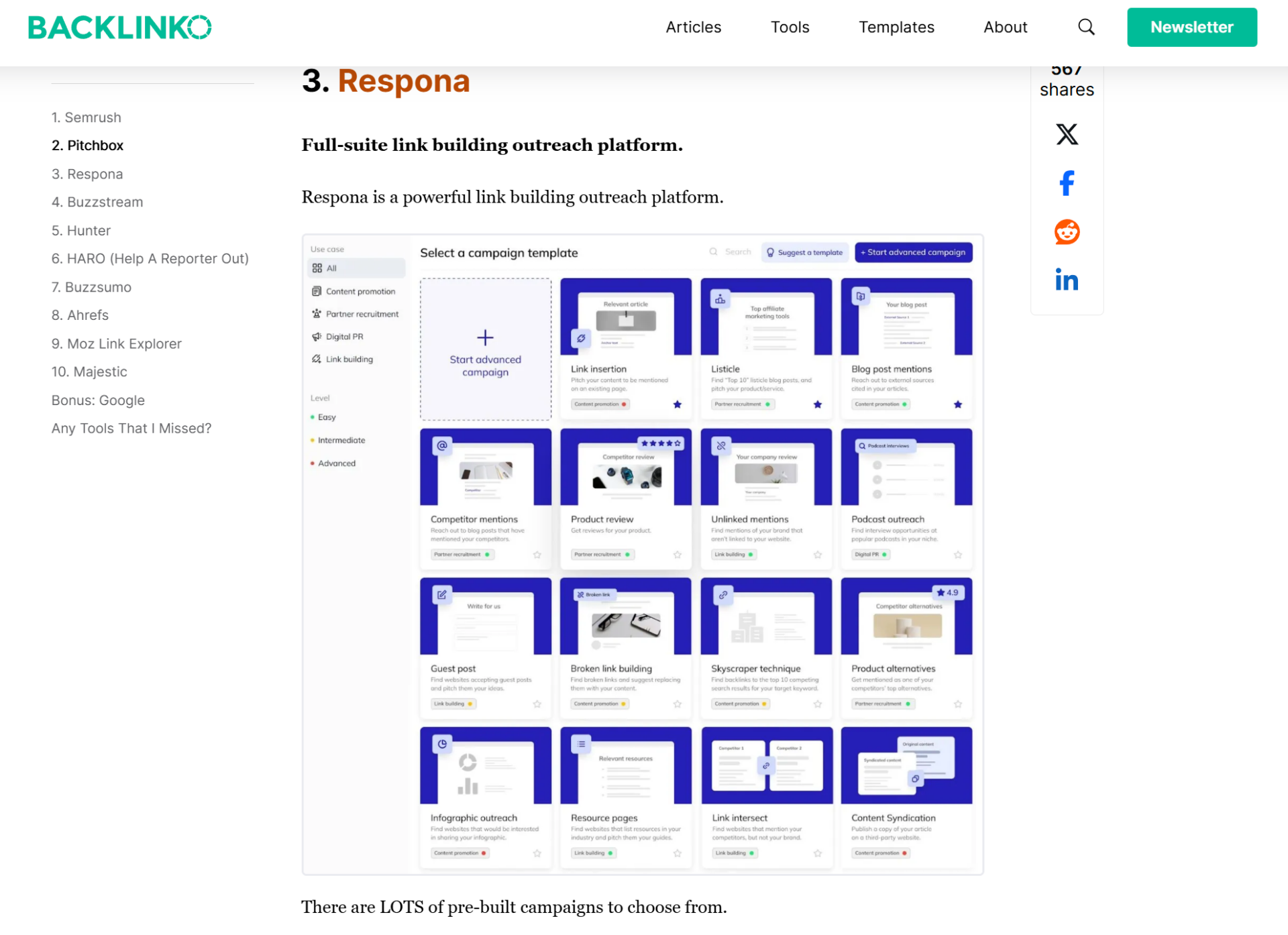
So it’s really easy waste resources.
Teams chase link quality metrics like DR and DA in isolation, landing technically strong backlinks that do little for AI visibility because they’re on the wrong pages.
A high quality link on a page no answer engine cites is worth far less than it used to be. Without a clear strategy targeting the right placements, you can rack up manual backlinks that look great on paper and still see a disappointing return on investment, simply because search itself changed underneath you.
A Better Way to Get Links
If the time investment, the tool costs, and the strategic complexity all sound like more than you want to take on, there’s a simpler path: a done-for-you link building service that handles the entire pipeline for you.
Unlike most link building services that hand you a tool and wish you luck, a true manual link building service does the actual outreach on your behalf. The best link building services own the value exchange so you don’t have to.
That’s exactly what we built Respona to do. Here’s how it works:
1. Tell us what you want to promote.
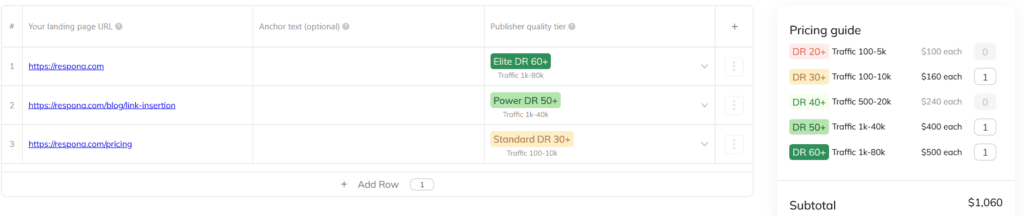
Register and place an order with your target URLs, your preferred anchor text, and (optionally) the AI prompts you want your brand cited for.
You control the anchor text mix so every placement aligns with your broader link building strategy. There’s no monthly retainer or setup fee.
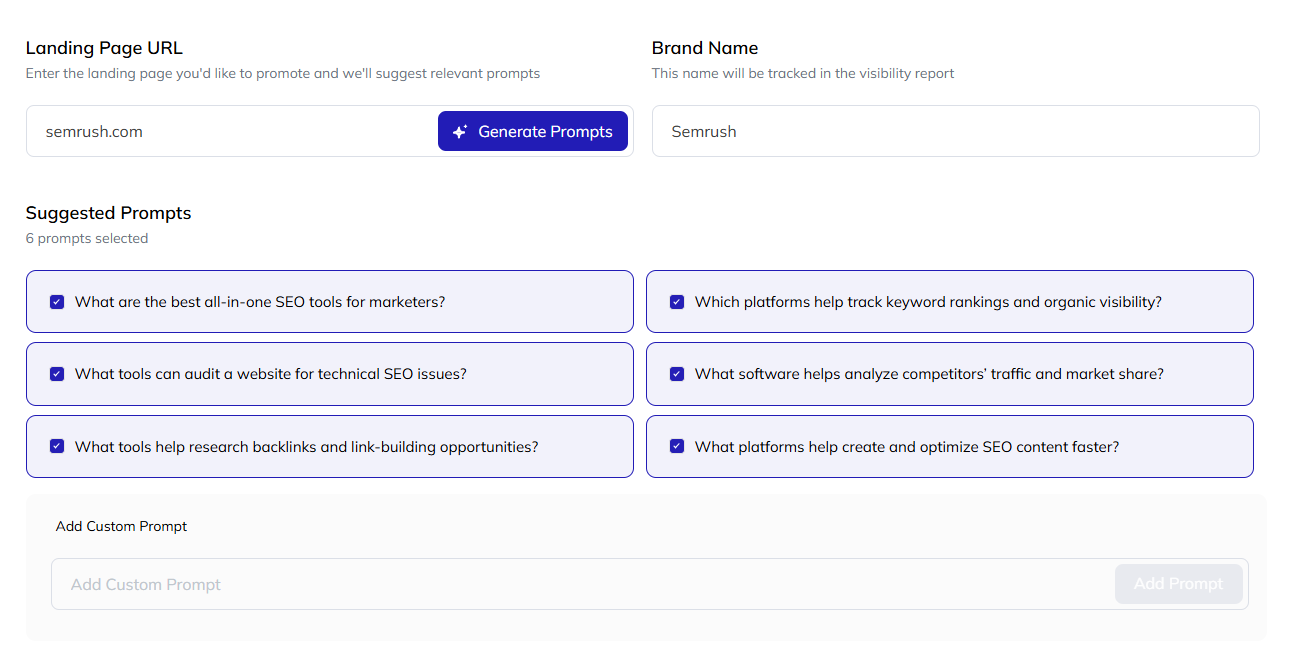
2. Our tool finds the right placements automatically.
Respona’s prospecting engine identifies articles that already rank for your target queries AND already get cited in AI-generated answers from engines like ChatGPT and Perplexity.
Every prospect is filtered for domain authority, content relevance, and active traffic on the linking page. This is the part that solves the “which articles actually matter” problem we covered earlier.
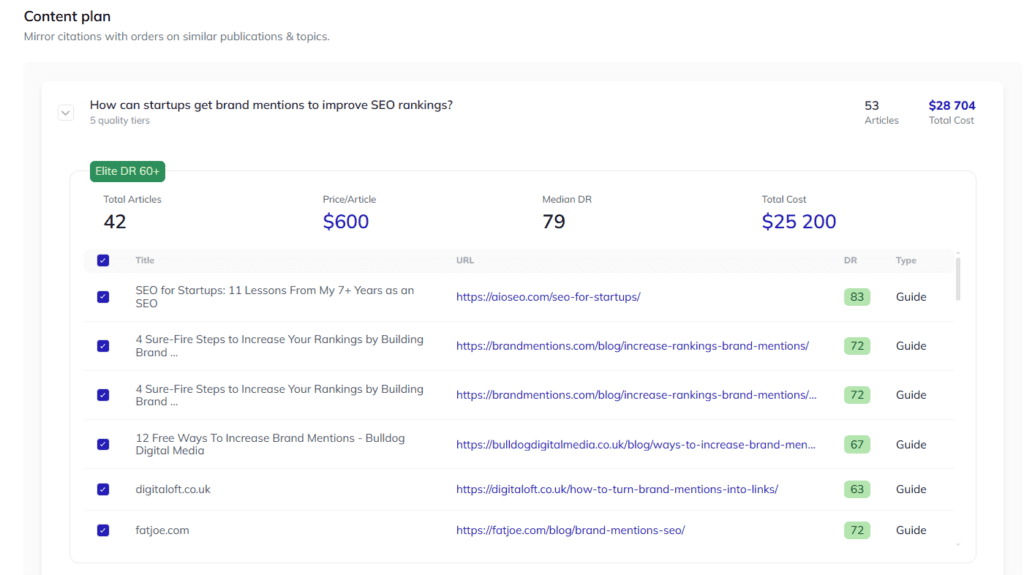
3. Review and approve, or skip straight to ordering.
You can review each opportunity and approve the ones you want, or place orders for placements within a specific DR and traffic range and let us take it from there.
4. Our team handles the value exchange.
Prospecting, outreach, follow-ups, negotiations, and securing the placement.
Because we know nobody links from commercial pages for free, our experienced link builder team manages the entire give-and-take that earns editorial links on reputable websites with real traffic.
5. Track your AI visibility over time.
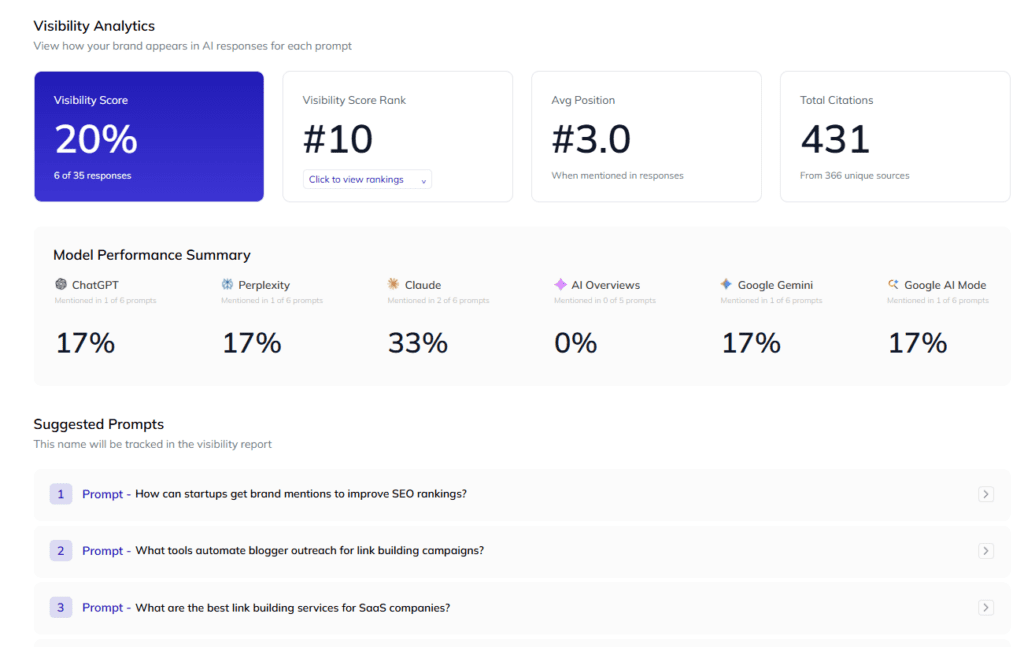
The platform monitors your brand citations across six AI engines (ChatGPT, Perplexity, Google AI Overviews, Gemini, Claude, Microsoft Copilot), so you can see which placements are actually moving your visibility.
Pricing is pay-per-placement, starting at $100 per link (DR 20+) and scaling to $500 (DR 60+), with no retainer. Around 80% of customers are agencies white-labeling the service to their own clients.
Now Over to You
Manual link building is still worth the effort, but only if you have the time, the tools, and the strategic know-how to target the right placements. For most teams, the honest math points toward outsourcing the part that’s hardest to do well.
If you’d rather skip the time sink and the tool stack entirely, our done-for-you link building service handles prospecting, outreach, and live placement on the articles that move both search rankings and AI visibility.
You pay per link delivered to your specs, with no monthly retainer or setup fees.
Place your first order to get started today.
Frequently Asked Questions (FAQ)
What is manual link building?
Manual link building involves actively seeking opportunities to acquire backlinks from other websites to your site.
This process is intentional and requires personal outreach, aiming to build high-quality, relevant links that boost your site’s authority and search engine rankings.
Why is manual link building important for SEO?
Backlinks are a key factor in Google’s ranking algorithm, helping to establish site authority and improve visibility in search results.
Manual link building focuses on acquiring high-quality, relevant links, which are more valued by search engines than automated, low-quality links.
How does manual link building differ from automated link building?
Manual link building requires a personalized approach, reaching out to individual site owners or editors to request links.
Manual link building techniques include the skyscraper technique, broken link building, etc.
In contrast, automated link building uses software tools to generate links with minimal human involvement, often resulting in lower-quality links that may not align with your site’s goals.
What are some effective strategies for manual link building?
Effective strategies include guest posting, collaborating on content creation, engaging on forums and communities, and building relationships with industry influencers.
These methods focus on creating valuable content and connections, leading to natural, high-authority links.
How can I measure the success of my manual link building efforts?
Success can be measured by tracking metrics such as the quantity and quality of backlinks acquired, improvements in search engine rankings, and increases in referral traffic. Utilizing tools like Google Analytics and high quality backlink analytics software helps monitor progress and adjust strategies accordingly.
How much does manual link building cost to do in-house?
Beyond the salary of whoever runs it, you’re looking at several hundred dollars per month in tools: an email finder, outreach automation, and a backlink analysis tool at minimum. For many small teams, that tooling cost alone makes a done-for-you link building service more economical than building links manually.
What is a manual link building service?
A manual link building service is a done-for-you offering where an external team handles the entire process: finding prospects, running outreach, and securing editorial placements on your behalf. Unlike automated link building tools that generate low-quality links at scale, the better link building services focus on real placements on topically aligned sites.
Do niche edits and contextual links still work in 2026?
Yes, contextual link placements inside existing articles (sometimes called niche edits) remain effective, especially when the host page is already cited by answer engines. The key is relevance: a contextual link on a topically aligned, well-trafficked page beats a dozen spammy placements on unrelated sites.
How is manual link building different from buying links?
Manual link building earns placements through outreach and a genuine value exchange, while buying links means paying a site owner directly to insert a link, which violates Google’s guidelines. The former builds a clean backlink profile; the latter risks penalties and rarely produces the editorial backlinks that drive AI citations.
What types of links should I avoid?
Steer clear of links from a link farm, automated link networks, and any site that sells placements with no editorial standards. These low quality link sources can drag down your backlink profile and, in the worst cases, trigger a manual penalty from search engines.
Can manual link building help with local SEO?
Yes, manual outreach to local publications, directories, and regional blogs builds the kind of relevant, geographically signaled links that strengthen local search. Pairing these with linkable assets like local resource guides or original local content tends to earn links more reliably than cold content-free requests alone.