
We all know that backlinks (links from other sites to yours) are good for your SEO efforts.
But what about linking out from your own?
Does it help with SEO?
A lot of site owners ask the same question: do outbound links help SEO, or do they simply send traffic away from your website?
The short answer is that outbound links can support your SEO efforts when they improve user experience, add credibility, and point readers to relevant, high-quality content.
Let’s find out.
Key Takeaways:
- Outbound links do not directly boost rankings the same way inbound links do, but they can still support SEO by improving user experience and content credibility.
- Linking to relevant, authoritative sources helps search engines understand your content and can make your page more useful to readers.
- Outbound links do not “drain” your PageRank, although too many links on a page can dilute the amount of link equity passed through each link.
- Poor outbound linking choices, such as broken links, paid links without proper disclosure, or links to low-quality pages, can hurt your SEO performance.
Link building cheat sheet
What are Outbound Links?
An outbound or outgoing link is a hyperlink on your website that points to a page on a different website.
An outbound link is different from an internal link because it points to an external website rather than another page on your own domain. In other words, outbound links connect your content to external links and authoritative sources across the web, while internal links keep readers moving through your own site.
They are also commonly referred to as external links although that is not entirely accurate.
“External link” simply means that it leads to a third-party, external website and can both be outbound and inbound.
This distinction matters for search engines because internal linking and external linking serve different purposes. Internal links help search engine crawlers understand your site structure, while outbound links help add context, support claims, and improve credibility.
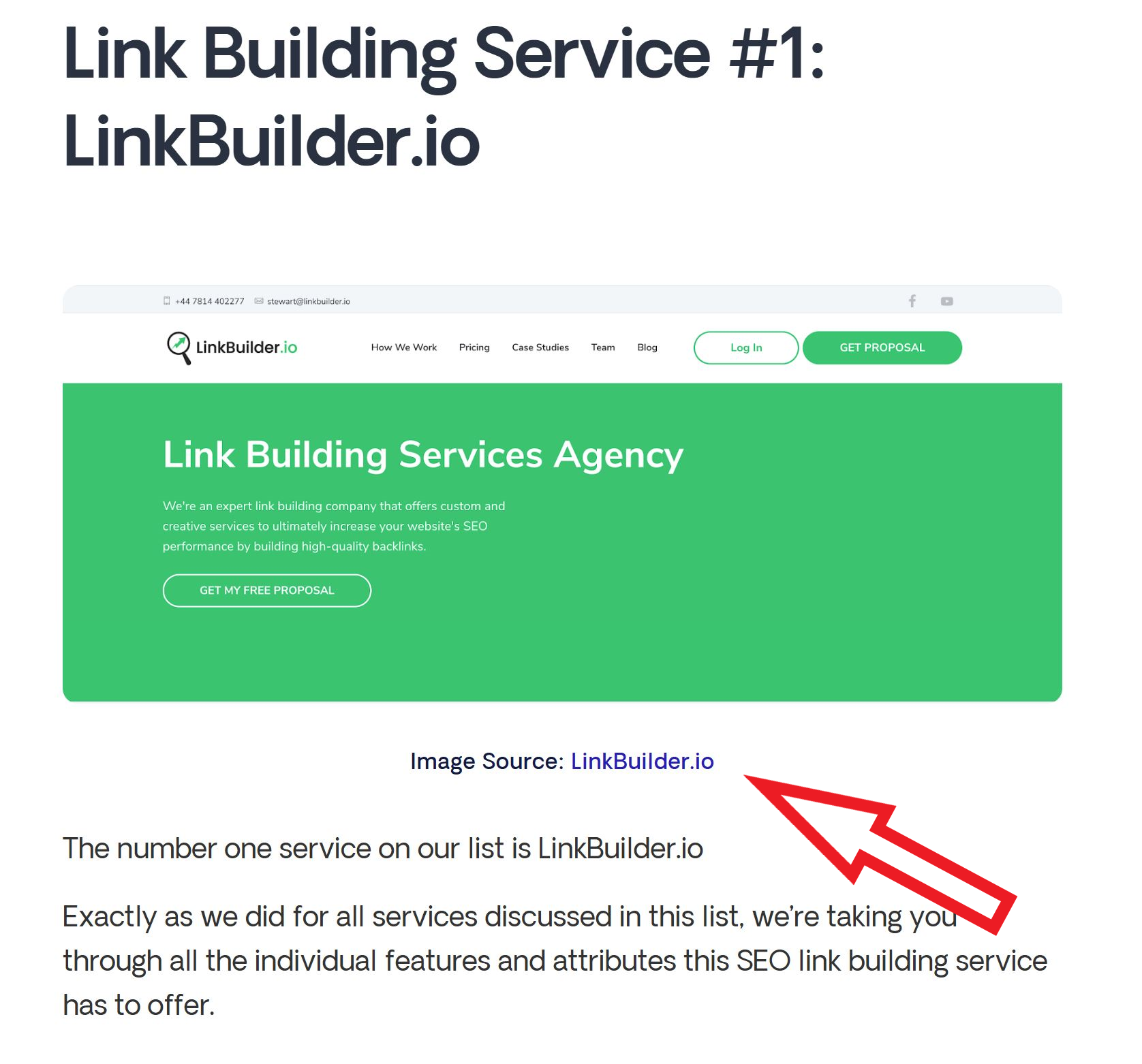
For example, this image source link is outbound:
Outbound links are the opposite of inbound links (also called backlinks), which are links from other reputable websites to yours.
Inbound links are one of the biggest ranking factors for SEO because of a concept called PageRank (or link equity, or “link juice”). When a reputable site places an inbound link to your page, search engines interpret that as a signal of authority and trust.
It’s part of Google’s overall algorithm that assesses the importance of web pages based on the quantity and quality of links pointing to them.
A healthy link profile is made up with both inbound and relevant outbound links.
It sounds technical – but it’s actually pretty straightforward.
If you want to learn more about what makes backlinks so important, watch this video:
How do Outbound Links Help SEO?
External linking to relevant, high-quality sources improves the user experience by providing readers with additional context and information.
Outbound links help SEO mostly in indirect ways. They improve user experience, strengthen credibility, and show search engines that your content is connected to reputable sources and useful information.
This is especially true when you use descriptive anchor text. Good anchor text helps readers and search engines understand what the linked page is about before they click the link.
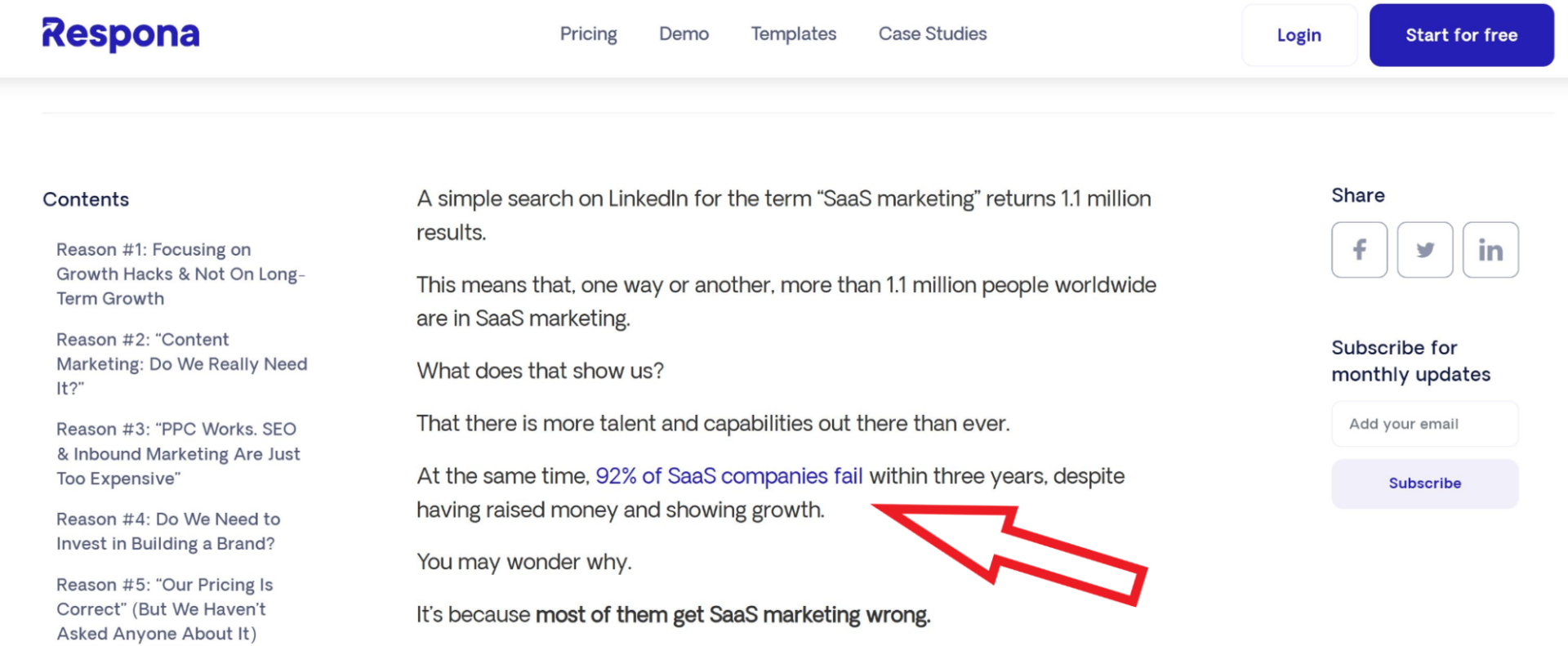
In Layman’s terms, citing another blog post that supports your own content and expands the topic further makes it look like you know what you’re talking about.
Like this statistic link to a research on why startups fail:
Google values user experience above all else – and while outbound links are not a direct ranking factor, they can massively influence your UX.
What is a ranking factor, however, is your CTR, or click-through rate.
Among other metrics, Google tracks CTR not only for search results but also for links within web pages, including outbound links.
A higher CTR on your outbound links suggests that your content is engaging and that users find the linked page valuable.
In practice, relevant outbound links can make your content feel more trustworthy and complete. That added credibility can support stronger SEO performance over time, especially when the links point to an authoritative source that genuinely helps the reader.
This positive user behavior can indirectly signal to search engines that your content is relevant and helpful, potentially boosting your rankings.
For content marketing, external linking is often less about chasing a ranking signal and more about creating a page that deserves to rank.
Do Outbound Links Give Away PageRank?
No, you are not losing any PageRank, or “link juice” by linking to other websites.
This is one of the biggest misconceptions around outbound linking. Many people assume that every outbound link weakens their page, but that is not how link equity works.
If it’s a dofollow link, the recipient gets their share of PageRank – but it is not detracted from your page.
It simply passes through.
Meaning, you don’t lose anything by linking out.
But, keep in mind that the more links you have on a page, the less PageRank each individual link is able to pass along.
With that being said, you can definitely hurt your website with a bunch of bad outbound links.
If you want more control over how a link is treated, you can use attributes such as nofollow when appropriate. A nofollow link tells search engines not to pass ranking signals in the same way as a standard links.
Can an Outgoing Link Hurt SEO?
Yes, an outgoing link can hurt SEO if it leads users to spammy pages, creates a poor user experience, or violates search engine guidelines.
That is why outbound linking should follow clear best practice principles.
Let’s walk through each case, and some best practices to avoid any SEO damage.
Broken links
Broken links create a poor user experience and can signal neglect to search engines.
Broken links frustrate users and weaken credibility. If a reader clicks an outbound link expecting useful information and lands on an error page, that hurts both the content experience and your site’s perceived quality.
Regularly run an SEO site audit and check your outbound links to ensure they are still working.
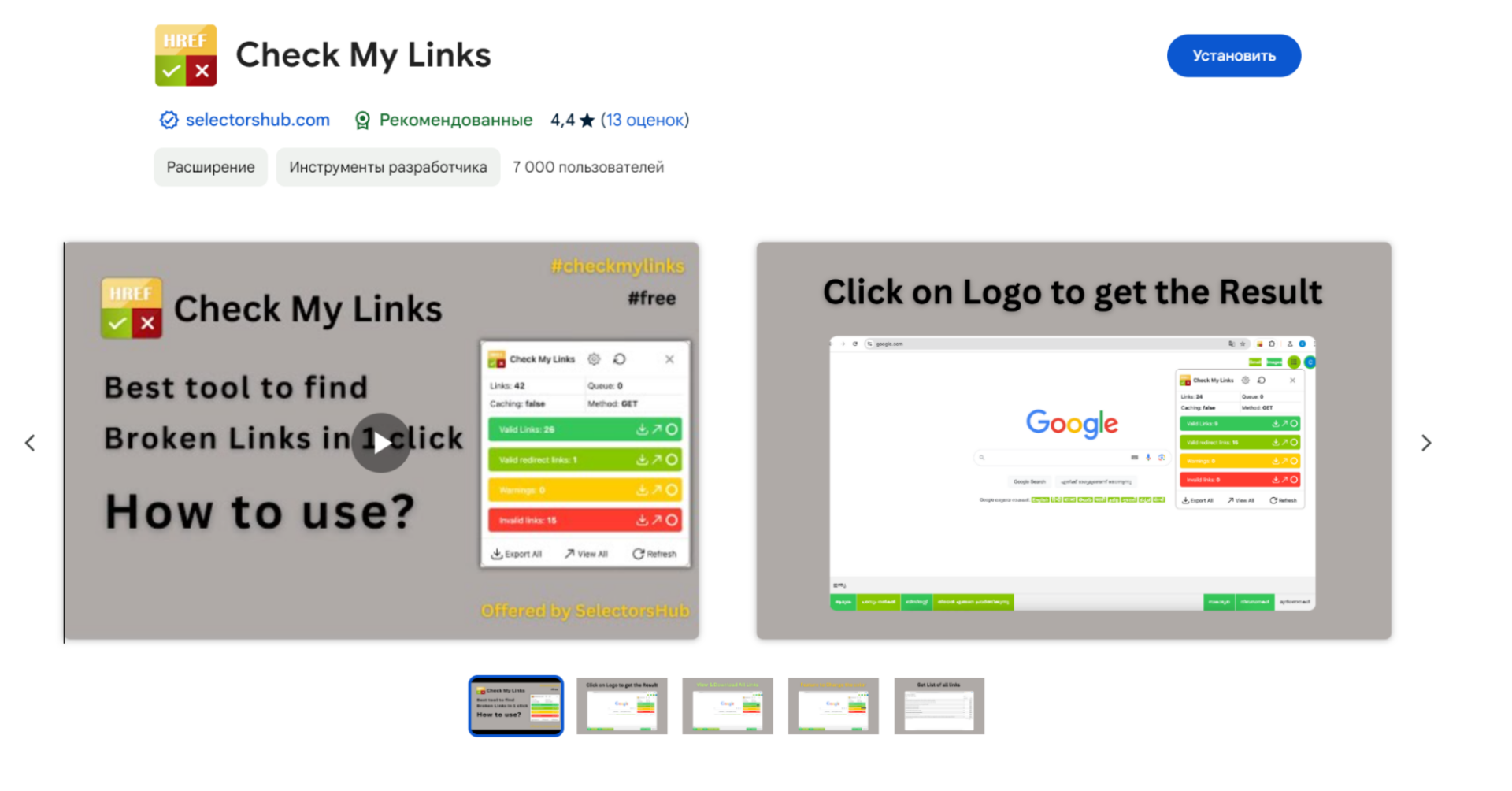
You can use free plugins Check My Links to quickly scan pages for broken links, or premium SEO monitoring tools like Ahrefs and Semrush to automate the process.
You can also use Google Search Console and Google Analytics alongside your regular audits to identify pages with engagement drops that may be related to broken links or poor outbound link placement.
Broken links on other websites, however, are good for you because they can be extremely powerful link building opportunities.
Yoast SEO and Yoast SEO Premium can also help flag some on-page issues during your optimization workflow, although dedicated auditing tools are more useful for large-scale broken link checks.
Read our broken link building guide to learn more.
If it’s to a competitor (in most cases)
Obviously.
Outbound linking to a direct competitor can potentially drive traffic away from your site.
What if, for example, you wrote a top 10 article and decided to include your competitors for transparency – is it fine to link to them then? If you need to mention a competitor for context, an unlinked brand mention is often enough. That way, you preserve the value of the content without turning the mention into an outbound link.
If there are too many
Overusing outbound links, especially if they aren’t relevant to the content, can dilute the focus of your page and make it appear spammy.
Too many outbound links can also distract from your internal linking strategy. If every section sends users away to an external website, your own internal links may get fewer clicks and less engagement.
Focus on quality over quantity and only include links that genuinely add value for the reader.
1-3 outbound links per page is a good rule of thumb, leaving space for plenty of internal linking.
A balanced page usually includes relevant outbound links, useful internal links, and natural anchor text for both.
Too many outbound links can make you look like a link farm:
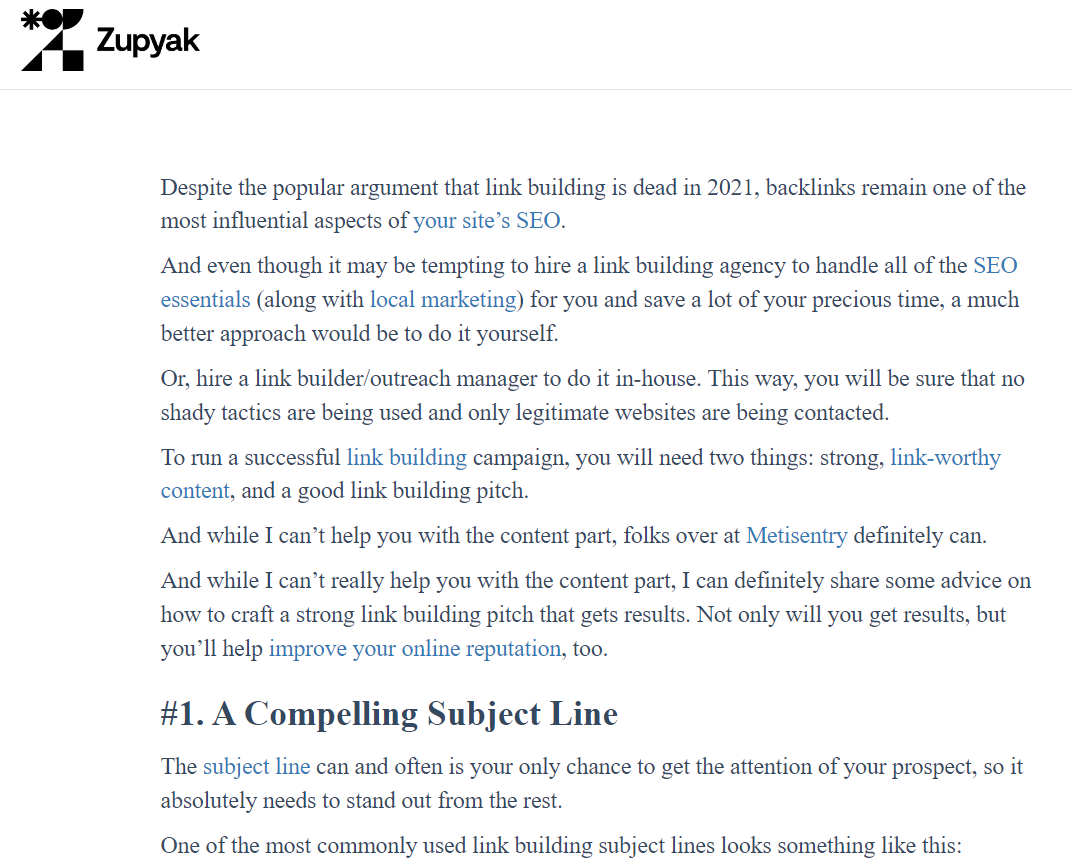
If it’s a paid link not marked as sponsored
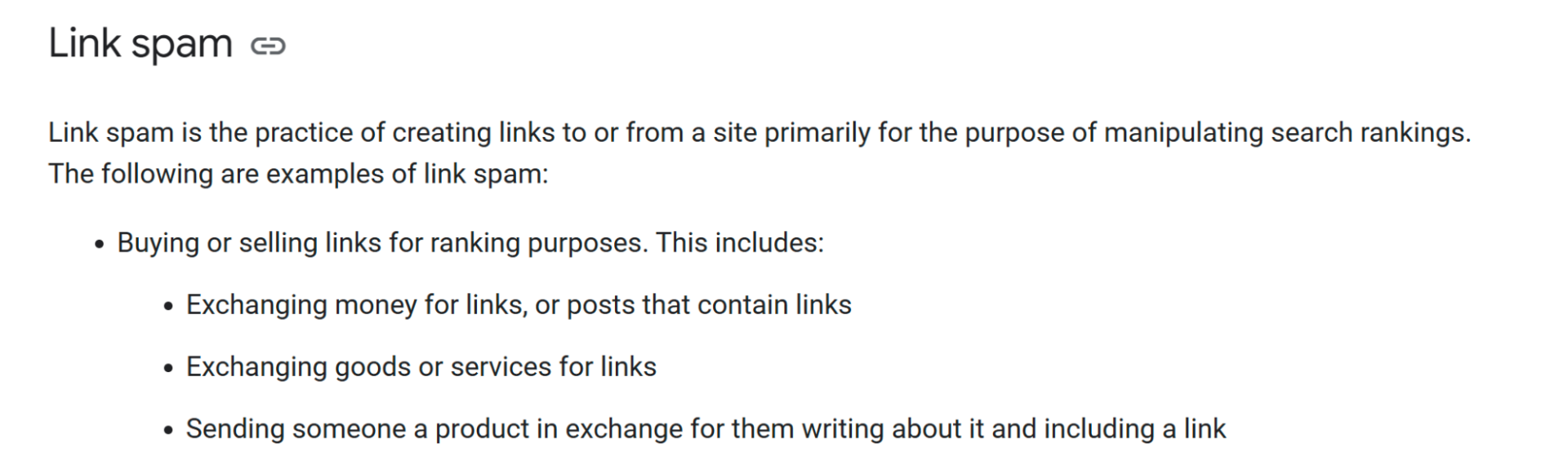
Failing to properly disclose paid links (using attributes like rel=”sponsored”) violates Google search guidelines and can result in penalties.
If a paid link is not marked correctly, search engines may view it as an attempt to manipulate rankings. In those cases, using the proper nofollow attribute or sponsored tag is essential.
You shouldn’t sell backlinks in the first place, but if you do, they need to be properly marked as pad.
If the anchor text is vague
Weak anchor text like “click here” or “read more” does very little for readers or search engines. Descriptive anchor text improves user experience, adds clarity, and helps search engines understand the relationship between your content and the linked page.
Good anchor text should feel natural, match the topic being referenced, and make it obvious why the link is there in the first place.
If it’s too early in the text
Placing links in the very first paragraph or two of your content can make it seem like you’re prioritizing sending traffic elsewhere rather than engaging the reader with your own content.
This applies to internal links as well.
Additionally, early text links reduce your users’ time on page, which is also a search engine ranking factor.
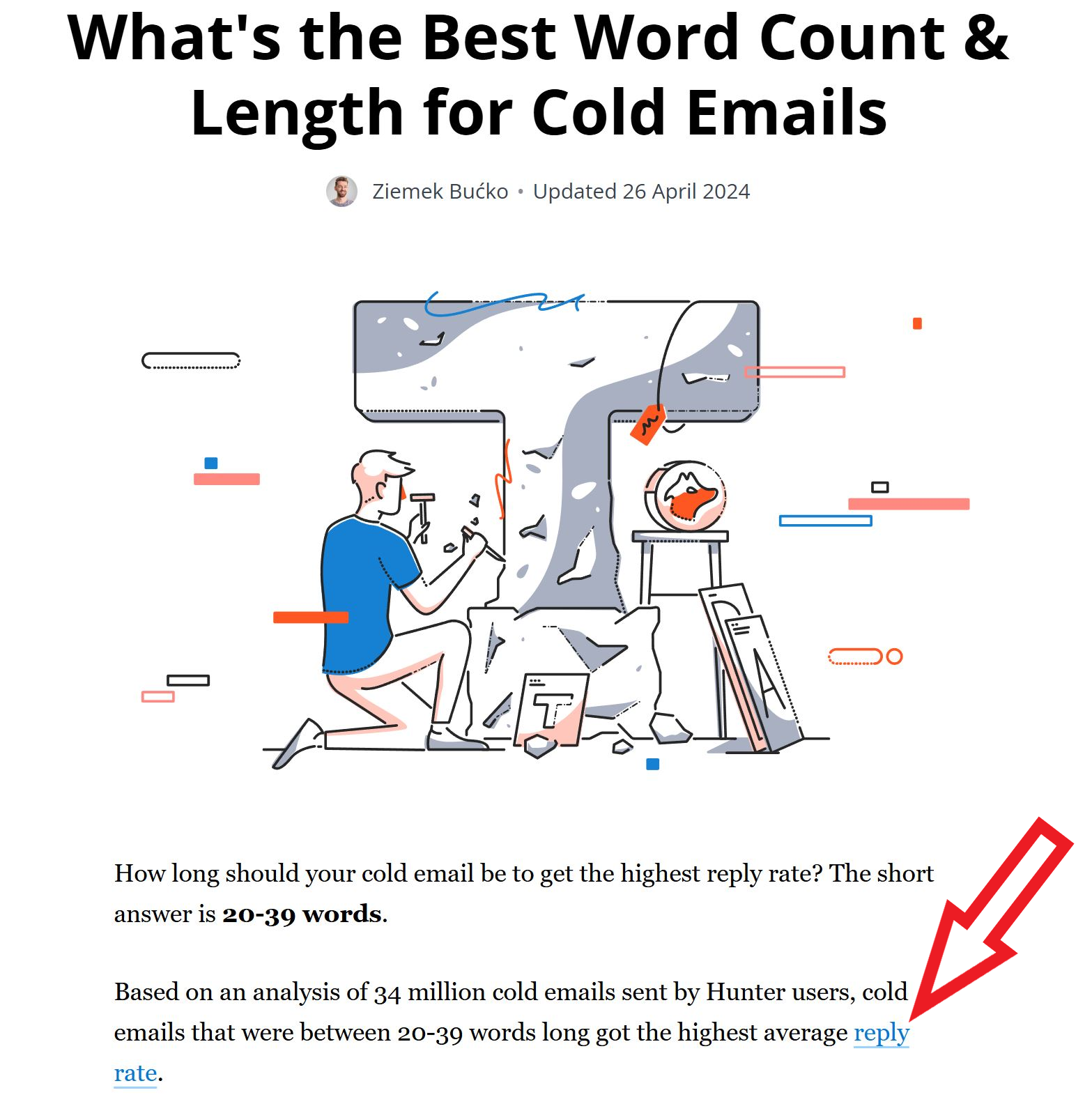
Ideally, you want them to stay on your page for at least a minute or two, and only move on then.
While there’s no strict rule against this, it’s generally better to establish context and engage the reader before introducing multiple outbound links to get the most out of your content marketing.
That does not mean you should never place an outbound link early in a post, but you should make sure the link supports the content rather than interrupting it. Context first, link second, is usually the better approach.
Link building cheat sheet
Now Over to You
Outbound links can help SEO by improving user experience, strengthening credibility, and connecting your content to authoritative sources that add real value for readers.
They are not as powerful as inbound links when it comes to rankings, but they still play an important role in a healthy SEO strategy.
The key is to use outbound links intentionally, keep them relevant, and avoid linking to low-quality or broken pages.
Of course, if you want stronger rankings, authority, and organic visibility, the biggest opportunity still lies in earning more high-quality inbound links.
That is where we can help.
Our done-for-you link building helps brands grow their backlink profile through personalized outreach, relationship-based link building, and strategic content promotion.
Instead of managing prospecting, pitching, and follow-ups yourself, you can rely on our team to earn links from relevant, authoritative websites.
Frequently Asked Questions (FAQ)
Do outbound links directly improve my search engine rankings?
No, outbound links don’t directly pass PageRank to your site in the same way that inbound links (backlinks) do.
However, they can indirectly influence your rankings by improving user experience, demonstrating topical relevance, and signaling content quality to search engines.
How many outbound links should I include on a page?
There’s no magic number, but focusing on quality over quantity is key.
Only include links that are relevant and add value for the reader.
Aim for a natural flow within your content. 1-3 high quality outbound links is a good rule of thumb.
Is it bad to link to my competitors?
In most cases, linking to direct competitors isn’t advisable, for obvious reasons.
However, there might be exceptions, such as when citing research or providing a balanced perspective.
Use your best judgment.
What happens if I have broken outbound links on my website?
Broken links create a poor user experience and can negatively impact your SEO strategy.
Search engines may see them as a sign of neglect.
Regularly check and fix any broken outbound links.
Should I use “nofollow” for all my outbound links?
No. There is no need to add nofollow to every outbound link. Use the nofollow attribute mainly for paid placements, untrusted sources, or user generated content such as comments. For relevant editorial outbound links to reputable sources, a normal link is usually fine.