
“Stealing” competitor backlinks is one of the most easily scalable link building strategies.
Every site that links to a competitor but not you makes for a potential link building prospect.
Competitor backlink analysis also grants you insights into your competitor’s off-page strategies so you can tweak your own.
In this article, we’ll cover why you should regularly check competitor backlinks, how to find your real search competitors and check their backlinks, and how to find backlink gaps and close them.
Let’s begin.
Key Takeaways:
- Competitor backlinks are one of the easiest ways to find scalable link building opportunities
- A backlink checker helps you identify which sites already link to similar content
- Gap analysis lets you find websites linking to competitors but not to you
- Dofollow links from relevant referring domains tend to carry the most SEO value
- The hard part isn’t finding competitor backlinks, it’s managing outreach at scale
- Listicle placements and editorial mentions are usually more effective than random link swaps
Link building cheat sheet
Why Would You Want to Check Competitor Backlinks?
In the intro, we mentioned that competitor backlinks make for the perfect link building prospects.
Depending on your niche, the competitor backlink strategy can be extremely scalable.
For example, in ours (which is link building and SEO), we have giants like Ahrefs, Moz and Backlinko with hundreds or even thousands of high-quality backlinks per post.
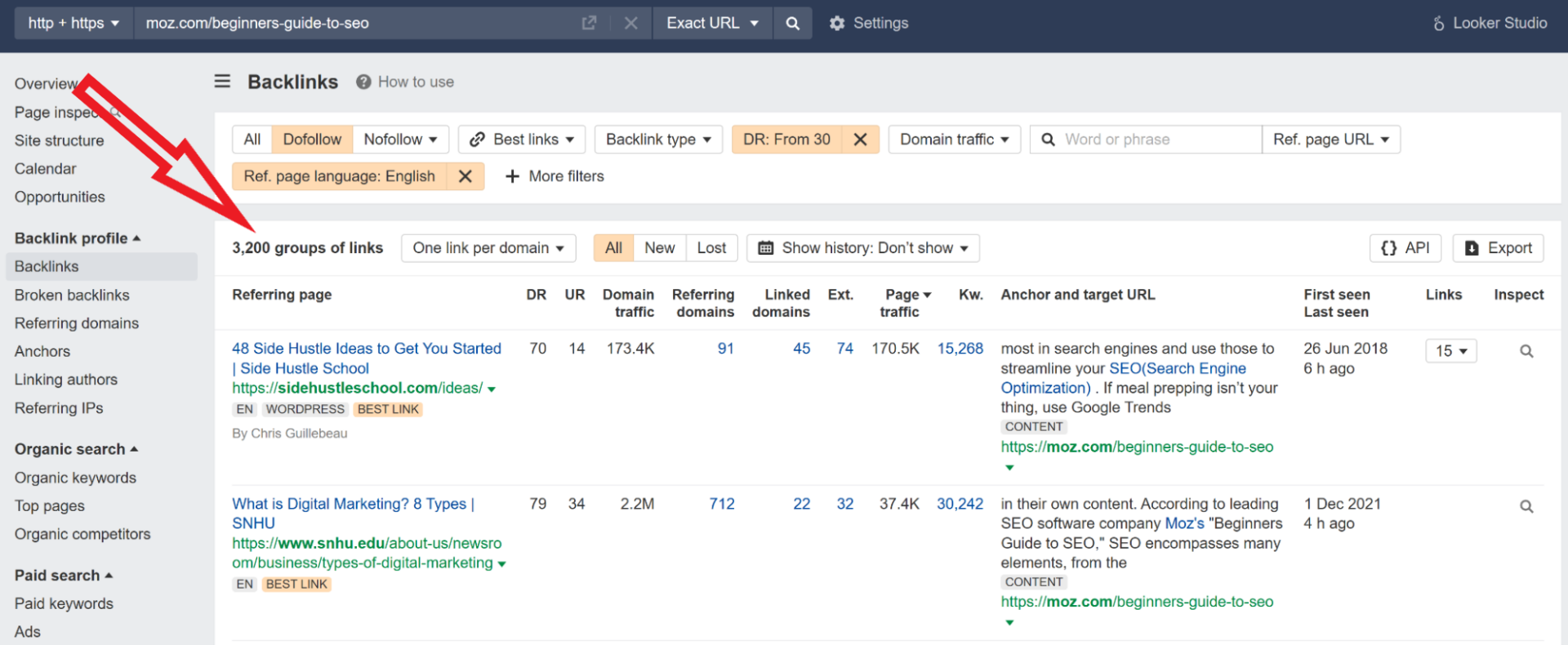
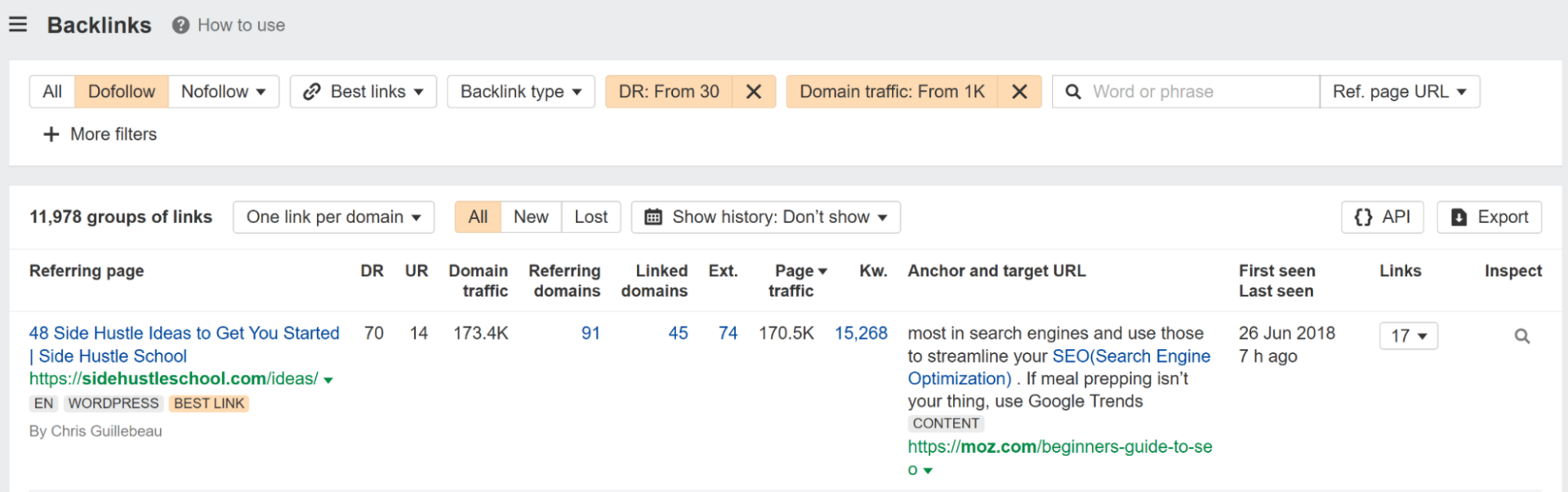
Take Moz’s beginner guide to SEO – it has 3200 backlinks pointed to just a single page.
Absolute goldmine – and that’s only counting dofollow links from DR 30+ sites in English.
In reality there are even more links, just lower quality.
And all it took for us to find these links is 30 seconds.
Compare that with the amount of time needed to find, for example, link insertion opportunities on a specific anchor text and you get a link building strategy that’s incredibly time-efficient.
So, how do you start?
Identify Your Search Competitors
Now, of course, you already know who your main, or domain level competitors are.
But (especially when it comes to long-tail keywords) you may be surprised how many other businesses you might be competing with on SERPs, even if you’re not targeting the exact same user base.
For example, Ahrefs is not a competitor to our tool at all – Respona is an all-in-one email outreach platform and they are an SEO monitoring software.
However, we still target a lot of the same keywords – both short and long-tail, so we are page level competitors.
To check your search competitors, simply Google your target keywords and see what pops up:
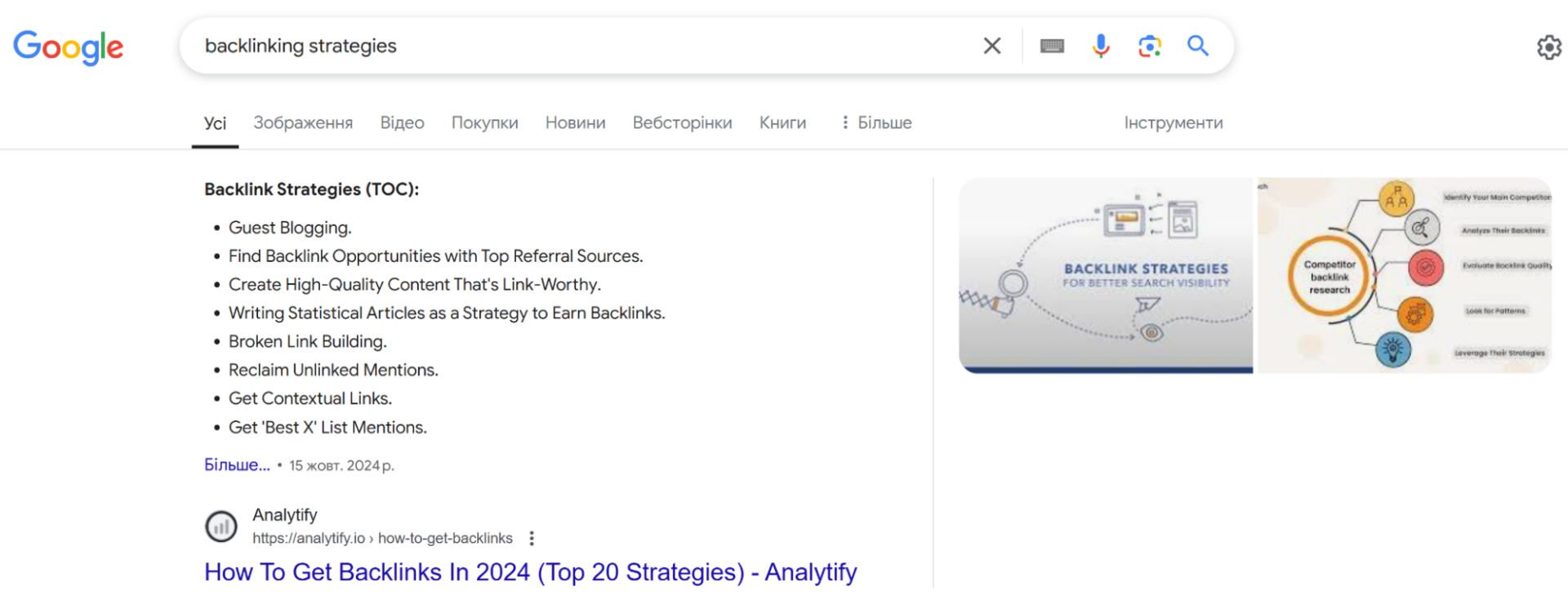
Analitify are also not direct competitors to us – but on search engine results pages, it’s a completely different story.
Use a Backlink Checker
Once you identify your search competitors, you can start to check their links.
For this, you’re going to need a backlink checker.
There are many available, but the most popular are Ahrefs, Semrush, and Moz.
We also offer our own free backlink checker if you’re just looking for a one-off lookup.
We use Ahrefs for in-depth analysis, so that’s the software we’ll focus on in this article.
To check competitor backlinks, first paste their URL into Site Explorer:
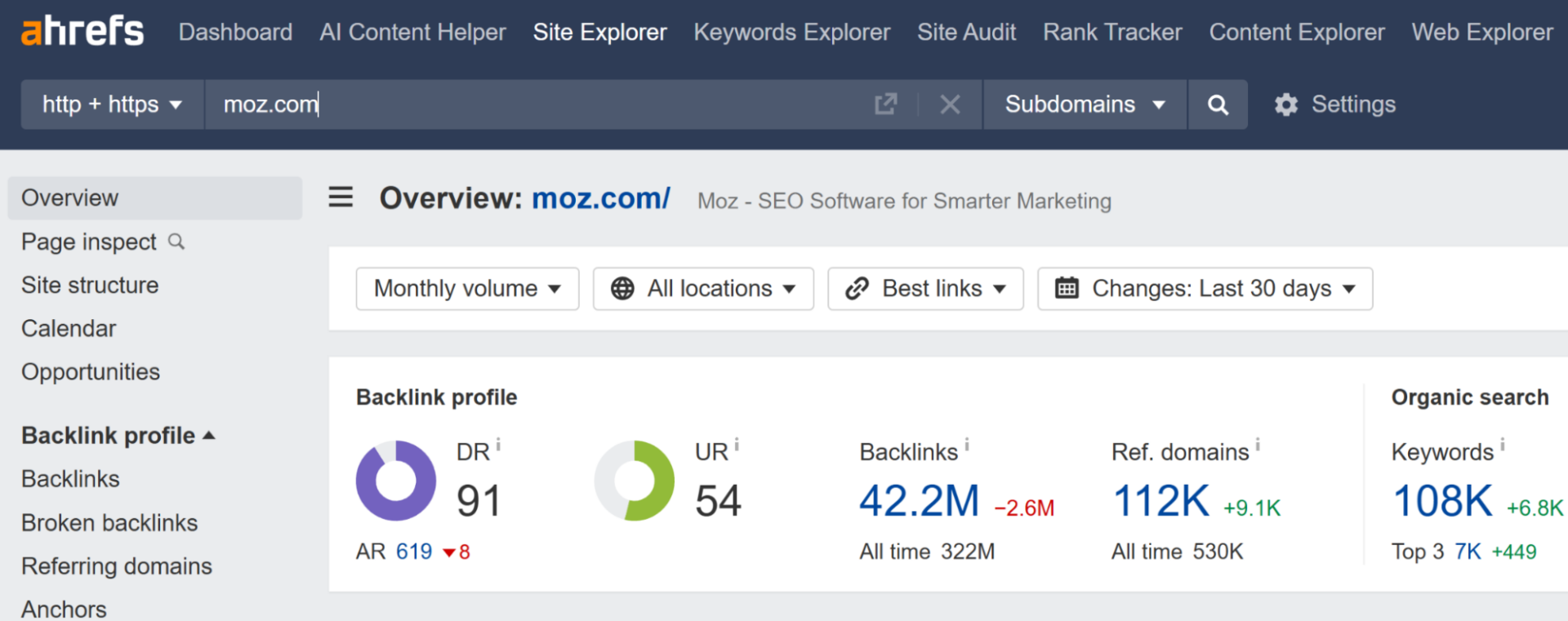
If you paste your competitor’s domain, it will show all of their backlinks after you click on the number under “backlinks”.
Conversely, if you paste a specific blog post URL, you’ll get the links pointing to that page only.
What we like to do every time we publish a new article is to gather all competing URLs and reach out to their backlinks.
For now, let’s walk through some useful filters for finding good link building opportunities among thousands of competitor backlinks.
- Dofollow
- DR: From 30
- Domain traffic: From 1K
- One link per domain
For SEO purposes, you’re only interested in dofollow links, since they’re the ones that pass link juice.
You can change the numbers in the Domain Rating and Domain Traffic filters, but we like to focus on DR 30+ sites with at least 1K monthly traffic.
This way, we can be sure that the links we get will actually be valuable.
And make sure to enable the “One link per domain” filter – or you’ll be greeted with a bunch of duplicate domains.
You can allso use this report to check your own site for broken links.
Identify Backlink Gaps
Ahrefs has a very handy competitive analysis feature – and so does Semrush.
It’s perfect for finding backlink gaps – i.e. sites that link to your competitors but not to you.
All you have to do to use it is select it from the top menu, switch it to referring domains instead of keywords and paste at least one competitor.
You can also analyze multiple competitors here.
Similarly to the normal link profile report, you can use it to check domain-wide links as well as compare specific pages.
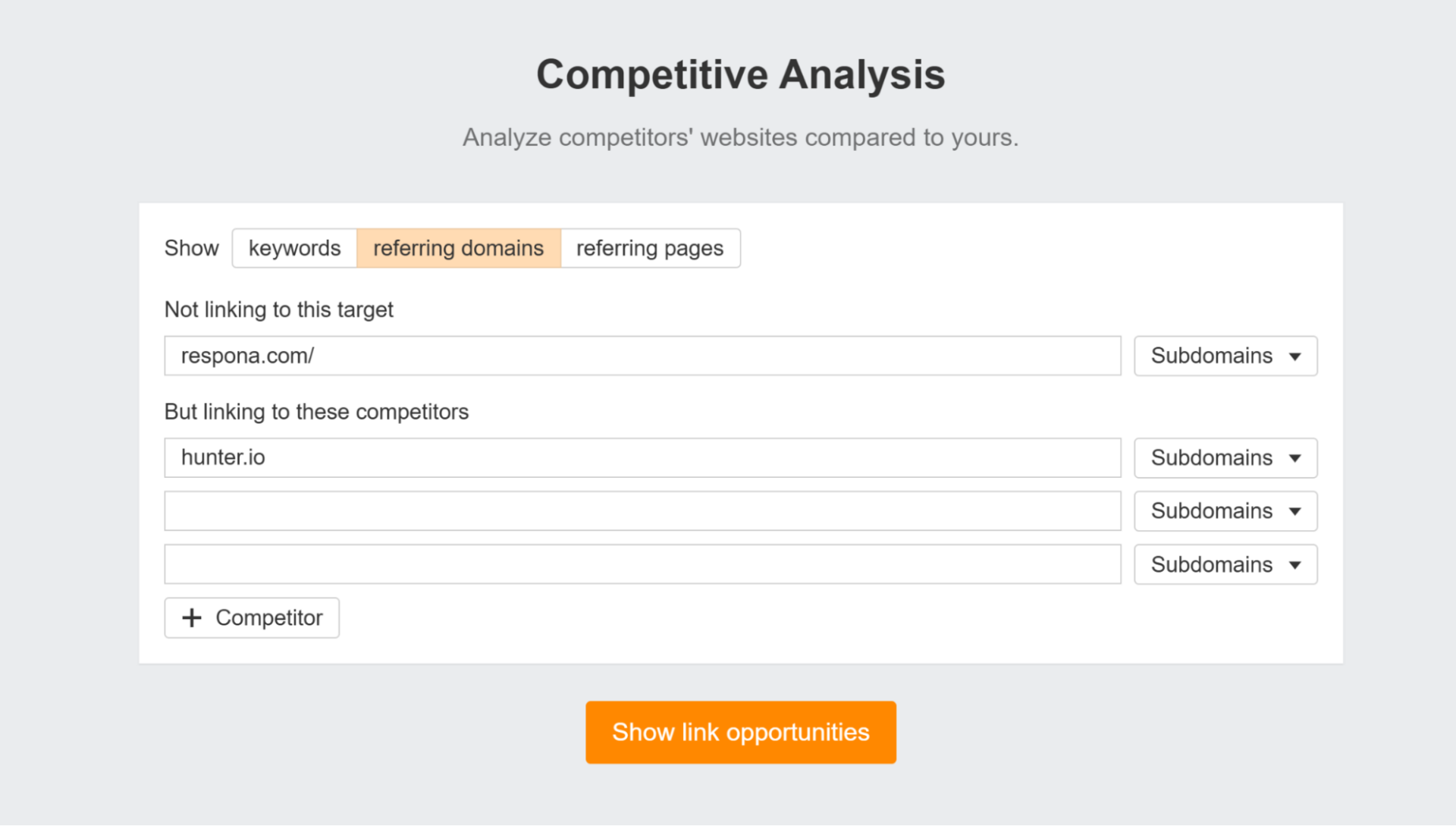
By default, after you click “Show link opportunities”, it will show you domains linking to your competitors.
To check specific pages, click “Referring pages” in the top left.
You can use all the same filters from the previous step here.
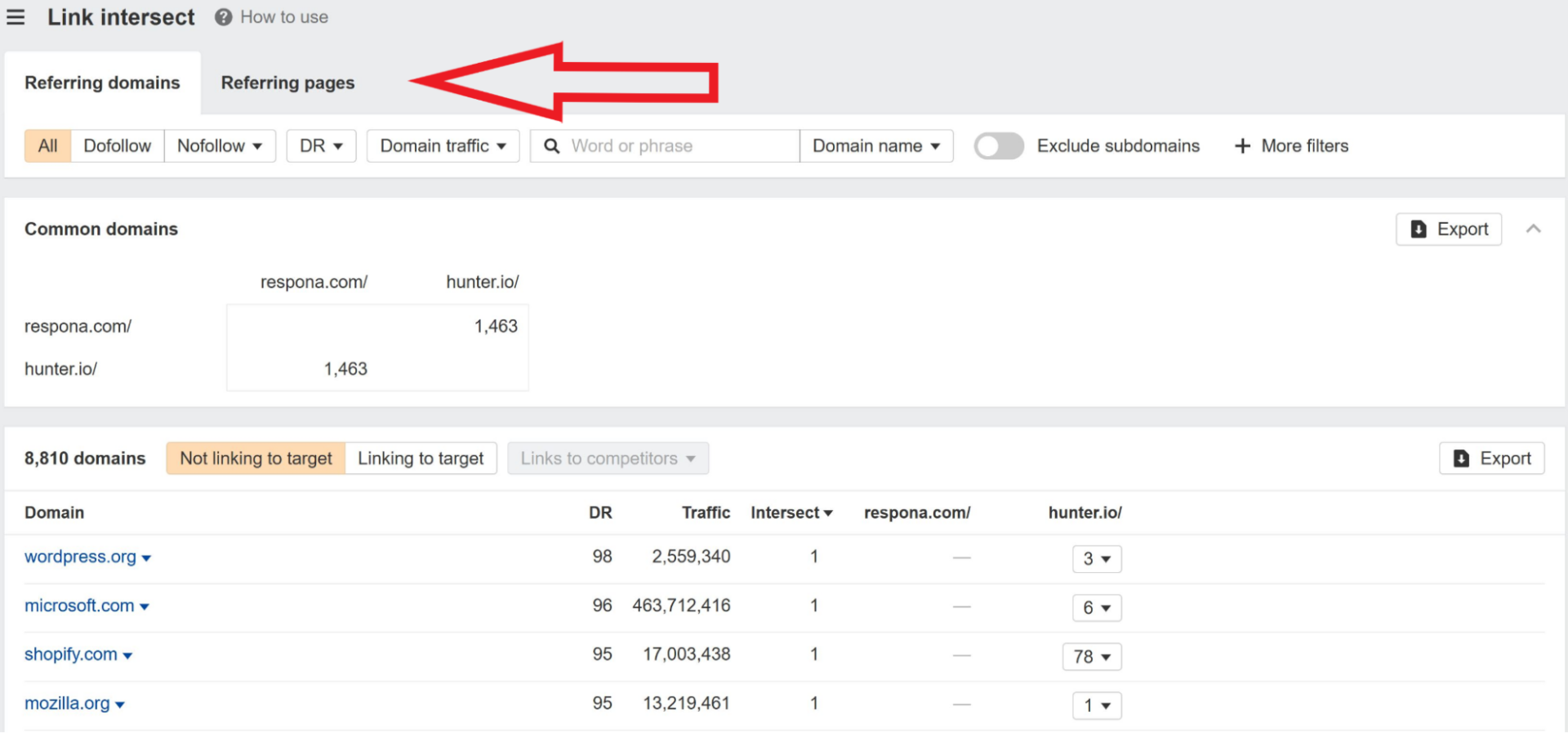
From here, export your sheet of competitor backlinks and prepare for outreach.
Find Email Addresses and Reach Out!
Once you export your list of competitor backlinks, the next step is outreach.
Which sounds simple until you actually start doing it.
Now you need to find contact information for all those websites, verify the email addresses, organize everything, personalize the outreach, follow up, and keep track of who replied.
That turns into a full workflow very quickly.
You’ll usually need an email finder, some kind of email verification setup, and a system for managing outreach unless you want your spreadsheet to become complete chaos after a few days.
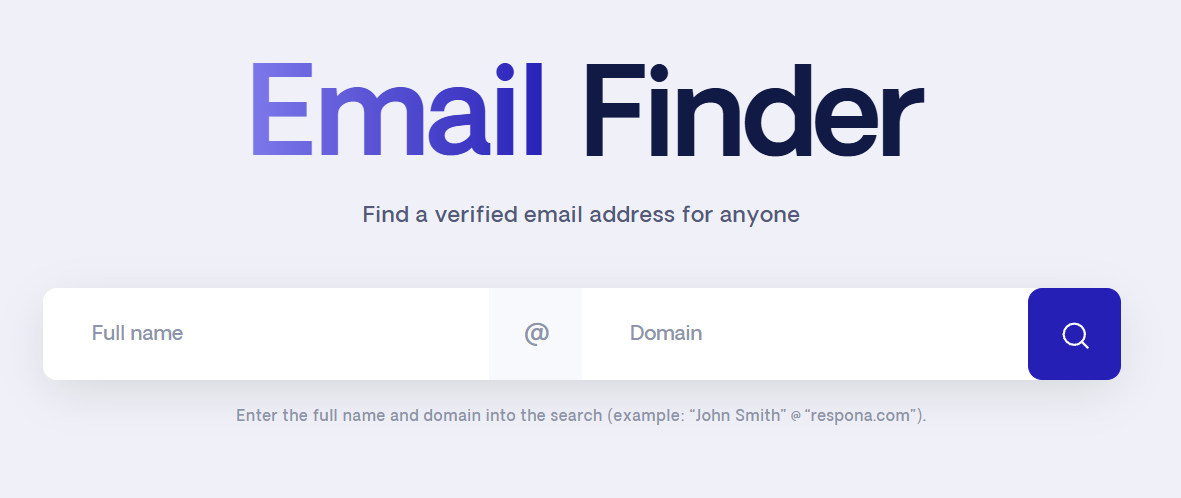
And even then, most of the work is still manual.
That’s the part that makes this hard to scale.
Finding competitor backlinks with a backlink checker only takes a few minutes. Actually turning those backlink opportunities into live links is where all the time goes.
That’s why most people never scale this properly.
The research part is easy. Consistently landing placements is the hard part.
So instead of trying to manage outreach yourself, you can just hand it off.
With Respona, you place an order, set your requirements, and the team handles the execution for you.
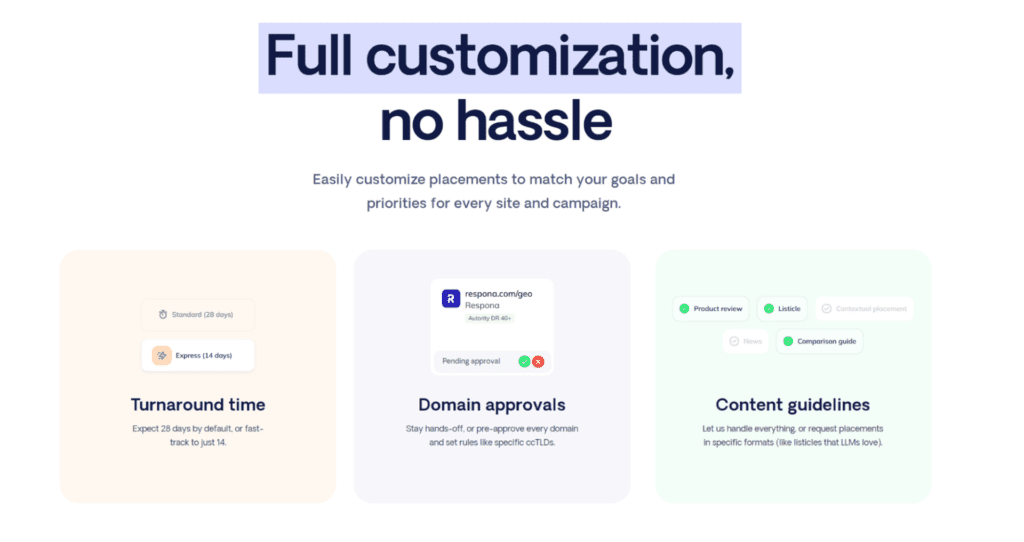
You can get pretty specific with it too.
If you only want placements on listicles, comparison pages, or sites within a certain niche, you just define that upfront. Same if you care about traffic levels, relevance, or the types of pages your links appear on.
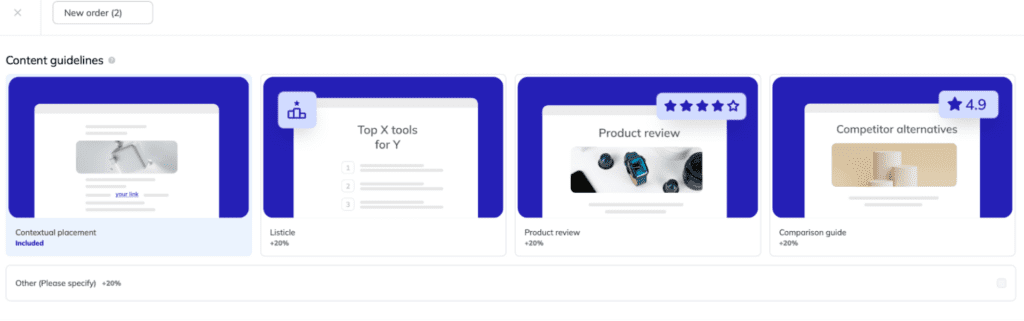
So you’re not getting random backlinks just for the sake of it. You’re focusing on placements that actually fit your strategy.
The campaigns feature is especially useful for competitor backlink analysis.
Instead of blindly copying every competitor backlink you find, you can use campaigns to bring up exact pages that already perform in SERPs and get cited by answer einges. These are the kinds of pages that already drive results.
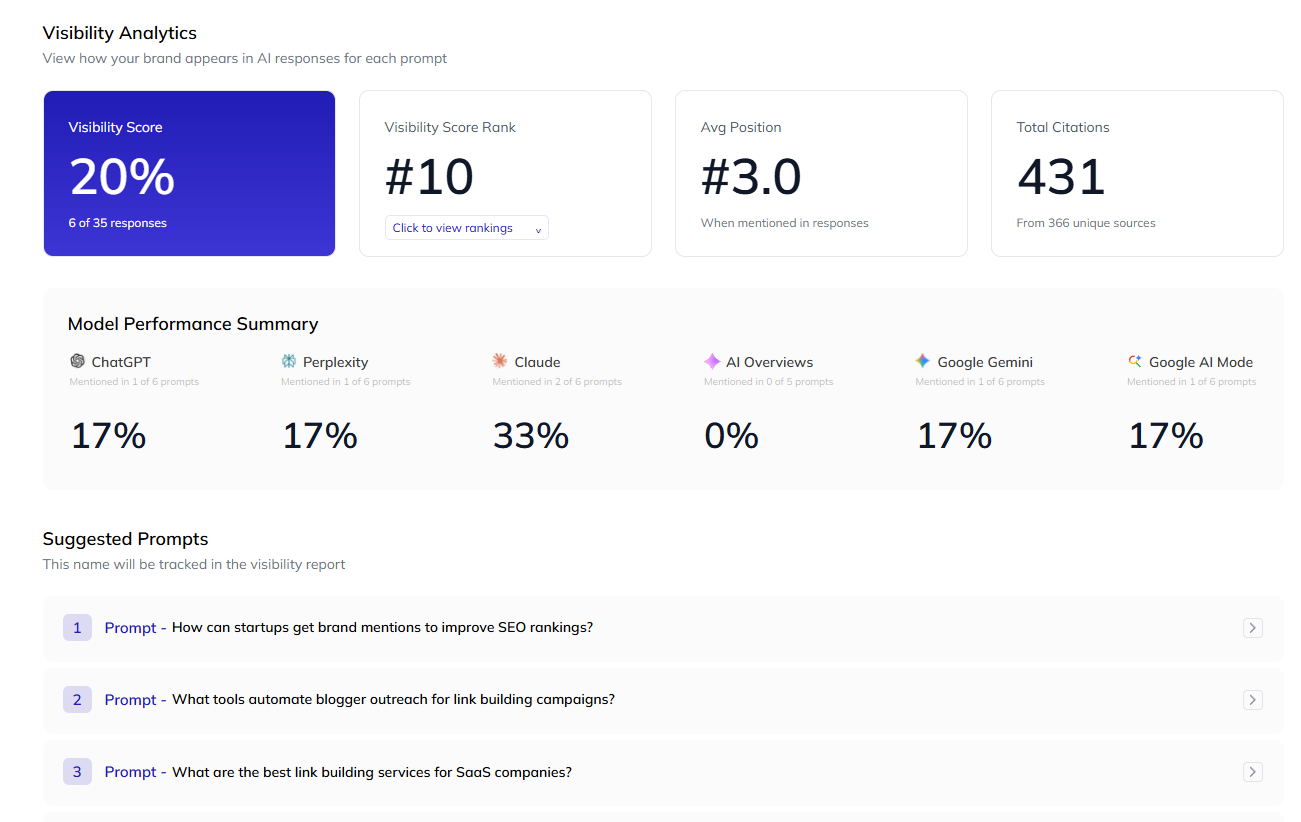
This way, you’re not just looking for “who linked to my competitor.” You’re identifying which placements are actually worth getting because they already influence visibility and buying decisions.
You can also track your AI visibility over time and see which placements are contributing to it, so the process becomes a lot more targeted.
Link building cheat sheet
Now Over to You
Checking competitor backlinks is the easy part.
The hard part is consistently turning those backlink opportunities into actual placements.
You need to find the right contact information, manage outreach, follow up, and keep the whole workflow organized while still creating content and running everything else.
That’s where most teams slow down.
Instead of trying to manage the entire process yourself, you can just focus on the result.
Place an order, define your requirements, and let the team handle the outreach and placements for you.
Frequently Asked Questions (FAQ)
How do you check competitor backlinks?
The easiest way to check competitor backlinks is with a backlink checker tool like Ahrefs or Semrush.
You paste a competitor’s domain or URL into the tool and it shows all the backlinks, linking domains, and pages pointing to that site.
What is a backlink checker?
A backlink checker is a tool that helps you analyze backlinks pointing to a website or page.
Most backlink checker tools also show backlink data like referring domains, anchor text, traffic estimates, and link type.
What is competitor backlink analysis?
Competitor backlink analysis is the process of studying a competitor backlink profile to find websites linking to them but not to you.
It’s one of the easiest ways to find scalable link building opportunities.
What is the best backlink analysis tool?
Ahrefs is probably the most commonly used backlink analysis tool, especially because of features like Site Explorer and Link Intersect.
Semrush and Moz also work well.
What is Ahrefs Backlink Checker?
Ahrefs Backlink Checker is a tool that lets you inspect a website’s backlinks, linking domains, and overall backlink profile.
You can use it for both competitor analysis and checking your own site.
What is Link Intersect?
Link Intersect is a feature inside Ahrefs that helps you find backlink opportunities by showing websites that link to multiple competitors but not to you.
It’s useful for finding backlink gaps quickly.
What is a backlink gap?
A backlink gap is when a site links to your competitor but not to your website.
Closing those gaps is one of the easiest ways to improve your backlink profile and overall search engine optimization.
What’s the difference between domain-level and page-level competitors?
Domain level competitors are businesses competing with you overall.
Page level competitors are pages competing with you for a specific search result, even if the businesses themselves aren’t direct competitors.
Why are competitor backlinks useful?
Competitor backlinks already proved themselves valuable enough for another site to link to them.
That makes them strong link opportunities because the website is already willing to link to similar content.
What makes a good backlink?
A good backlink usually comes from a relevant site with real traffic, strong authority, and content related to your niche.
High quality backlinks also tend to come from pages that already rank well in search engines.
What are toxic backlinks?
Toxic backlinks are low-quality or spammy links that can hurt your backlink profile.
They usually come from irrelevant sites, link farms, or suspicious networks.
Can Google Search Console show backlinks?
Yes.
Google Search Console and Search Console both provide backlink data for your own website, including inbound links and linking domains.
How do you find backlink opportunities?
You can find backlink opportunities through competitor backlink analysis, Link Intersect reports, broken link research, and manual outreach.
What are linking domains?
Linking domains are unique websites linking to your site.
If one website links to you multiple times, it still counts as a single linking domain.
Why is backlink analysis important?
Backlink analysis helps you understand why competitors rank, which pages attract links, and where new backlink opportunities exist.
It’s a core part of most modern link building strategy workflows.
Should you analyze multiple competitors?
Yes.
Looking at multiple competitors gives you more link data and helps identify patterns across your industry.
That usually leads to more valuable backlinks and stronger link building opportunities.
What is a competitor link?
A competitor link is any backlink pointing to a competing website or page.
These links can often become part of your own backlink strategy if you approach the same sites with something valuable.
How do broken backlinks help with link building?
Broken backlinks create a link building opportunity because the site owner may want to replace the dead link with an updated resource.
What are total backlinks?
Total backlinks refers to the overall number of links pointing to a website or page, including duplicate links from the same domains.
Can free backlink checkers work?
A free backlink checker works fine for basic research and quick lookups.
But for deeper backlink analysis and competitor backlink analysis, paid tools usually provide much better backlink data.
Why does backlink profile quality matter more than quantity?
A smaller backlink profile with relevant, high quality backlinks is usually much more effective than thousands of low-quality links.
Search engines care more about quality than raw volume.
How do you turn competitor backlinks into your own?
You identify the competitor backlinks you want, reach out to the linking sites, and give them a reason to link to you too.
Usually that means offering better content, updated information, or a more useful resource.
What role do backlinks play in search engine optimization?
Backlinks help search engines understand authority and relevance.
They’re still one of the strongest ranking signals in search engine optimization today.
What is a backlink strategy?
A backlink strategy is your overall approach to earning links.
That can include competitor analysis, outreach, digital PR, listicle placements, guest posting, and other link building tactics.
What are valuable backlinks?
Valuable backlinks are links that improve visibility, rankings, referral traffic, or conversions.
The best ones usually come from pages already ranking and driving traffic themselves.