
Backlink outreach is usually perceived as time-consuming and even tedious.
But it doesn’t have to be.
In this article, we’ll outline its importance, challenges, as well as how to deal with them.
Key Takeaways:
- Backlink outreach is the process of contacting the right person, typically the site owner or editor of a target publication, to earn high-quality backlinks. Done right, it’s still the most reliable link acquisition method available.
- A solid link building strategy in 2026 isn’t just about Google rankings. Structured brand mentions on listicle articles are also what AI search engines pull from when answering user queries.
- Manual link building (real personalized outreach to relevant websites) consistently outperforms automated mass-email campaigns. Reply rates, link quality, and referral traffic all favor the manual approach.
- The two highest-ROI tactics are guest posting on authoritative websites in your niche and broken link replacement (swapping dead links on resource pages with your own content).
- Respona’s done-for-you link building service handles the entire pipeline, from prospecting through placement, with no monthly retainer.
Link building cheat sheet
What is Backlink Outreach?
Backlink outreach is the practice of contacting editors, bloggers, and website owners to request that they link to your content from their published articles.
The goal: earn high quality backlinks from reputable websites in your niche, which signal to search engines that your content is worth referencing.
The mechanics haven’t changed much since 2015. You identify a target site, find the right contact information, send personalized outreach explaining why your content would add value to their article, and follow up if you don’t hear back.
The tools have gotten better, but the work itself is still relationship work.
Why Backlink Outreach Still Matters in 2026
A few years ago, the main reason to do backlink outreach was Google rankings. Get enough quality links from authoritative sites, and your visibility in organic results goes up. That part is still true.
But there’s a second reason now: AI search.
When someone asks ChatGPT, Perplexity, or Google AI Overviews “what’s the best [category] tool?”, the AI search engine doesn’t return a ranked list of websites.
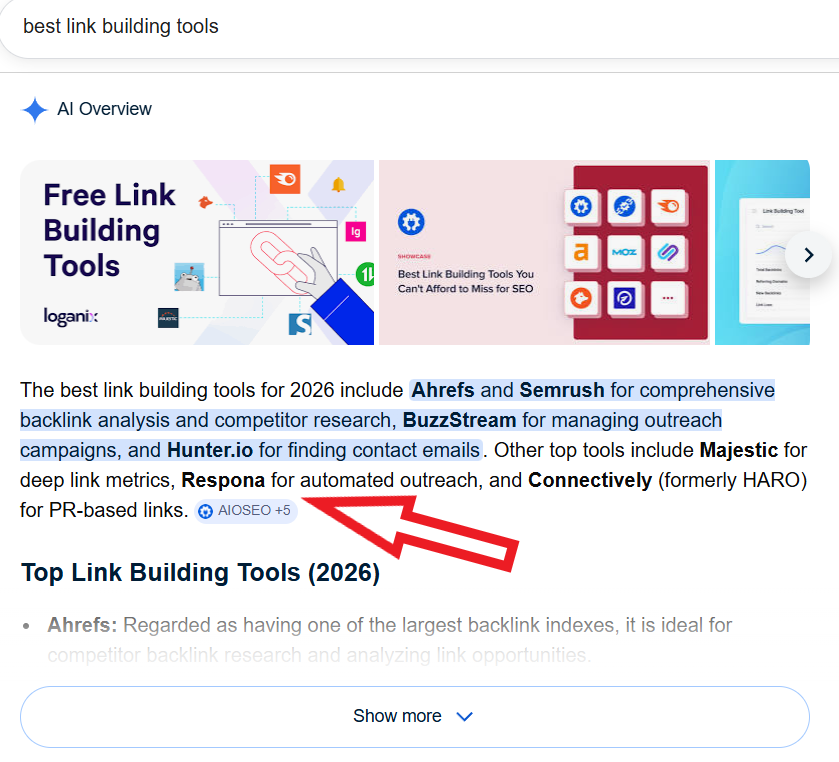
It returns an answer, sometimes with citations to the listicle articles it pulled from. The brands that get mentioned in those answers are almost always the same brands that appear in the listicles and roundups those AI models use as source material.
Which means structured brand mentions on listicle articles (the kind of “Top 10 X Tools” or “Best Y for Z” pieces that rank for high-intent commercial queries) are now serving double duty:
- They drive direct referral traffic when readers click through
- They train AI models to mention you when prompted with relevant questions in your category
This is THE way to outperform competitors in both organic and AI search. If you’re getting these and they’re not, the traffic is easy pickings.
Backlink Outreach Challenges
Before we dive into our step-by-step backlink outreach process, let’s take a closer look at the most common reasons businesses ditch link building as an SEO strategy (even though it’s benefits can not be denied).
Time-Intensive
First things first, preparing a backlink outreach campaign can take a while – especially if you don’t already have an established process.
Depending on your specific set of tools, it can take several hours just to find and filter prospective link building opportunities.
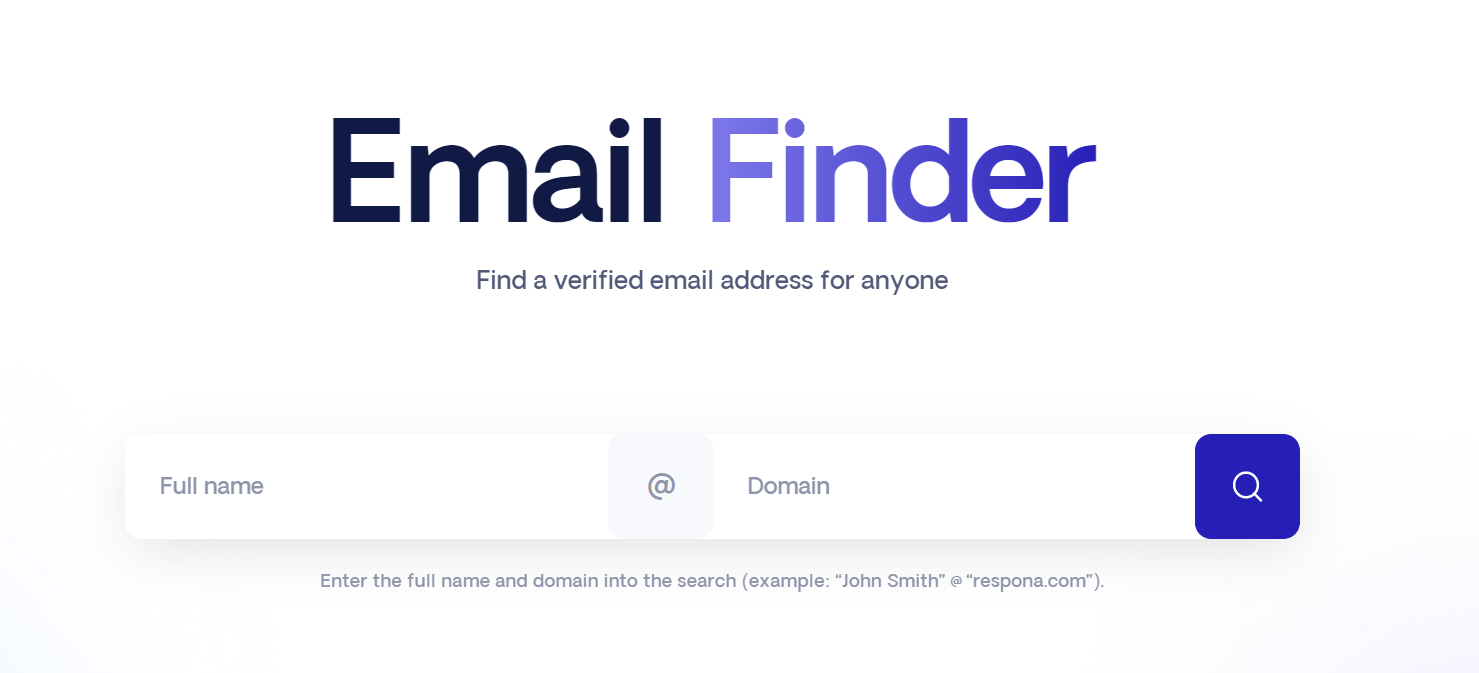
Then, there is the case of finding contact email addresses.
Most link builders use automated contact finders, but the searches aren’t instant either – depending on the size of your campaign, it can take several hours for the search automation to complete.
And finally, personalizing emails is a practice you can’t skip unless you want to end up in spam.
While personalizing a link building outreach email is much easier than a sales pitch, if you have several hundred messages to send, those couple of minutes spent on each one start to really stack up.
So, realistically, running a link building outreach campaign of a decent size (~150 prospects) from start to finish can take most of your work day, if not the entire thing.
Oh, and how could we forget – you also need to constantly check your emails and talk with your link building partners, which can be distracting from other tasks, and take a moment in and of itself; especially on a Monday.
Can Be Hard to Scale
Link outreach works best at scale.
The average reply rate for a link building email is ~10% (based on over 37000 link pitches we’ve sent over the past 3 years).
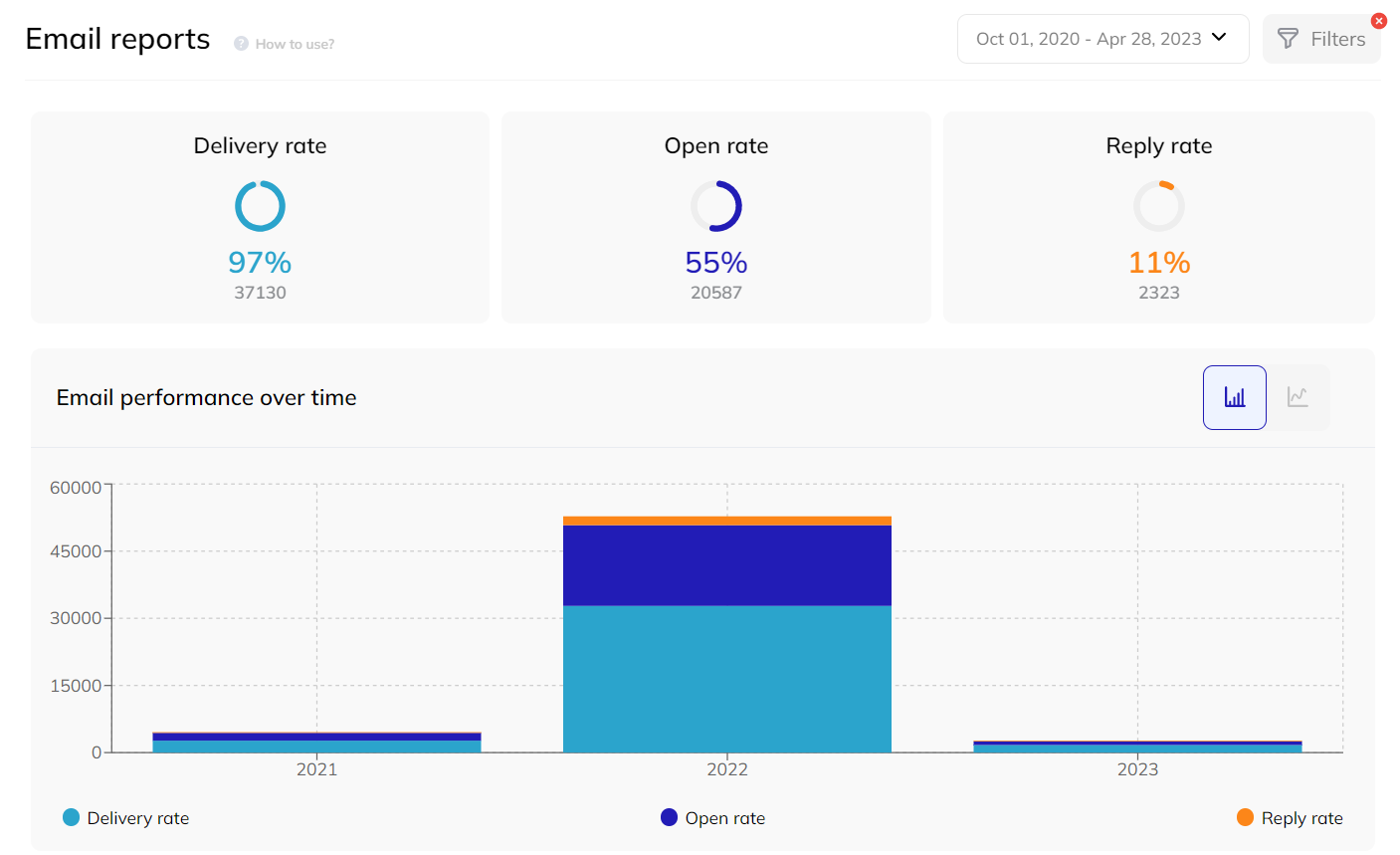
Half of these replies will be negative.
So, with a success rate of about 5%, it takes us over 300 emails to get to the 15 link/week mark.
In our niche (SEO/email marketing), it’s relatively easy to consistently keep finding new prospects to reach out to.
However, this may not be the case in a different niche – for example, coworking management software or any other micro-niche segment..
There simply isn’t enough relevant content around to run large-scale blogger outreach campaigns for smaller niches, which can make building backlinks not nearly as effective.
Takes Months to Take Effect
Finally, the SEO benefits of backlink building are not immediate.
The links need to be indexed by Google first.
They need to be clicked on by actual people second.
And you need a lot of links to make a real difference.
You can expect to see tangible increases in traffic and organic visibility after 3-4 months of consistent link building.
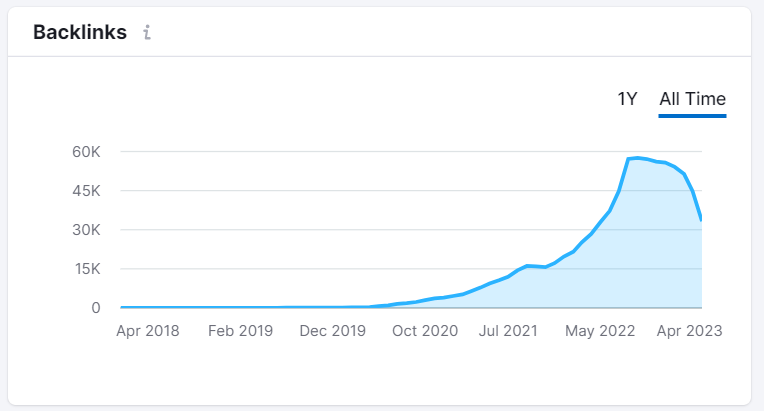
We started consistently building backlinks in 2021:
Which is also when our traffic started growing, until peaking in 2022:
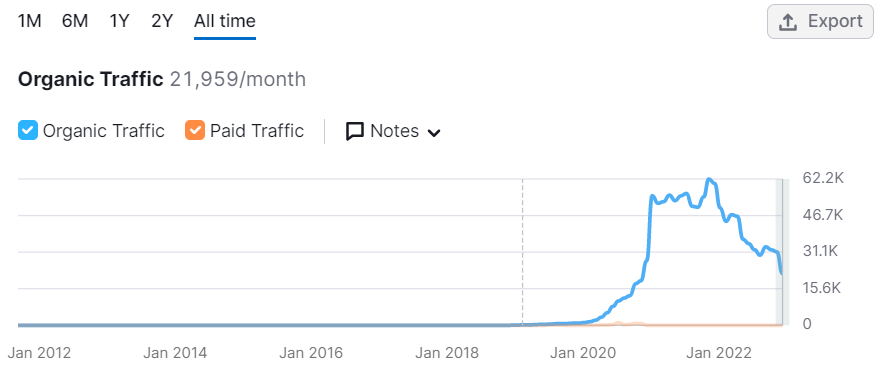
Note: Semrush provides an estimate for any website’s traffic, so the numbers shown here are lower than they really were.
“That’s a long time and a lot of effort!” – you say.
It is, but we’re here to make it simpler.
Need Help with Backlink Outreach?
If reading the above made you want to outsource the entire thing, that’s exactly what our done-for-you link building service is built for.
The typical in-house SEO specialist doesn’t have the bandwidth to run high-volume link building outreach alongside everything else on their plate, which is why outsourcing has become the default approach for serious link building strategy at growing companies.
Here’s how Respona handles it:
1. Register and place an order.
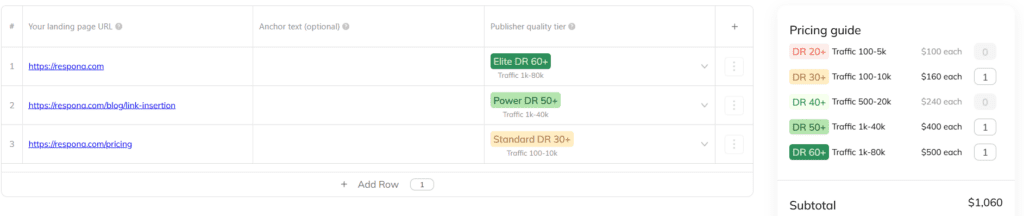
Specify the target URLs you want to build links to, the anchor text you’d like to see used, and (optionally) the AI prompts you want your brand to show up for. There’s no monthly retainer or setup fee, you only pay per placement delivered.
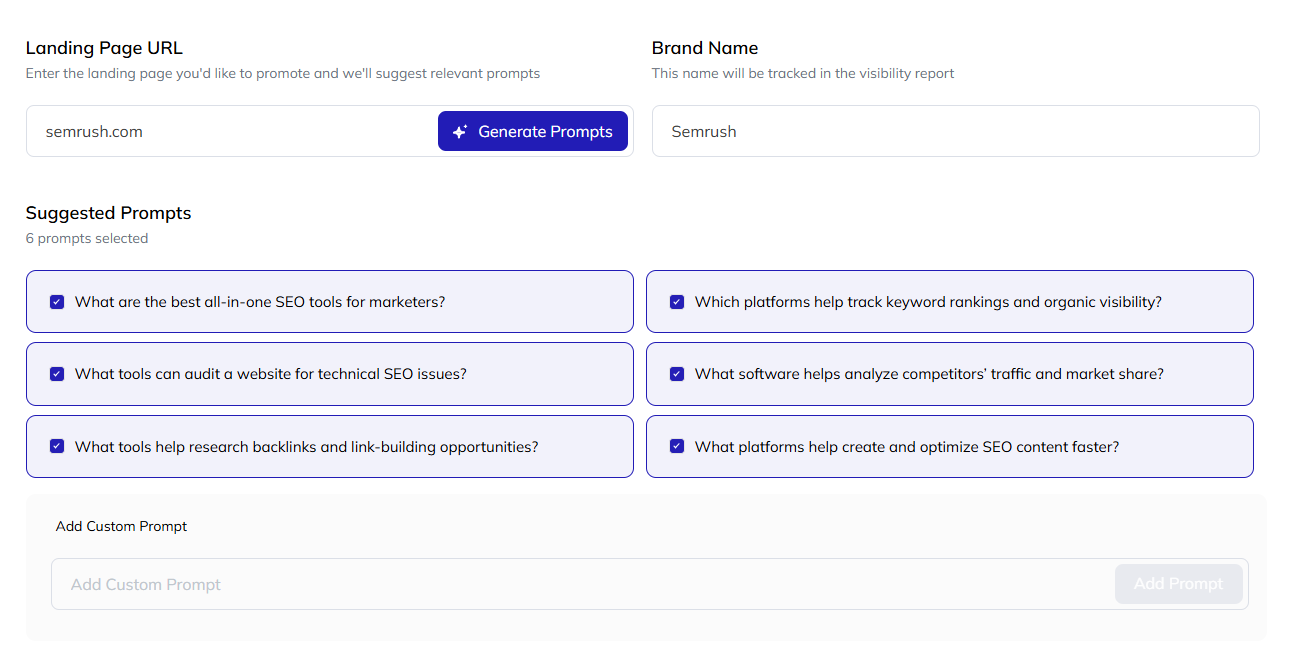
2. The tool generates your action plan automatically.
Respona’s prospecting engine pulls a ranked list of listicle articles, roundups, and resource pages where placement would compound across both Google rankings and AI search. Each prospect is filtered for domain authority, topical relevance, and active traffic on the linking page.
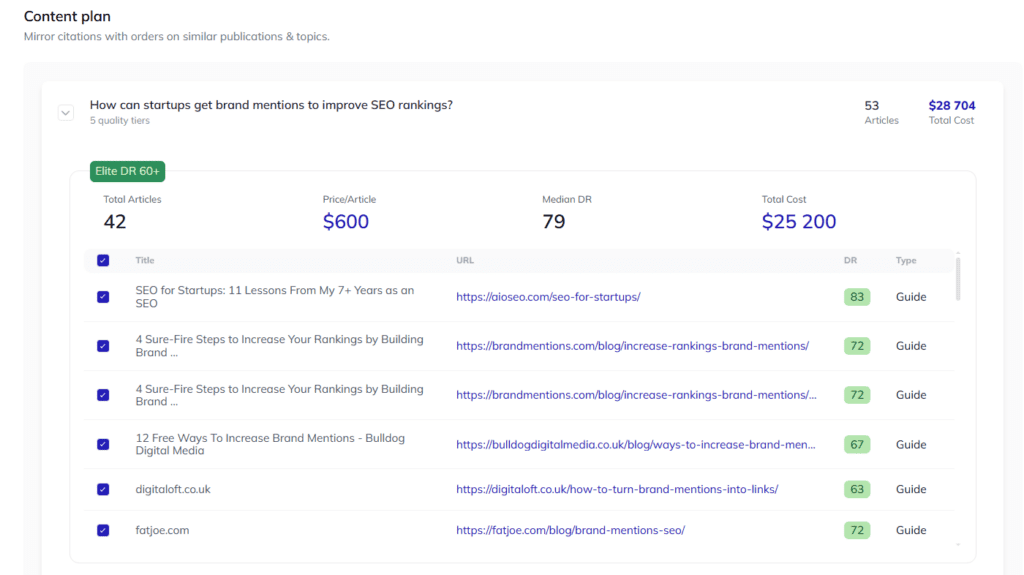
3. Place orders on specific placements.
Pricing is tiered by the publisher’s DR: Starter (DR 20+) at $100, Standard (DR 30+) at $160, Authority (DR 40+) at $240, Power (DR 50+) at $400, and Elite (DR 60+) at $500. Pick the placements that fit your budget and target tier.
4. The Respona team handles outreach end-to-end. Pitching, follow-ups, negotiation with the publisher, and live placement on the article. You don’t lift a finger on the outreach work itself.
5. Track AI visibility separately.
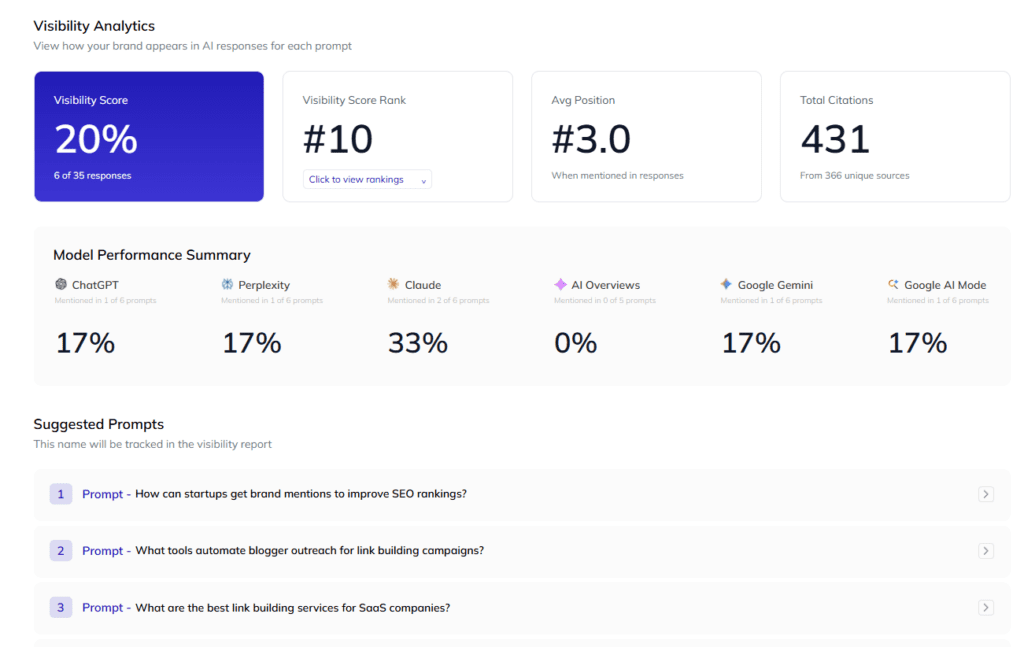
The platform’s AI visibility tracker monitors your brand mentions across six AI engines (ChatGPT, Perplexity, Google AI Overviews, Gemini, Claude, Copilot), so you can see which placements are translating into AI citations over time. The backlink data and AI citation data sit in the same dashboard.
Around 80% of customers are agencies that white-label the service to their own clients, a setup that creates an additional revenue stream without the operational burden of building an in-house outreach team.
For teams that want manual sign-off before any outreach goes out, pre-approval on every prospect is available as a +20% paid add-on.
Link building cheat sheet
Now Over to You
Backlink outreach is still one of the most reliable methods for earning real, high-impact backlinks in 2026.
The mechanics haven’t changed much, but the strategic context has: AI search rewards the same listicle placements that organic search rewards, so well-executed outreach now compounds across both channels.
If you’d rather skip the time investment and have a team execute the entire outreach pipeline, our done-for-you link building team handles prospecting, pitching, follow-ups, and live placement on the listicle articles that AI engines actually cite.
You pay per link delivered to your defined specs, with no monthly retainer or setup fees.
Place your first order to get started today.
Frequently Asked Questions (FAQ)
What is backlink outreach?
Backlink outreach is the process of contacting website owners, bloggers, and influencers to request or earn high-quality inbound links to your website.
These backlinks help improve your website’s authority, visibility, and search engine ranking.
Why is backlink outreach important for SEO?
Backlink outreach is essential for SEO because high-quality backlinks are a key ranking factor for search engines like Google.
When authoritative websites link to your content, it signals to search engines that your website is filled with quality content, ultimately getting you higher rankings.
How do I find potential backlink opportunities?
To find high quality backlink opportunities, start by researching your competitors’ backlinks, industry-specific resource page lists, and guest posting opportunities.
Additionally, use tools like Ahrefs, Moz, SEMrush, or Respona to identify websites that are likely to link to your content.
What is the best way to approach someone for a backlink?
When approaching someone for a backlink, start by establishing a relationship with the website owner or influencer through social media or email.
Offer valuable content that their audience would find helpful and explain why it would benefit them to link to your content.
Be polite, professional, personalize your outreach message to increase your chances of getting a positive response, and include a strong incentive for them to link to you.
How can I track the success of my backlink outreach efforts?
To track the success of your backlink outreach efforts, use backlink analysis tools like Ahrefs, Moz, or SEMrush to monitor your website’s backlink profile. Google Analytics is rather limited in terms of link tracking.
Keep an eye on new and lost backlinks, as well as the overall growth in the number of high-quality backlinks.
Additionally, track improvements in your website’s search engine ranking and organic traffic, as these are key indicators of successful backlink outreach.
How long does a backlink outreach project take to plan and launch?
A typical project takes 1-2 weeks to set up: building a prospect list, finding contact information, drafting the templates, and configuring the outreach tool you’ll use to manage send cadence, follow-ups, and email outreach sequencing.
Replies start coming in within a few days of the first send, but most placements take 3-6 weeks from initial outreach to live link on the article.
What is broken link building, and is it still effective in 2026?
Broken link building is the practice of finding dead links on resource pages, then reaching out to the page owner to suggest your content as a replacement.
It’s a niche but consistently effective tactic because you’re solving a real problem for the site (a broken link makes them look careless) rather than just asking for a favor.
The workflow: scan high authority pages in your niche for broken links using a tool like Ahrefs, verify the original content is actually gone, write a brief outreach link building email proposing your content as the replacement, and follow up.
Conversion rates on broken link campaigns tend to be 2-3x higher than cold guest post outreach.
How does social media factor into backlink outreach?
Social media plays an indirect but useful role. Engaging with a target publication’s editors on LinkedIn or X before pitching them tends to lift reply rates.
A few thoughtful comments on their content over a week or two often unlocks a “hey, recognized your name” reaction that cold emails alone won’t generate.
Beyond warm-up, social media is also where journalists and bloggers crowdsource ideas. Active participation in the right conversations occasionally results in inbound link opportunities without any outreach at all.
Does buying backlinks (instead of doing outreach) actually work?
It depends on what you’re buying. Paid placements on legitimate publications with editorial review (sponsored posts with rel=”sponsored” disclosure) are fine.
Buying placements on link farms, casino backlinks networks, or PBNs almost always backfires. Google’s spam team is good at detecting bulk-bought patterns, and devaluations roll out quickly when networks get flagged.
The middle ground worth knowing about: paid SEO outreach services where you’re paying for the labor (prospecting, pitching, follow-up), not the link itself.
Done-for-you link building services that do real outreach to real publishers are functionally indistinguishable from in-house manual link building, except for who’s holding the keyboard.