
Are you sending out emails but getting no response? You may be sending them at the wrong time.
Finding the best time to send an email can have a direct impact on open rate, click rate, and overall engagement. For any email marketer running a cold email campaign, sending at the right time can be the difference between getting ignored and getting a reply.
In this article, we will be taking a look at data from several studies done on the best day and time to send an email, how to figure out the best time to send your own email campaigns, and tips for creating and launching an outstanding email campaign
Key Takeaways:
- The best time to send an email is usually during business hours, with 10 am to 2 pm being the safest range for most campaigns.
Email timing affects open rate, engagement, and reply potential, but there is no universal send time that works for every audience. - The best day to send an email is typically a weekday, while weekends tend to produce lower engagement rates.
- Your recipient’s time zone, job type, and inbox habits all influence the right time to send cold emails, marketing emails, or an email newsletter.
Let’s get started!
- Why Does Sending Time Matter?
- What’s the Best Time to Send Email?
- How Many Emails Should You Send Per Week?
- Key Takeaways From Recent Studies
- How to Find the Best Time to Send Your Email
- Tips to Launch an Outstanding Cold Email Outreach Campaign
- Want Better Results From Your Outreach?
- Now Over to You
- Frequently Asked Questions (FAQ)

Link building cheat sheet
Why Does Sending Time Matter?
Time is of the essence when it comes to email campaigns.
Time is of the essence when it comes to email campaigns.
In email marketing, timing matters because inbox placement is only part of the equation. Your recipient also has to notice the email, open it, and engage with the message. Better email timing can lead to higher engagement, a stronger email open rate, and better campaign performance overall.
After all, if you don’t send your message at the right time, it’s like sending a message in a bottle and hoping it will reach the right person – it’s not likely to happen.
Sending emails too early in the morning may get lost in the shuffle while sending too late in the day might mean that your message goes unnoticed.
The goal is to find the sweet spot between the two and make sure your message is seen by the right people at the right time.
Think of it this way: If you sent an email to a person in the middle of the night, you can guarantee that it won’t be opened until the next day (if at all).
That’s not exactly the best way to start a conversation.
On the flip side, sending your message too early in the day might mean that the recipient is too busy with other tasks, so they won’t see it until they’re done.
Whether you are sending marketing emails, sales emails, or a b2b email campaign, choosing the best time improves your chances of reaching your recipient when they are actually paying attention.
You want your emails to be seen when they’re most likely to be opened, so timing is key.
When marketers talk about the best time to send an email, they are really talking about send time optimization. The goal is to identify a send time that matches your recipient’s work hours, habits, and time zone so your email arrives when it has the best chance of being opened.
What’s the Best Time to Send Email?
Let’s go for the short answer first.
Statistically, 11 am has been determined to be the best time to send an email, according to a study of 20 million emails by Hubspot.

However, that’s just the short answer, and the reality isn’t as black and white as it may seem.
Let’s take a closer look at some other studies and what they have to say.
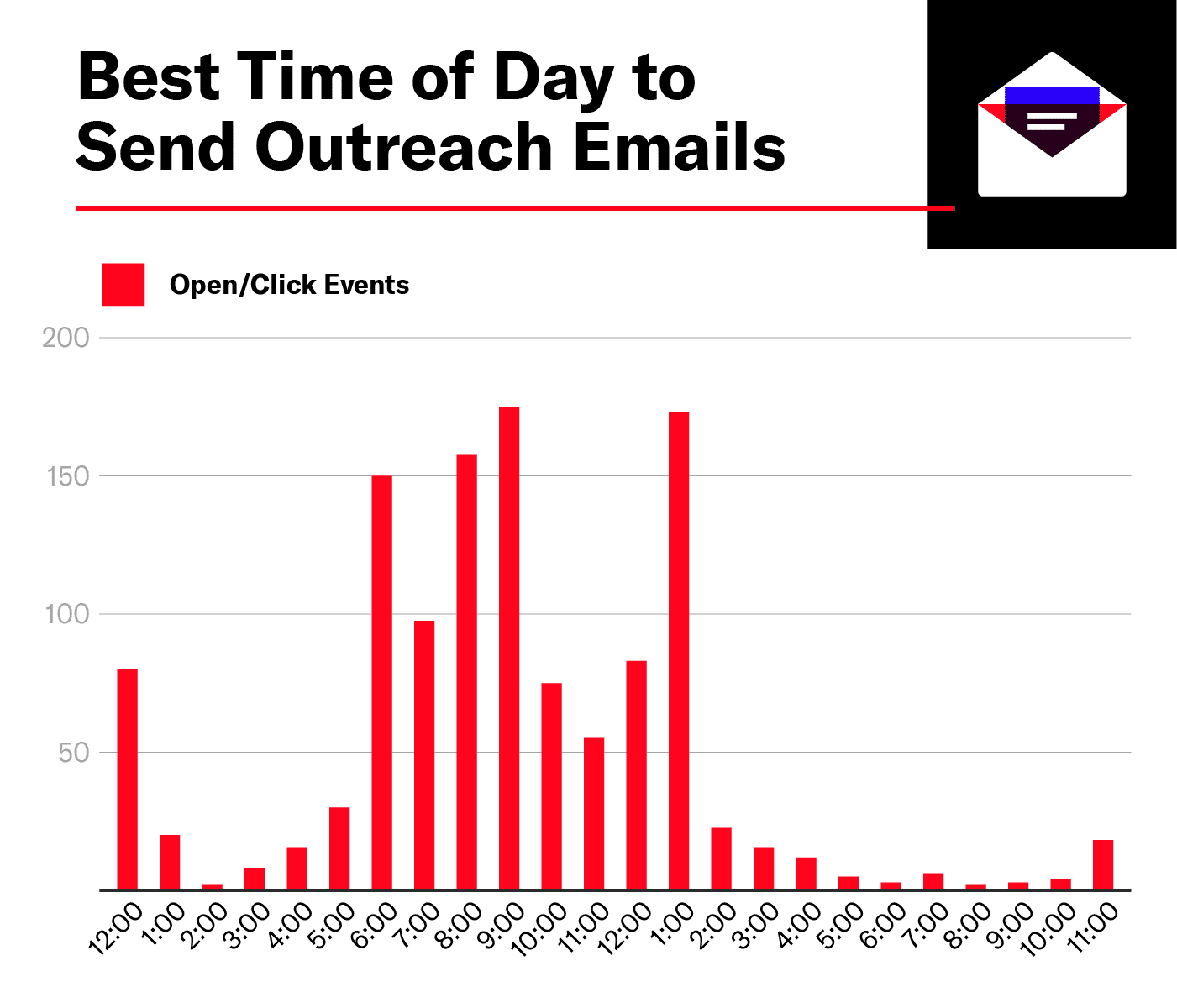
Siege Media has looked specifically at email outreach (excluding newsletters and email blasts) and determined that the best times to send these types of emails is either 8-9 am or 1pm.
For cold email outreach, early morning and early afternoon often perform well because that is when many professionals check their inbox before meetings or after lunch. A send time like 9 am can work well for some audiences, while others may respond better later in the day.
Coincidentally, these are also the times people start their average workday and return from lunch break, thus more likely to check their inboxes.
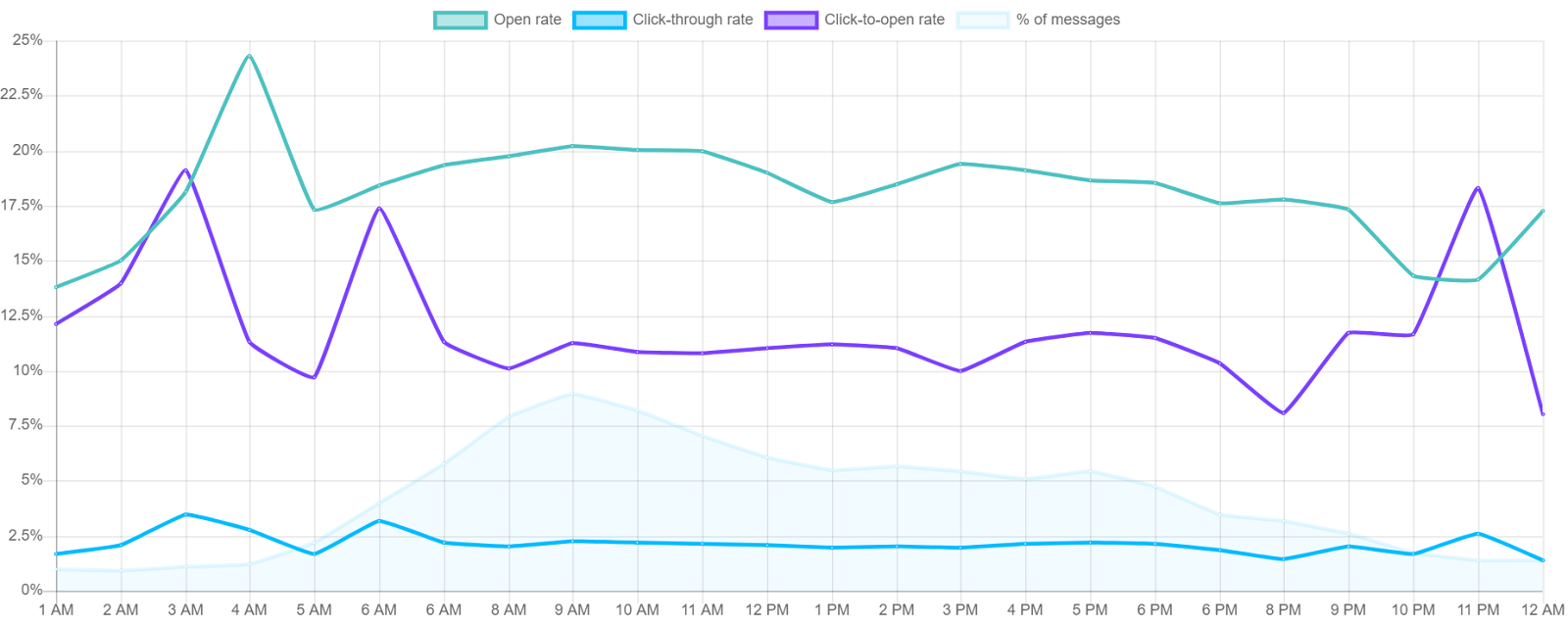
GetResponse, on the other hand, conducted a similar study and got a rather surprising result: according to them, the highest open rate across the world was actually around 3-4 am.
This only reinforces the importance of considering your recipient’s time zone when preparing your outreach campaigns.
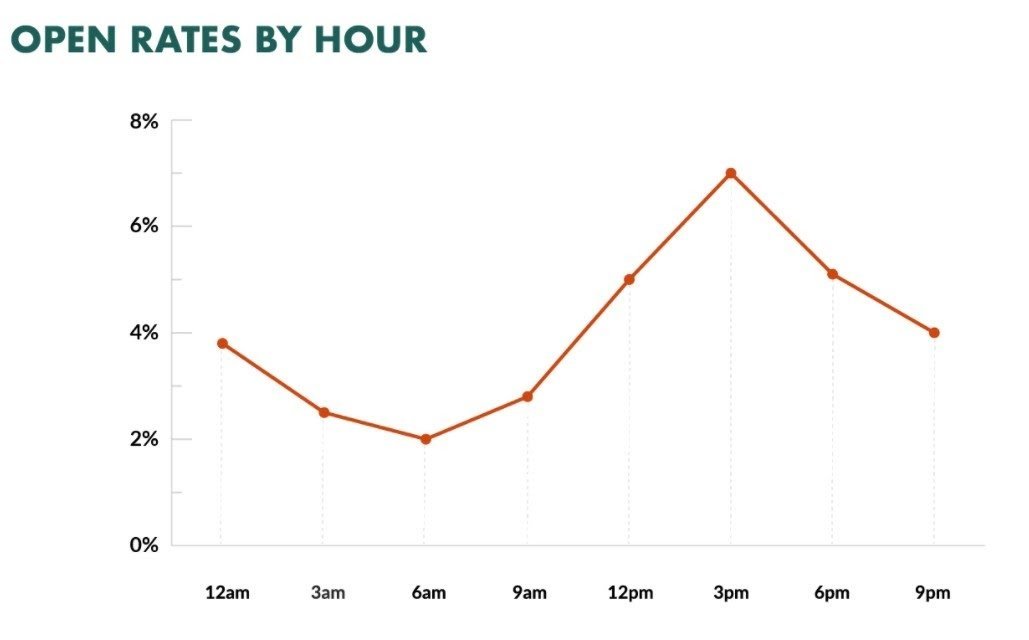
Another study we want to mention is one done by SuperOffice. In their data, open rates peaked at 3 pm.
This is especially important for global campaigns where your subscribers may be spread across different time zones. An email that performs well in one region may underperform in another simply because it reaches the recipient at the wrong moment.
So, with so many studies showing wildly different results, who do you believe?
You have to consider that each study was done with a different audience, in different niches, at different times of the year. Additionally, there are more factors that contribute to open rates than just the time at which your email was sent.
This includes:
- Your email domain health
- Your subject lines
- The actual content of your email
- The quality of your email list
- Whether the outreach is cold or warm
So, take these findings with a tiny grain of salt, and find the “golden middle”.
Generally speaking, sending an email throughout working hours is fine. However, you’re more likely to get yours opened if you send it anywhere from 10am-2pm.
For most business outreach, the best time is not a single exact hour but a window where the recipient is active during business hours. That is why many email marketing teams focus on testing several send times instead of relying on one universal rule.
The Best Day to Send an Email
Now, let’s take a look at some statistics on which days are more likely to yield the best email results for your outreach marketing campaign.
The answer to this question is a bit simpler than the previous one.
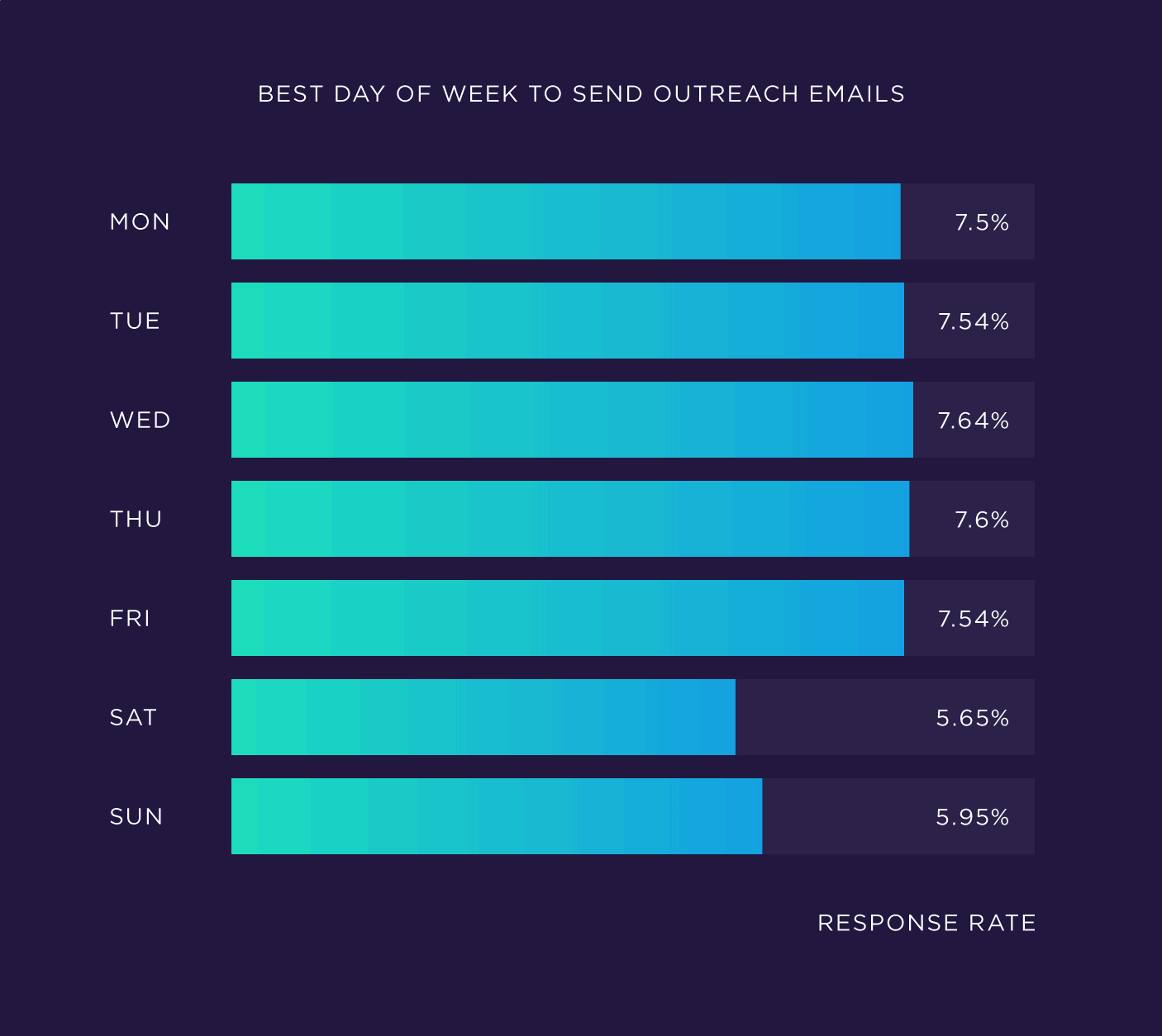
If you are trying to identify the best day for an email campaign, weekday timing tends to be more reliable than weekends. For most marketing emails, Tuesday through Thursday often produce steady engagement, while Saturday and Sunday usually underperform.
A study by Backlinko indicates that the open rates throughout the week are more or less the same – with only a 0.14% difference between the “worst” day (Monday), and the “best” day, which is Wednesday.
This coincides with GetResponse’s study: except theirs shows a slightly bigger difference of 0,73% between Thursday and Friday.
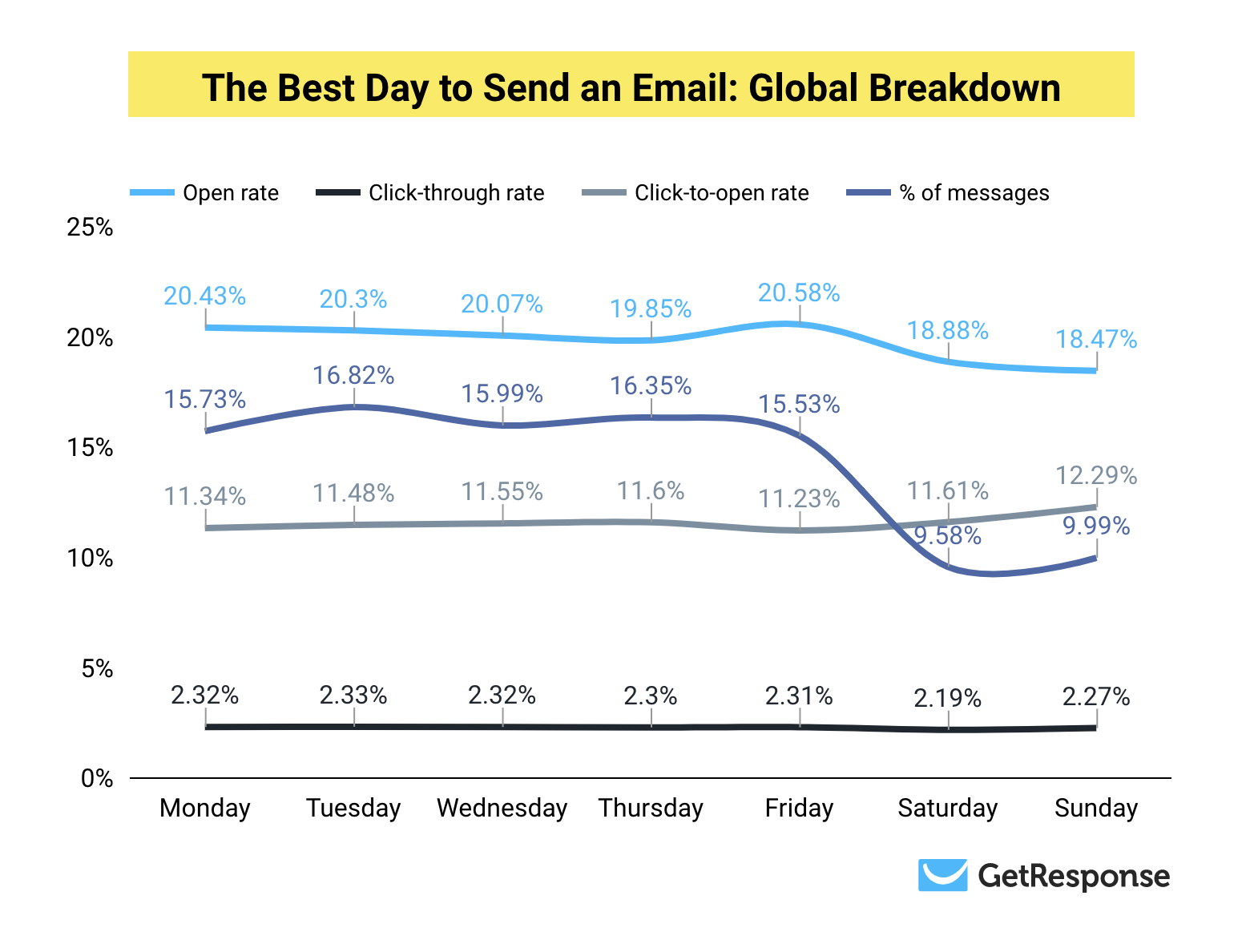
The verdict?
All week is good for sending email campaigns except for Saturday and Sunday.
The differences in open rates are minimal and should only be taken into account by those of you aiming to get the absolute most out of your outreach efforts.
For the average link building email, however, you can get great results by just sticking to the 10am-2pm schedule.
In other words, the best day is usually less important than overall email timing, message relevance, and recipient fit. Still, for send time optimization, weekdays remain the safest option for most campaigns.
What’s the Worst Time to Send an Email?
Now that we’ve established what the best time to send an email is, let’s take a look at the absolute worst time to send an email.
And that is anything that’s outside office hours, especially during the weekend.
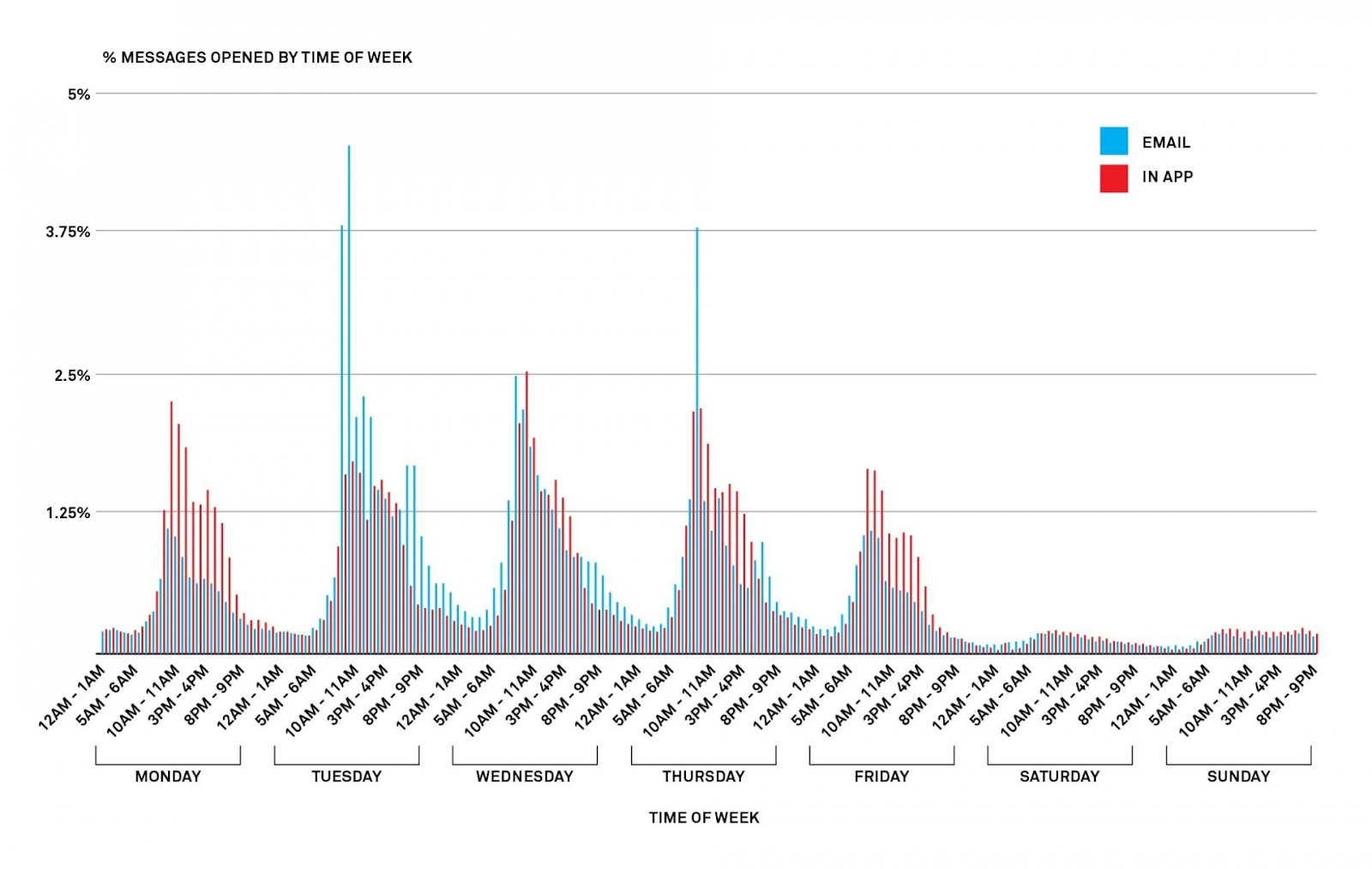
People just want to enjoy their personal time off, so don’t waste your time and effort trying to reach out to them during that time.
Sending outside work hours usually hurts engagement rates because your email competes with everything else waiting in the inbox the next morning. This is particularly true for cold emails, b2b email outreach, and marketing email campaigns that depend on quick visibility.
How Many Emails Should You Send Per Week?
The number of emails you send per week can also have a massive impact on your open and reply rates.
This matters for email marketing because high volume does not always equal better results. If you send too many campaigns too quickly, your engagement can drop, your open rate can decline, and your domain reputation can suffer.
More specifically, the greater the number of messages you send from a single email, the lesser your email engagement rates will become.
Why is that? After all, it seems logical that the more people you reach out to, the more of them will see and reply to you.
There is a phenomenon called domain reputation that you need to be aware of.
The higher your domain reputation is, the more likely your emails are to actually be delivered to your recipients’ inboxes rather than their spam folders.
For an email marketer, managing volume is just as important as choosing the best time. A strong campaign combines good send time decisions with healthy sending practices.
The more emails you send in a short period of time, the greater your chance is to trigger spam filters or even manually get flagged as spam.

Over the past couple of years, we have delivered almost 85 thousand emails:

Our conclusion is that the ideal weekly number of sent emails should be limited to 250 per account.
That’s just 50 emails every day.
More than that, your domain reputation starts to decline.
Of course, if you have a large lead list with thousands of prospects to contact, sending your campaign at this pace is going to take forever.
This is why we recommend splitting the load between several email accounts, each limited to no more than 50 daily messages.
This way, you’ll both be able to send a large number of emails in a reasonable amount of time and keep your domain reputation high.
Key Takeaways From Recent Studies
There seems to be little to no consensus between all of the email-sending time studies.
Different studies often report a different time as the best time to send an email because audiences behave differently. B2c emails, cold email campaigns, promotional email sends, and email newsletter campaigns all have different engagement patterns.
Well, if there’s one thing that’s certain, it’s that the best time and day to send an email isn’t a one-size-fits-all solution.
Whether you’re sending outreach emails, digital marketing information, or an email newsletter, the open rates and engagement across different industries can vary wildly.
So how do you figure out the ideal time and day to send your emails? Well, it could be a case of trial and error.
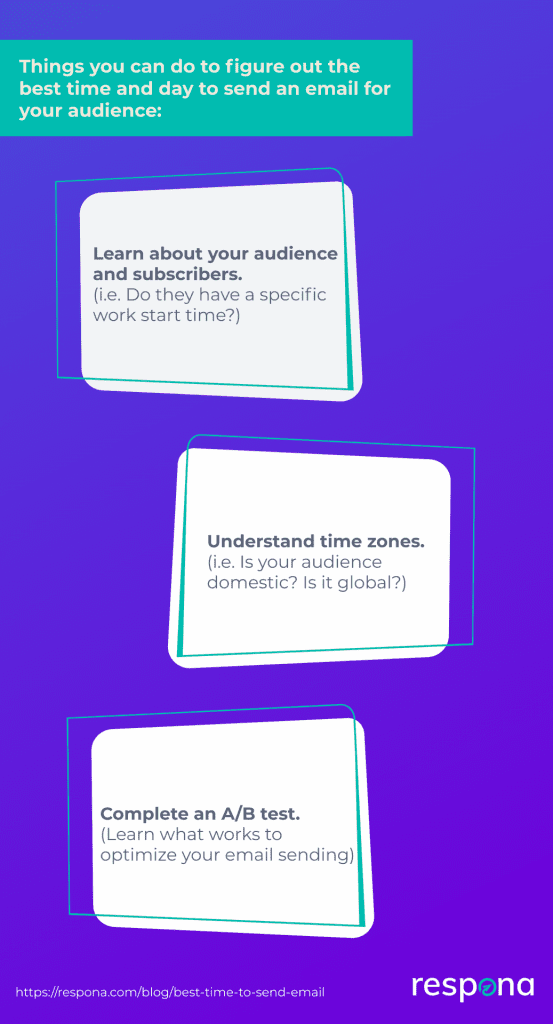
Start by learning about your audience and subscribers – do they tend to have a different work start time?
You’ll also want to understand the time zone differences – are you targeting local or global markets?
After that, you’ll want to launch an A/B test to see what works for your own email sending times.
But don’t forget, getting a high open rate isn’t just about sending emails at the perfect time – there’s plenty more that goes into a successful marketing email campaign.
That is why an ab test is so important. Instead of copying a benchmark blindly, test different timing options and compare open rate, click through rate, and reply performance across each campaign.
How to Find the Best Time to Send Your Email
Now, let’s take a look at some of the exact things you can do to figure out a sending time that works for your outreach campaigns.
The best way to improve send time optimization is to combine audience research with campaign data. Once you understand your target audience and how recipients behave, you can make smarter decisions about when to launch each email campaign.
Learn Your Audience
The first step is to research your target audience.
Researching your audience is an essential step in figuring out the best time to send them an email.
To begin your research, you should start by gathering data about your target audience. This can include demographic information such as age, gender, location, job title, income level, and interests.
You should also look into their online habits and preferences, such as the times of day they are most active online and the types of content they engage with.
Once you’ve collected this data, you can use it to create a personalized schedule for when is the best time to send them an email.
For example, if your audience is mostly young professionals, you may want to send your email during the morning hours when they are most likely to be checking their emails.
Alternatively, if you’re targeting older adults, you may want to send your email in the evening or on the weekend when they are more likely to have the time to read and respond to your message.
A good idea is also to review your email analytics to see when your past emails have performed best.
This will give you an idea of what times of day your audience is most likely to engage with your emails, and you can use this information to refine your email schedule.
You should also consider how your subscribers consume email. Some may check messages on a mobile device during their commute, while others may only review inboxes during work hours. That difference can affect the best time for your campaign.
Track Your Campaigns
This may seem like basic advice, but you’d be surprised at how many junior outreach teams forego this process.
Tracking campaign performance is essential if you want better engagement over time. Watching metrics like email open rate, click rate, and replies will help you understand whether your current email timing is actually working.
The two most important metrics you need to keep in mind are, of course, your open and reply rates.
A low email open rates may indicate one of several things:
- Your email timing is off
- Your email subject line failed to catch their attention
- Your email ended up in their spam folder
- Your pitch was irrelevant to the person you reached out to
And a poor reply rate indicates that even if a person opened your email, your actual content wasn’t strong enough to elicit a response (such as a lack of a good call-to-action or poor relevance).
A/B Test
A/B testing is a great way to figure out the best time to send an email.
The basic idea behind A/B testing is to create two different versions of an email and send them to two different sets of people. You can then measure the results of each version and determine which version performs better.
An ab test helps you compare two different send times, two different subject lines, or even two different campaign structures. This makes it easier to identify which version creates higher engagement and which timing works best for your recipients.
When it comes to determining the optimal time to send an email, you can use A/B testing to test two different times of the day.
You can then measure how many people opened the email along with the click rate of the link in the email. This will give you an indication of which time of day works better.
You can also use A/B testing to test different days of the week.
You can choose two different days and send the same email to each group.
Again, you can measure how many people opened the email and how many people clicked on the link in the email. This way, you can find out which day your audience is most active.
Tips to Launch an Outstanding Cold Email Outreach Campaign
We’ve already mentioned that there’s much more to a successful email outreach campaign than simply picking the perfect time to send.
Let’s take a look at what these things are.
Find the Right Prospect (and Contact Email)
Before you even start your campaign, the very first thing you can do to ensure a high open and reply rate is to find relevant prospects.
This means not just finding “an email” at the company you’re reaching out to, but “the email” to contact.
So, for example, for link building campaigns, you need to target SEO and content managers, for a transactional email you want to target higher-ups with actual decision-making powers, and for collaborations, it’s best to target marketing departments.
Craft the Perfect Email Sequence
Your actual email sequence is arguably more important than the time at which you send it (unless you’re thinking of outreaching on a Saturday, of course).
A strong email campaign depends on more than timing. Your subject line, subject lines across follow-ups, and the overall email content all influence whether the recipient opens the message and responds.
The first step is to come up with a solid subject line. This might be your only chance to get your prospect to click on your message, so don’t whiff it.
A solid subject line should be short yet straight to the point, while providing the user with enough context to immediately guess what they can expect after they open your message.
Marketing email and sales emails often need a more direct subject line, while cold email outreach may benefit from a softer and more curiosity-driven approach.
It checks all of these boxes.
Next, the actual body of your email.
It needs to be relevant and have a strong incentive for your prospect.
Have a look at the full template we used:
Hi {first_name},
Would it be ok to send over a few topic ideas for your blog?
I’d love to do keyword research and find what terms your competitors are ranking for, but {Website_name} isn’t.
No strings attached if you didn’t like the topics.
P.S. Here’s an example of one of the guest content pieces I’ve written recently: (Example content URL)
(Signature)
It shows genuine interest in puiblishing on our recipient’s website, and the fact that we’re ready to do keyword research to provide topics that are not only useful for us to post, but also help them to close a keyword gap on their website.
Such a pitch is hard to ignore.
Next, the follow-ups.
We recommend to sticking to only 1-2 follow-ups for all types of communications.
If after receiving three emails from you (including the original message) a person still doesn’t message you back, they’re probably not interested in what you have to offer.
So, any further follow-ups don’t increase your chances of getting a response. Quite the contrary – you’re only more likely to get flagged as spam.
We also recommend spacing out your follow-ups with at least 3 business days between each message.
It is also a good idea to connect with your prospect on social media before sending them your email.
Check for Spam Words
Running a spam word check only takes a few seconds, but can save your domain reputation form taking a massive hit.
Besides the obvious “free”, “register now”, “only available for”, and so on, there are hundreds of spam words and phrases that are impossible to remember.
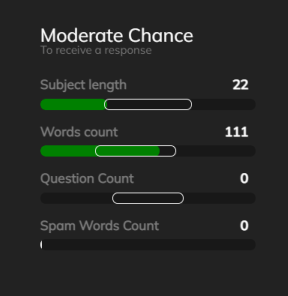
Just hit the red/orange/green button (it changes color depending on your current chance to get a response) in the top right corner of the email editor and it’ll pop up.
Personalize!
Nobody likes a mass email blast.
Even if a prospect opens your email but sees that it’s completely unpersonalized and has likely been sent to hundreds of other people, your chances of getting a reply from them are slim.
In our experience, for a link building email, the best kind of personalization for a link building email is how exactly your prospect would benefit from collaborating. The exact post for their link, for example.
Follow a custom schedule
Make sure to take your prospects’ time zones into consideration, and avoid sending emails on weekends.

Pro tip: if your prospects are spread across multiple regions, build separate schedules for each time zone instead of sending everything at one time. That simple change can lead to higher engagement and better overall campaign results.
Want Better Results From Your Outreach?
Even if you nail the best time to send an email, timing alone won’t carry your campaign.
The real results come from a combination of:
- reaching the right prospects
- sending relevant, personalized emails
- following up consistently
- and building relationships over time
That’s where most teams struggle. Not with send time, but with everything around it.
Our done-for-you link building handles this entire process for you.
We don’t just send cold emails. We:
- find relevant prospects in your niche
- personalize outreach at scale
- secure placements on real websites
- and build links that actually improve your rankings
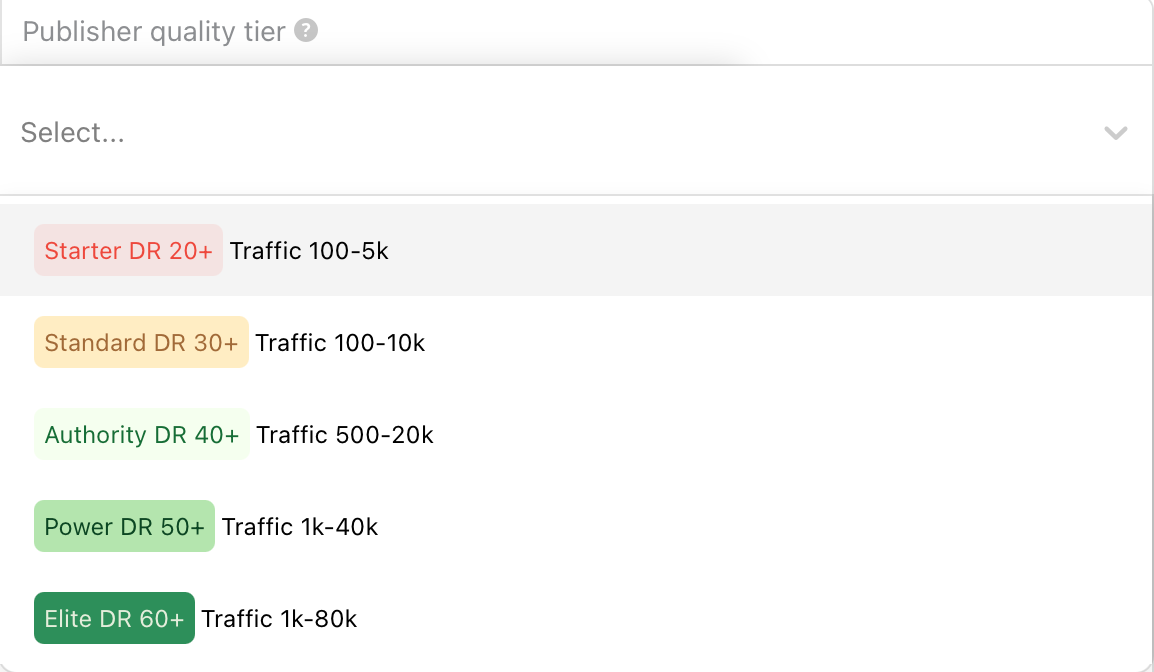
All you have to do is place an order along with your requirements and quality tier. We do the rest.
Those placements also do more than just improve SEO.
They increase your AI visibility.
A lot of AI tools now pull from the same articles we place you on. So when your brand shows up consistently across those sources, you start appearing in AI-generated answers as well.
We’ve also built our Campaigns feature around this.
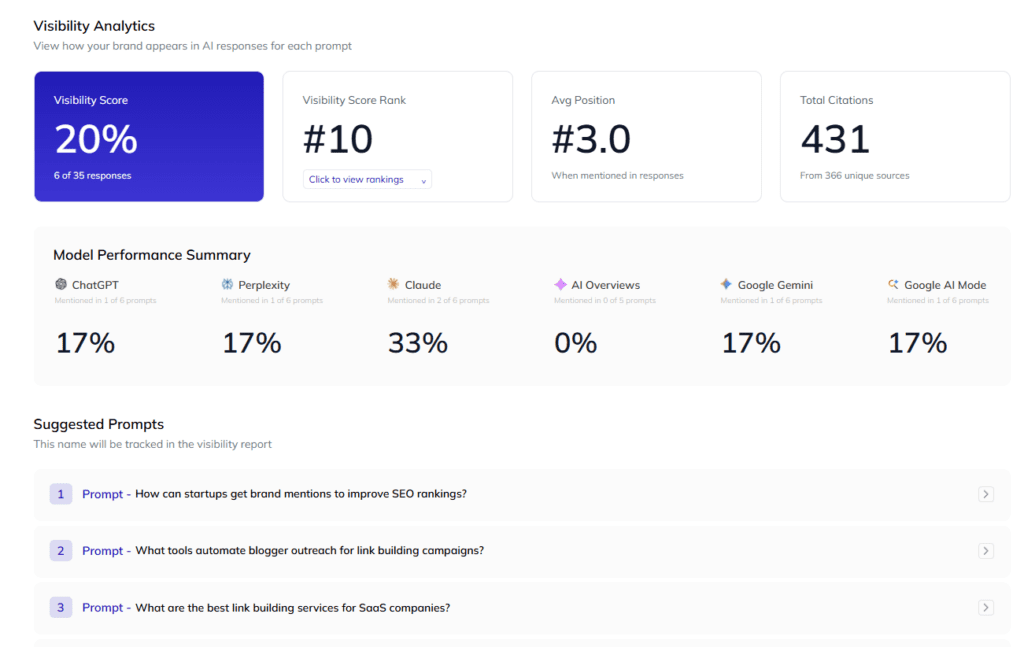
It tracks how often your brand appears across major AI platforms for the prompts that matter to your business, then shows you exactly which sources are getting cited and where you need placements.
So instead of guessing what to do next, you get a clear action plan based on real data.
Link building cheat sheet
Now Over to You
So, what is the best time to send an email?
For most campaigns, the best time is when your recipient is active, available, and most likely to engage with your message. In many cases, that means weekday business hours, especially from late morning to early afternoon.
But great outreach is about more than just email timing.
To get real results, you also need the right prospects, relevant personalization, a strong subject line, and a campaign structure that gives your message the best possible chance of earning a response.
That is especially true for link building outreach, where success depends on reaching the right recipient with the right message at the right time.
If you want the results of a strong outreach campaign without managing prospecting, personalization, and follow-ups yourself, our team can help.
Our done-for-you link building helps brands earn high-quality backlinks through personalized outreach, relationship-driven prospecting, and strategic campaign execution.
That means you can grow your organic visibility without having to run every campaign in-house.
Frequently Asked Questions (FAQ)
Is it better to send cold email campaigns in the morning or evening?
For most cold email campaigns, morning or early afternoon tends to work better than evening. Sending during business hours gives your recipient a better chance of seeing and replying to the email.
Should you send emails on weekends?
In most cases, no. Weekend sends usually lead to lower engagement, especially for b2b email, marketing emails, and outreach campaigns.
When should you NOT send an email?
You should generally avoid sending outside work hours, late at night, or during times when your recipient is unlikely to check their inbox. Poor timing can reduce open rate and overall engagement.
Is Monday a good day to send emails?
Monday can work, but it is not always the best day. Many marketers see slightly better engagement on Tuesday, Wednesday, or Thursday.
Should you send emails during holidays?
If you have customers who expect to receive emails during the holiday season (Black Friday, for example), such as a promotional email or special offers, then it makes sense to send emails during the holiday seasonHowever, if you’re thinking of other types of communication such as B2B email or even link building, it’s best to avoid the holiday season.