
Do you find it hard to get local links for your business?
We know local link building can be as challenging as any other kind of link building.
The truth is that link building is still one of the most important ranking factors.
Rest assured that it can make a big difference to your local rankings.
Getting high quality backlinks from other local businesses and local organizations can help you improve your site’s domain authority and, ultimately, get higher rankings on the search engine results pages (SERPs) for local terms.
That’s why we’ve created a local link building guide with everything you need to know when it comes to building links locally.
To be more precise, in this guide we’re going to discuss what local link building is, why local links are important, and the most prominent local linking tactics for improving your local SEO.
As well as take you through a step-by-step process for doing local link building right.
We’ve got lots to cover so let’s get started.
Key Takeaways:
- Local link building is the process of earning links from location-specific sources. Think nearby businesses, area newspapers, regional bloggers, geographically relevant directories, and chamber listings. These signals tell Google your site is a credible part of the local community in your area.
- The strongest local seo strategy combines on-page work with off-page signals. Local keyword research, on-site optimisation, structured data, and a clean Google Business Profile get you only part of the way. Earning links from a local blog, local newspaper, or trusted local directory is what pushes you past competitors with similar on-page setups.
- A single valuable backlink from a trusted regional source often outperforms ten low-quality directory listings. Quality and topical relevance matter more than volume.
- Local seo success compounds over time. Each placement increases the chances of earning another, because trusted publications cite trusted businesses, and bloggers in your area discover you through coverage in local news outlets.
- AI search engines now lean on these signals too. When a user asks ChatGPT, Perplexity, or Google AI Overviews for “best [service] in [city],” the recommendations come from the same local seo links and citations that drive Google rankings.
- Manual outreach works, but it’s slow. Building a strong link profile takes hours of weekly effort. Done-for-you services close that gap by handling the prospecting, pitching, and follow-ups behind the scenes.
Link building cheat sheet
What is Local Link Building?
Local link building is the process of getting backlinks from relevant local websites.
Local link building can help you improve your organic positions for terms that indicate search on a local level – AKA local searches – and thus help you reach a wider local audience of potential customers.
To put it simply, local link building refers to the process of getting links, brand mentions, and references from other local businesses.
Overall, local links are links from sources that are location-specific.
What does this mean?
It means that you might be a small business based in New York that gets high-quality links from local directories.
We’ll have more on the benefits of local backlinks a little further down in this post.
We need to highlight that, when it comes to local SEO link building, it’s essential to do it as part of your overall local search engine optimization (SEO) strategy.
The following definition of local SEO says it all:
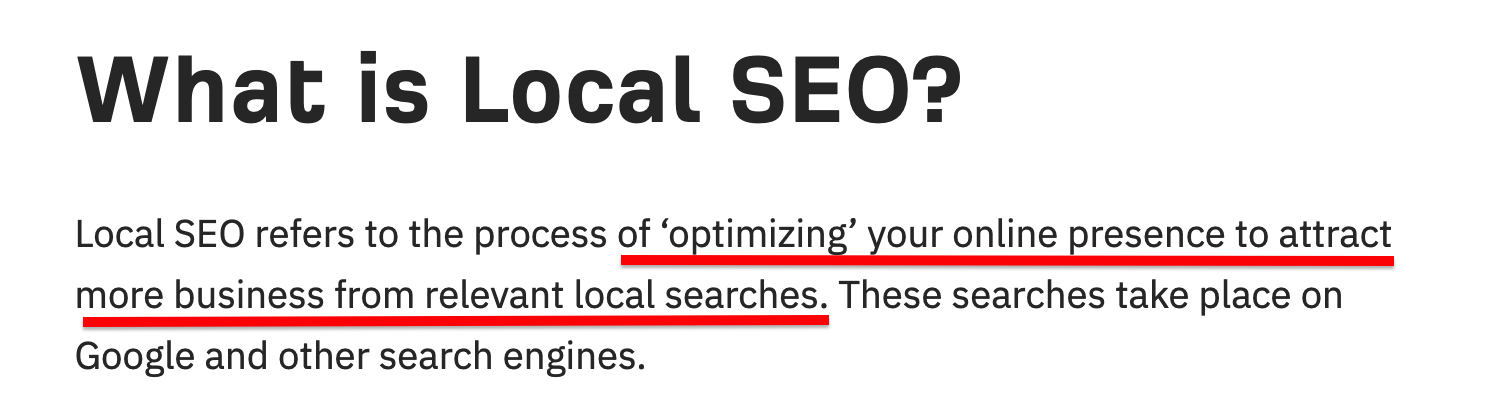
As we can see, local SEO is basically the process of boosting your online presence on a location-specific basis in order to get your business to attract more visitors from organic search and, ultimately, get more leads and generate revenue on a local level.
Since link building is an integral part of every SEO strategy, getting link equity from other local web pages can have a significant impact on your local SEO effort.
Of course, other things like having a Google My Business page and a listing on the Google Map with testimonials and local citations from your local customers can help as well.
Local link building can work as an amplifier for your website and thus can help in getting more visitors to your local website.
I believe that you now have an idea of what local backlink building and local SEO is.
Let’s move on with our guide, where we’ll talk about the significance of local backlinks and also check out a few great examples.
Why Are Local Backlinks Important?
Before we get any deeper into how you could use local linking, let’s start by answering the burning question.
Why are local backlinks important?
As we mentioned earlier, local link building can be important because it helps our website on an SEO level, which, by extension, can lead to getting more organic traffic and generating more leads and revenue for our business.
This can be truly beneficial as a link building tactic because getting backlinks from local websites with high Domain Authority (DA) works as proof to the search engines that your website is a valuable resource in terms of local searches.
Consequently, the search engines are very likely to favor your resources over others that might not be as popular, geographically speaking.
According to a 2018 Local Search Ranking Factors survey by Moz, backlinks – as well as the number of referring domains and the linked text – is an important localized ranking factor.
Have a look:
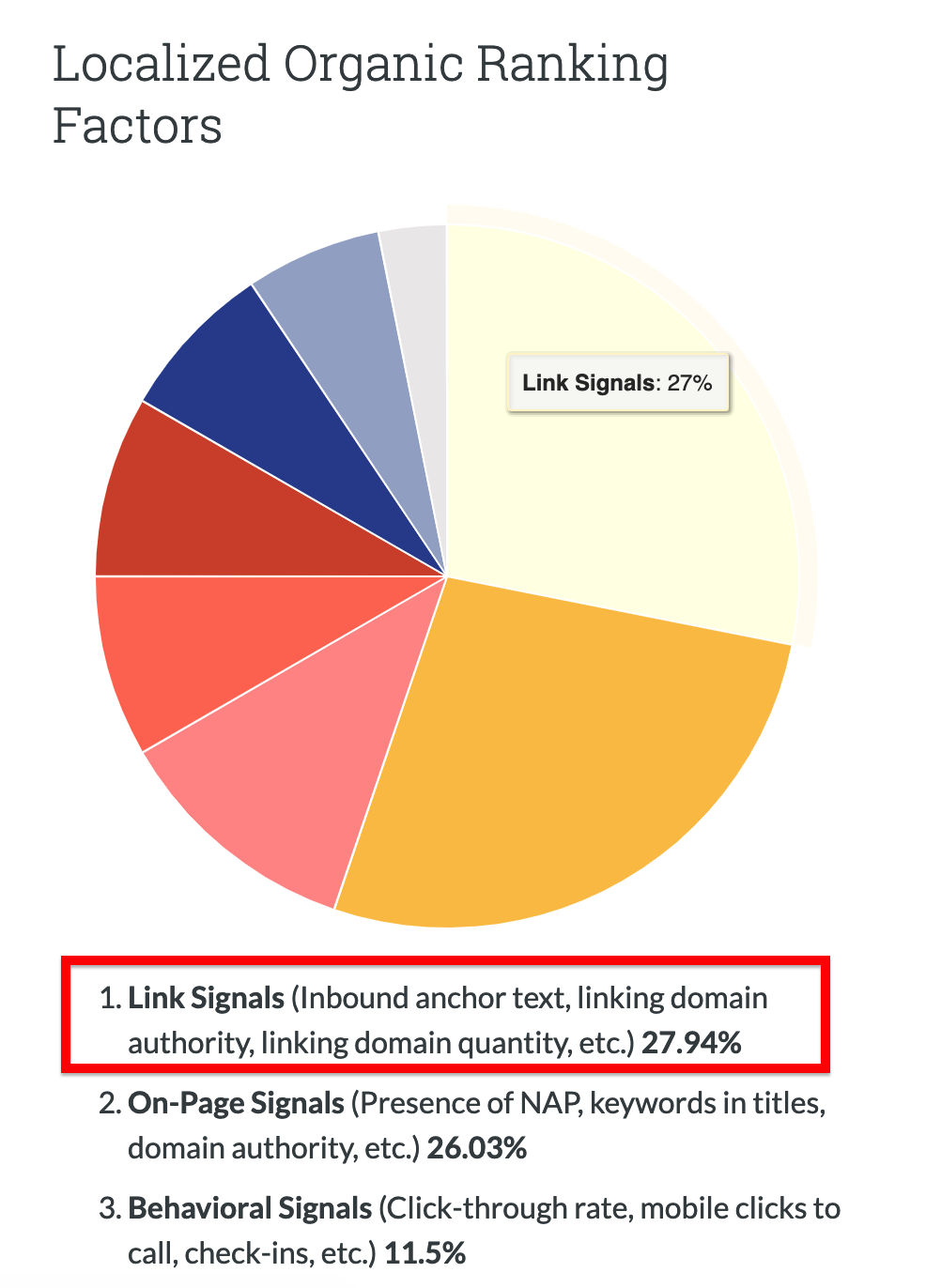
As we can see, link signals, such as inbound anchor text, linking domain authority, linking domain quantity, etc., take up the biggest part of the pie chart of the localized organic ranking factors, with over 27%.
The following example will help us illustrate the importance of local backlinks.
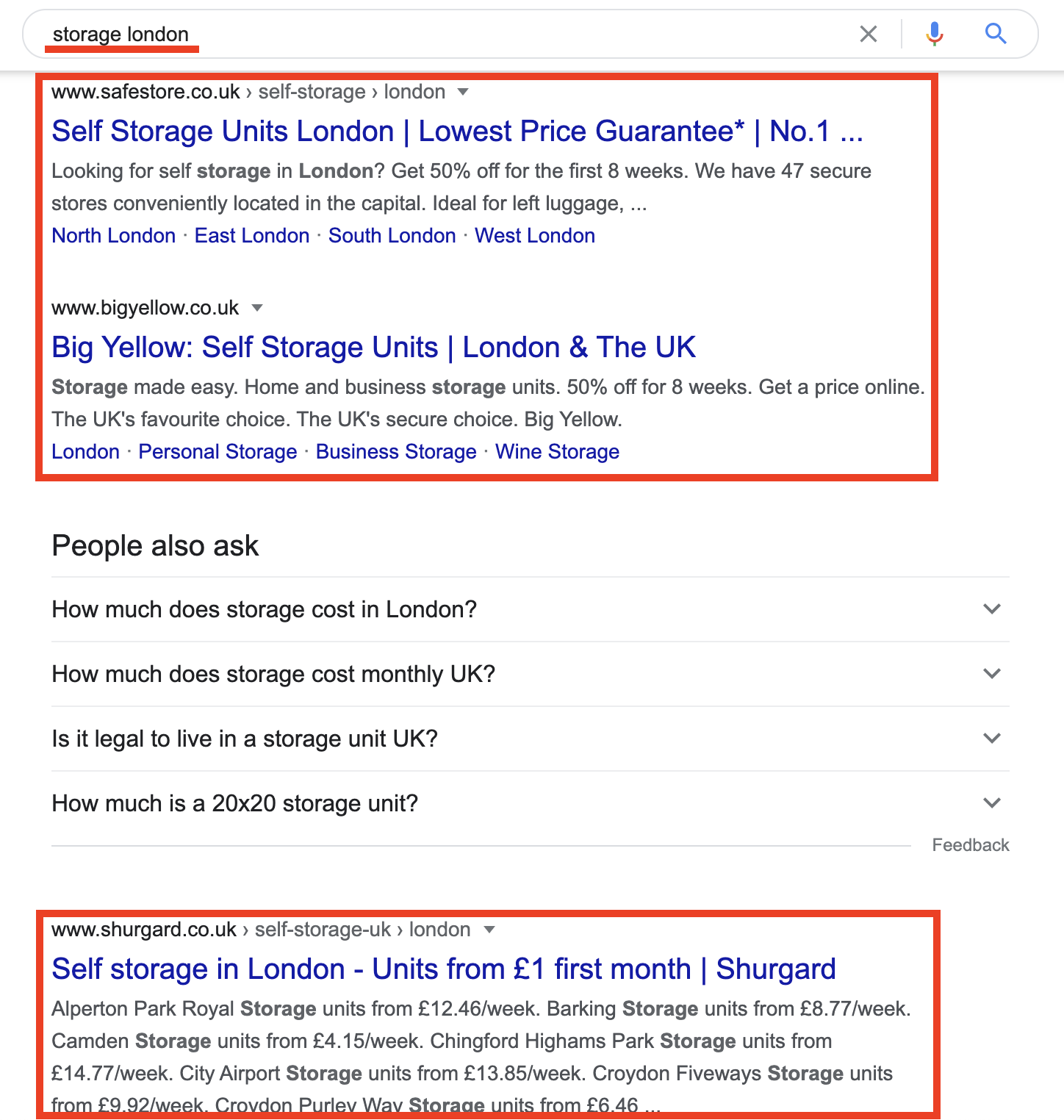
To show you how this works we’re using a search operator that will give us location-specific results.
Our search operator is as simple as this:
Needless to say that we could have used alternative search operators that would work in a similar way.
Here’re a few examples of alternative search operators for that same local search:
- storage in London
- self storage London
- storage near me
- storage London center
- storage units London
And so on and so forth.
What we see on the screenshot above are the top results we got from our simple Google search.
How about having a closer look at these three pages, so that we understand what drives rankings in this local search engine results page (SERP)?
First up is the Self Storage Units London page.
As we can see, the page has 93 referring domains linking back to it.

The same applies to the second page we got from our Google search, with an even higher number of referring domains – over 1,000 referring domains and over 16,000 backlinks.

Last but not least, the third result also gets a number of referring domains pointing back to it.

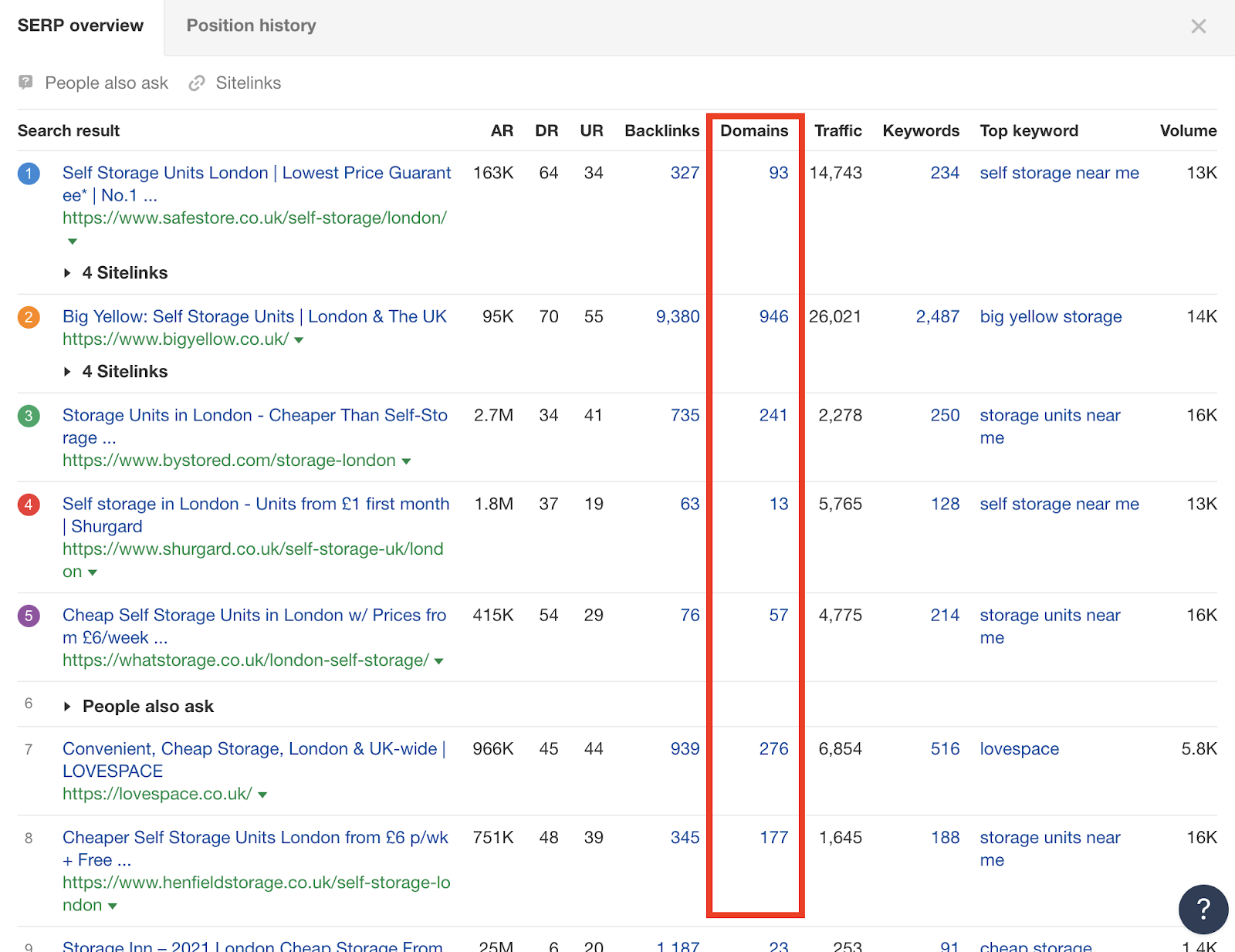
We therefore understand that the top Google results are pages that get high numbers – some higher than others – backlinks from local directories and other local businesses.
That might be only one of Google’s ranking factors, but it’s certainly a rather important one.
Here’s an overview of all pages that rank at the top of the results for that particular term.
All these have high numbers of referring domains, probably domains from local businesses that have helped place these businesses high in local search results.
To be clear, we’re not saying that a page can’t rank for local searches without backlinks. We’re just saying that backlinks from relevant and authoritative websites can help a lot when it comes to getting higher positions on the SERPs.
So, in order to track improvement in your Google rankings (after getting backlinks), you can use a tool like SERP API which gives real-time updated of SERP data.
We’re just saying that backlinks from relevant and authoritative websites can help a lot when it comes to getting higher positions on the SERPs.
We’ve now established why focusing on getting local backlinks seems like a wise thing to do.
Let’s get into some general local link building strategies that can help you improve your local SEO and rank higher in local searches.
4 Local Link Building Strategies for Improving Your Local SEO
Wondering what some local link building strategies for getting local backlinks and improving your local SEO might be?
We’ve already seen that, when it comes to local backlinks and local SEO, it’s essential to focus on your online presence in terms of local businesses, local business owners, and the local community, such as local influencers and bloggers.
Without further ado, we’re jumping right into the first strategy we want to share with you.
Strategy #1: Local business directories
The first local link building idea for acquiring local backlinks is to make your business present in local business directories.
A local business directory is basically a list of businesses within a specific geographic location or industry.
In our case, we’re interested in online business directories, i.e. prominent ones like Yelp and other more niche ones, that focus on particular locations.
Let’s see an example.
Example: Storage companies in London
Like we did before, we’re using storage companies in a specific location to see how this local link building strategy works.
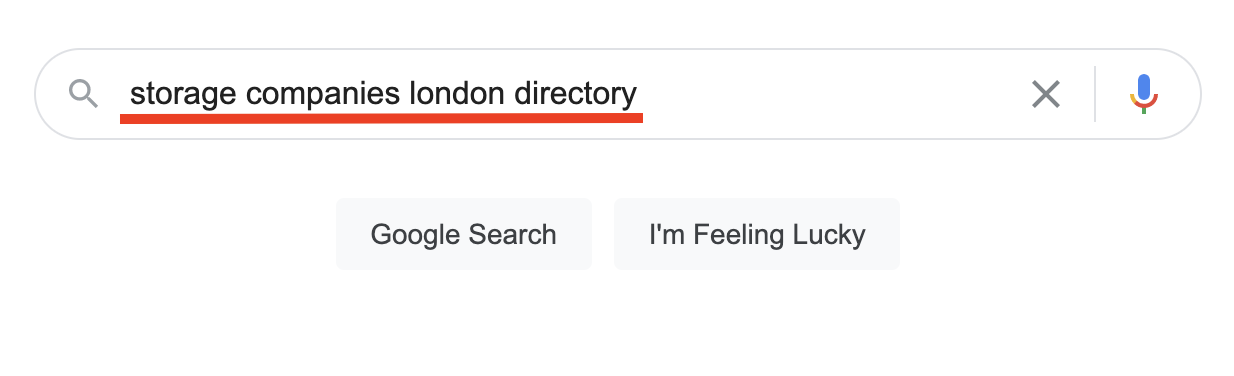
We want to find directories for storage companies in London so that we can get featured on those same location- and industry-specific directories as well.
We go looking for:
These are the results our search got us:
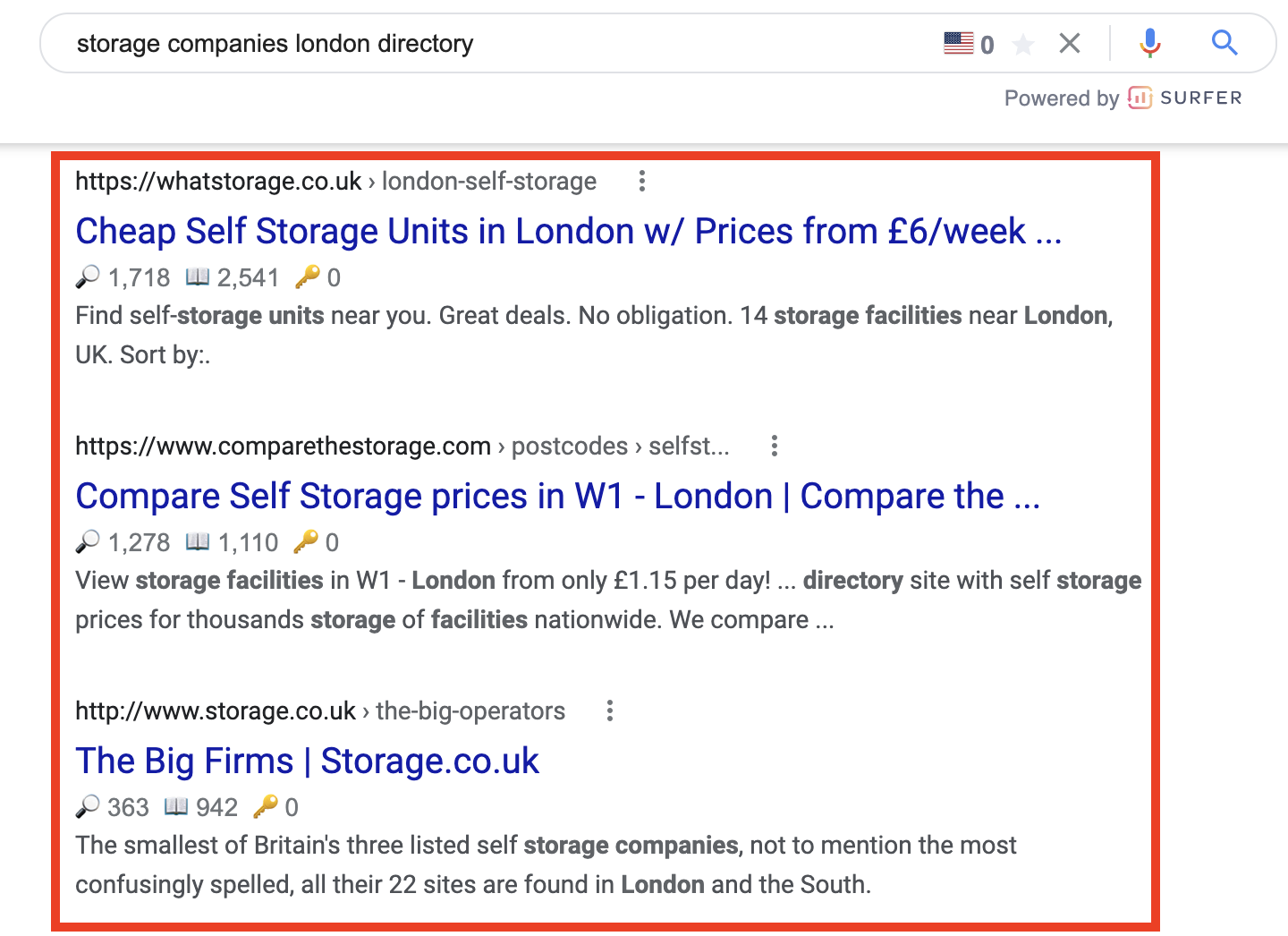
How about having a closer look at the first result, which comes from whatstorage.co.uk?
We click on the page and we can see that the first page is indeed a self-storage directory with several storage companies from London as business listings.
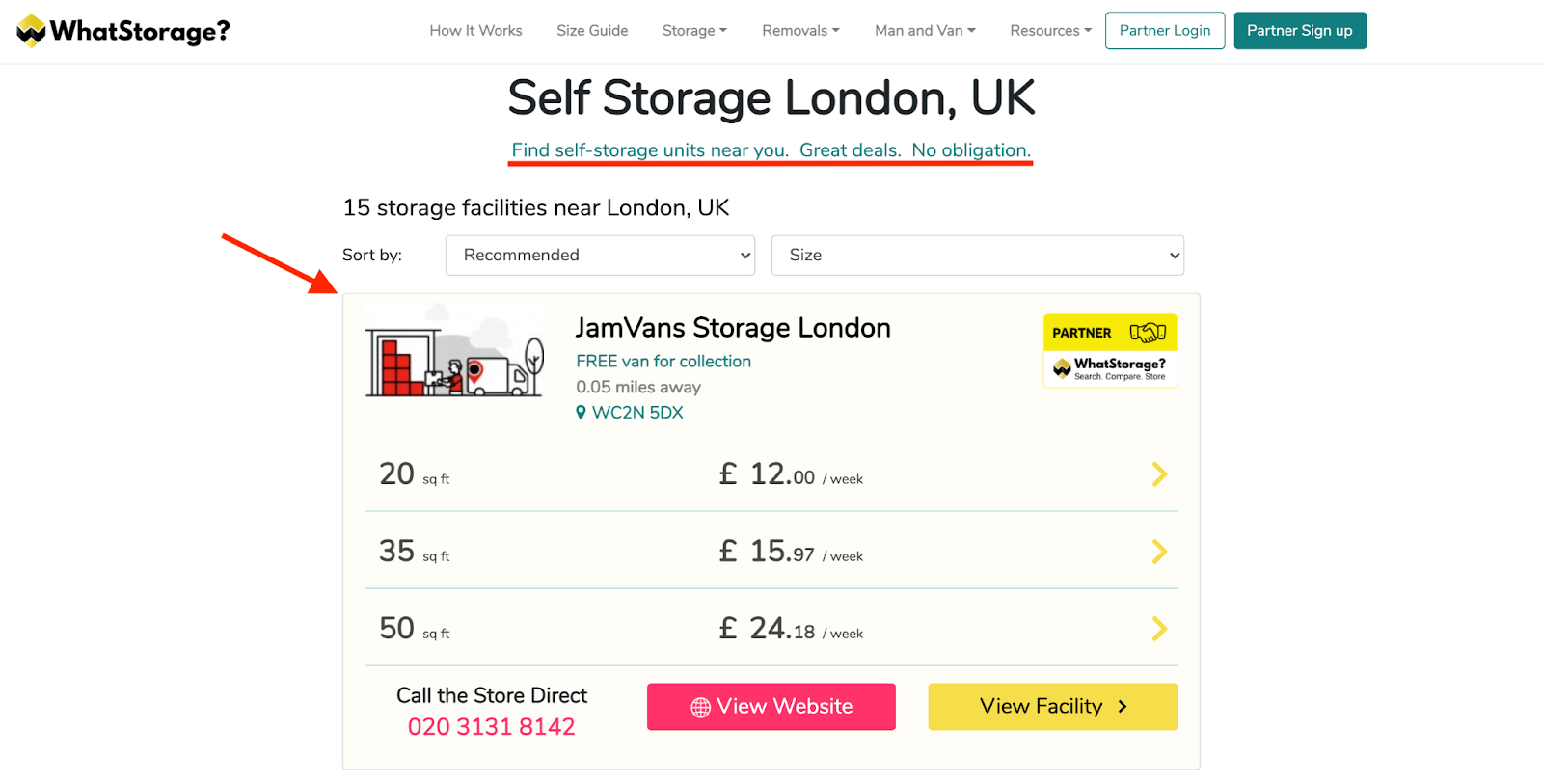
You can find some more details on how well this page does in terms of its organic visibility right below:

As we can see, this page gets – according to Ahrefs – more than 3.7K organic visits per month and has a traffic value of $45.4K per month, which means that the keywords that the page is ranking for have commercial value.
At the same time, the DR of the page is very good, which means that we’ll benefit from a listing in this local directory both in terms of getting link equity, as well as through getting relevant referral traffic.
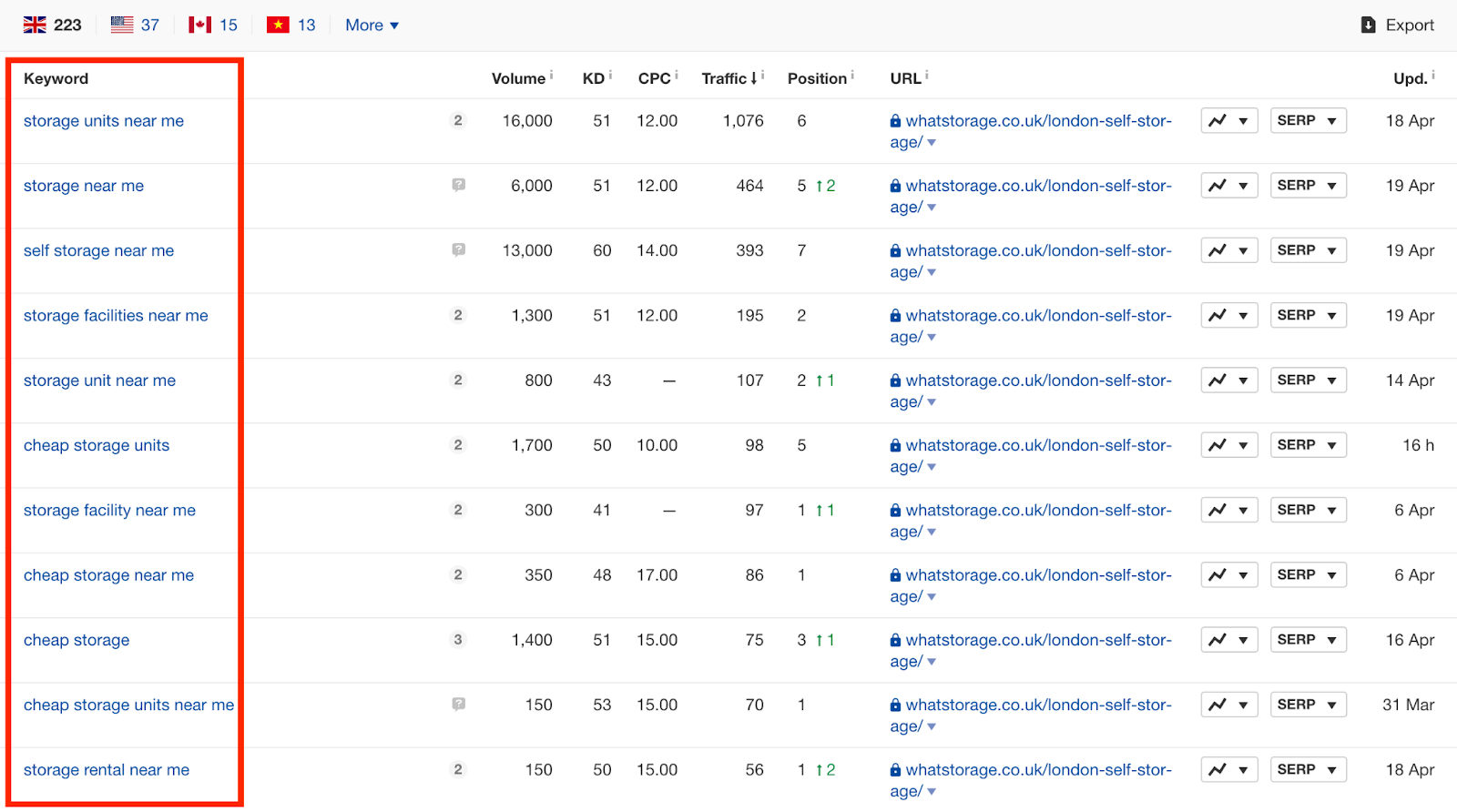
Author’s Note: To get link equity from another website, you’ll have to get a dofollow rather than a nofollow backlink.
Given this directory’s high ranking, we can only assume that the majority of location specific storage businesses would be delighted to be included in it and boost their backlink profile.
Keep reading to find yet another strategy to acquire local backlinks and improve your local SEO.
Strategy #2: Local press – local newspapers, news sites, etc.
Similar to getting your business included in local business directories, another local link building tactic is to get local press, like local newspapers and local news sites, to write about your business.
Doing so can help you achieve a double goal:
- Raise local awareness on your business
- Establish your business as a go-to resource in your niche and location
Let’s see an example.
Example: Nesta self-storage
Our example comes from one of the biggest self-storage businesses in Dublin, Nesta.
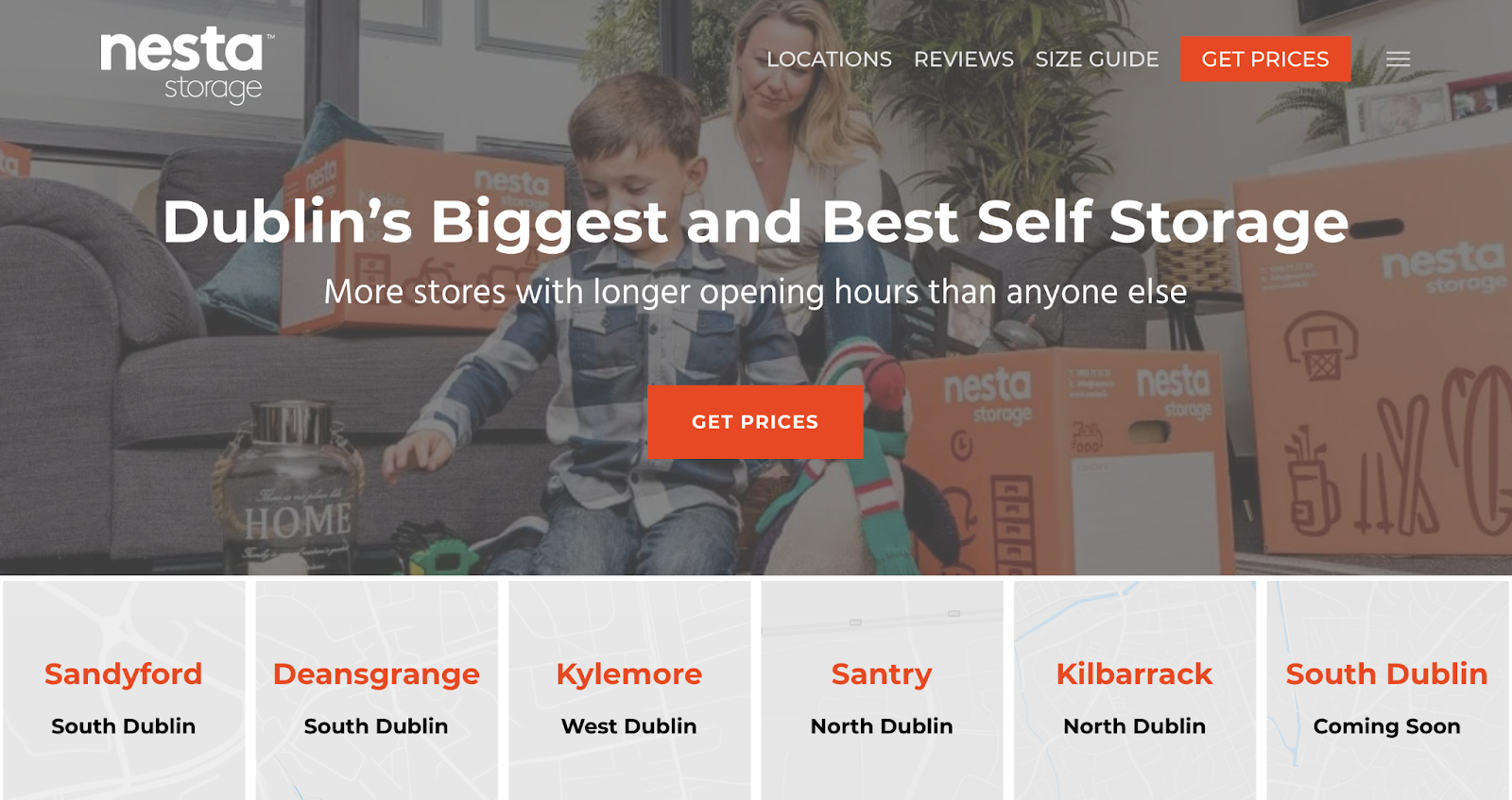
The company noted an upwards trend in the use of self-storage in Ireland during the COVID-19 pandemic and passed this to their SEO team.
More specifically, they were able to see the trend because their business grew significantly during the COVID-19 outbreak.
Based on identifying that trend, they got the opportunity to get some press coverage from the local media.
The result?
A popular local publication, Dublin Live, did an interview with the company’s CEO, Brian Hefferon for their Made in Dublin series.
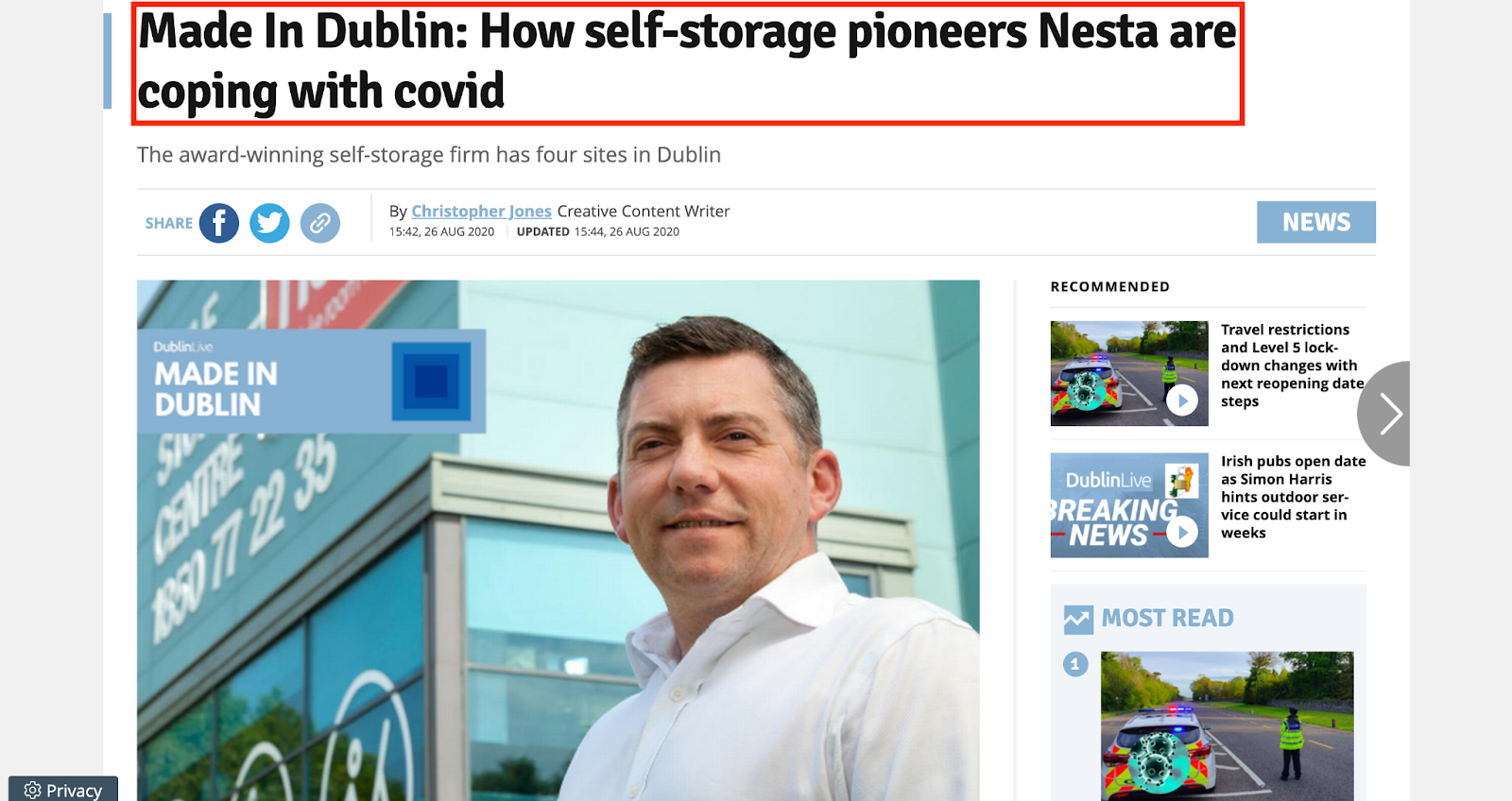
Pretty interesting, right?
Let’s get to the next local link building strategy we have for you.
Strategy #3: Local sponsorships and scholarships
Offering local sponsorships and scholarships can also help your business in terms of building local links and enhancing your local link profile.
The way this works is that you offer a sponsorship for a local event or scholarship for students that come from or might want to move to your local area to study.
Then, colleges and universities will naturally want to promote these opportunities to their students and keep them up to date in terms of scholarships that are available in the area.
In doing so they’re very likely to link back to your scholarship landing pages or other local content, thus helping your business’ website and SEO.
The example that follows will make this a bit more clear.
Example: OZ Moving & Storage
OZ Moving & Storage is a storage business with locations in:
- New York
- New Jersey
- Connecticut
- California
As you can see in the screenshot below, the company offers a scholarship program for college students.
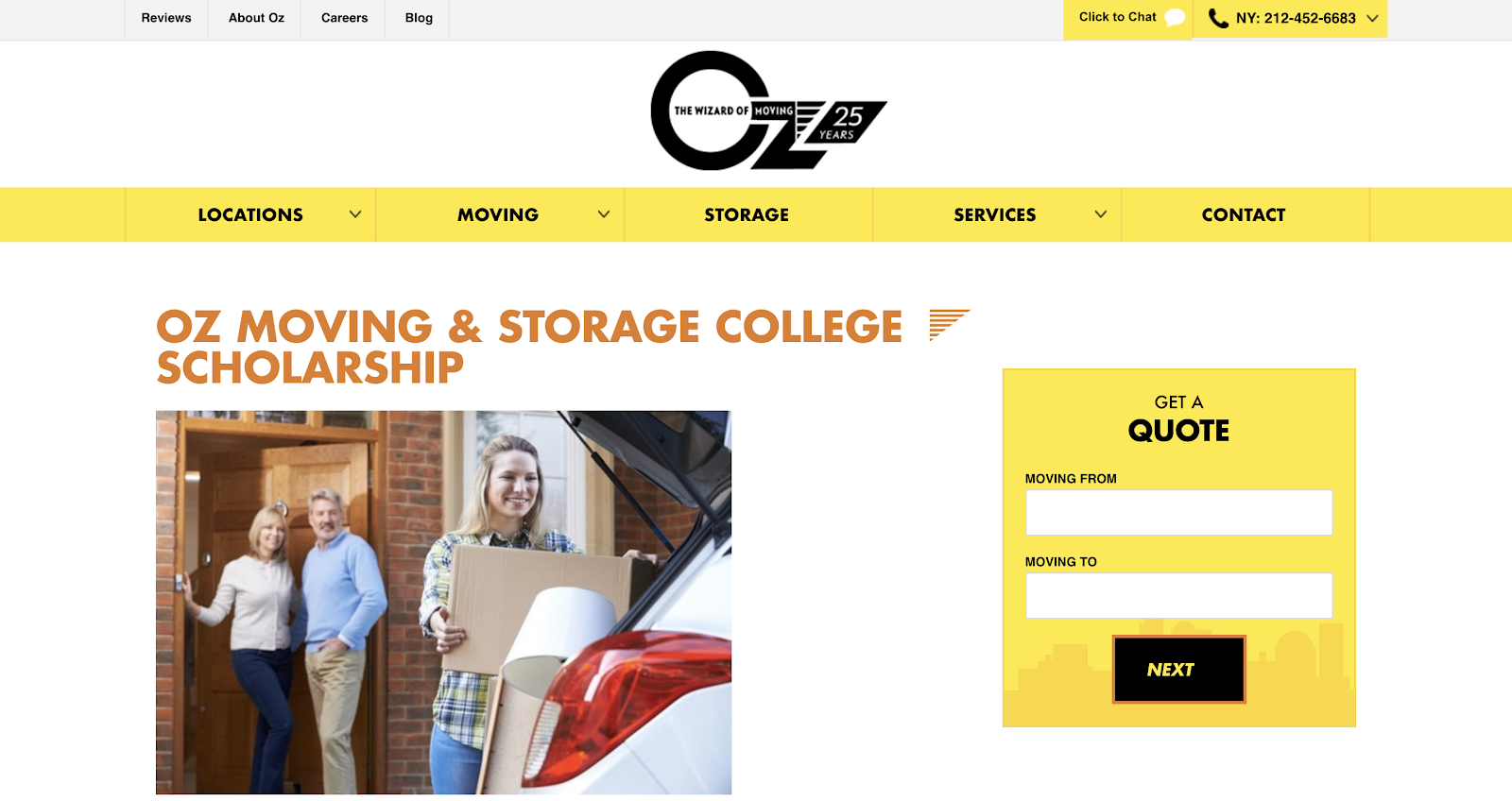
Having a scholarship program like that increases the company’s chances of getting backlinks from local press that might want to promote these opportunities to students from a specific area.
Additionally, the company is very likely to gain backlinks from universities that want to include the opportunity in their newsletter or homepage in order to provide their students with relevant information.
The numbers of referring domains and backlinks for the OZ site show that their SEO strategy seems to be working well:

As we can see, there are forty four backlinks from eighteen referring domains.
Not bad for a storage company, right?
Let’s get to our final strategy.
Strategy #4: Get mentioned by local influencers and bloggers
The final strategy we totally think can help you establish your brand on a local level and gain local backlinks and mentions is to put your brand in front of local influencers and bloggers.
That’s pretty straightforward, right?
This is as easy as reaching out to influencers and showing them that your products and services are worth mentioning.
You could do the same thing with finding local bloggers and simply present your product’s qualities.
These might seem like baby steps, but they can truly increase your chances of getting mentioned in local pieces of content and social media content, thus engaging your local community and widening your local reach.
We’ve talked quite a bit about what local link building is, what some of the most prominent strategies might be, and how they can help your business grow locally.
Let’s now get our hands in the step-by-step process of actually starting a local link building campaign.
Are you excited?
Let’s get started.
How to Do Local Link Building Effectively?
The manual process for local link building boils down to four steps, run consistently over months.
First, build a list of prospects: relevant directories like Moz Local and niche regional sites, the local newspaper and any local blogs covering your category, plus any local blogger or independent journalist writing about businesses in your area.
Second, vet each prospect for relevance, traffic, and a clean link profile.
Third, write a personalised pitch that gives the recipient a reason to link (a guest post, an expert quote, a sponsorship for a local event, or genuinely useful local content). Fourth, follow up, track outcomes, and feed what you learn back into the next round.
That’s the playbook. It works. The problem is it takes hours every week, and most marketing teams running local seo services in-house can’t sustain it long enough to see compounding results.
Which is why so many businesses choose to outsource this to a done-for-you link building service like Respona.
Instead of running outreach yourself, you share your target pages, target keywords, and anchor preferences, and the Respona team handles the rest.
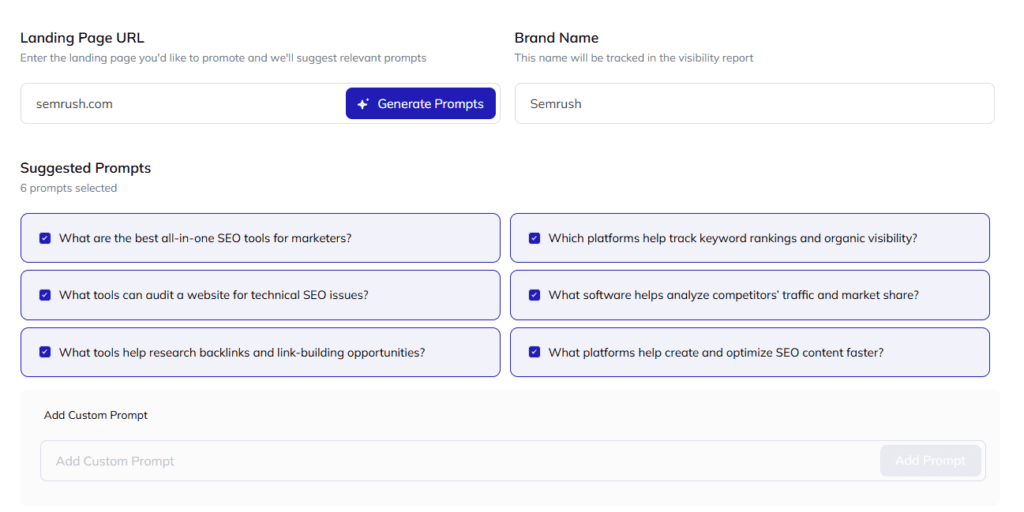
Prospecting, pitching, follow-ups, negotiation, and securing live placements on regional publications, niche directories, and “best of” roundups that already rank in Google and already get cited inside AI engines.
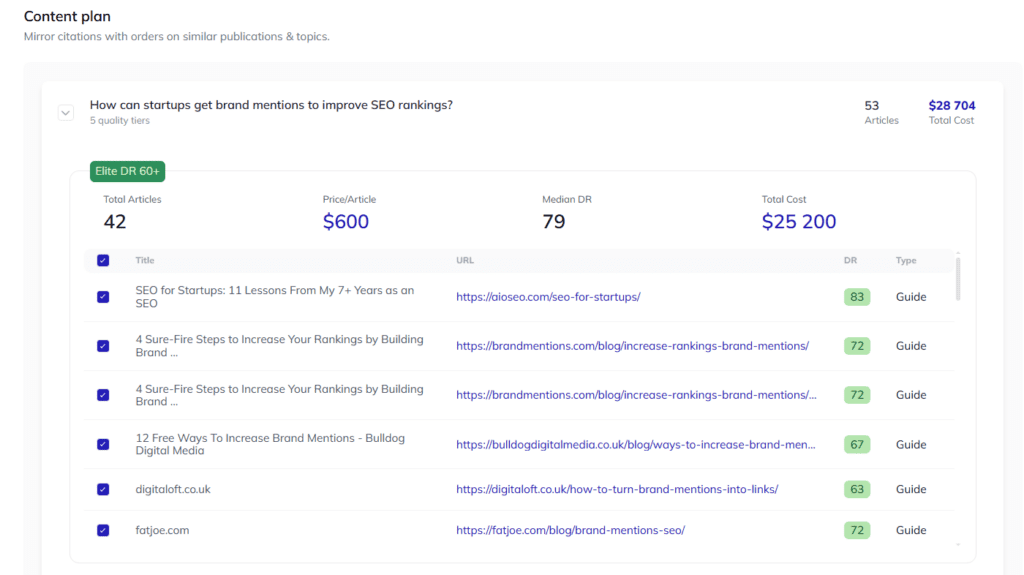
The focus on listicle and roundup placements matters for local search ranking specifically, because those are the article types AI models lean on hardest when a user asks for the best business in a particular city.
A placement on a well-ranked “best [service] in [city]” article does two things at once: it builds the link signals that drive local rankings, and it strengthens citation signals across ChatGPT, Perplexity, and Google AI Overviews.
Coverage from local bloggers and regional editors reinforces both layers at the same time.
All of which you can track right within the dashboard.
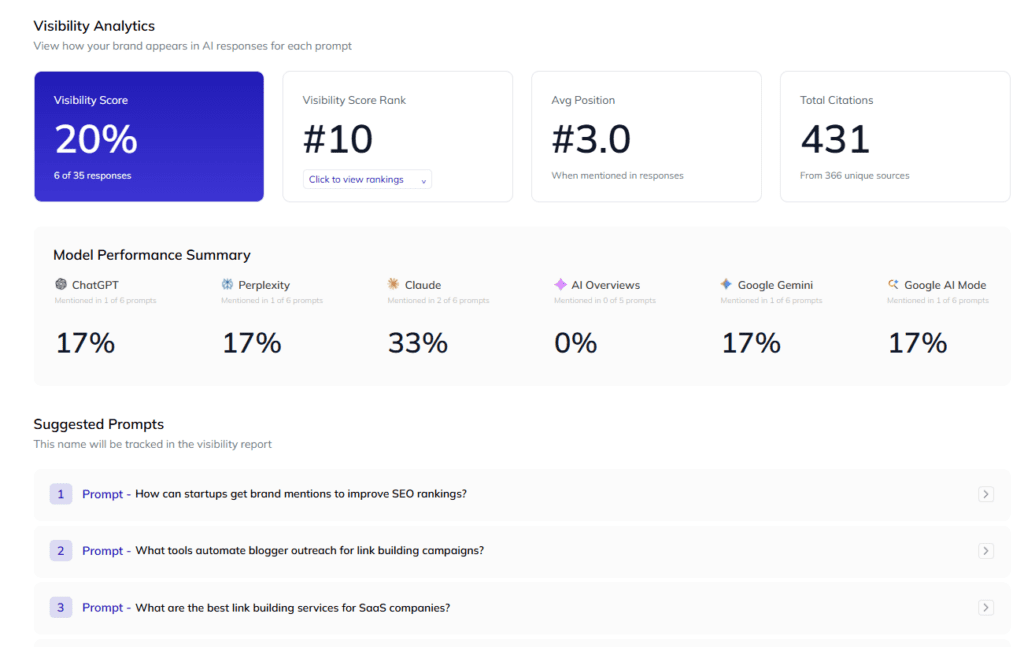
Every opportunity can reviewed and approved before outreach goes out, so the quality of placements stays consistent and every link adds to a healthy link profile.
Pricing is pay-per-placement rather than a monthly retainer, so the model fits whether you’re earning a few local links per month or scaling outreach across multiple service areas.
For businesses serious about local seo link building without burning out an in-house team, done-for-you outreach turns the slow manual grind into a repeatable system.
Link building cheat sheet
Now Over to You
That was it. Local link building can absolutely be done in-house with a small team and a lot of patience. But for most businesses, hiring or building that internal capability isn’t realistic, and quality backlinks earned slowly are still better than no backlinks at all.
If you’d rather skip the prospecting and outreach grind, hand it off to Respona’s team. Share your target pages, target keywords, and anchor preferences, and we’ll take care of the rest.
Done-for-you brand mentions and AI citations that drive both Google rankings and recommendations in AI search.
Frequently Asked Questions (FAQs)
We understand that local link building is a quite interesting topic, especially given all the benefits it can bring to businesses.
If you’ve got more questions running through your mind, read the answers that follow.
Q1. How do I find local backlinks?
There are a number of easy things you can do to find local backlinks:
- Create great content and reach out to local websites to ask that they link back to your website
- Connect with local press and local businesses
- Sponsor local events
- Offer scholarships for local university students
Q2. How much does link building cost?
Paid link building can cost quite a lot of money and it’s against Google’s Webmaster Guidelines.
The best way to acquire links is to focus on getting organic links through organic link building.
Q3. Does link building still work?
Definitely, yes. The reason for that is that Google’s algorithm might have changed over the years but links remain one of its most important local SEO ranking factors.
Q4. What is the difference between local link building and organic link building?
Local link building is the process of building links with location-specific sites and communities.
Organic link building is about building inbound links that add value to the content naturally, through what’s called passive link building.
Q5. What is the benefit of link building?
Link building is a process that can help a business to rank higher on the SERPs.
Q6. What is local SEO?
Local search engine optimization (SEO) is an SEO and digital marketing tactic that helps businesses acquire visibility in terms of the local search results on the search engines.
Q7. What’s the best link building software?
There are many great link building softwares out there.
However, Respona is the only one that takes the guessing out of link building by introducing a new approach to how you can find, qualify, and reach out to link prospects.
Q8. What is a local citation and how is it different from a local link?
A local citation is any online mention of your business name, address, and phone number (NAP), even if it doesn’t include a clickable link.
A local backlink, by contrast, is a hyperlink pointing back to your website. Both feed Google’s understanding of your business and its trustworthiness, but a link generally carries more SEO weight because it transfers link equity.
The strongest local seo strategy builds both: consistent NAP citations across major directories and active links from relevant regional sources.
Q9. Should I use Moz Local or similar tools to manage citations?
These tools (Moz, BrightLocal, Yext, Whitespark) automate the process of distributing your NAP information across dozens of directories.
They’re useful for keeping listings consistent and saving time, especially if you operate across multiple service areas.
They don’t replace earned local seo links from regional publications, bloggers, and roundups, but they make the foundational citation work much faster.
Q10. How long does local link building take to show results?
Expect 60 to 90 days for the first noticeable lift in local search rankings, and three to six months for compounding effects across the link profile.
Coverage from local news outlets and citations from local bloggers tend to show up fastest because they’re often re-shared on social channels and drive immediate referral traffic. Longer-tail benefits (improved authority, AI citations, ongoing organic mentions) build over time.
Q11. Do I still need local link building if I already have a strong Google Business Profile?
Yes. A complete Google Business Profile, customer reviews, and clean local citations give you the foundation Google needs to feature your business in map results.
But once that foundation is set, the businesses ranking above you almost always have more authoritative links from local news outlets, regional blogs, and trusted directories. Local seo success past the basics depends on earning those links.
Q12. What kinds of links matter most for local seo?
In rough order of value: editorial links from a local news outlet or trusted regional publication; mentions from a respected local blogger or industry-specific blog covering your area; placement in a curated local business directory with real traffic; sponsorships of community events or local nonprofits; and partnerships with nearby complementary businesses.
Each adds to your authority in a different way, and the combination is what drives long-term results.
Q13. How does local link building tie into AI search visibility?
When a user asks ChatGPT, Perplexity, or Google AI Overviews “what’s the best [service] near me,” the AI model pulls recommendations from the same trusted publications and roundups that influence traditional rankings.
Earning placements on local “best of” articles, regional listicles, and city-specific guides directly feeds the citation pool AI engines use. The brands ranking well in local Google searches today are increasingly the same brands being recommended by AI search tools tomorrow.
Q14. What’s the best way to start local keyword research before building links?
Begin with the obvious commercial-intent queries in your area (e.g., “plumber in [city],” “best [service] near [neighborhood]”) and use a tool like Ahrefs or Semrush to find related terms. Map each target keyword to a specific landing page on your site.
Then prioritise earning local links to those pages first, since that’s where ranking improvements convert into actual customers. Without keyword research as the foundation, link building efforts often point to the wrong pages.